The
Blog
Trip guides that measure their hikes, stories from people who actually went, and the occasional confession about what we packed and never used.

Ten Family-Friendly National Parks
Ten parks where the trails are short, the campgrounds are real, and the wildlife shows up on time. Every hike listed with its true mileage.
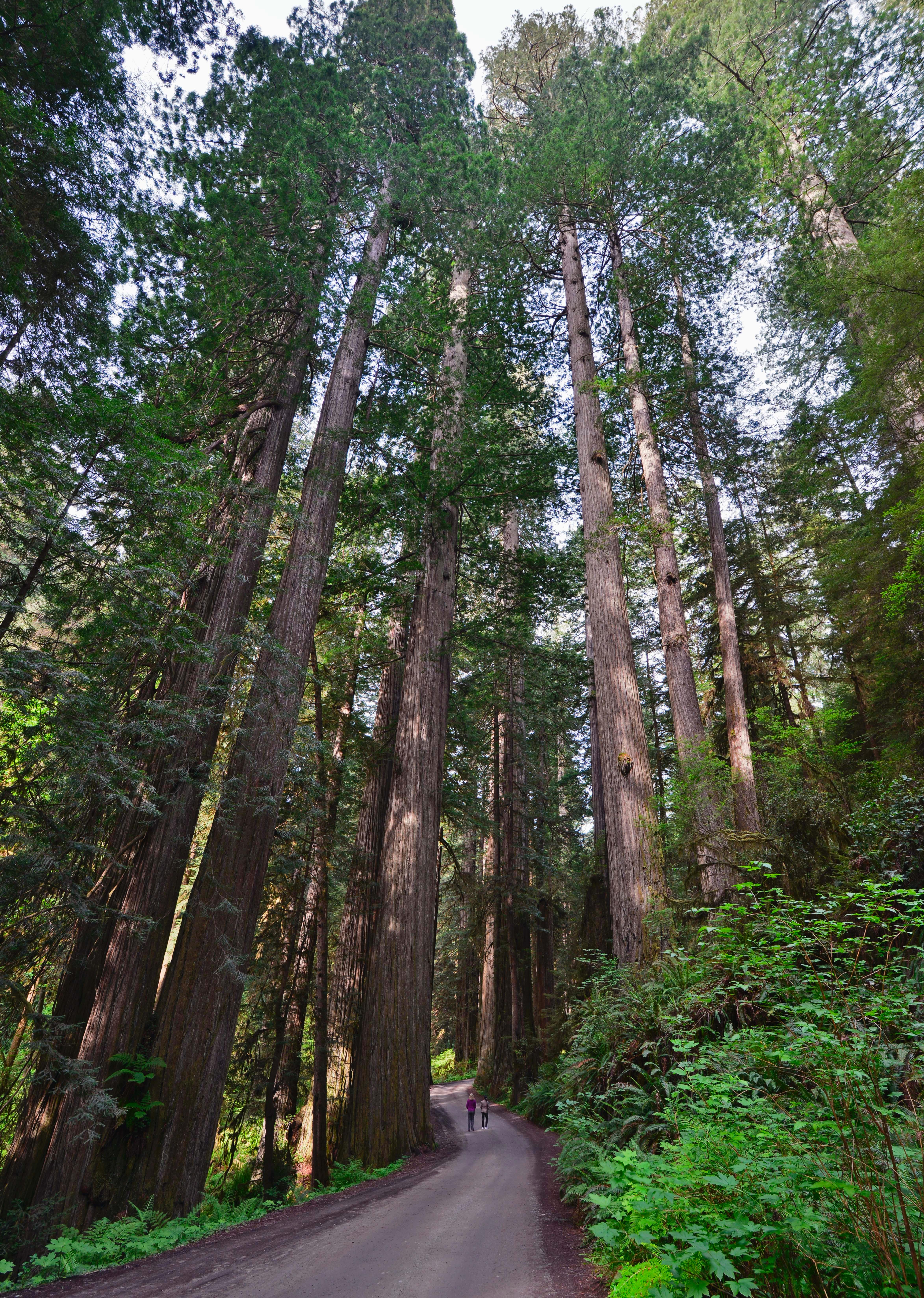
Modern Maverick: Saddlebags, Scenery, and the Spirit of the Parks
One rider, 63 parks, 12,000 miles alone on a KTM: lava at Kona, a ranger's permission to sleep above Carlsbad Caverns, a stranger's blessing outside Durango.
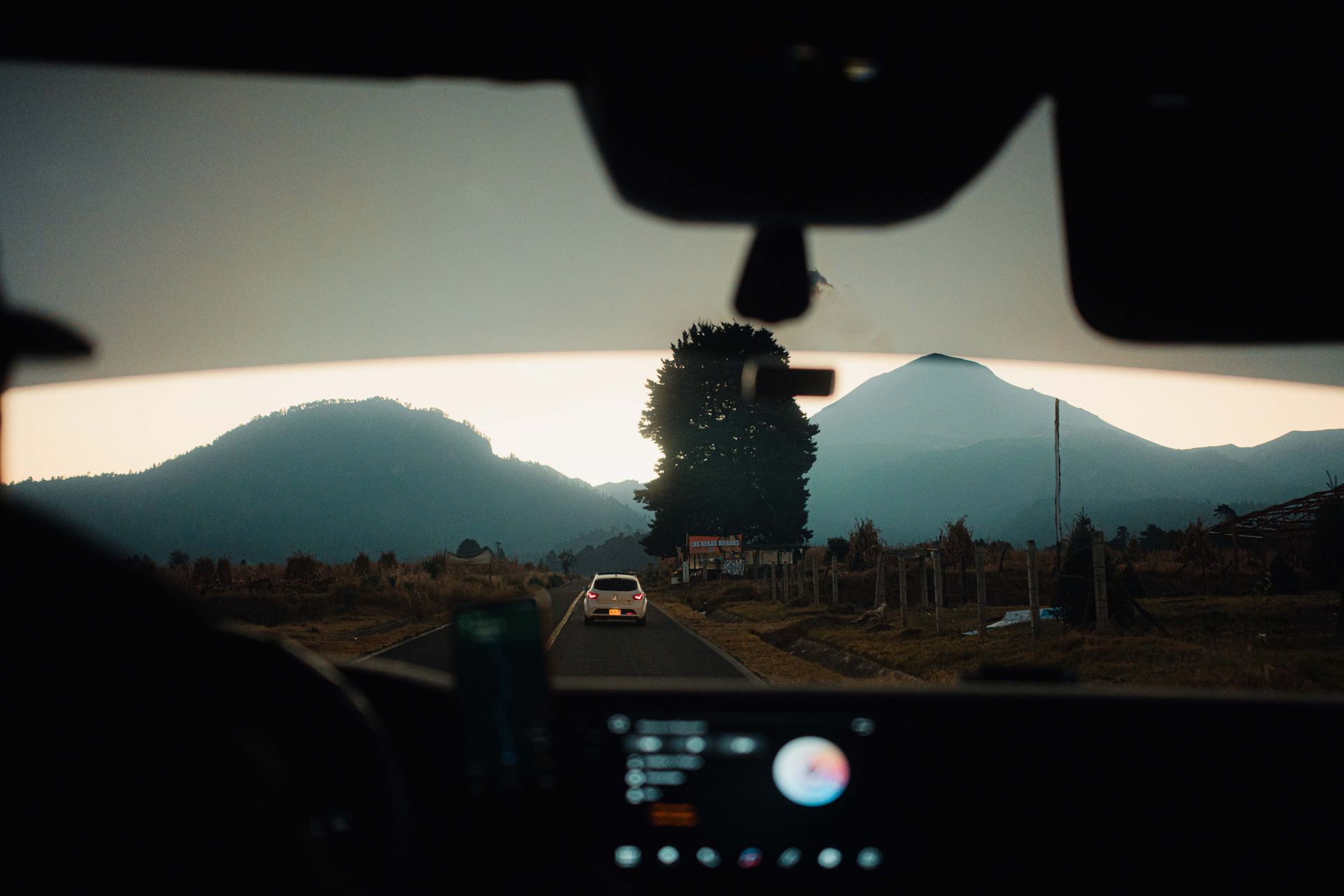
Before the Trailhead: A Working Guide to Planning Your Trip
The unglamorous logistics that actually decide whether a national park trip happens: lodging, transport, maps, and gear.

The Artists Who Taught Us to See the Parks
The photographers, painters, filmmakers, and writers who put the national parks on paper, canvas, and film, grouped by craft.
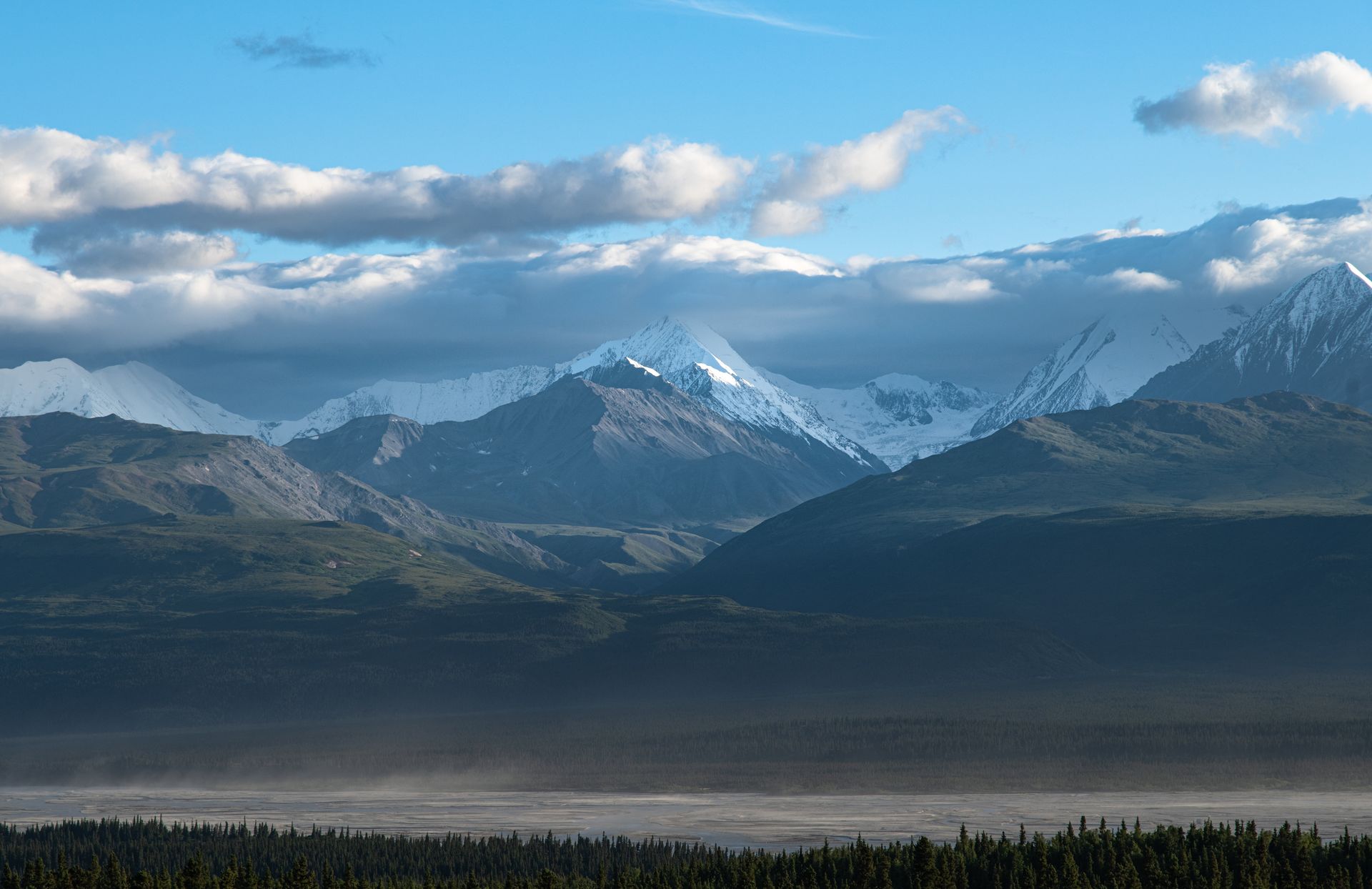
The Four Ranges of Alaska
A tour of Alaska's four mountain ranges, from Denali's 20,310-foot summit to Redoubt, an active volcano.

Eight Summits, Eight National Parks
Real elevation and mileage for the hardest summits in the park system, from Denali to Half Dome, and what each climb actually demands.
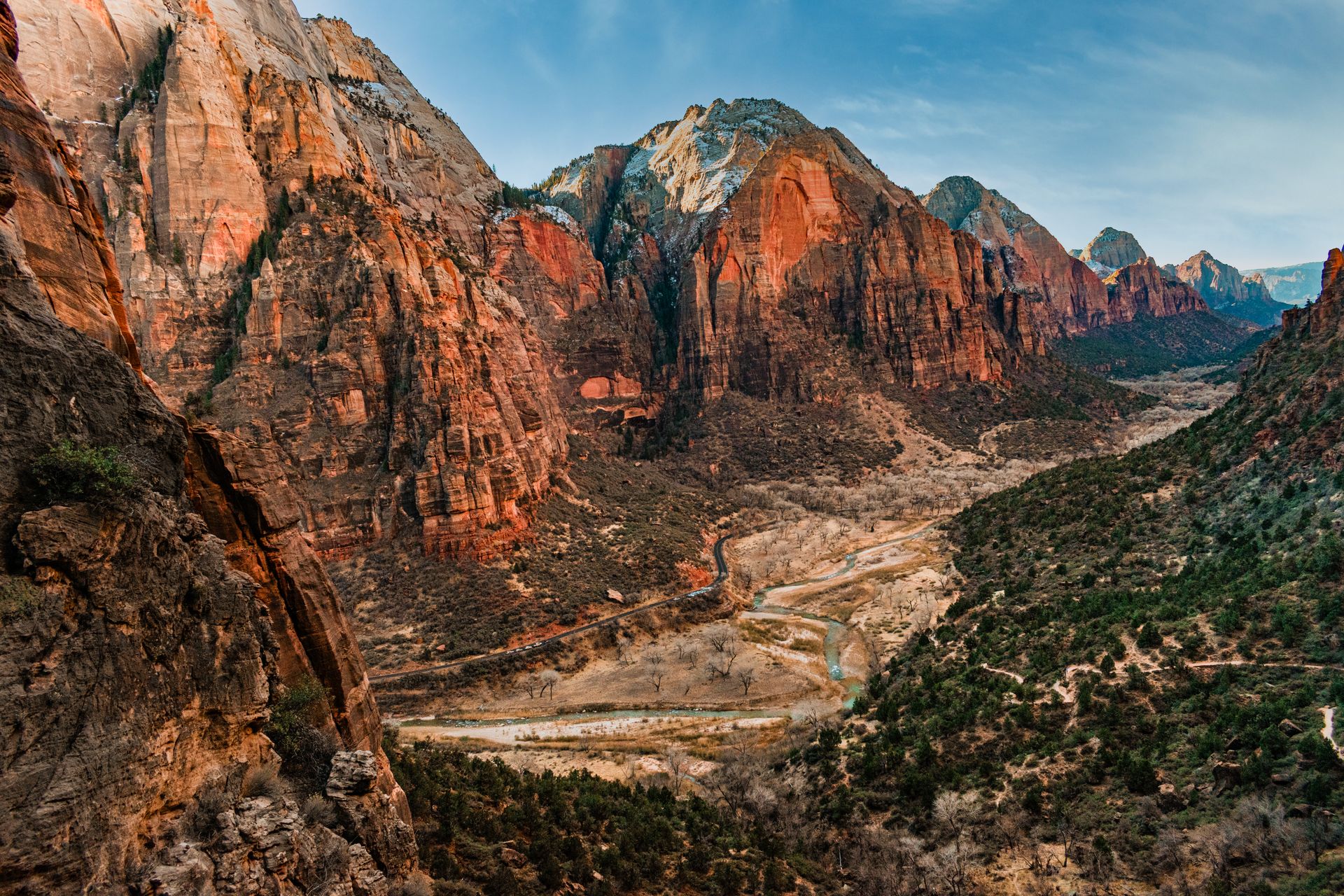
Ten National Park Trails That Earn Their Reputation
Ten national park trails, from Zion's Angels Landing to Acadia's Precipice Trail, picked for what they demand before they hand over the view.

When to Go: The Best Season for Seven National Parks
Yosemite has two good seasons, Denali has one. The right season for seven national parks, and why each one earns the trip.
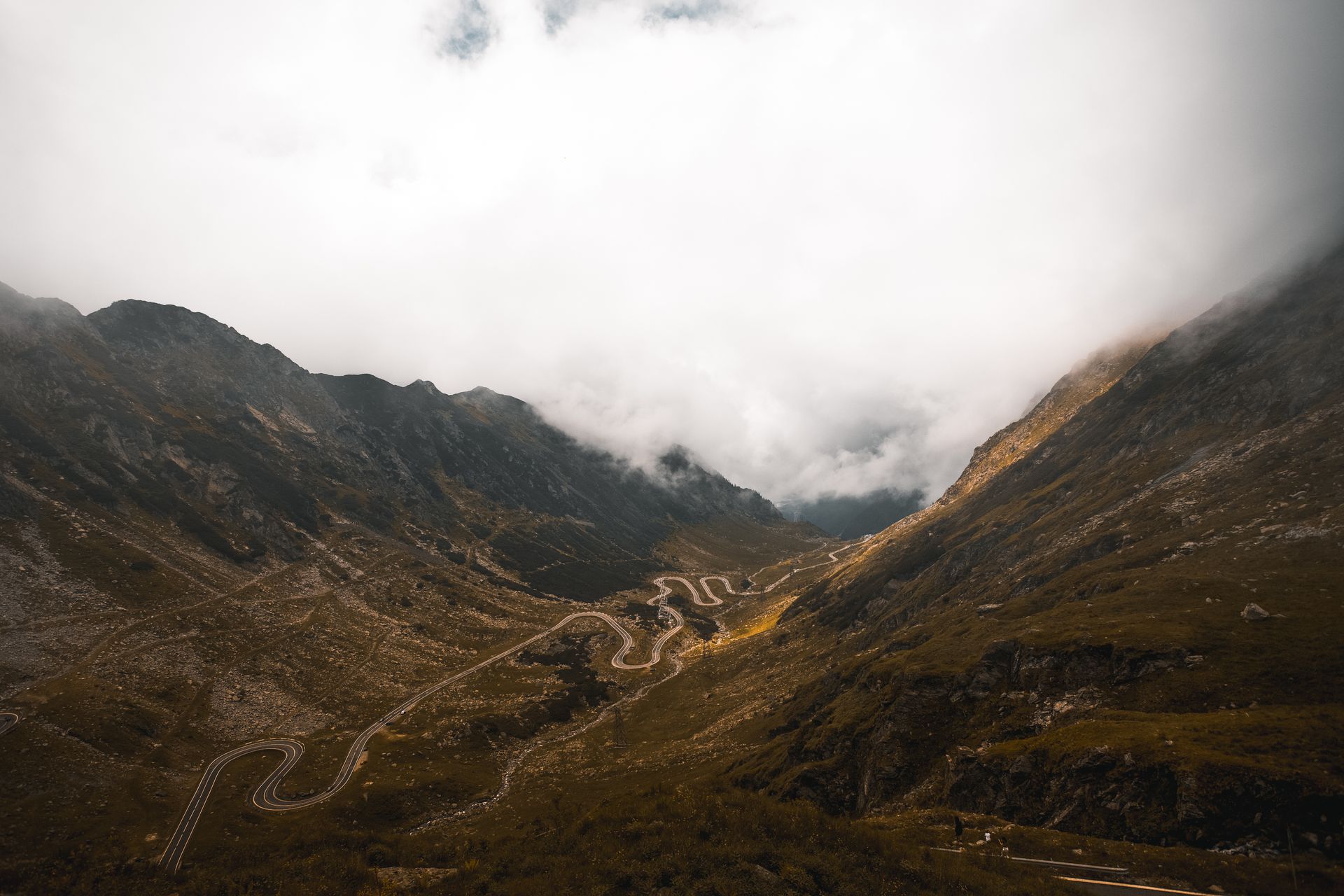
The Order Problem: A Road Trip Guide to the Parks You Can Actually Drive To
Fifty-two of the 64 national parks are reachable by car. Here's the route, season, and budget plan to actually see them.
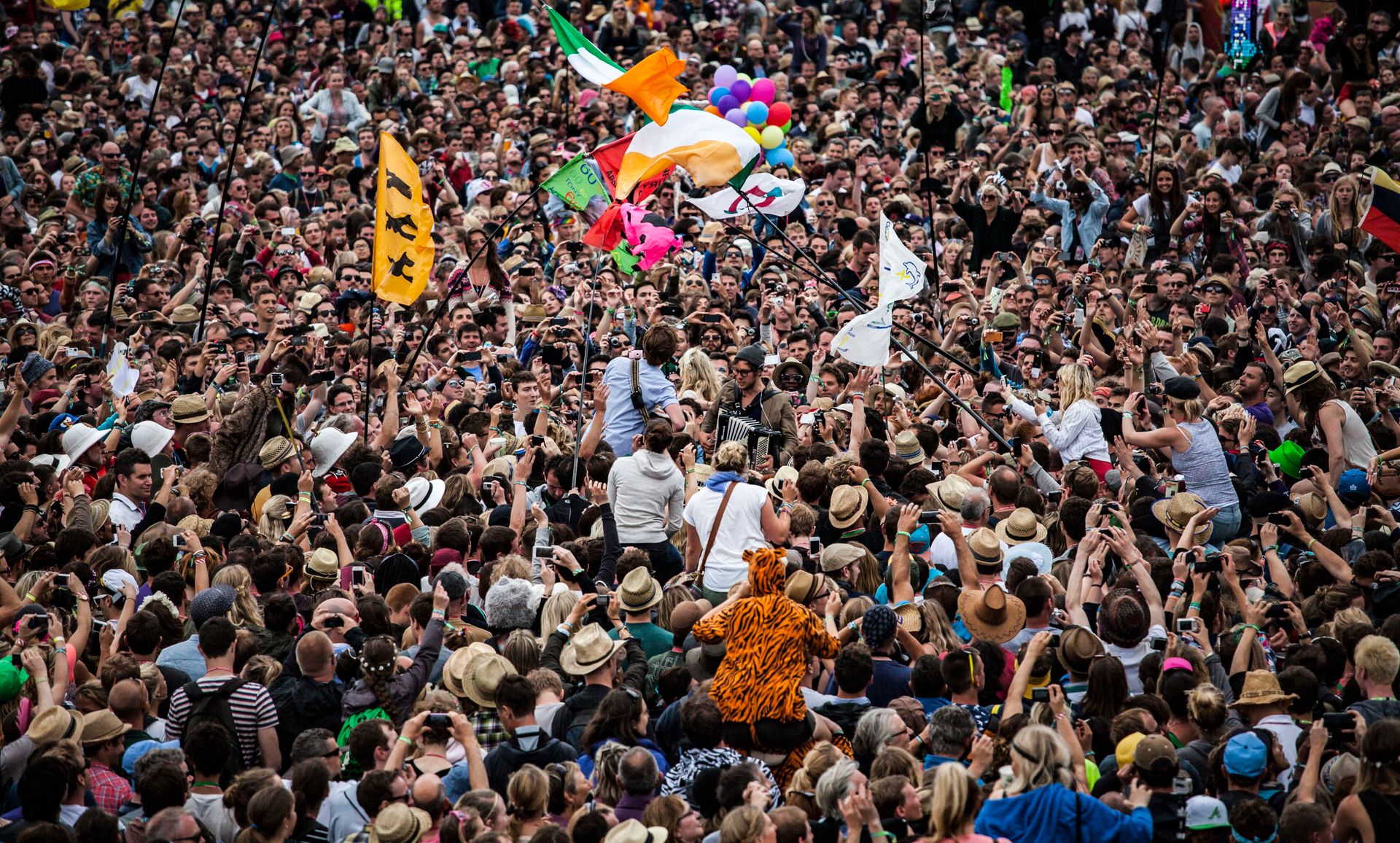
The Overcrowding Question: Short-Term Fixes and What Comes After
What a Guardian report on national park overcrowding gets right, and the short-term and long-term ideas actually on the table.

Timing Is the Whole Trick: A Few Days in Bar Harbor and Acadia
A few days in Bar Harbor and Acadia National Park, mapped out in the order that actually works, from the tide to the summit.
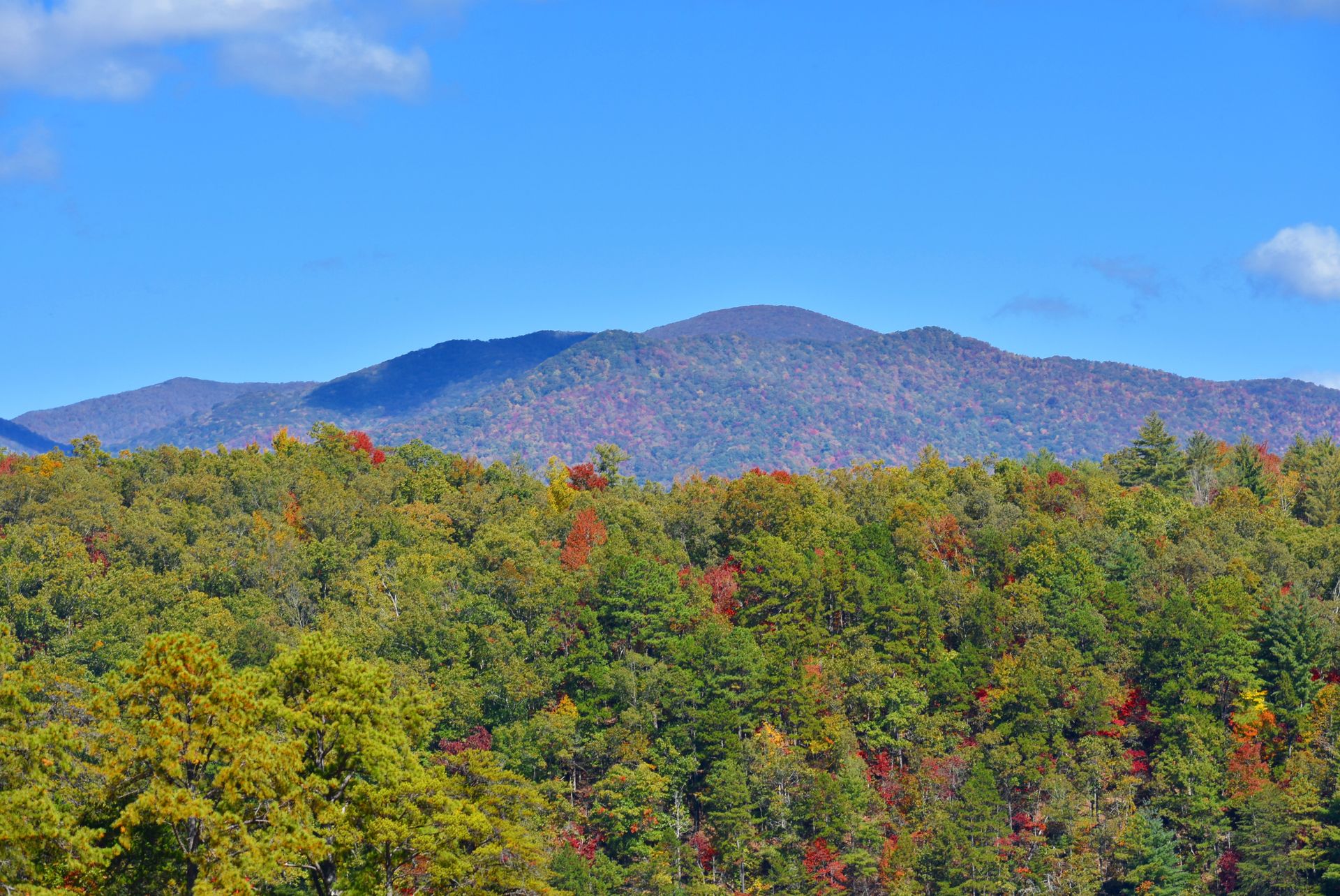
The Price Nobody Puts on a Forest
Why nature's economic value stays invisible until someone prices it, and what a real $28.6 billion figure shows about what the parks are worth.

The Fear of Not Breathing
What wildfire actually does to a forest, and why decades of putting out every fire may have made today's fires worse.
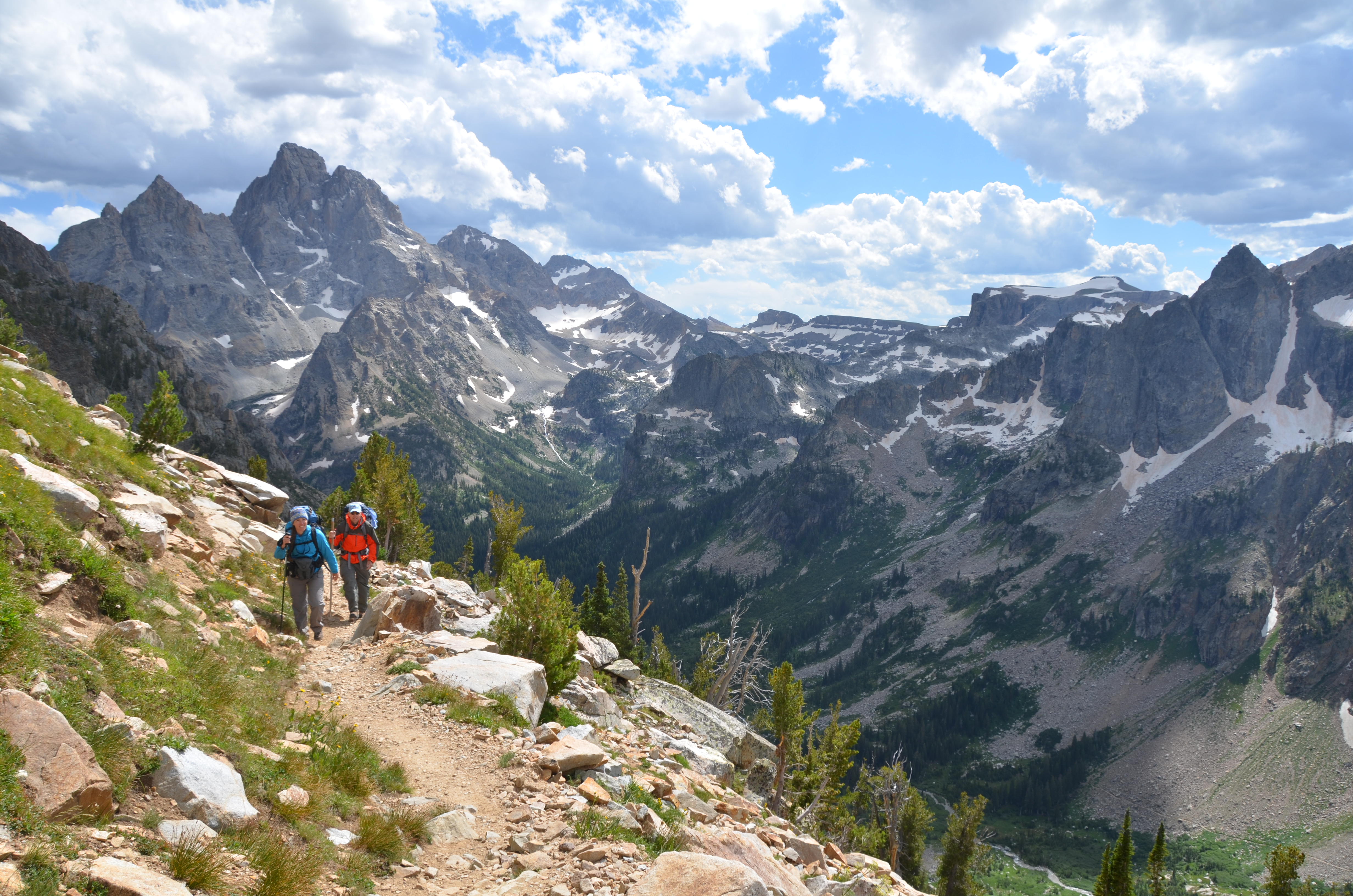
No Foothills, No Warning: A Few Days in Grand Teton
The youngest mountain range in North America, built from some of the oldest rock on the continent, plus the 31-year land fight that almost kept the park from happening at all.
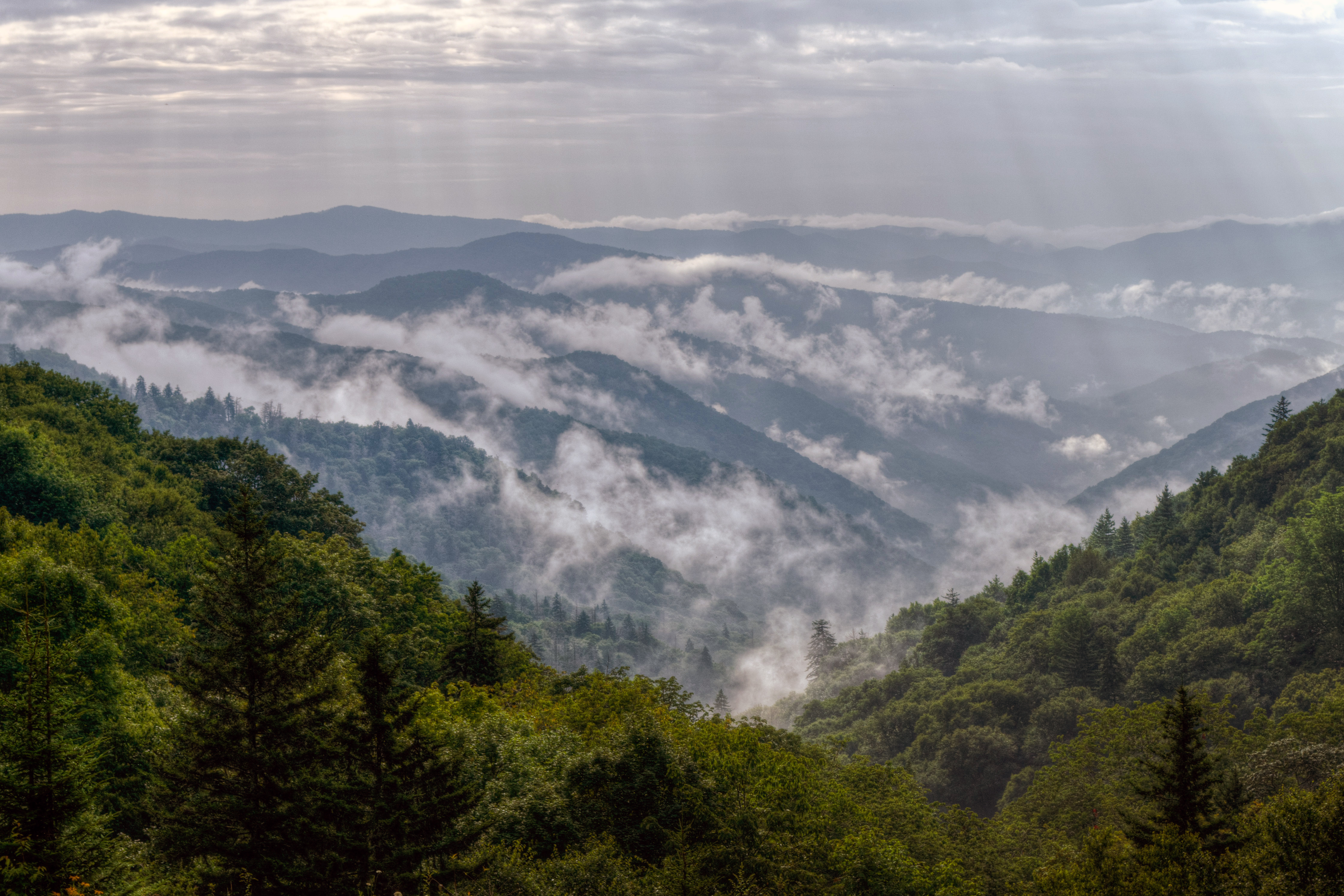
No Gate, No Charge: A Few Days in the Great Smoky Mountains
The most-visited park in the country, and the only major one that's free to enter, thanks to a 1951 road deed nobody designed on purpose. Plus the pennies-and-Rockefeller fight that funded it.
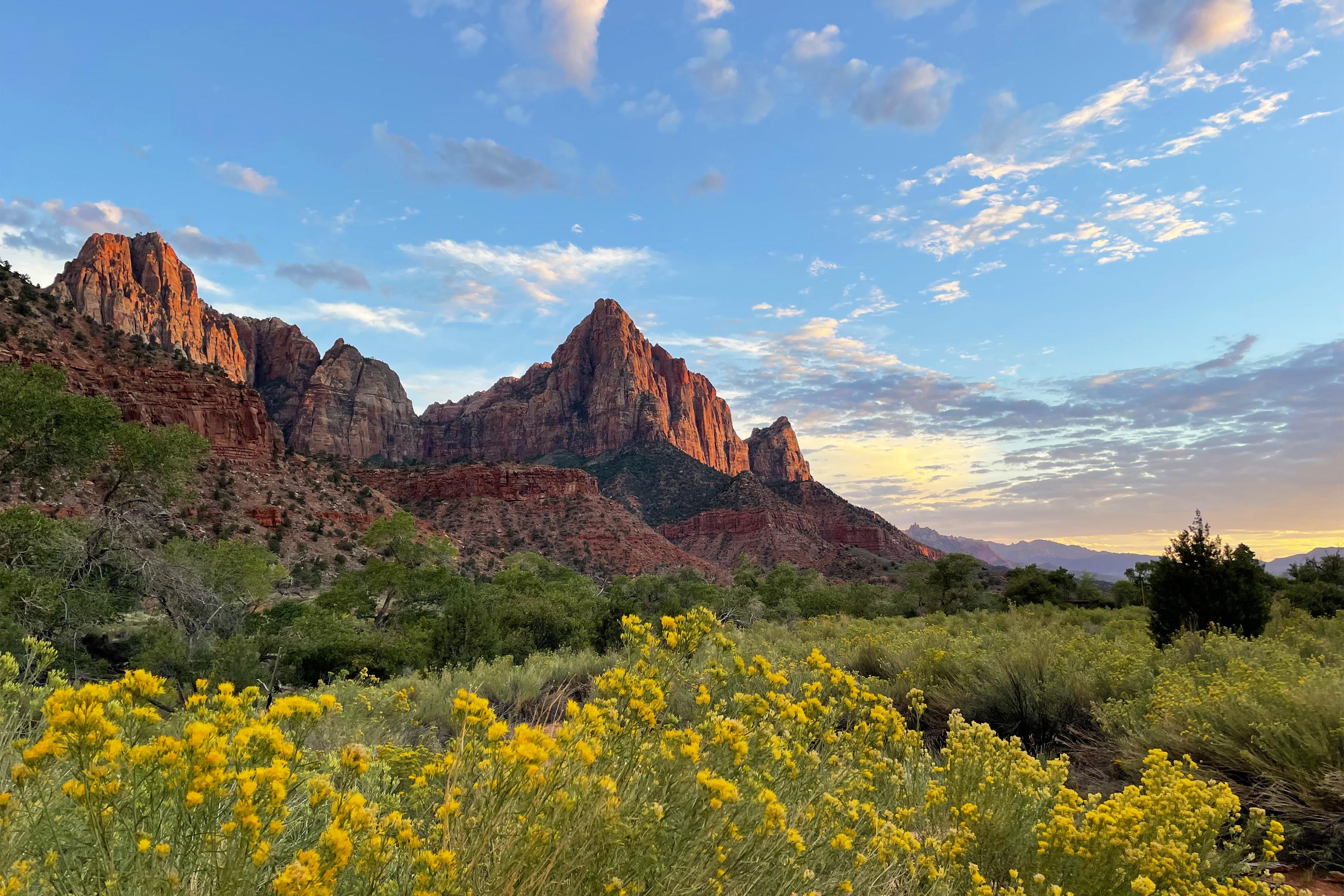
Soft Rock, Hard Numbers: A Ride Through Zion Canyon
The cathedral walls are the softest, youngest rock in the park system, carved fast by a river that isn't finished. Plus why you can't drive your own car through the canyon anymore, and what it takes to win the Angels Landing lottery.
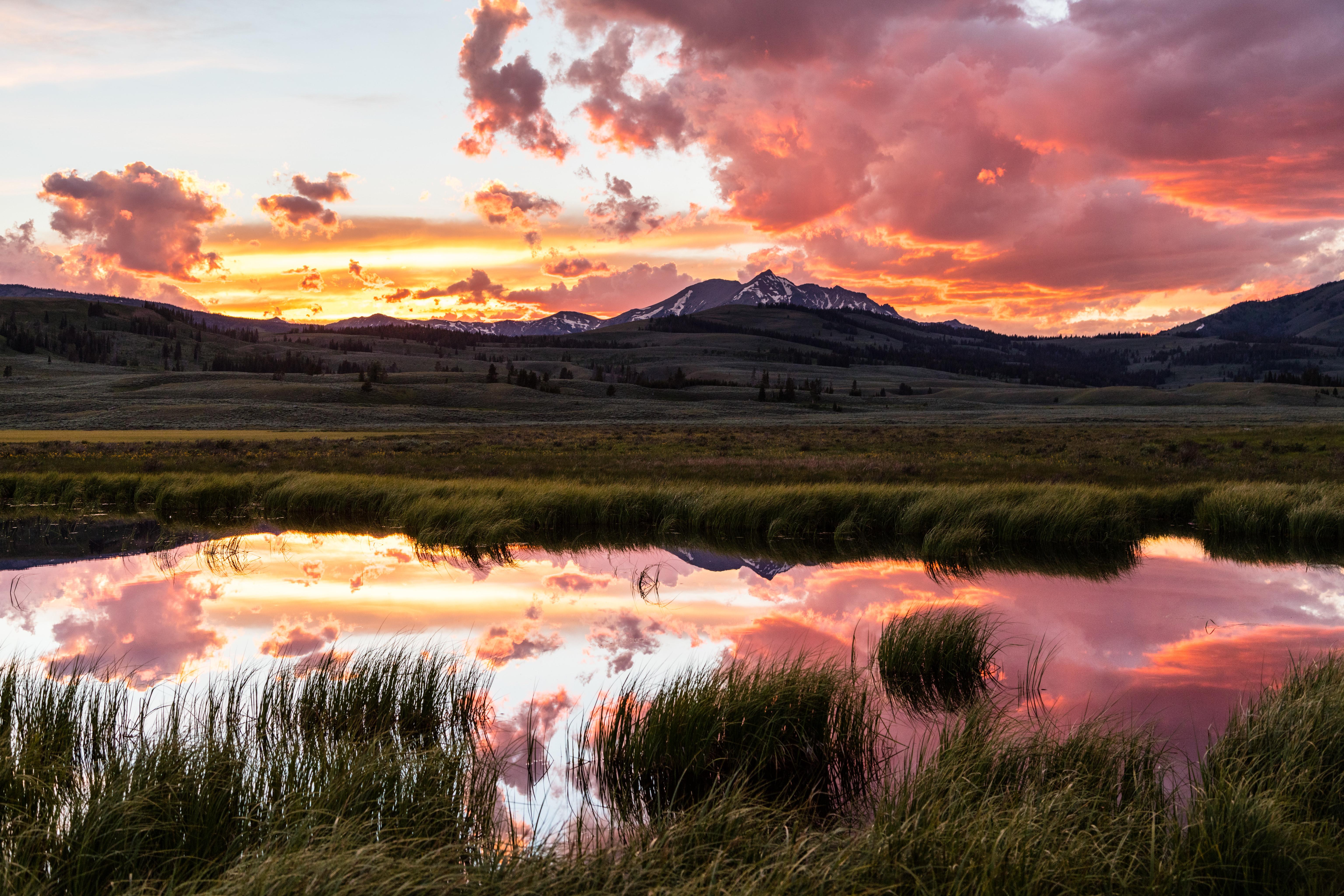
Not Overdue: A Drive Through Yellowstone
The supervolcano isn't "overdue" the way the internet says. Old Faithful isn't on a 90-minute schedule either. Plus the summer the park burned, and why the wolves were gone for 70 years before they came back.
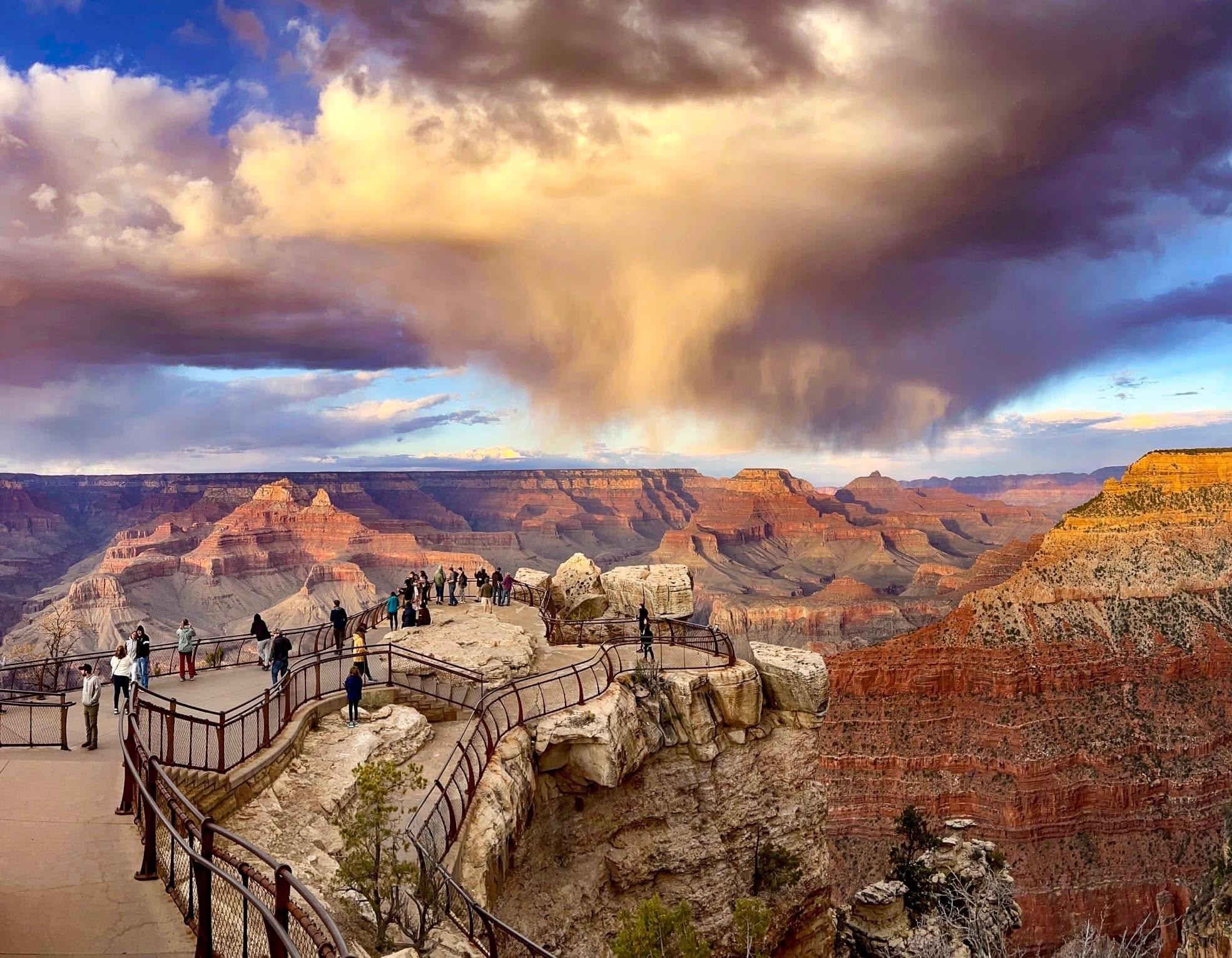
Old Rock, Young Canyon: A Drive Along the South Rim
The rock at the bottom is 1.84 billion years old, the canyon itself is a geologic newborn carved in the last 5 to 6 million years, and the hike down is the easy half. Five real South Rim stops, Mather Point to the 1932 watchtower.
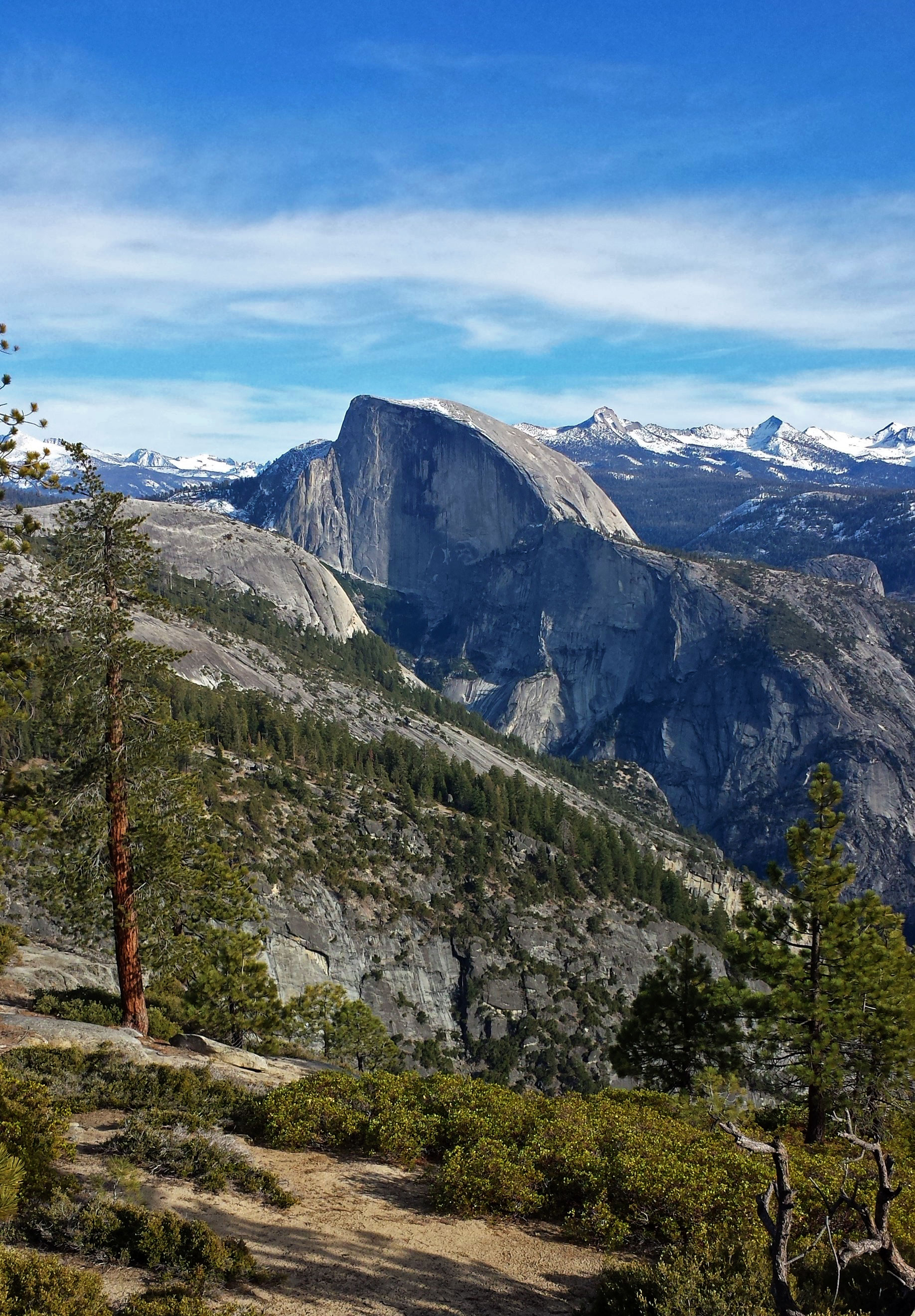
Not Actually Half: A Few Days in Yosemite Valley
Granite that took 85 to 120 million years to arrive, a valley shaped in a geologic instant, and the real reason Half Dome only looks like it is missing its other half.
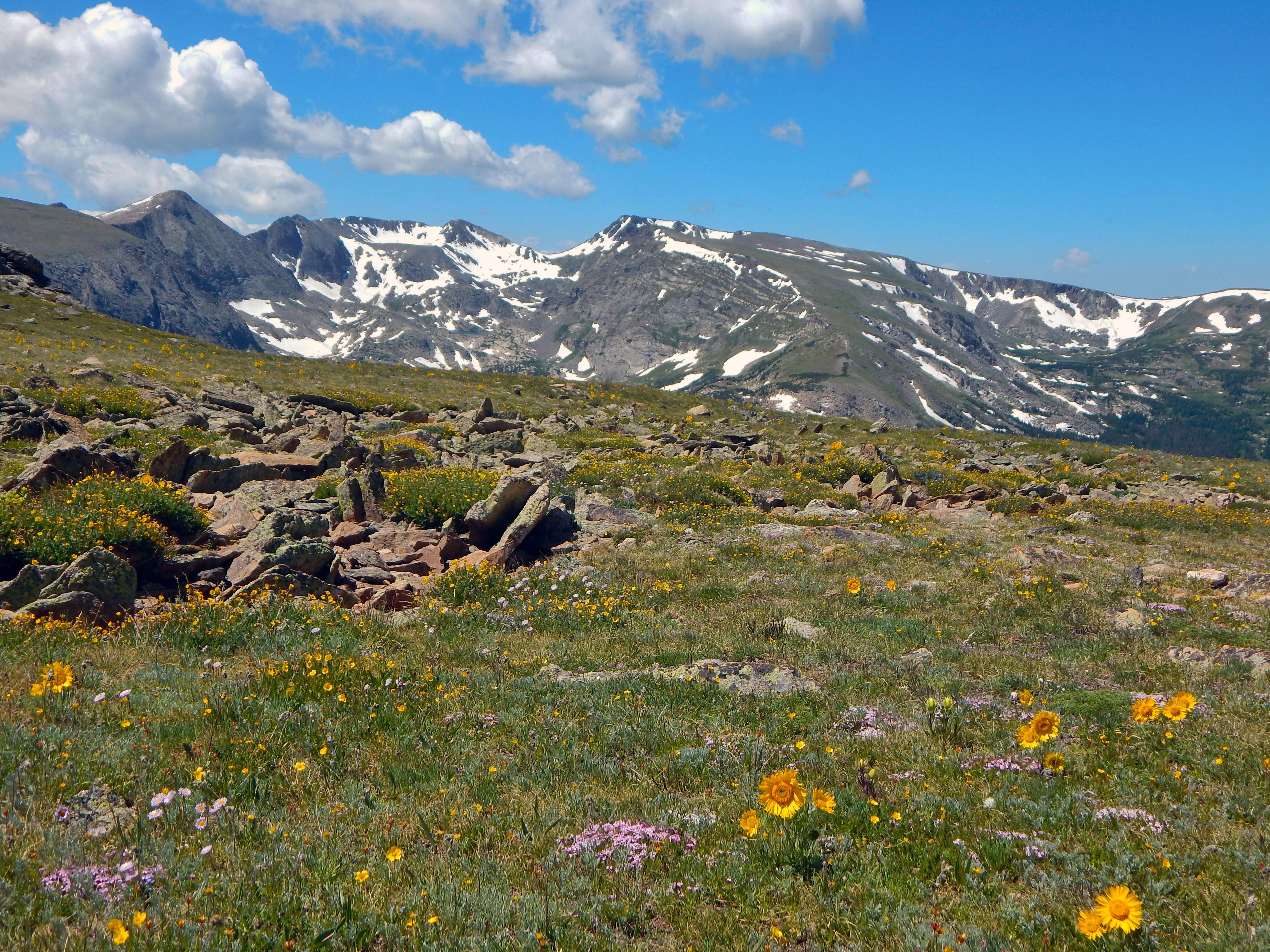
What the Road Skips: A Few Days in Rocky Mountain
The highest paved road in the country, rock ten times older than the mountains it runs through, and the peak at the far end that road never actually reaches.

The Park Rebuilt Twice: A Few Days in Acadia
A beach that's mostly shell, a sunrise claim that's only true four months a year, and the 1947 fire that burned 10,000 acres and gave the island better foliage.
Cadillac Sunrise: Reservations, Timing, and First Light
A six dollar vehicle reservation, two booking windows, and a first-sunrise claim that's only true sixteen weeks a year.

The Beehive or the Precipice: Which Rung Trail Is for You
Two iron-rung cliff climbs above the ocean, one open nearly year round, the other closed a third of the year for a falcon.

A Perfect Fall Weekend in Acadia
A tight Friday-to-Sunday itinerary built around real peak-foliage research, not a guessed date.
Three Parks Wearing One Boundary: A Few Days in Olympic
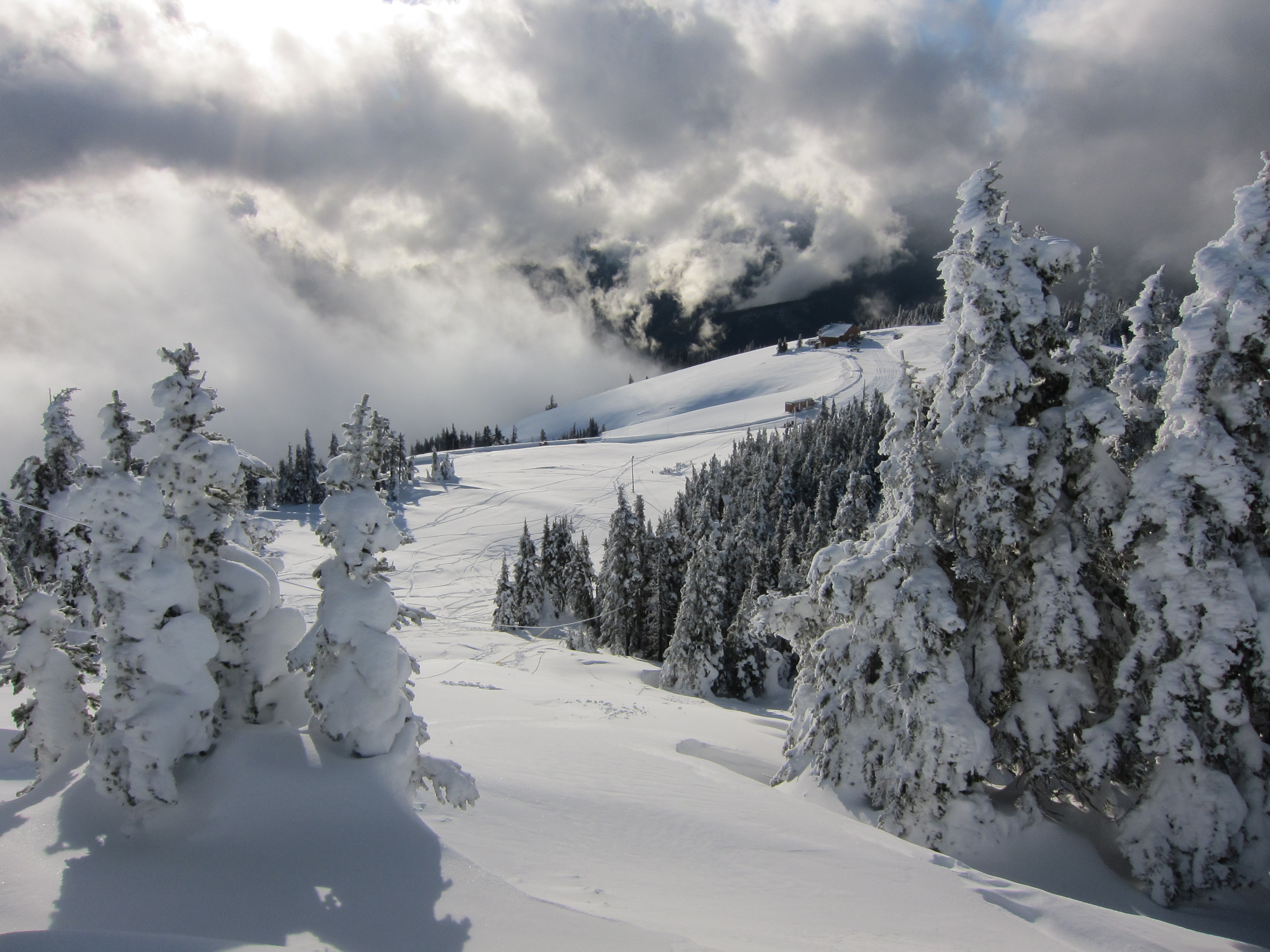
A rainforest that gets 12 feet of rain a year, a lake so clear it holds no plankton, and 73 miles of coastline with almost no road touching it.
The Hoh Rain Forest, Step by Step: Hall of Mosses and Beyond
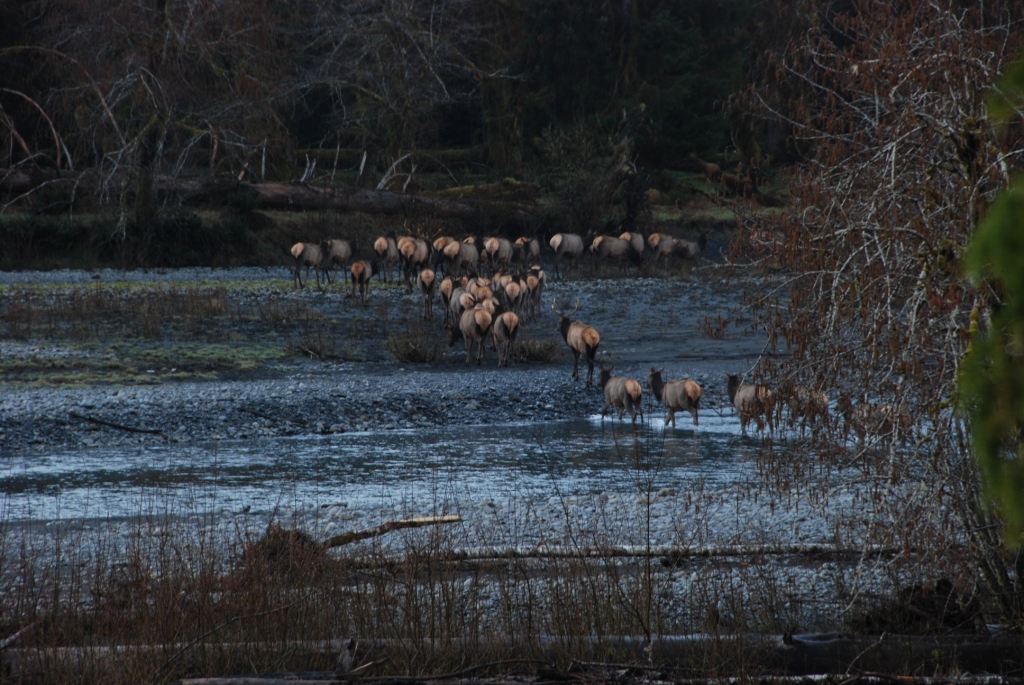
Two real trails, done in the right order: the famous moss loop, and the quieter one where the Roosevelt elk actually are.
Ruby Beach at Low Tide: Timing the Sea Stacks Right
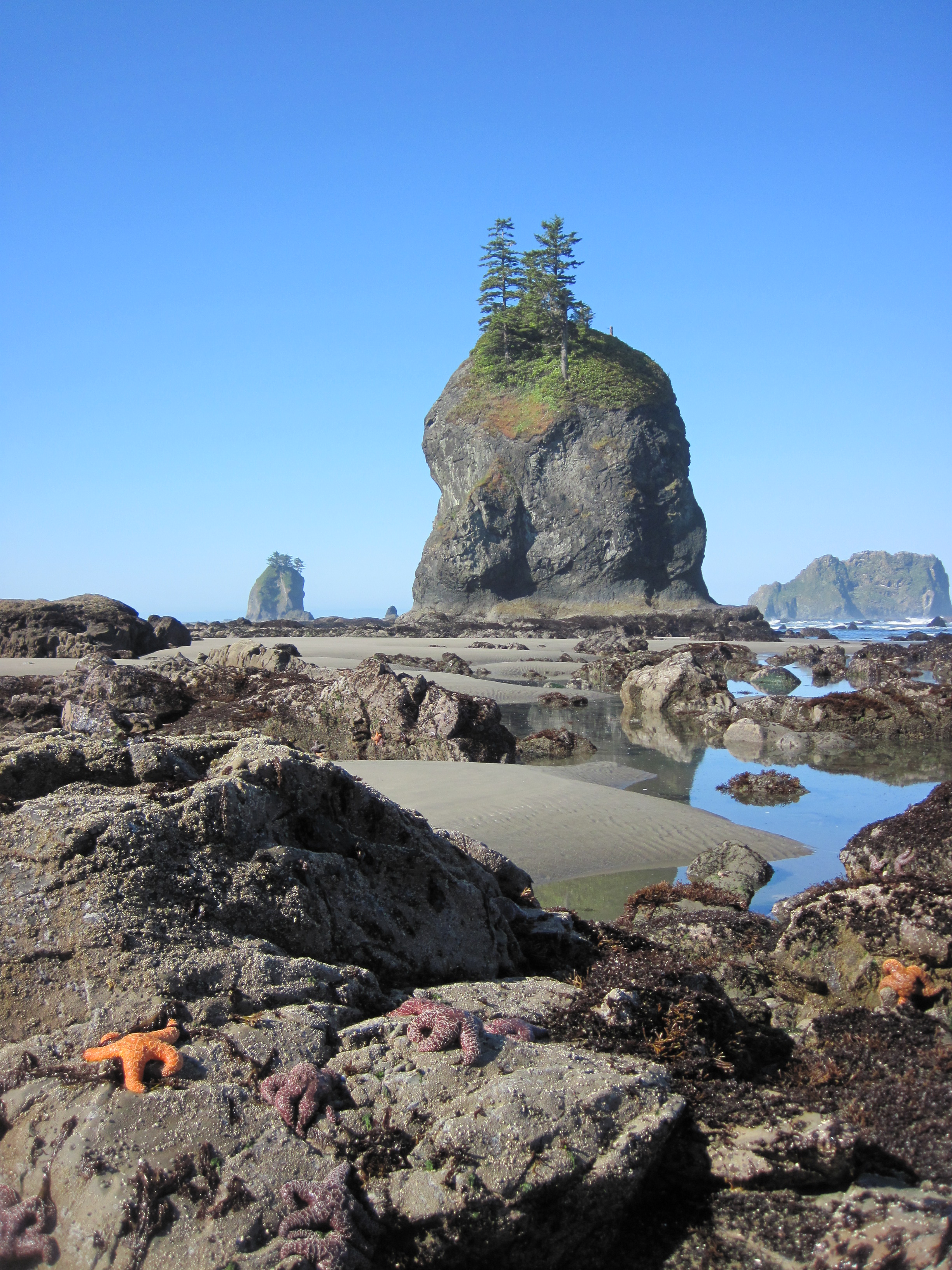
A standard low tide isn't low enough. The real tide height that opens up the sea stacks, straight from NPS's own guidance.
3 Perfect Days in Olympic: Mountains, Forest, and Coast
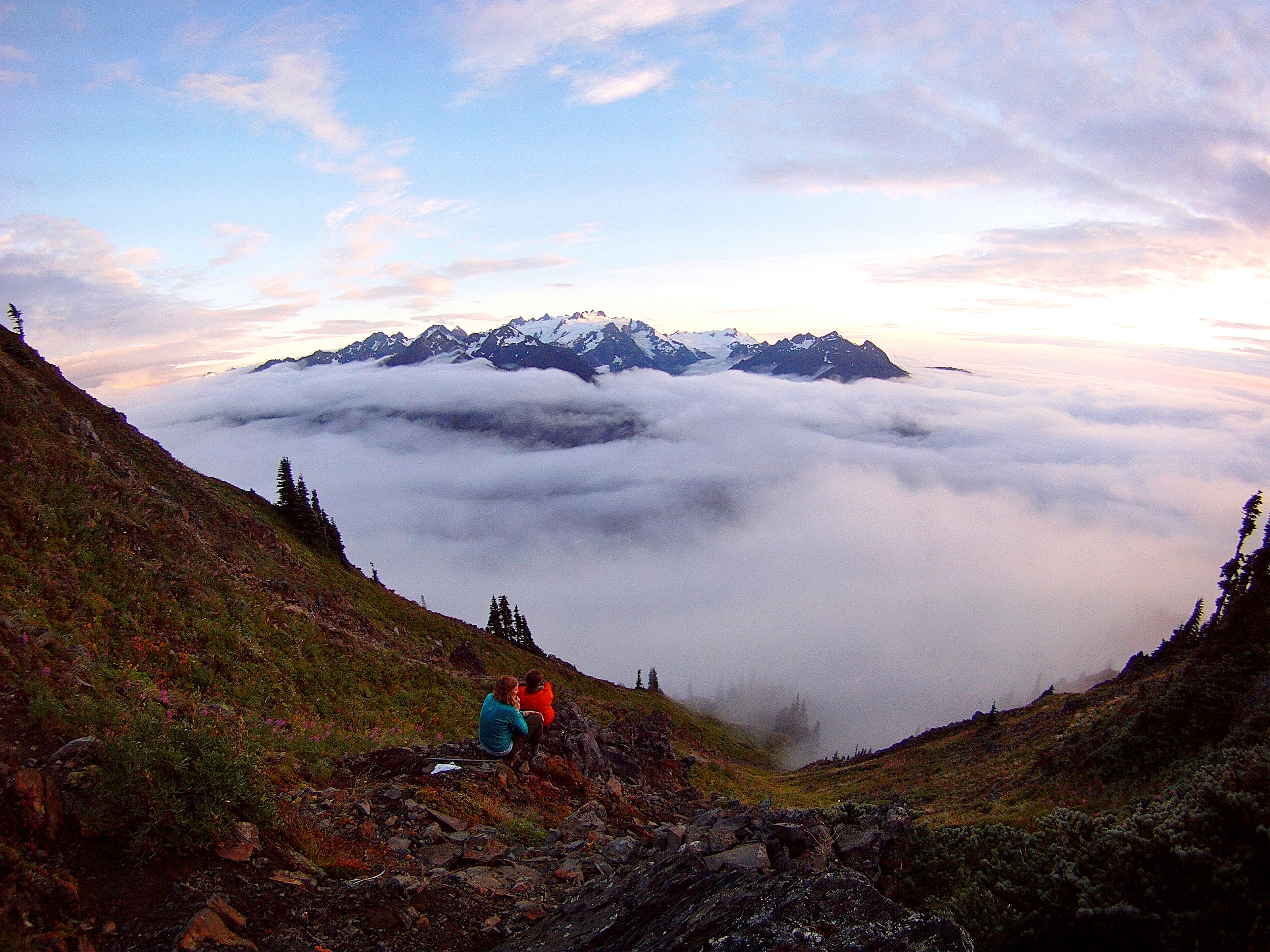
One ecosystem a day, because Olympic's mountains, rainforest, and coast each need their own real drive to reach.
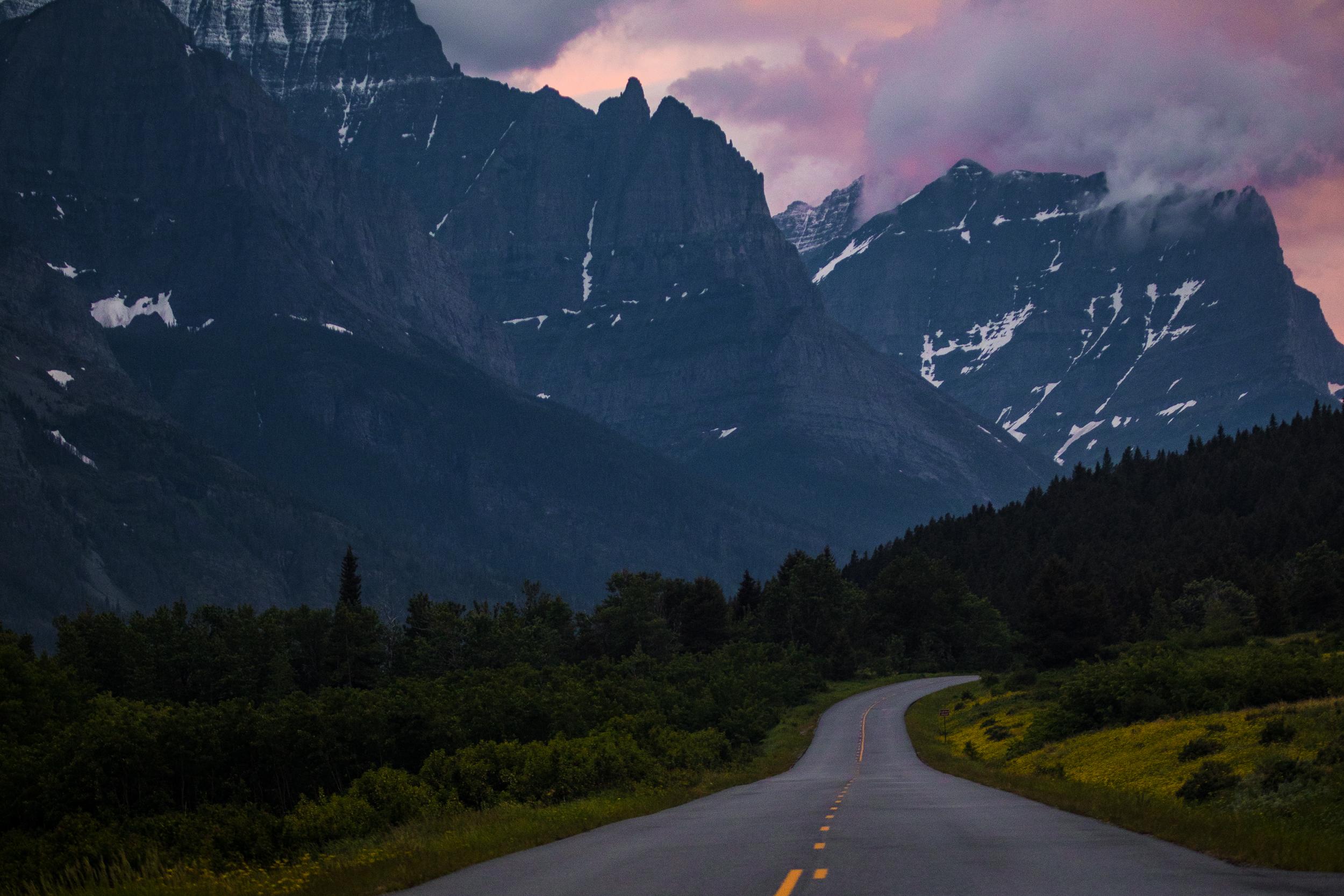
The Park That Had to Change Its Own Sign
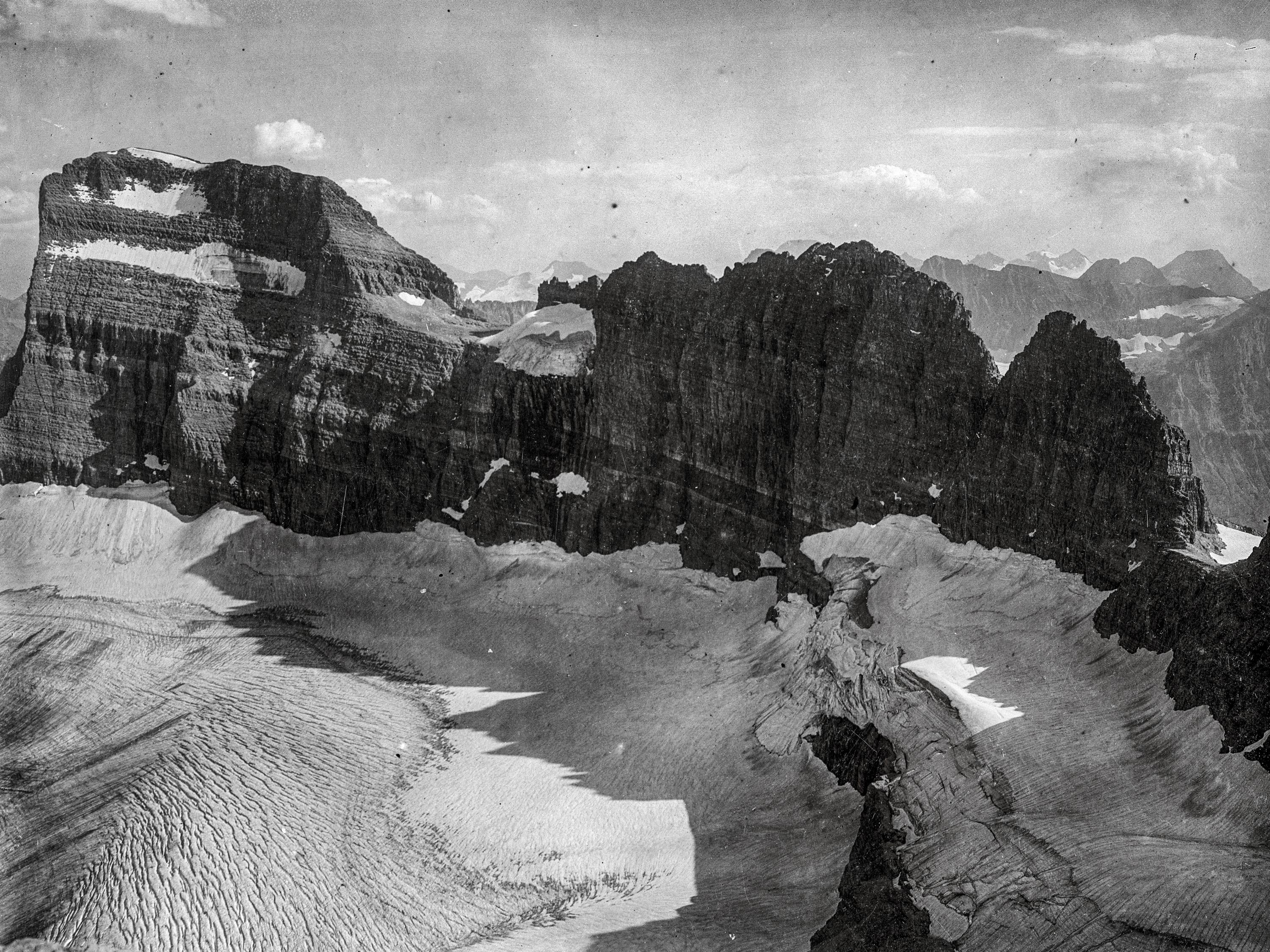
150 glaciers down to 26, an 11-year road blasted into cliff faces, and the exact sign Glacier had to change when its own forecast missed.

The Highline Trail, Step by Step: Beating the Cliffside Nerves
The famous cabled ledge near Logan Pass, how narrow it really is, how long the exposure lasts, and what to expect once it's behind you.
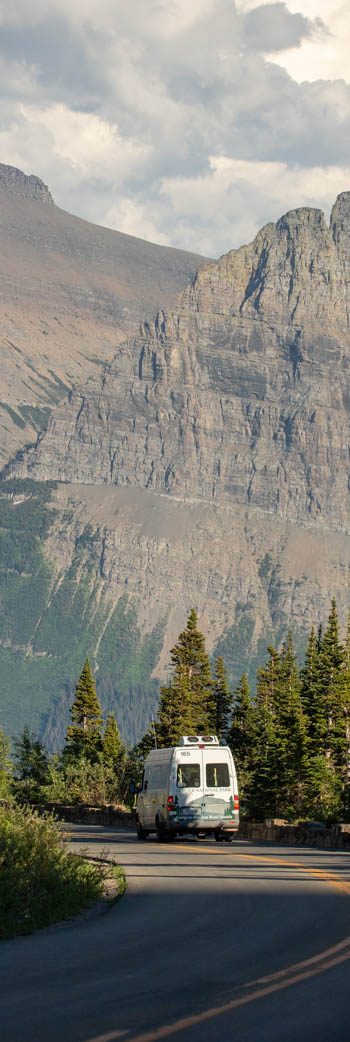
Logan Pass Parking and the New Shuttle Ticket System
No park-wide vehicle reservation for 2026, but a new 3-hour parking cap and $1 shuttle tickets at Logan Pass. What actually applies this year.
3 Perfect Days in Glacier: The Sun Road, East to West
The west side lakes, the Logan Pass crossing, and the Many Glacier valley most first-timers run out of time for.
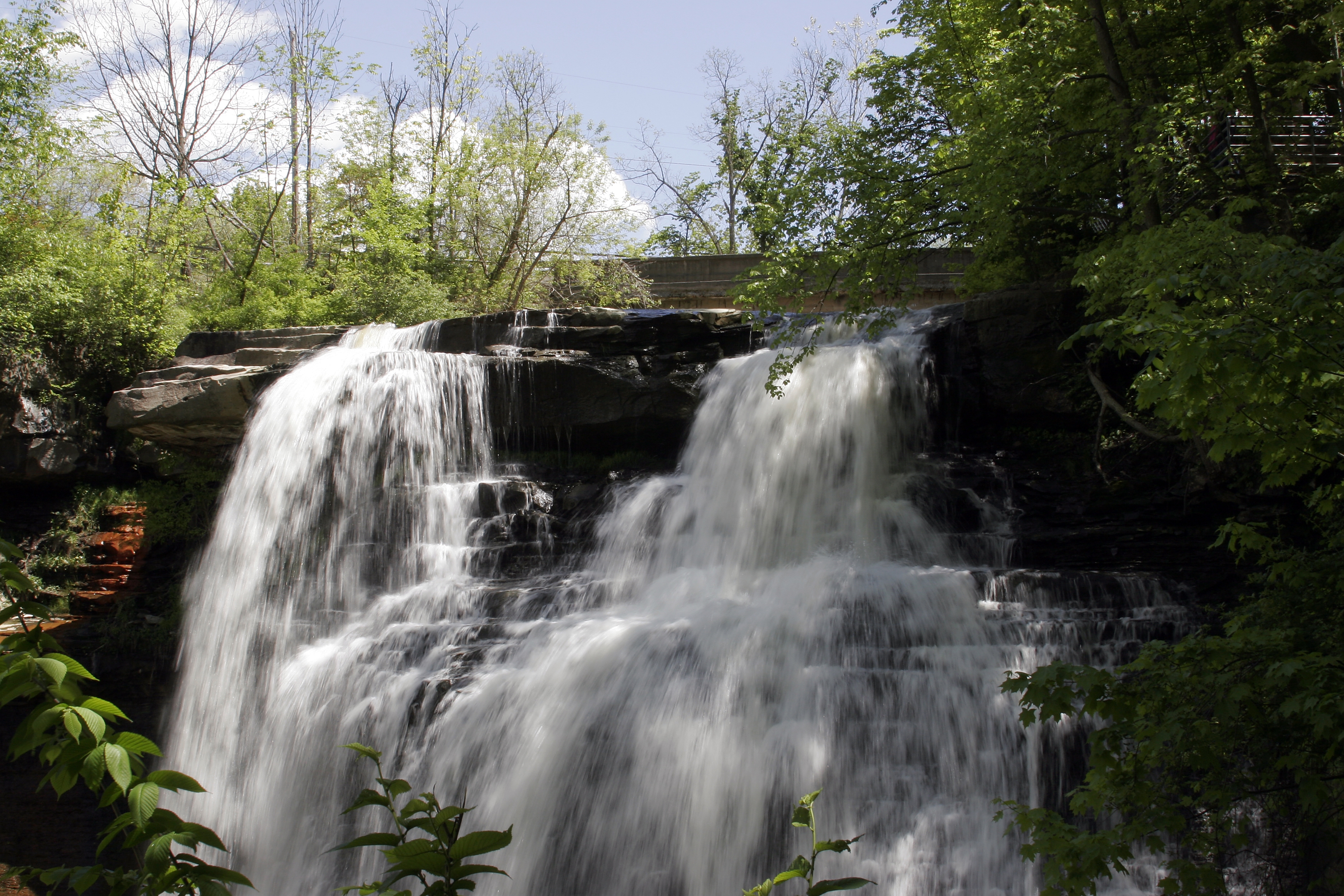
The Fire That Lasted Less Than Half an Hour
A river fire smaller than most house fires, a junkyard beavers finished cleaning on their own, and the last working lock on the Ohio & Erie Canal.
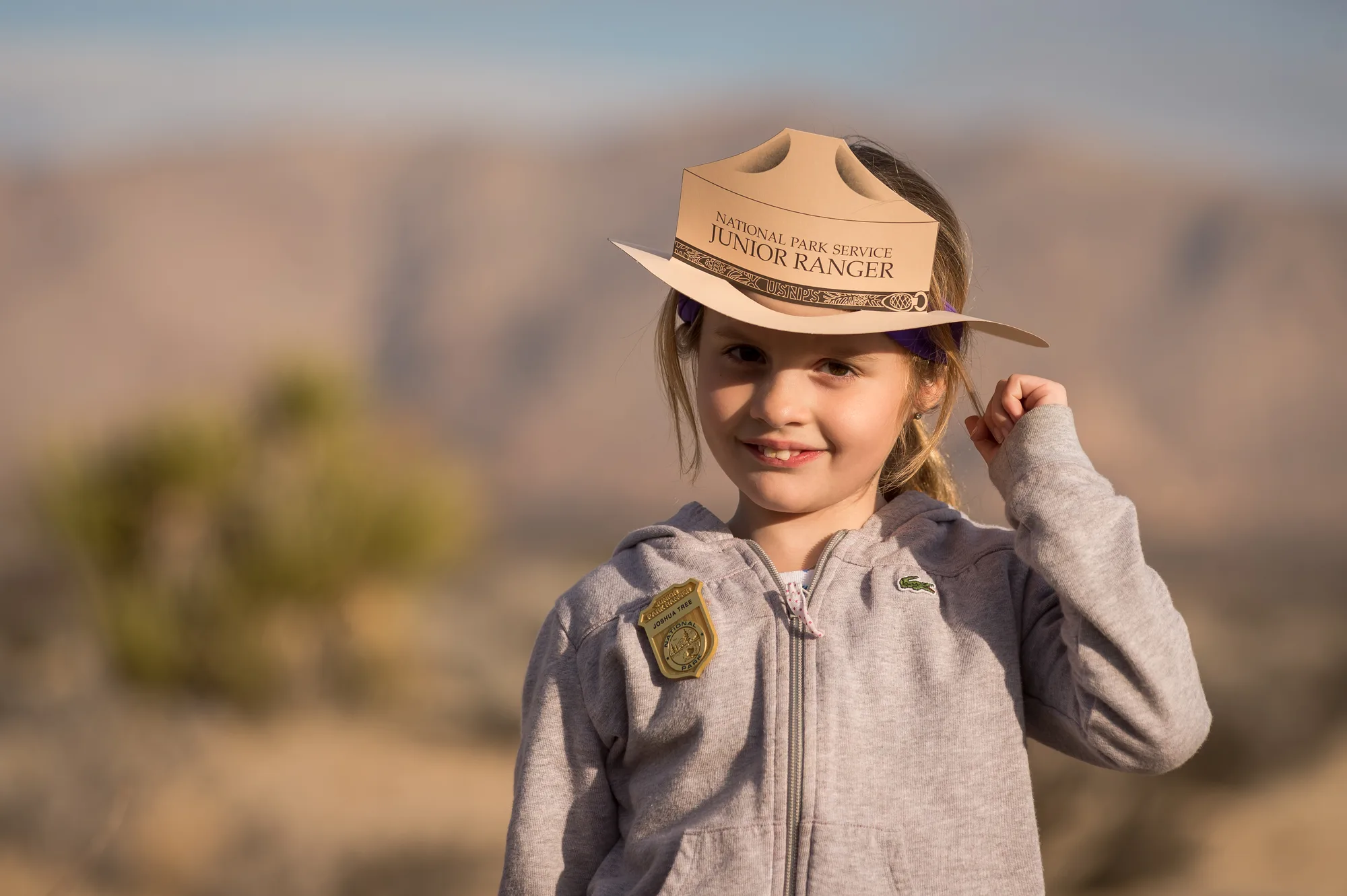
The Tree That Isn't a Tree
A murder pardoned by a mystery novelist, a fault line rearranging the view, and rock shaped by an underground ice cube trick, all inside a park named for a plant that isn't botanically a tree.
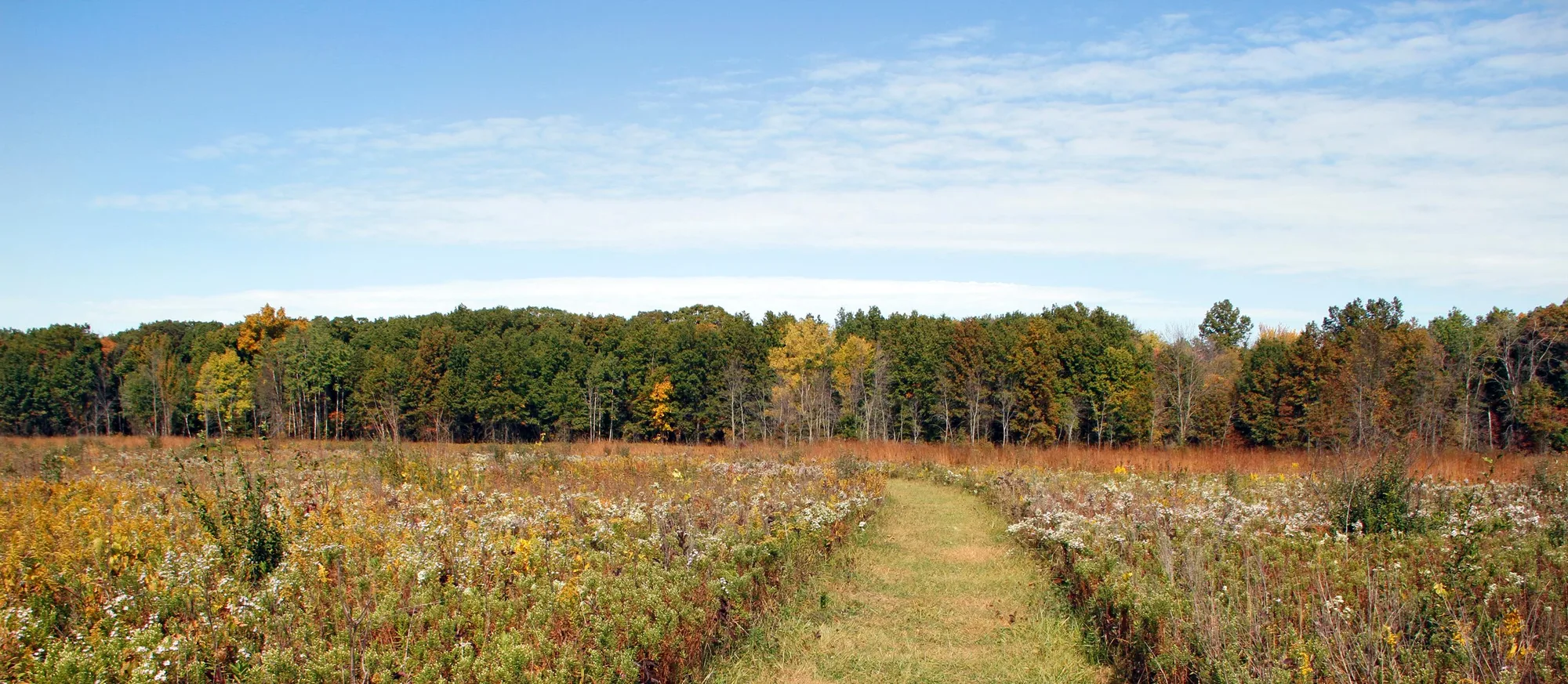
The Mile That Grows a Forest
The trail where modern ecology was born, a fur trader's crossroads, and Chicago World's Fair houses that floated across Lake Michigan to get here.
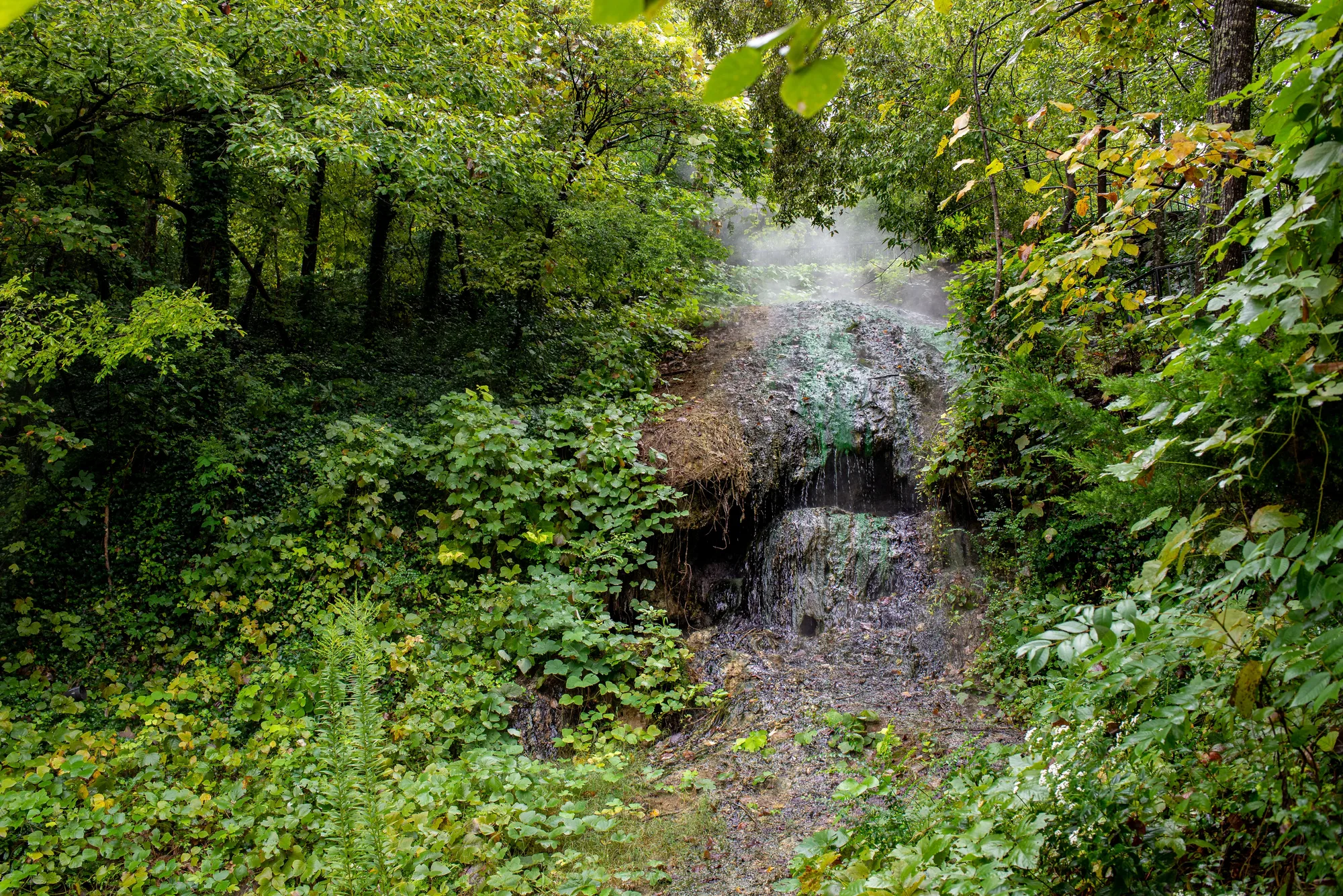
The Park Before the Word Existed
A federal reservation older than Yellowstone, Al Capone's own table at the Southern Club, and water that fell before Rome existed, still surfacing at 143 degrees.
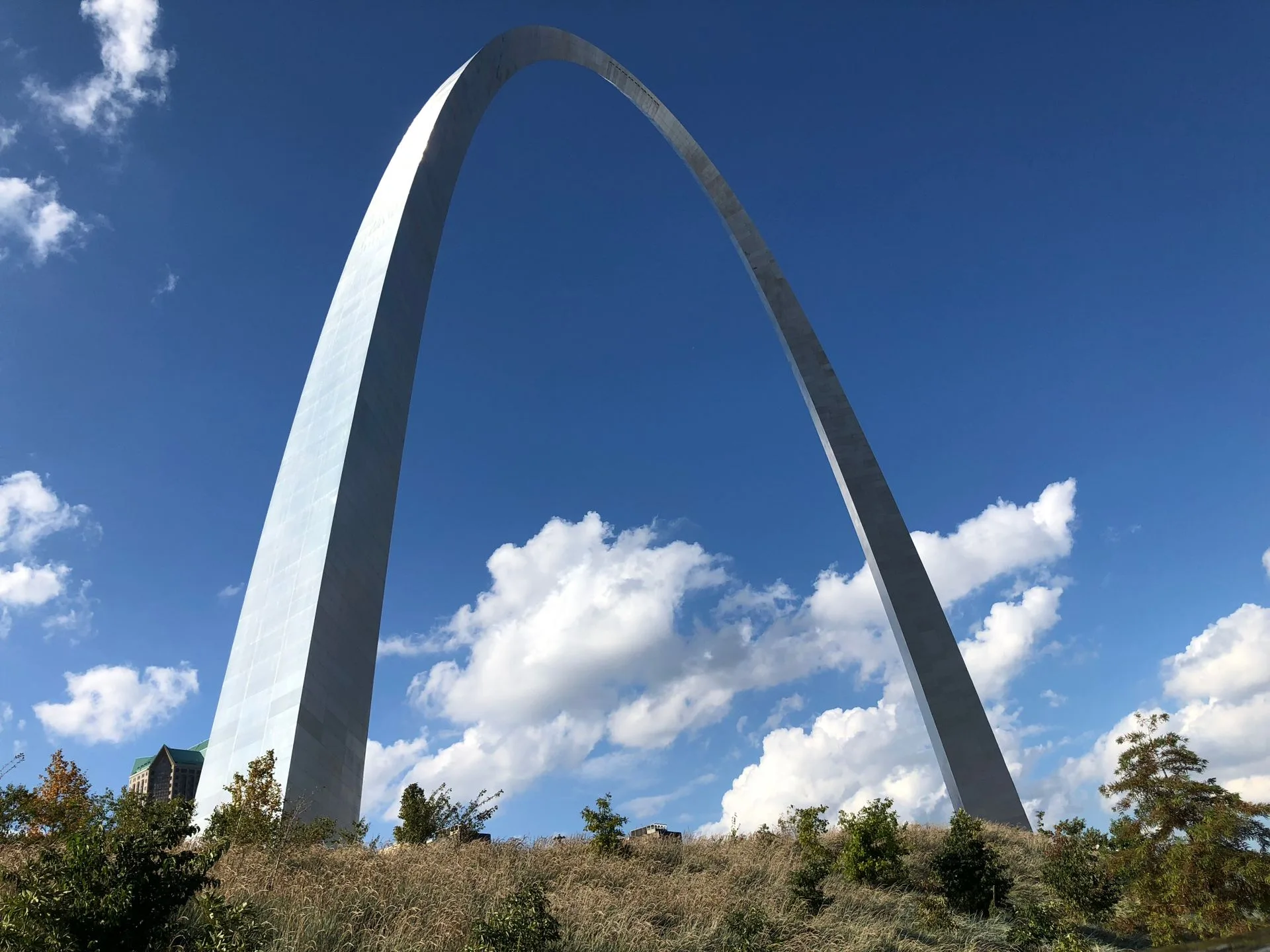
Thirty-Eight Years Old
The Dred Scott trial at the Old Courthouse, a monument with no internal skeleton, and the tram invented in two weeks by a man with no engineering degree.
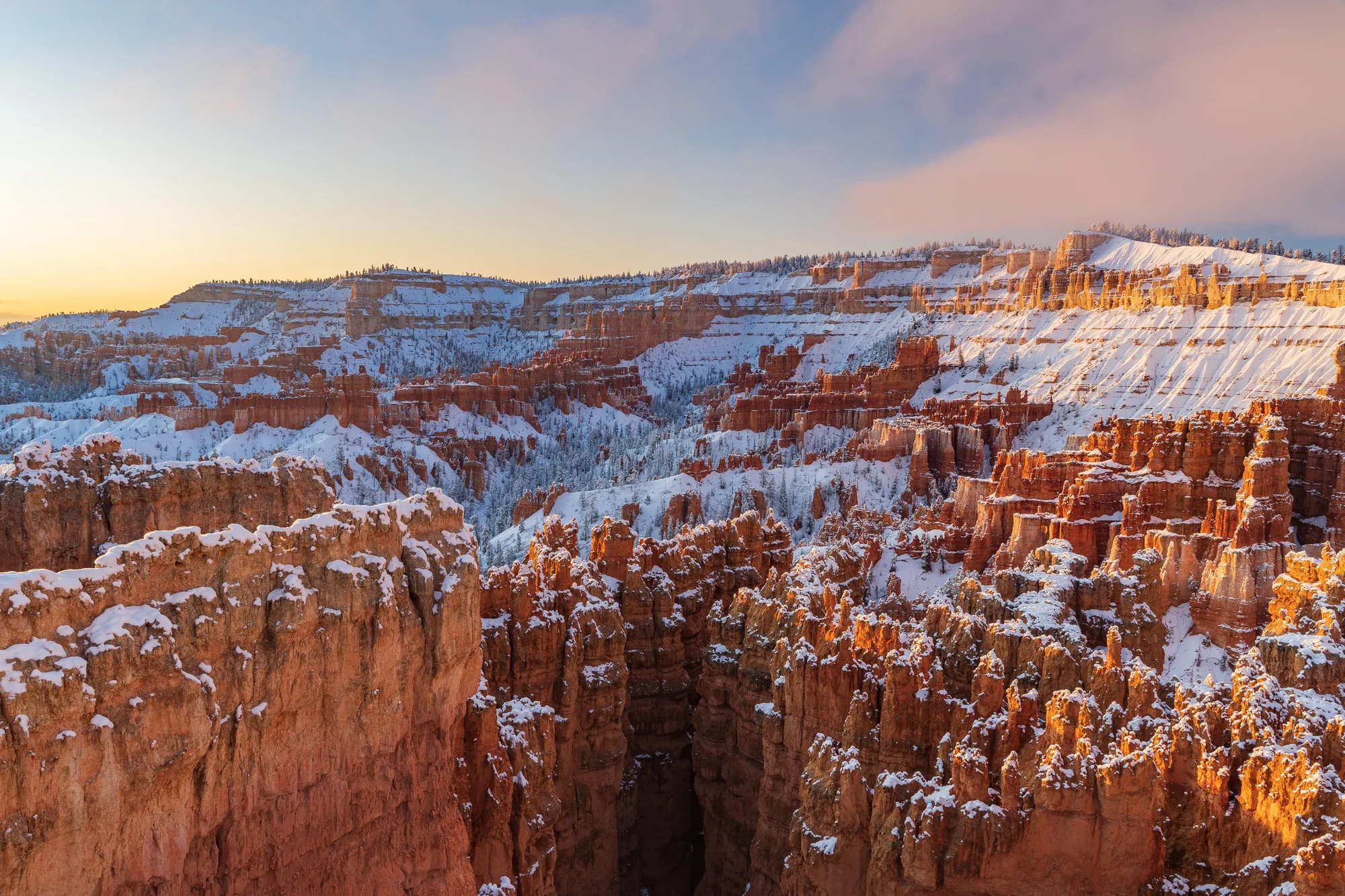
Two Million, Depending How You Count
Hoodoos that are still mid-collapse, a Paiute name that got the place right before English did, a lodge built by a railroad, and a visitor count that depends entirely on how you ask.
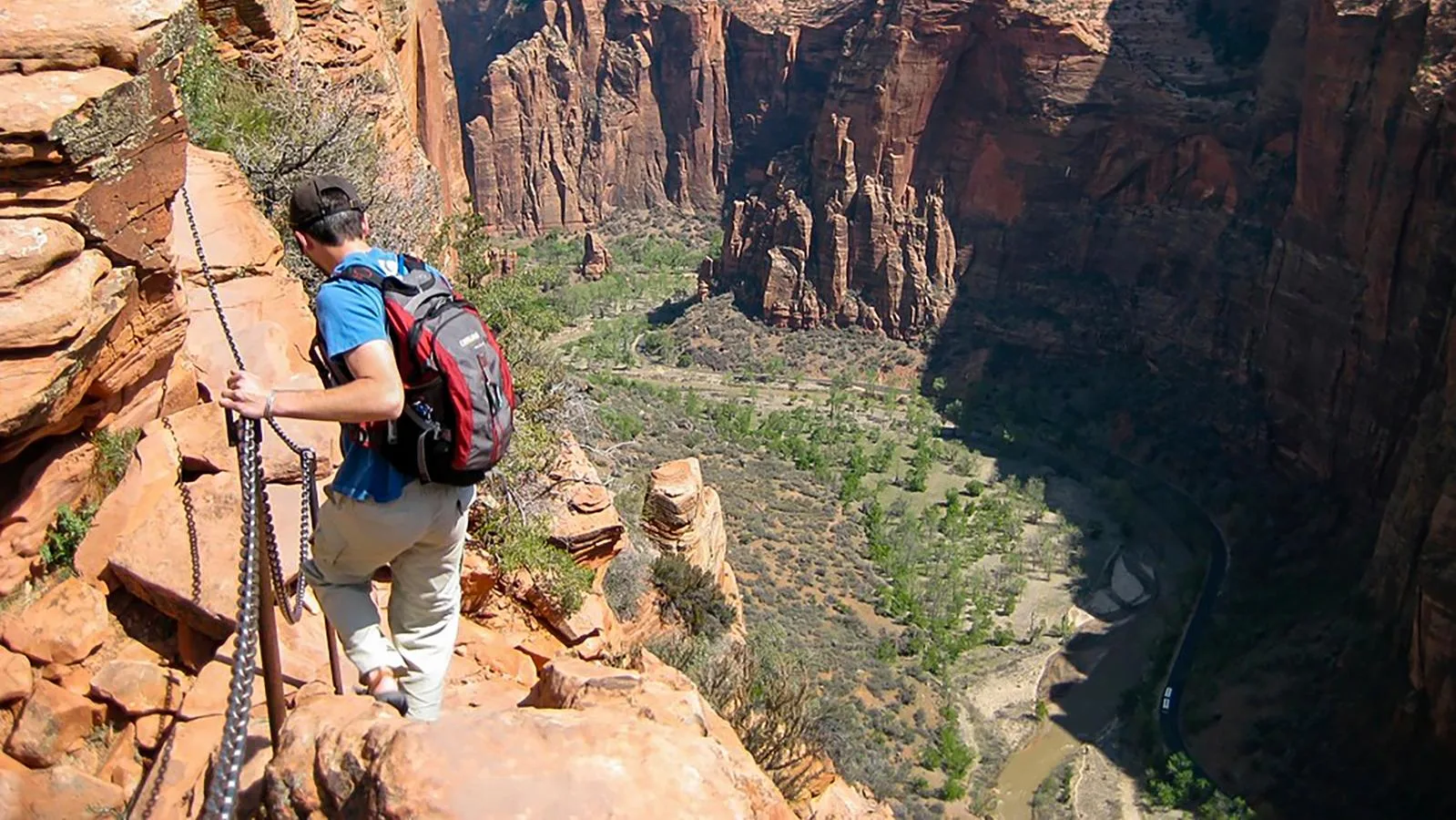
The Mighty Five, and Six States That Followed
Utah turned five national parks into one road trip back in 2013 and never looked back. Six more states have the exact same math sitting in their own borders and, weirdly, nobody's told them yet.
Why the "New" River Is One of the Oldest on Earth
New River Gorge became a national park in 2020, but the river itself has held roughly the same course for at least 65 million years. How a brand-new park sits on some of the oldest ground in America.
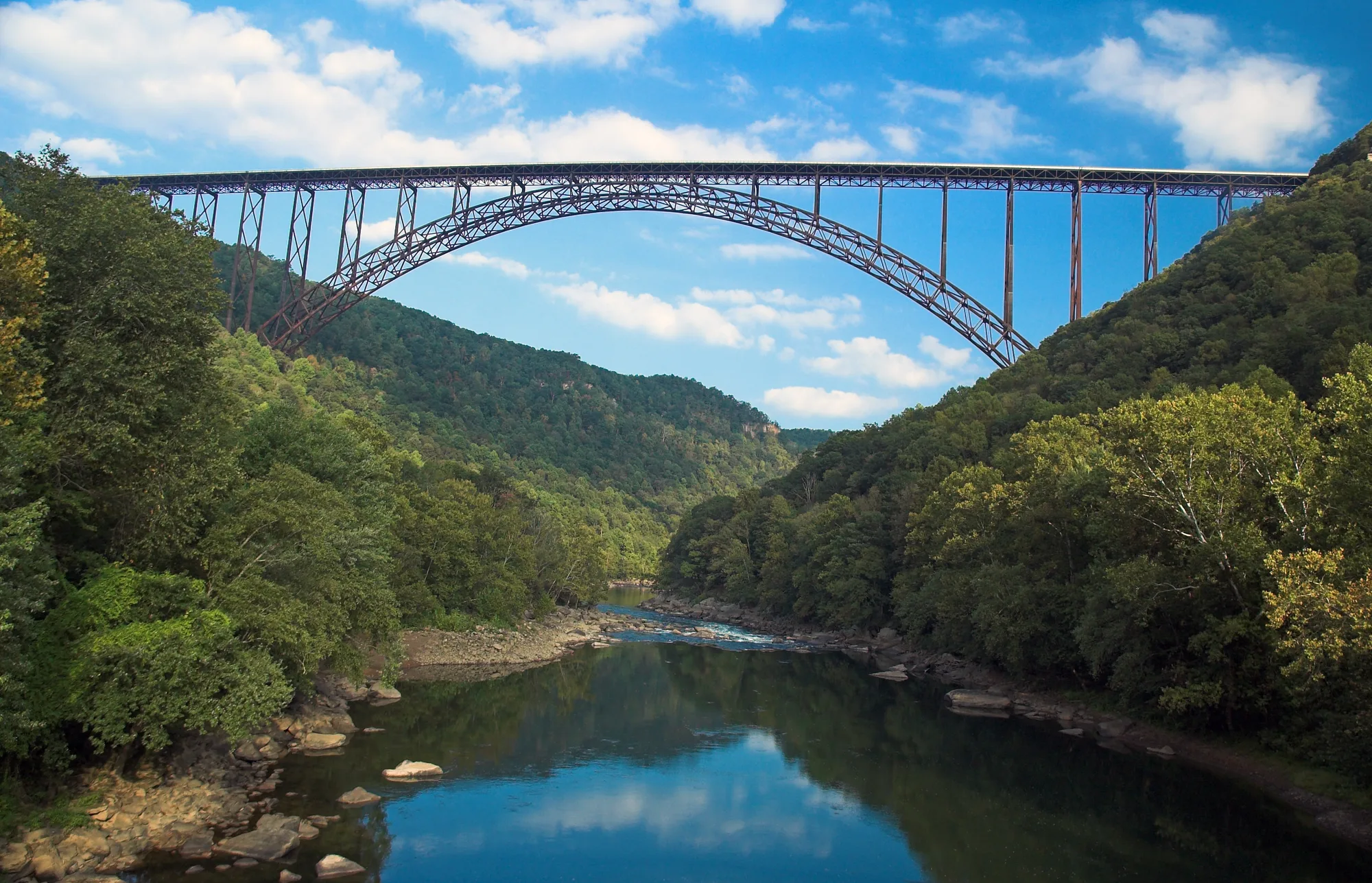
How Forty-Five Minutes Became Forty-Five Seconds
Before 1977, crossing the gorge meant a 45-minute switchback drive. One steel arch turned it into a 45-second crossing, then became the site of the world's largest legal BASE jumping event, one day a year.
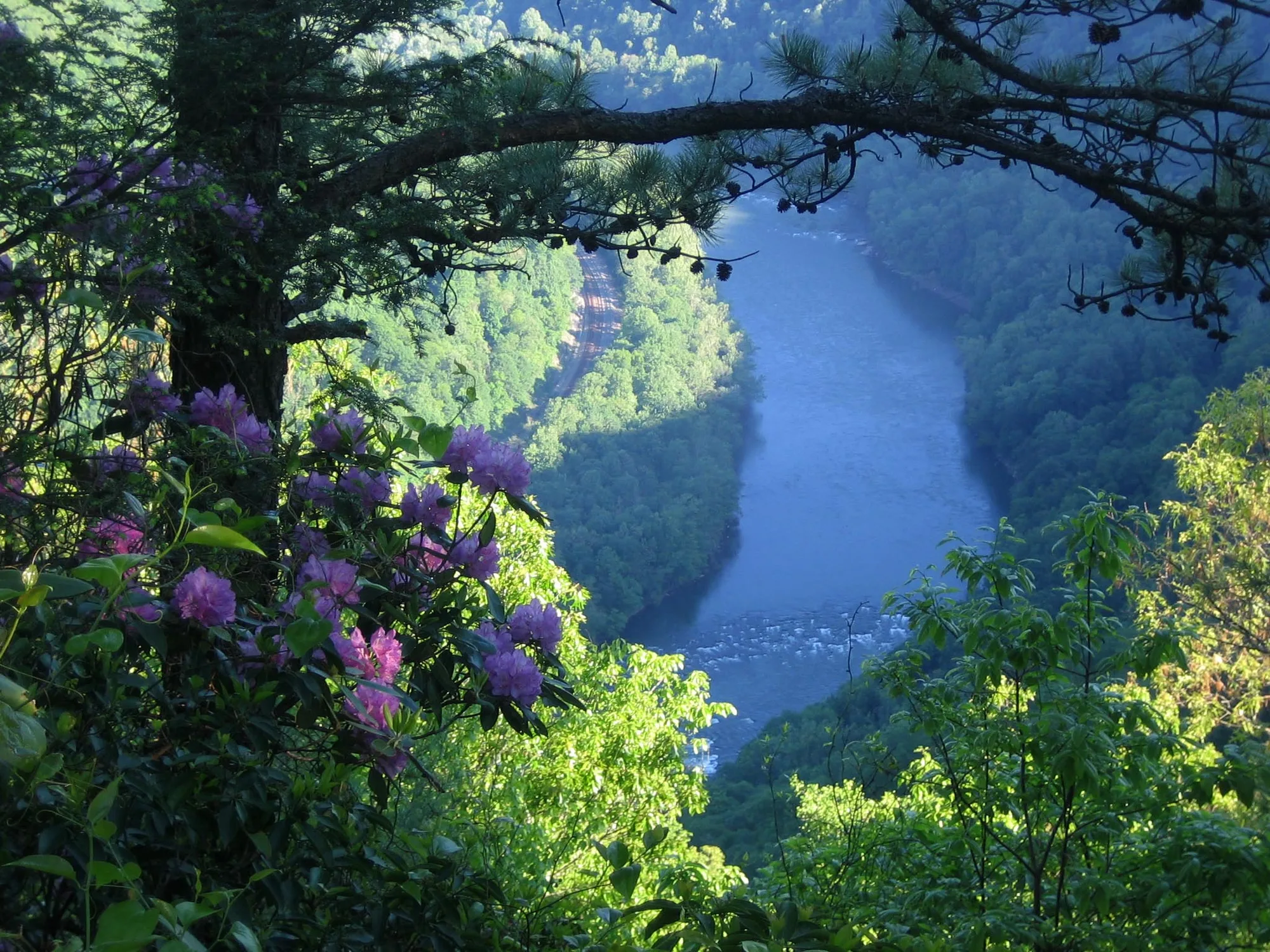
The Coal Towns the Gorge Swallowed
Thurmond had 462 residents in 1930 and five in the 2020 census. Nuttallburg's mine was leased by Henry Ford in the 1920s. What's left of both sits inside the park today.
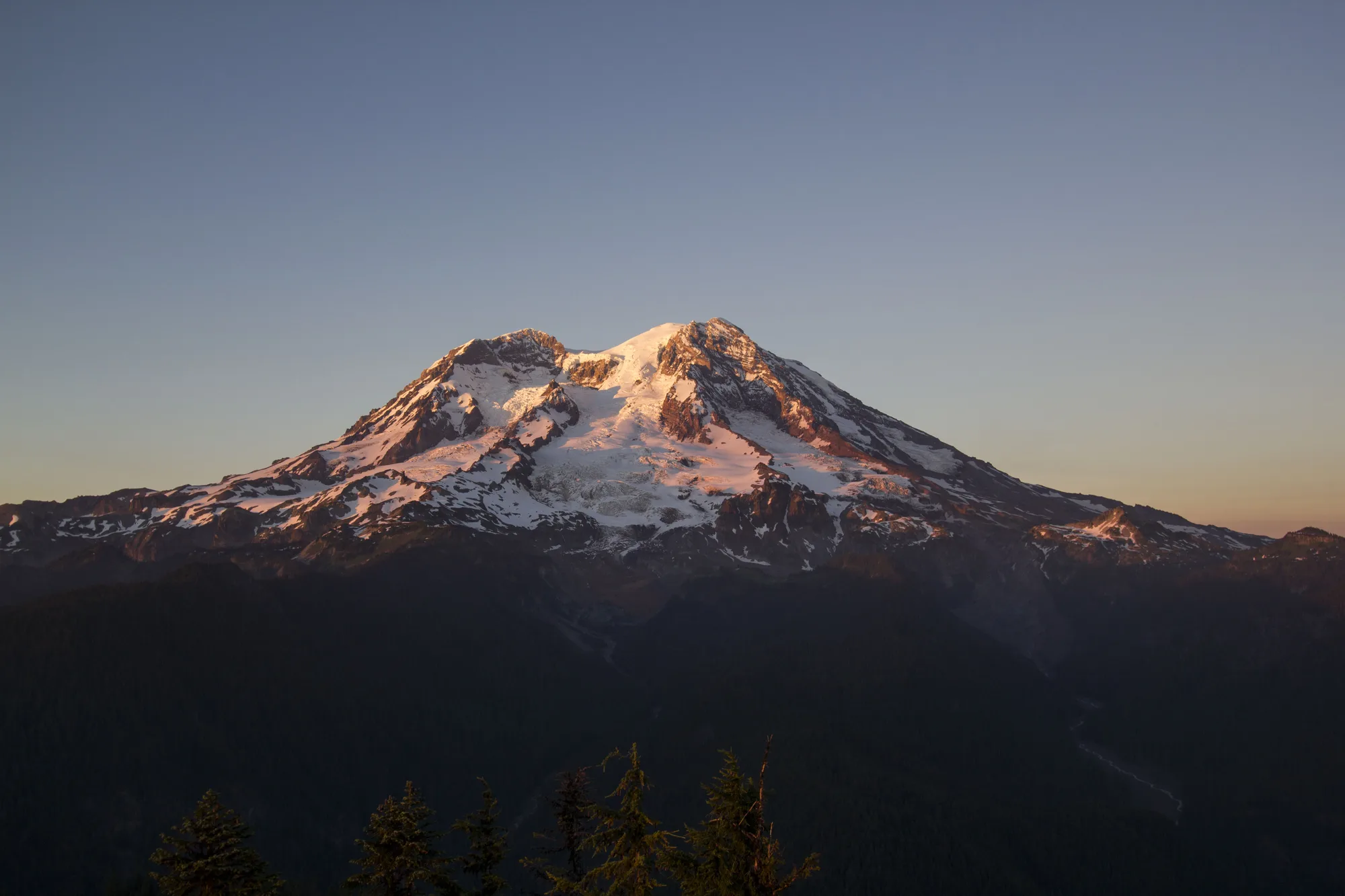
The Most Dangerous Volcano You've Ever Hiked On
Mount Rainier is a Decade Volcano with 80,000 people living in its lahar path. The ancient mudflow that reached Seattle, and the warning system built to answer it.
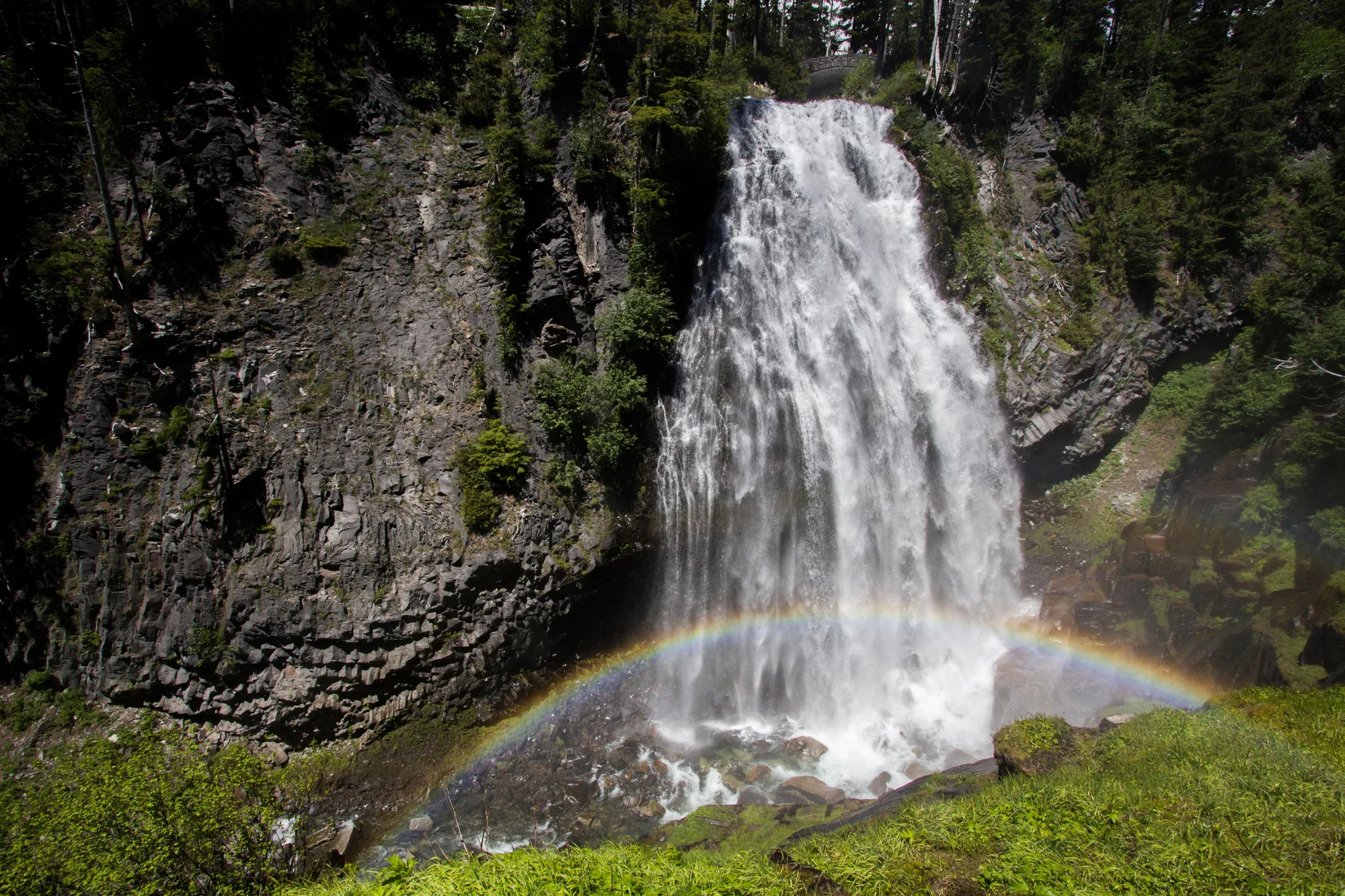
The Meadow Named Paradise That Buried Itself in Snow
A woman named it Paradise for its wildflowers in 1885. In the winter of 1971-72, the same meadow buried itself under 93.5 feet of snow, a world record that stood for 27 years.
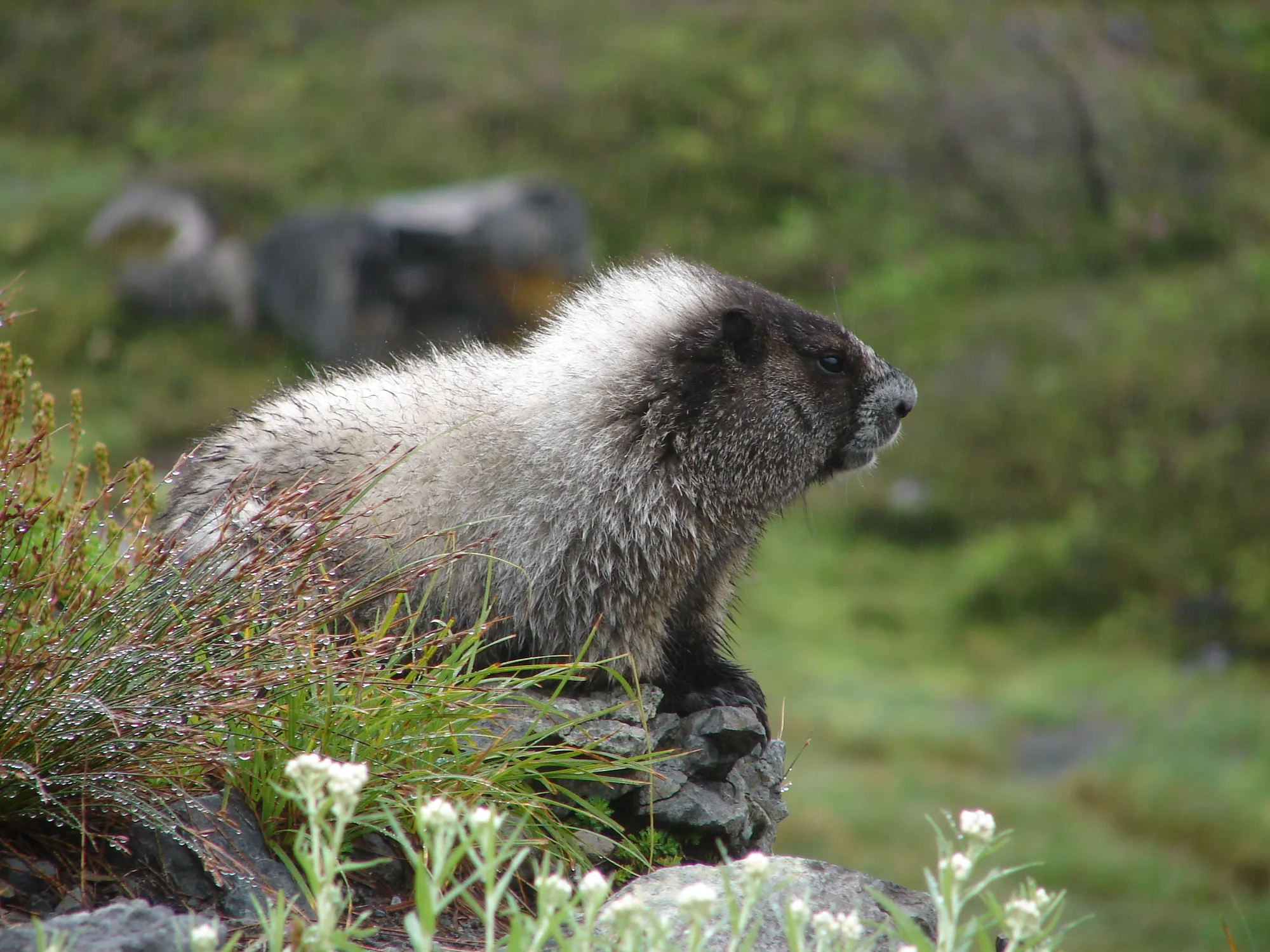
The Glacier That Grew From Its Own Landslide
Mount Rainier carries more glacier ice than any other peak in the Lower 48. Meet the largest, the lowest, and the one that grew after a rockslide buried it in rubble.
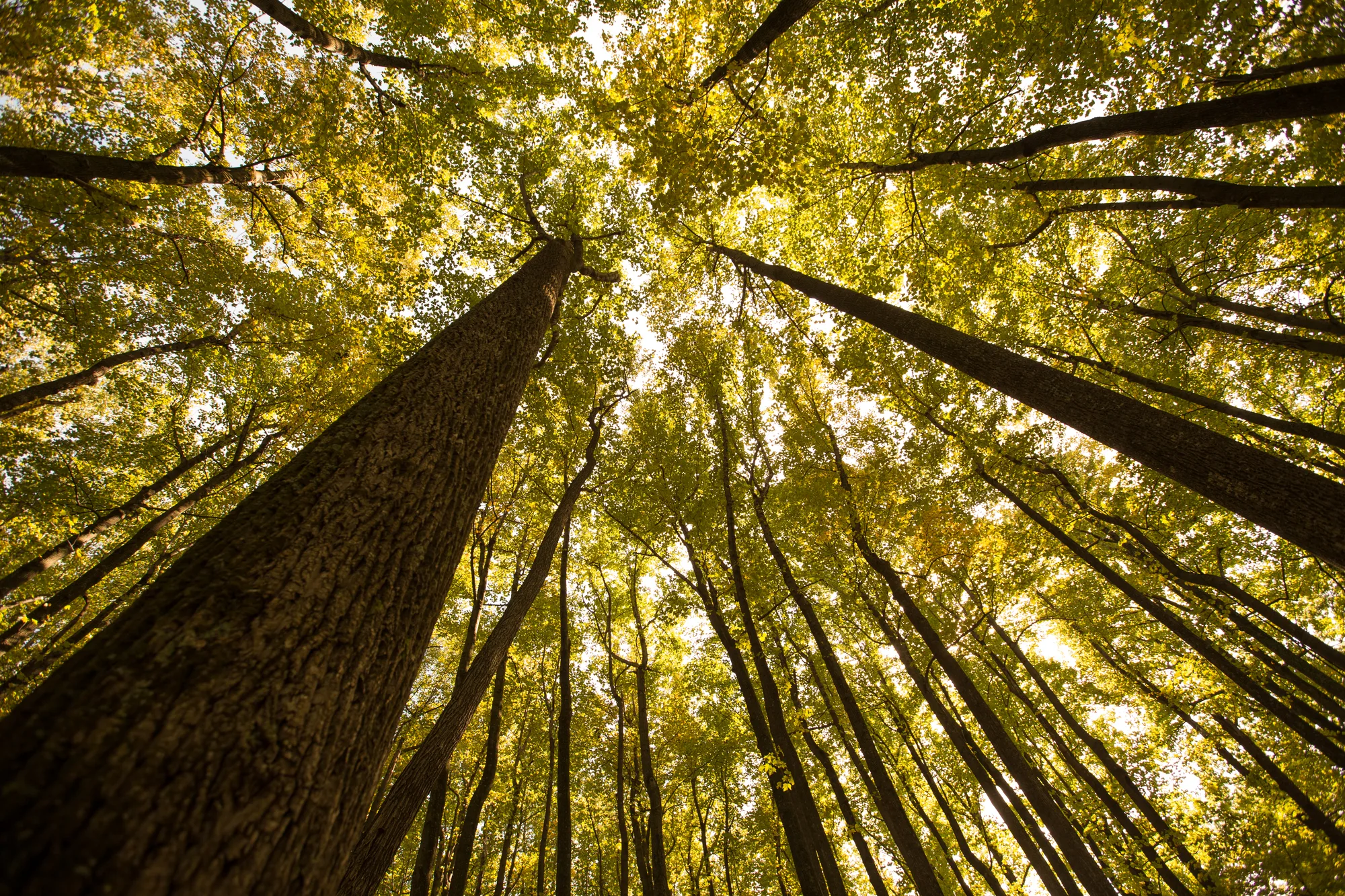
The Park Built by Emptying the Mountains First
Shenandoah National Park didn't open onto empty wilderness. Over 5,000 land parcels and hundreds of mountain families had to leave first. Here's that history.
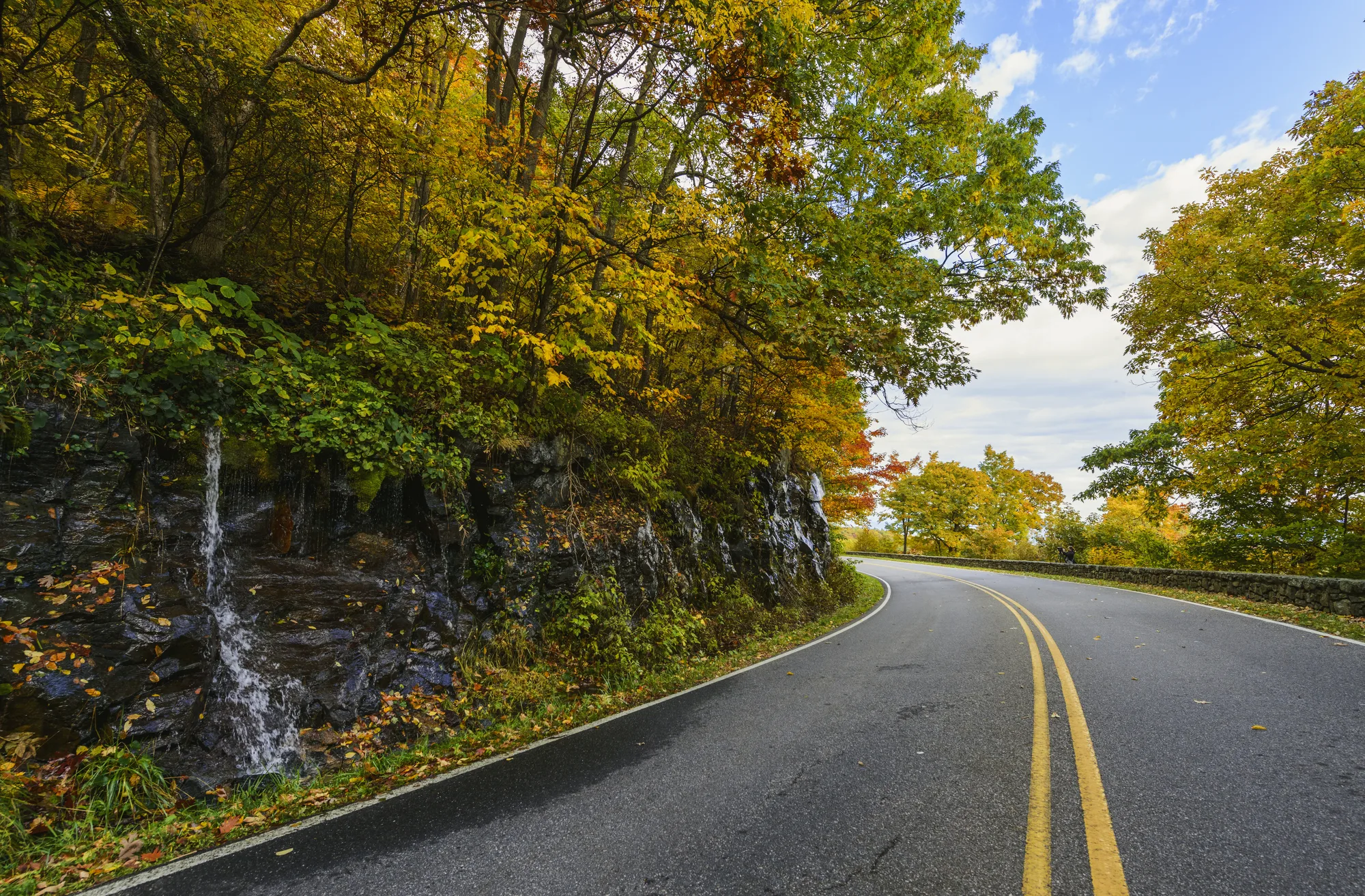
One Hundred Five Miles, Built With Shovels
Skyline Drive took eight years, cost triple its original estimate, and was built largely by Depression-era relief workers with shovels. The full construction story.
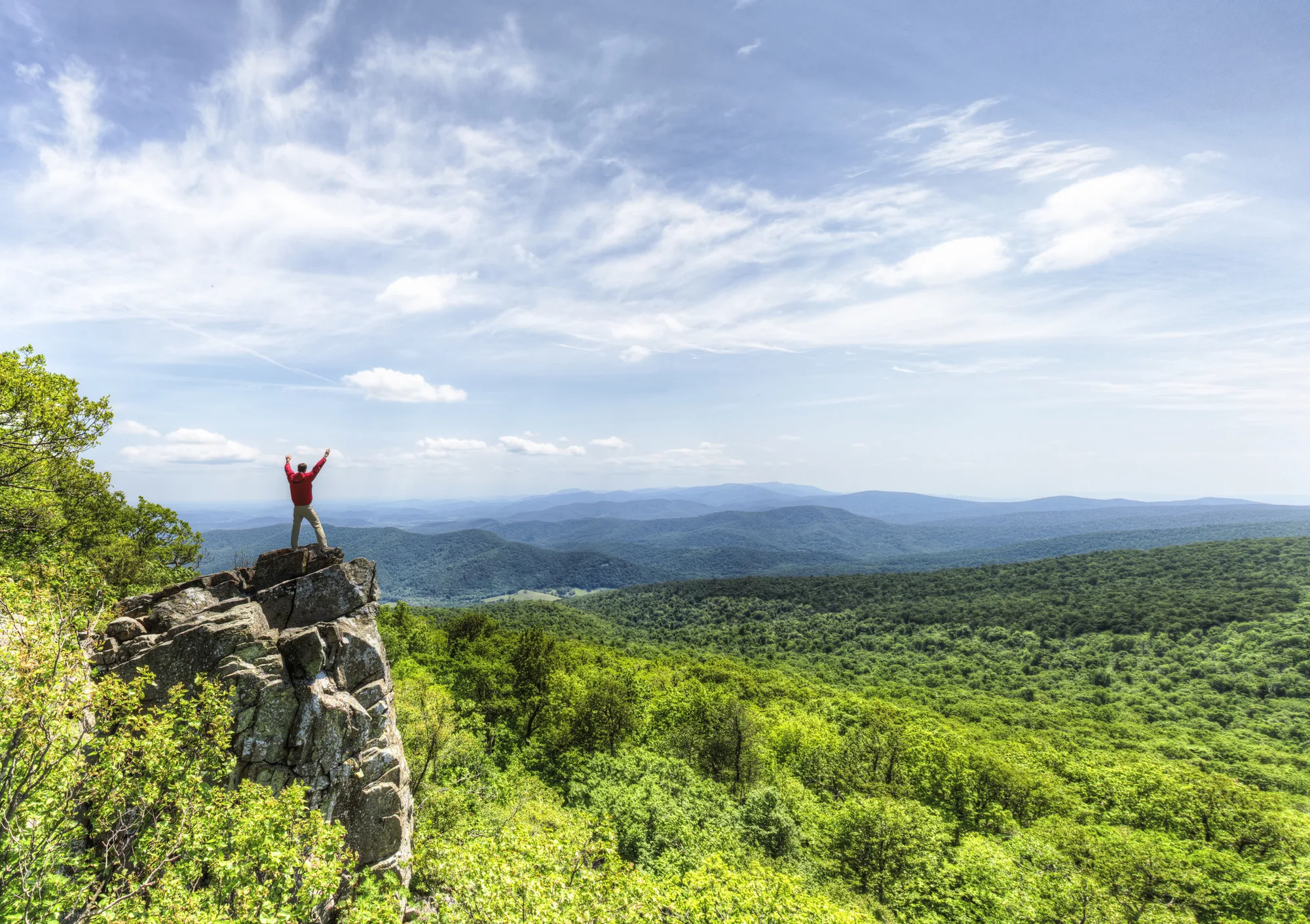
The Hike That Got Too Popular for Its Trailhead
Old Rag's rock scramble got so crowded the Park Service started requiring day-use tickets in 2022. What changed, and how to plan around it.
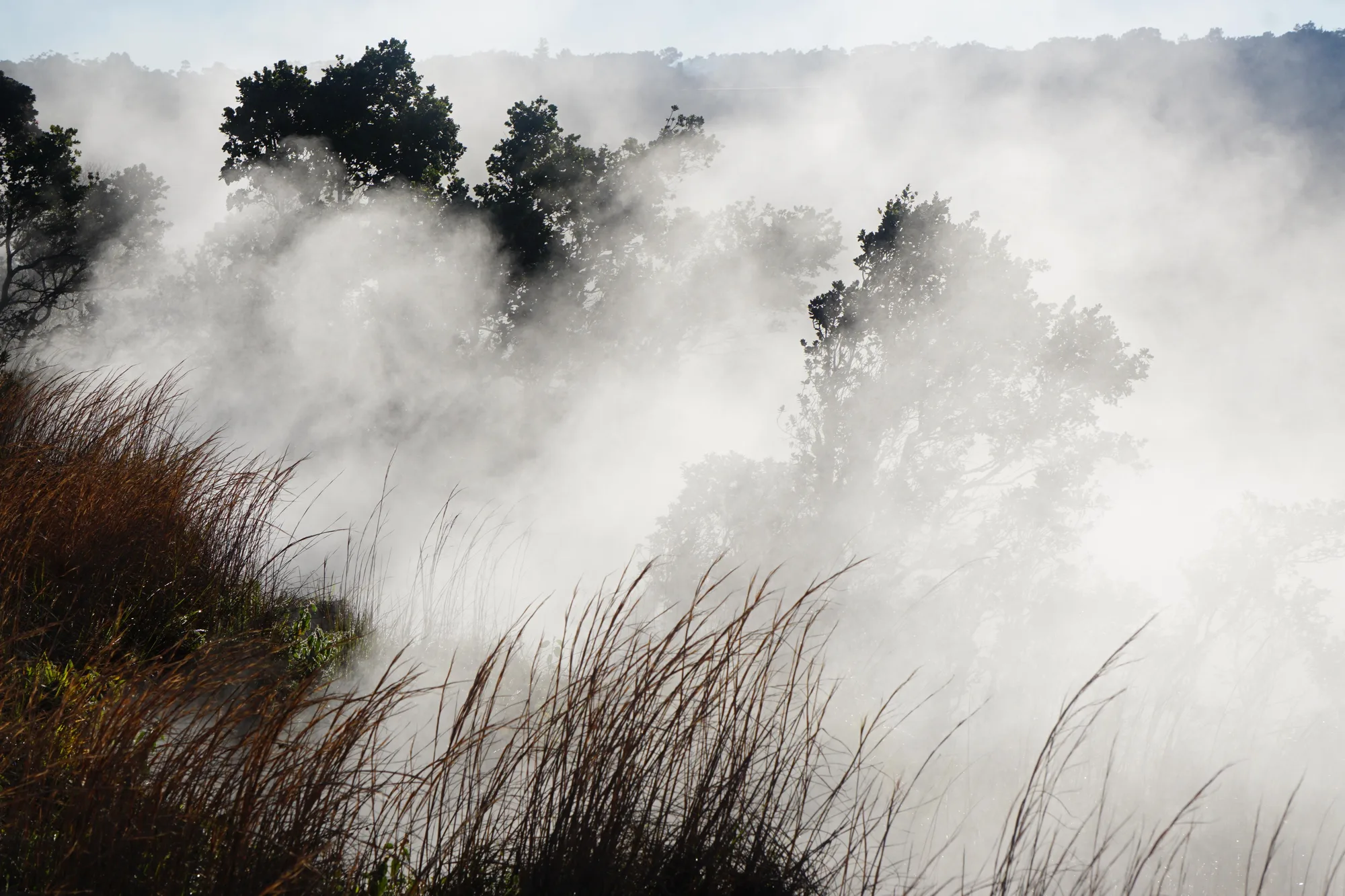
The Lake That Took Thirty Years to Stop Being Lava
In 1959, Kilauea Iki was a 414-foot-deep lake of molten lava with fountains taller than the Empire State Building. Today you can walk across it.
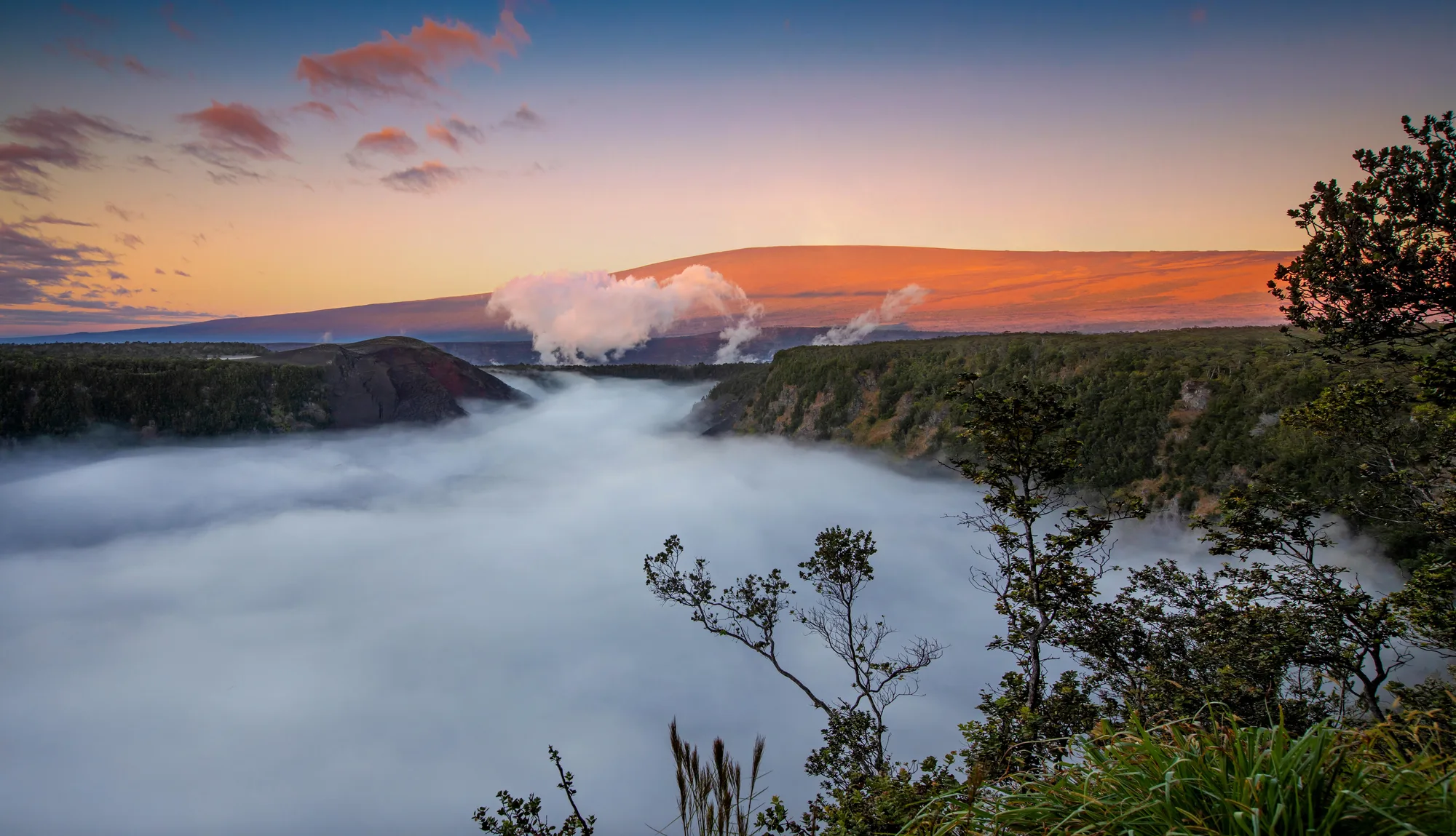
The Summer the Summit Fell Into Itself
In summer 2018, Kilauea's summit crater collapsed 62 times in ten weeks and grew to nearly double its old size. In Hawaiian tradition, it's Pele's home.
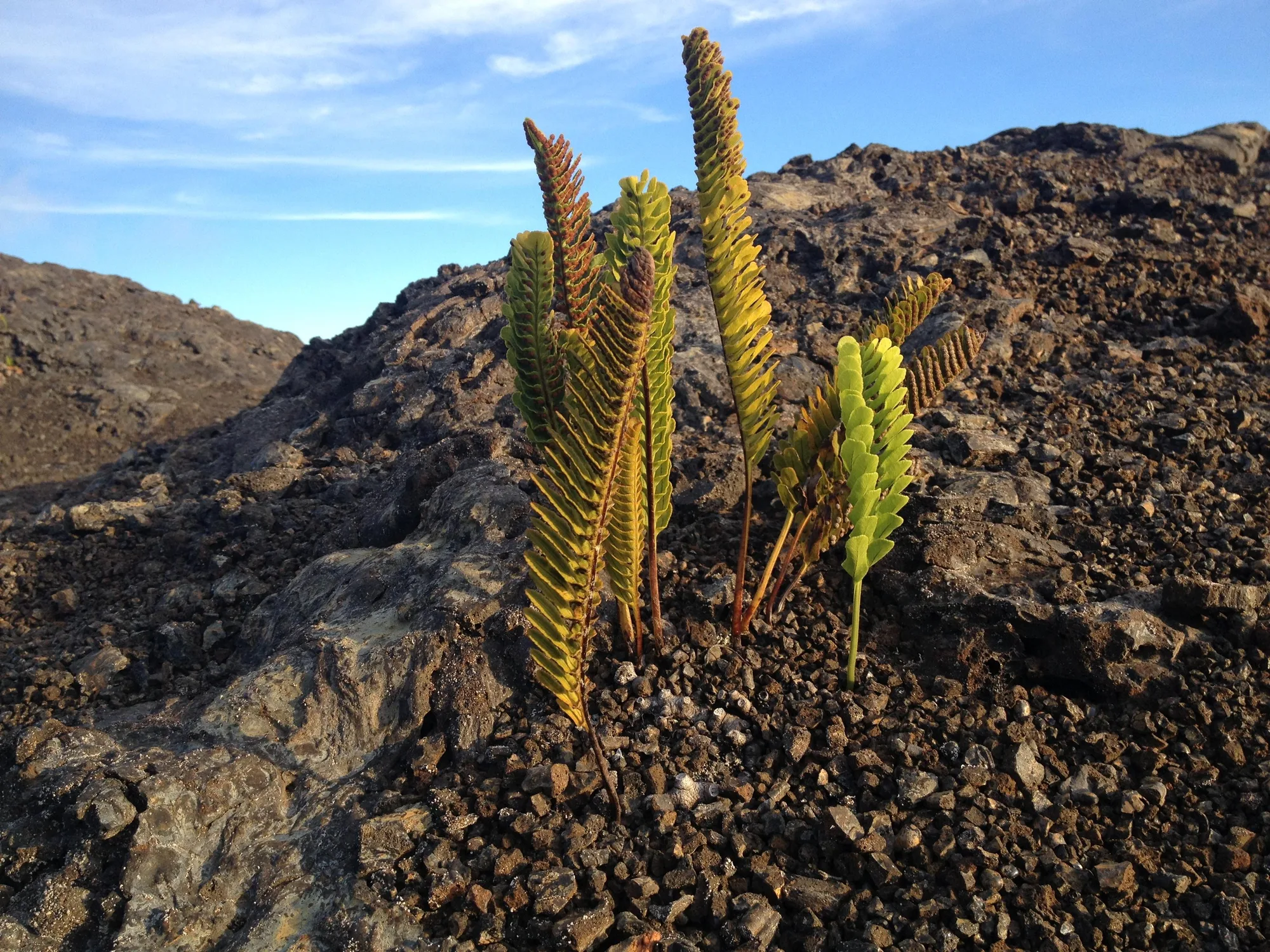
Thirty-Eight Years of Quiet, Then Nineteen Days of Fire
Mauna Loa is the largest active volcano on Earth, and it stayed quiet for 38 years. Then in November 2022, it erupted for the first time since 1984.
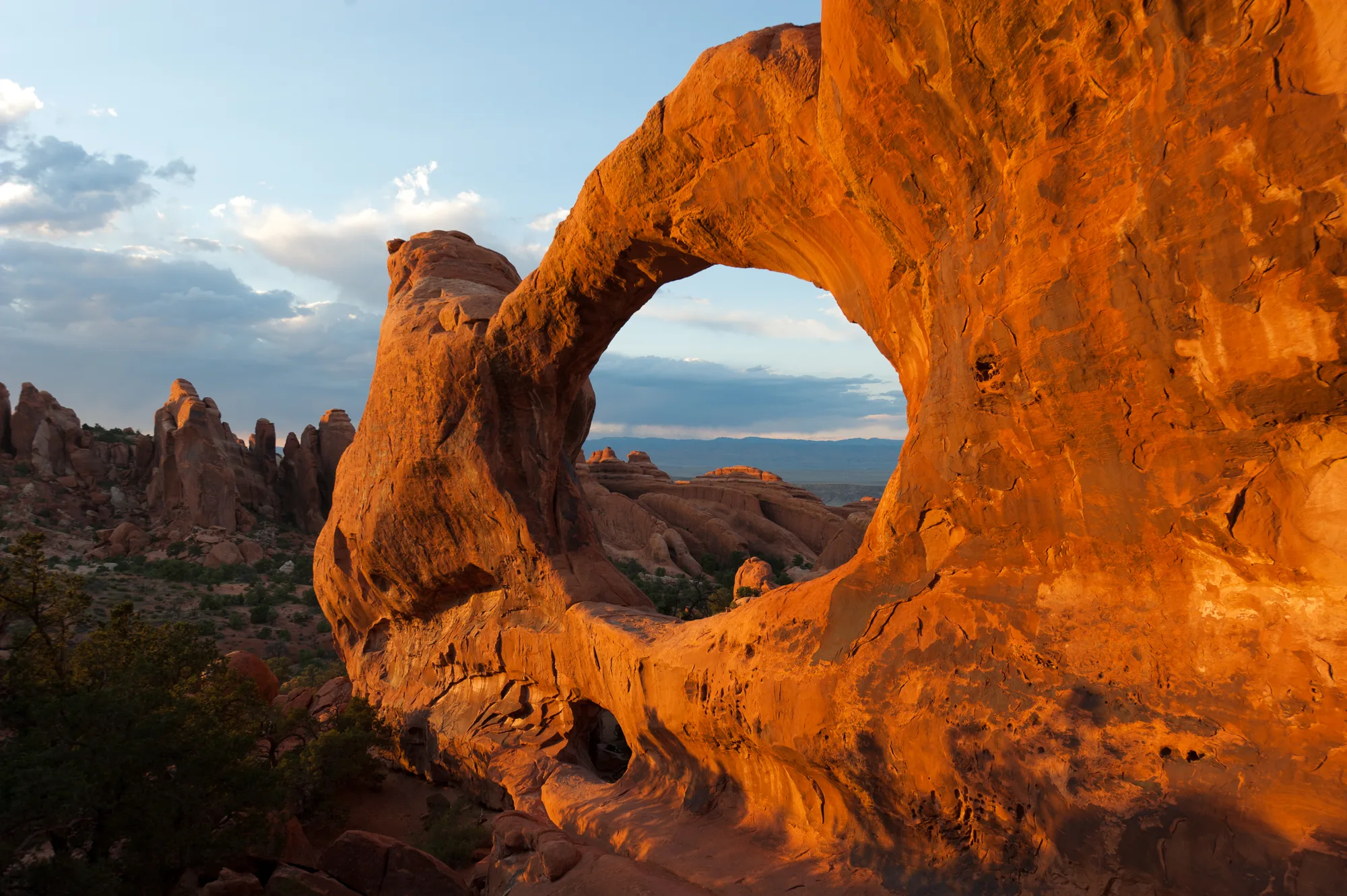
The Rock the Cowboys Named Wrong
Cowboys called it the Schoolmarm's Bloomers. Today it's on the license plate. The naming history and hiking facts behind Arches' most famous arch.
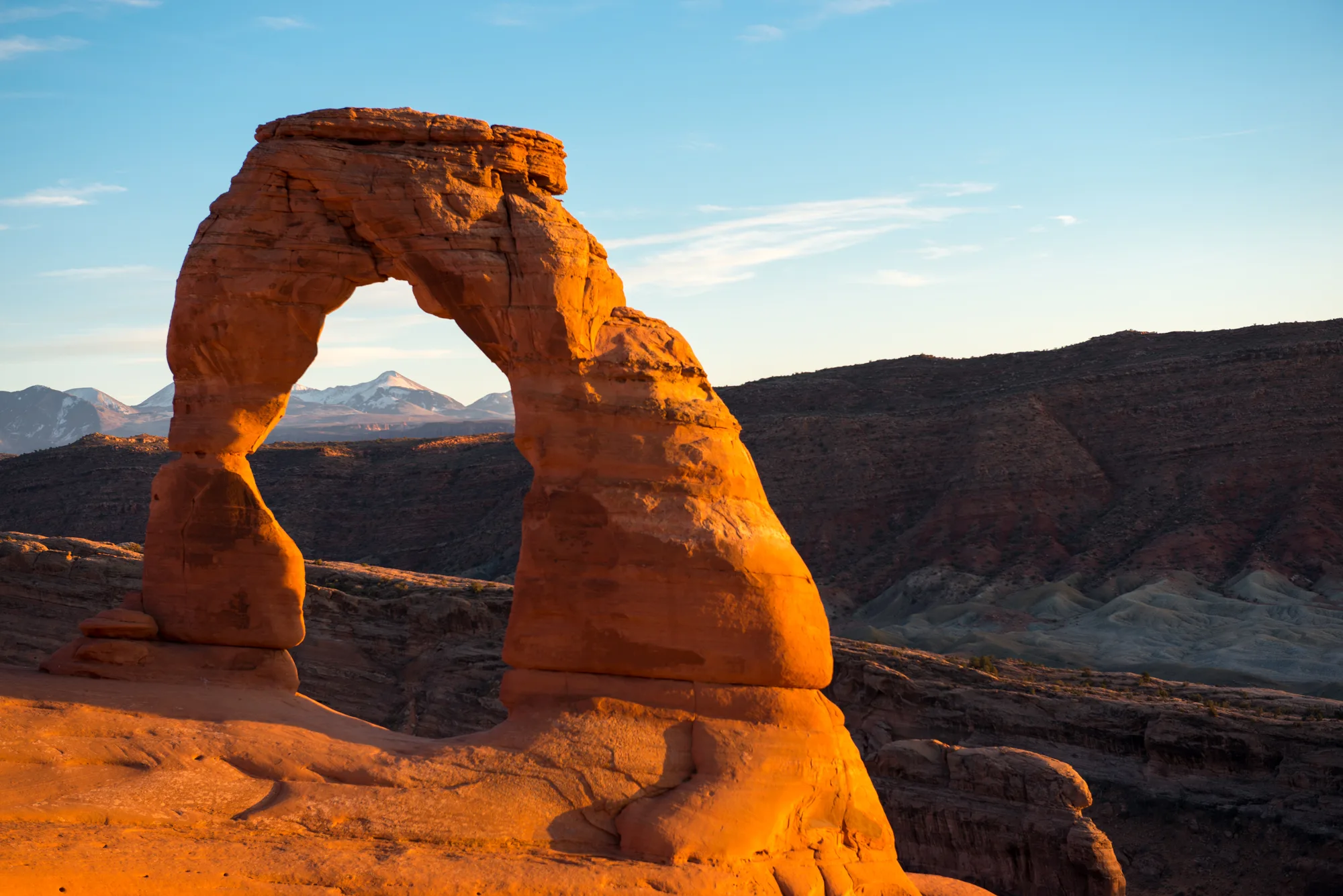
The Longest Arch Is Also the Thinnest
Landscape Arch spans 290 feet and narrows to just 18. In 1991, visitors watched a slab fall from it in real time, and the trail beneath has been closed since.
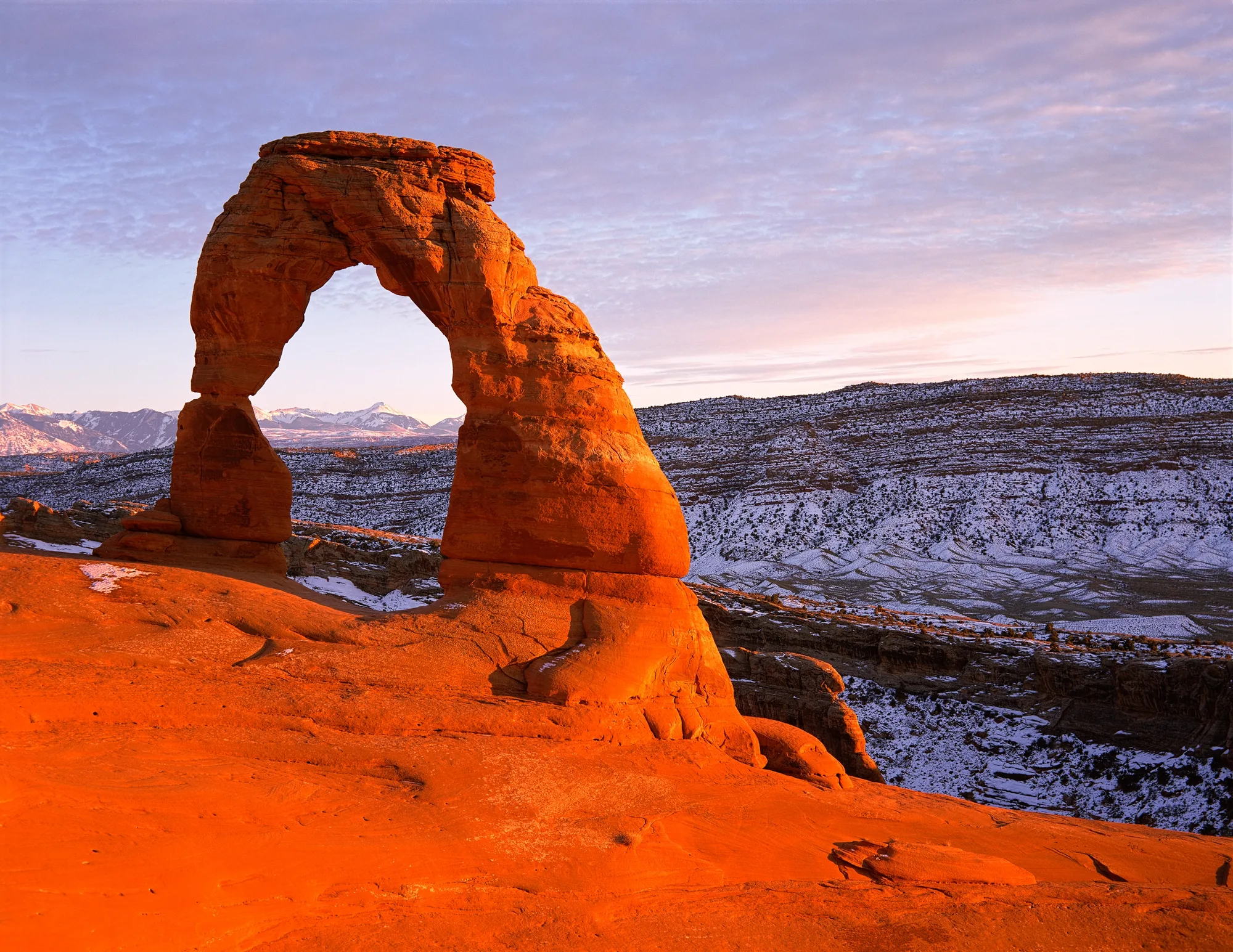
The Boulder Standing on Borrowed Time
Balanced Rock's boulder weighs 3,600 tons. Its smaller twin already collapsed in 1975. The National Park Service says this one will too.
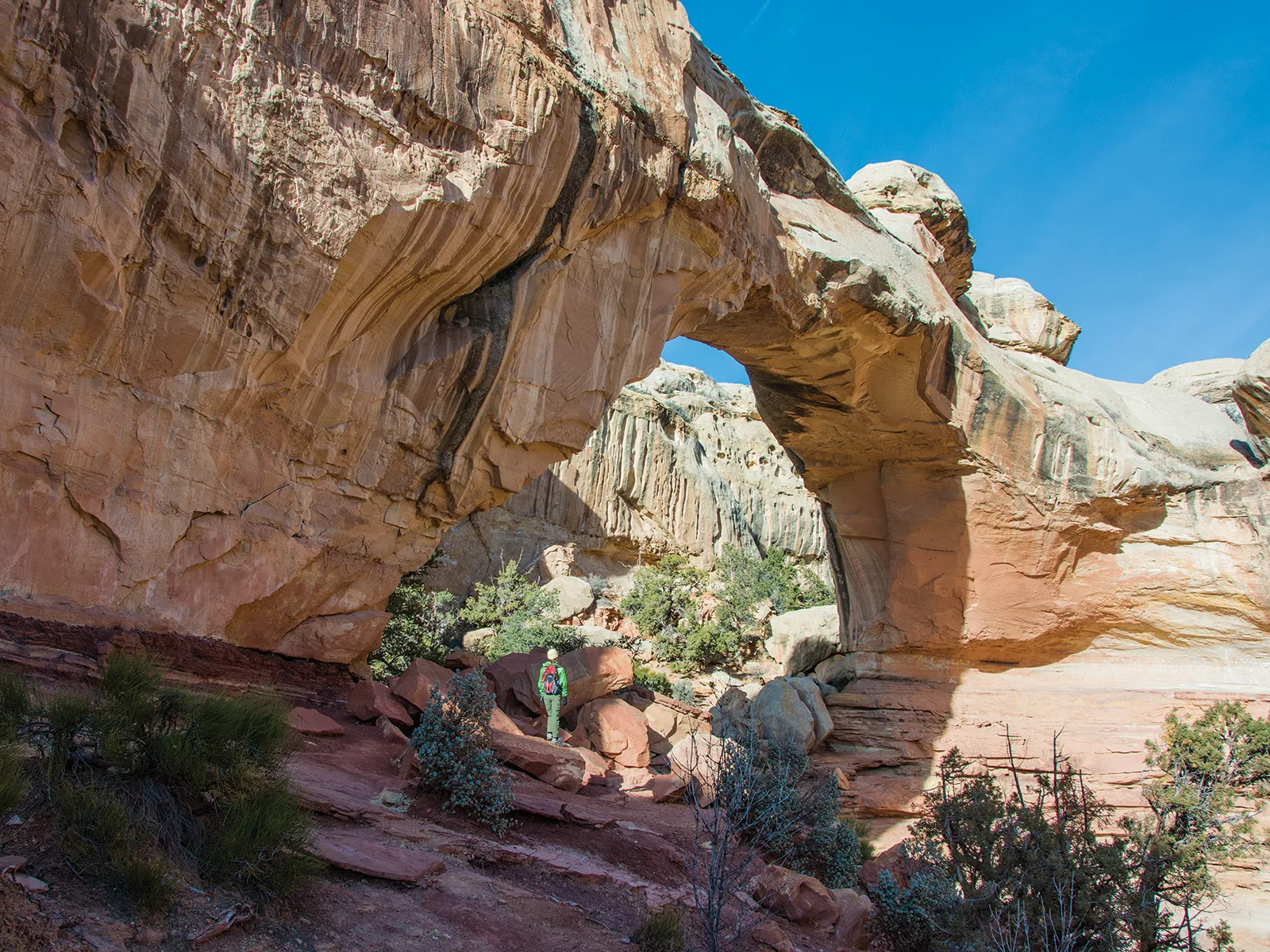
Four Days After the Dedication
Joseph Hickman pushed the bill that protected this bridge, then drowned four days after its dedication. The naming history behind Capitol Reef's famous arch.
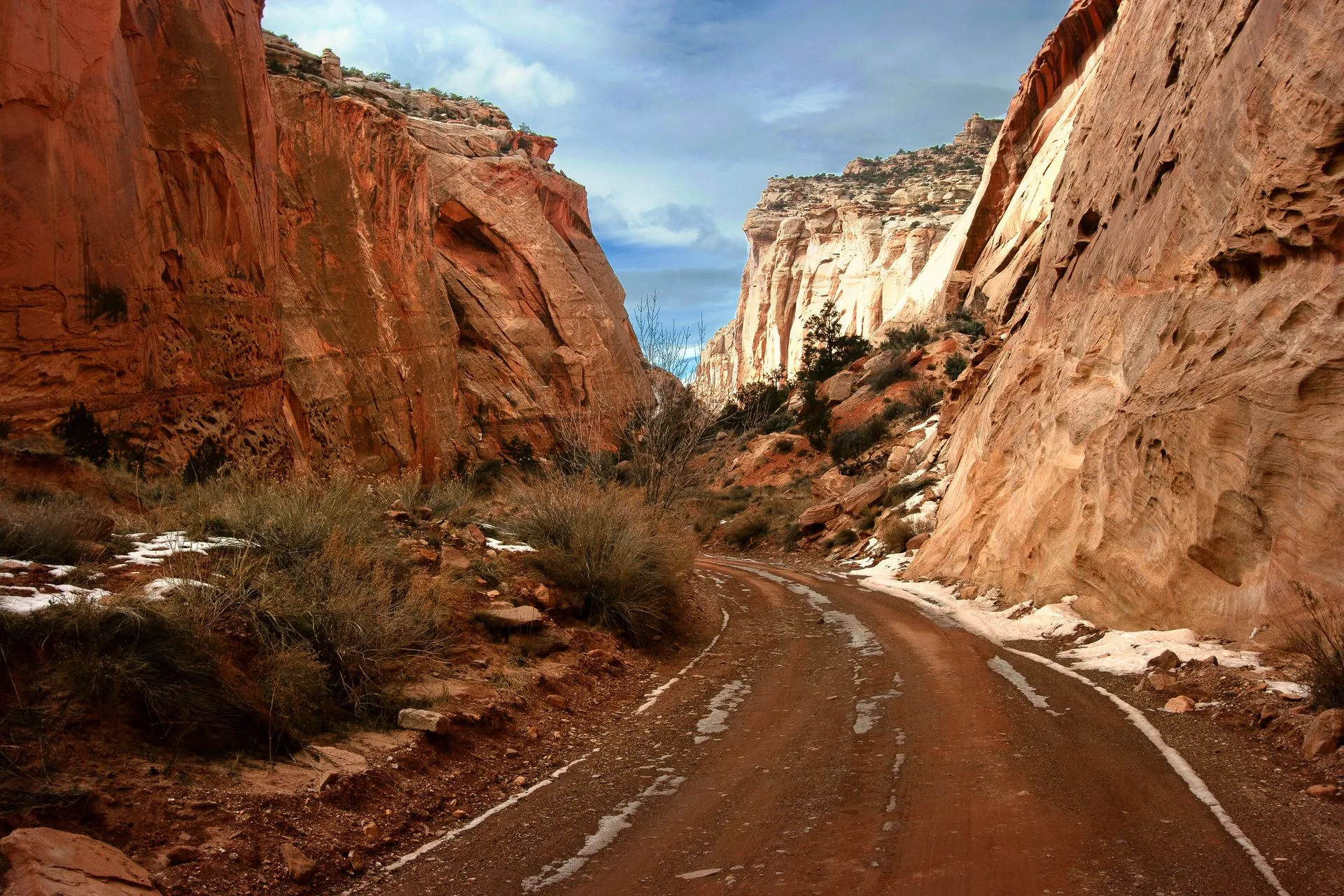
The Road That Named the Park
For 80 years, this narrow canyon was the only way out of Fruita. Pioneers carved their names in the rock, and the water tanks nearby gave the park its name.
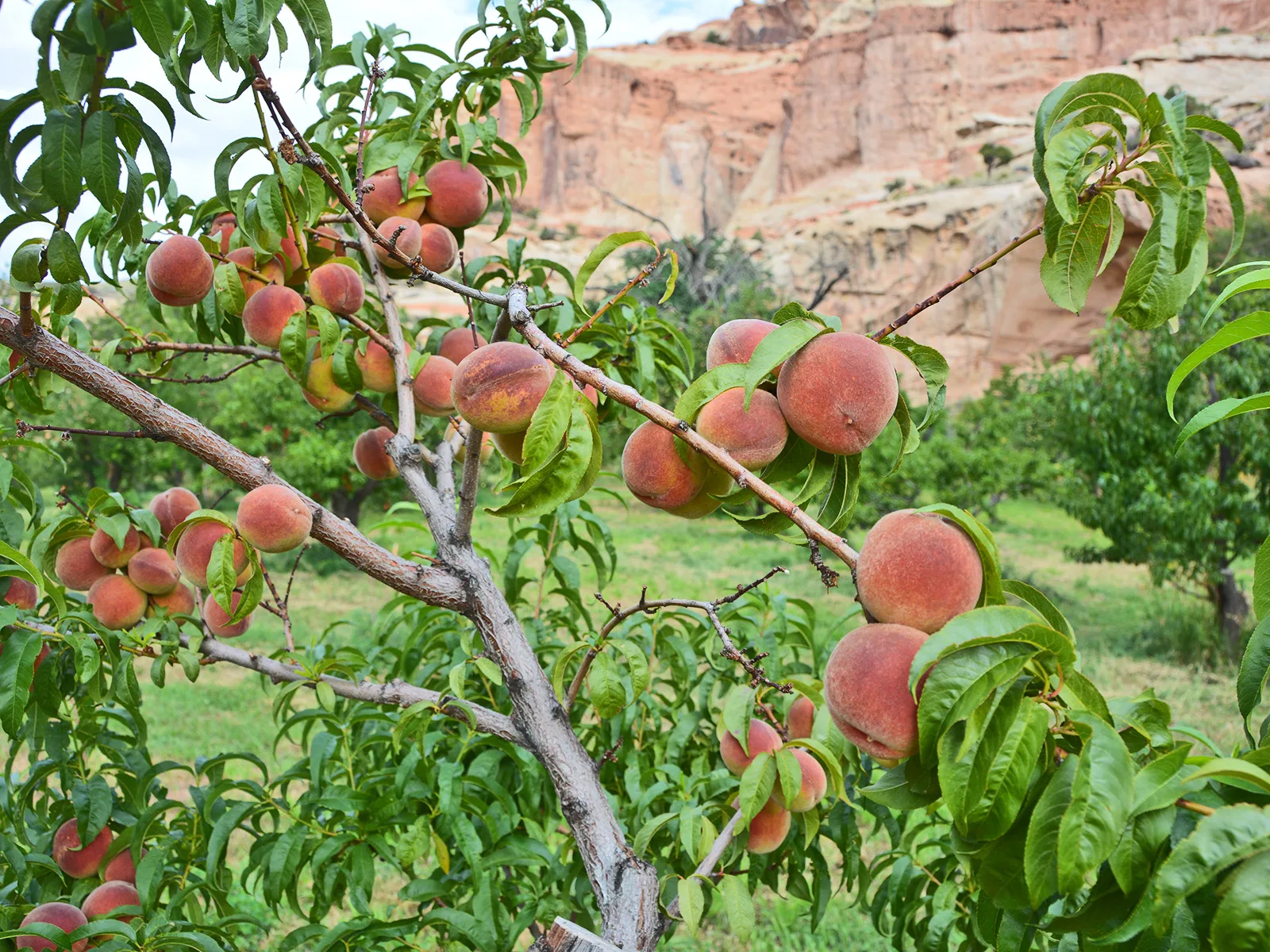
The Last Family Standing in Fruita
Dewey Gifford was Fruita's last private resident before selling to the Park Service in 1969. His restored farmhouse now sells pie where his family once lived.
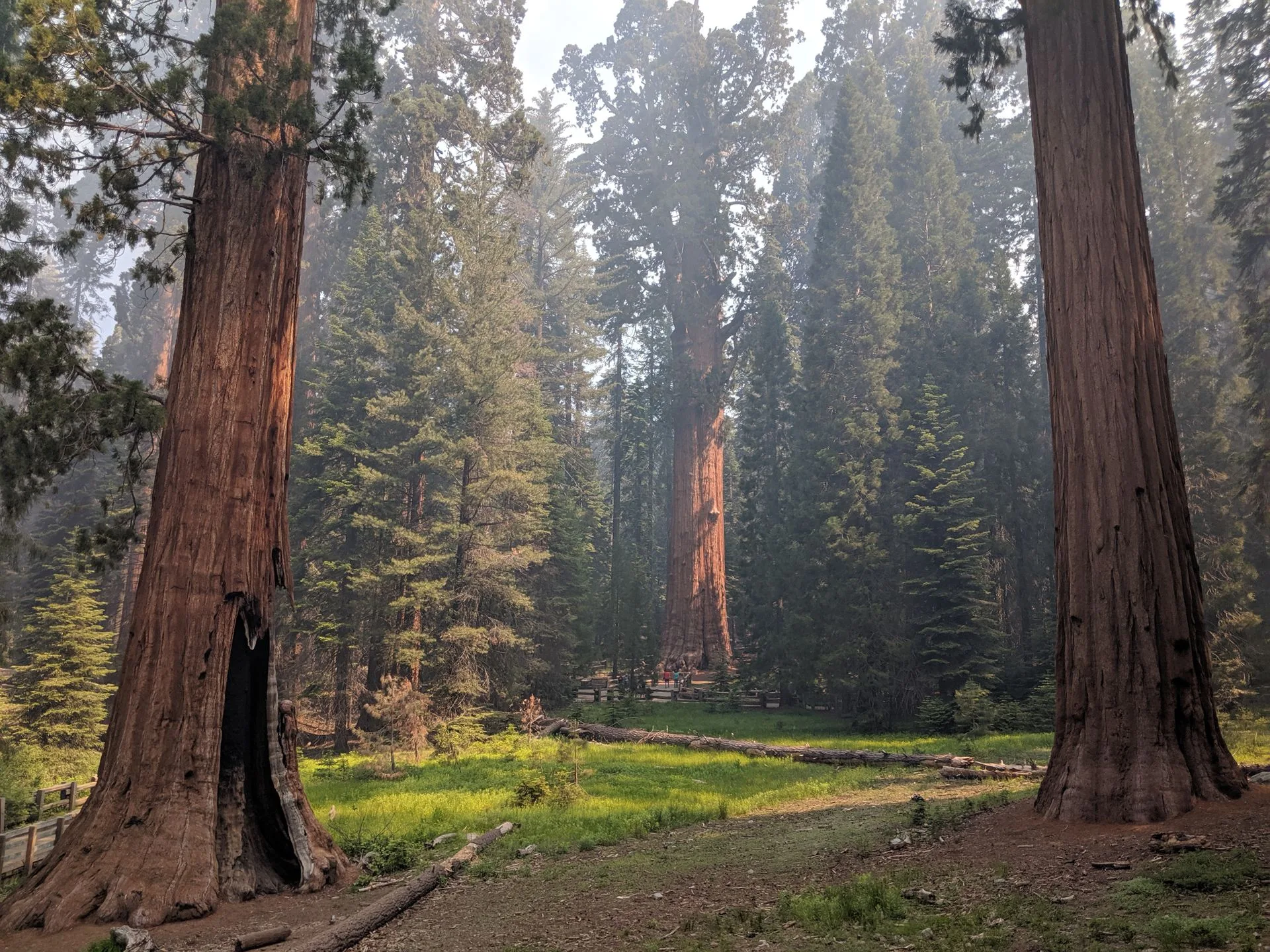
The World's Largest Tree Was Briefly Named for Karl Marx
General Sherman was named for the Union general in 1879. A utopian colony renamed it for Karl Marx in 1886. It survived a 2021 wildfire wrapped in foil.
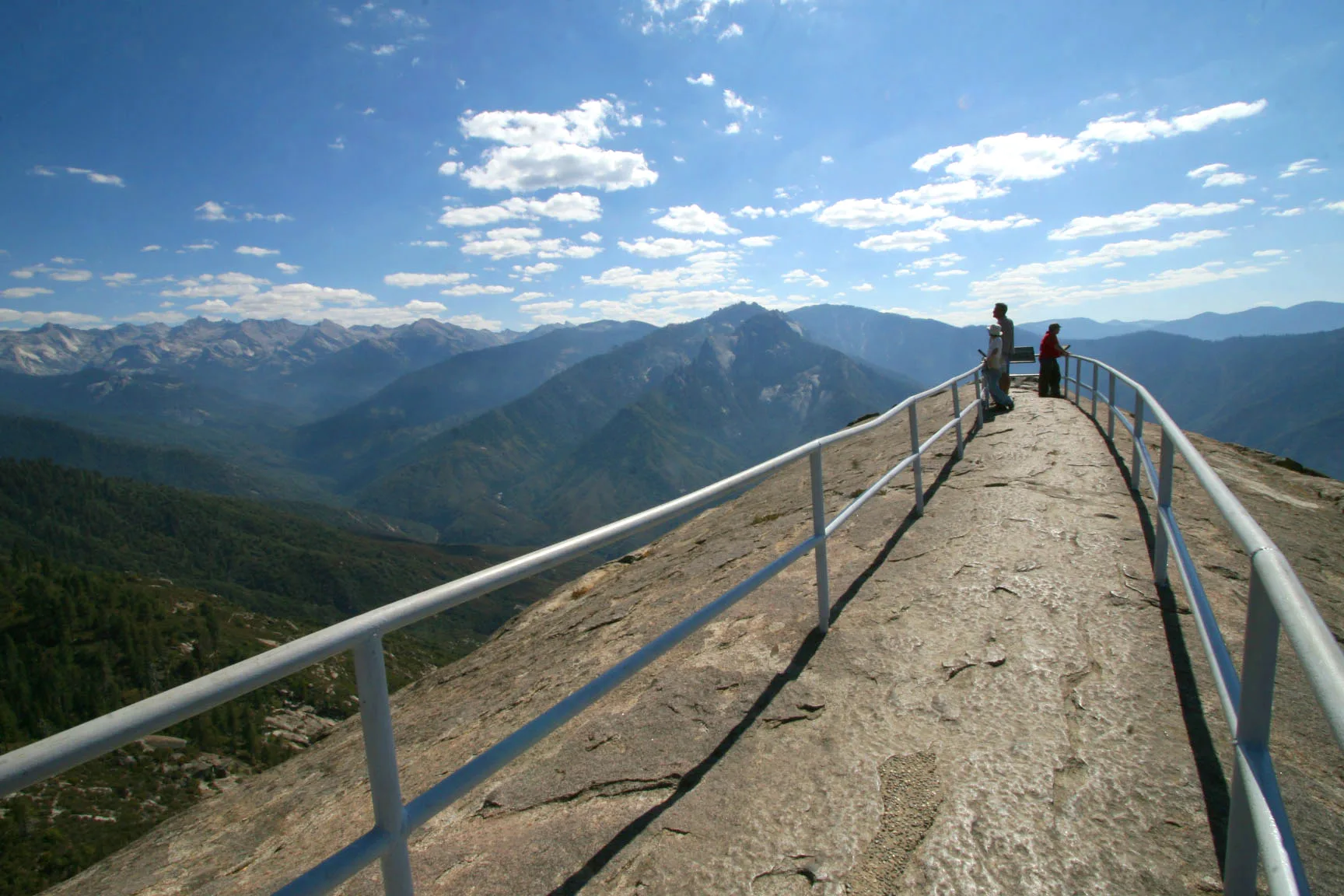
Moro Rock: Almost 400 Steps, Built to Disappear Into the Rock
The 1917 wooden stairway didn't survive one Sierra winter after another. The 1931 rebuild followed the granite's own ledges instead of cutting straight up.
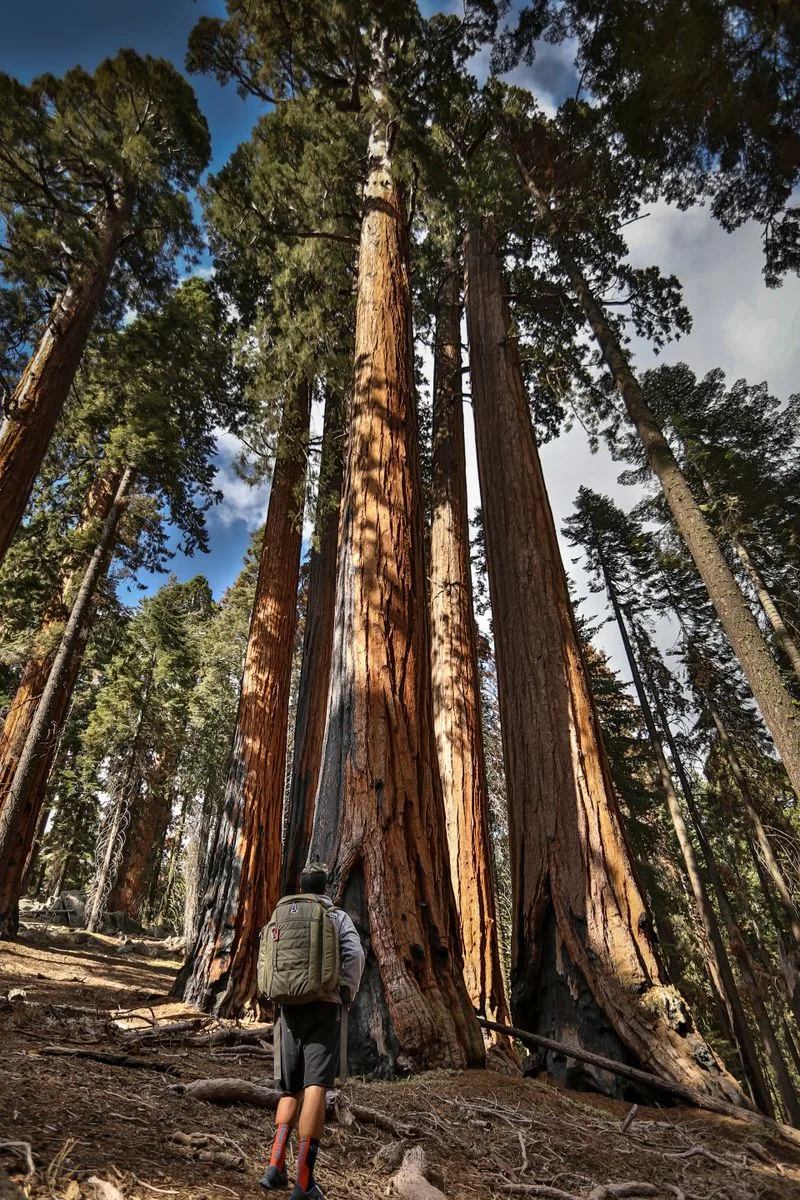
Tunnel Log: Why Sequoia Will Never Cut Another One
A giant sequoia fell across the road in 1937. Crews cut a tunnel through it the next summer. The park now says it would never do it again, and explains why.
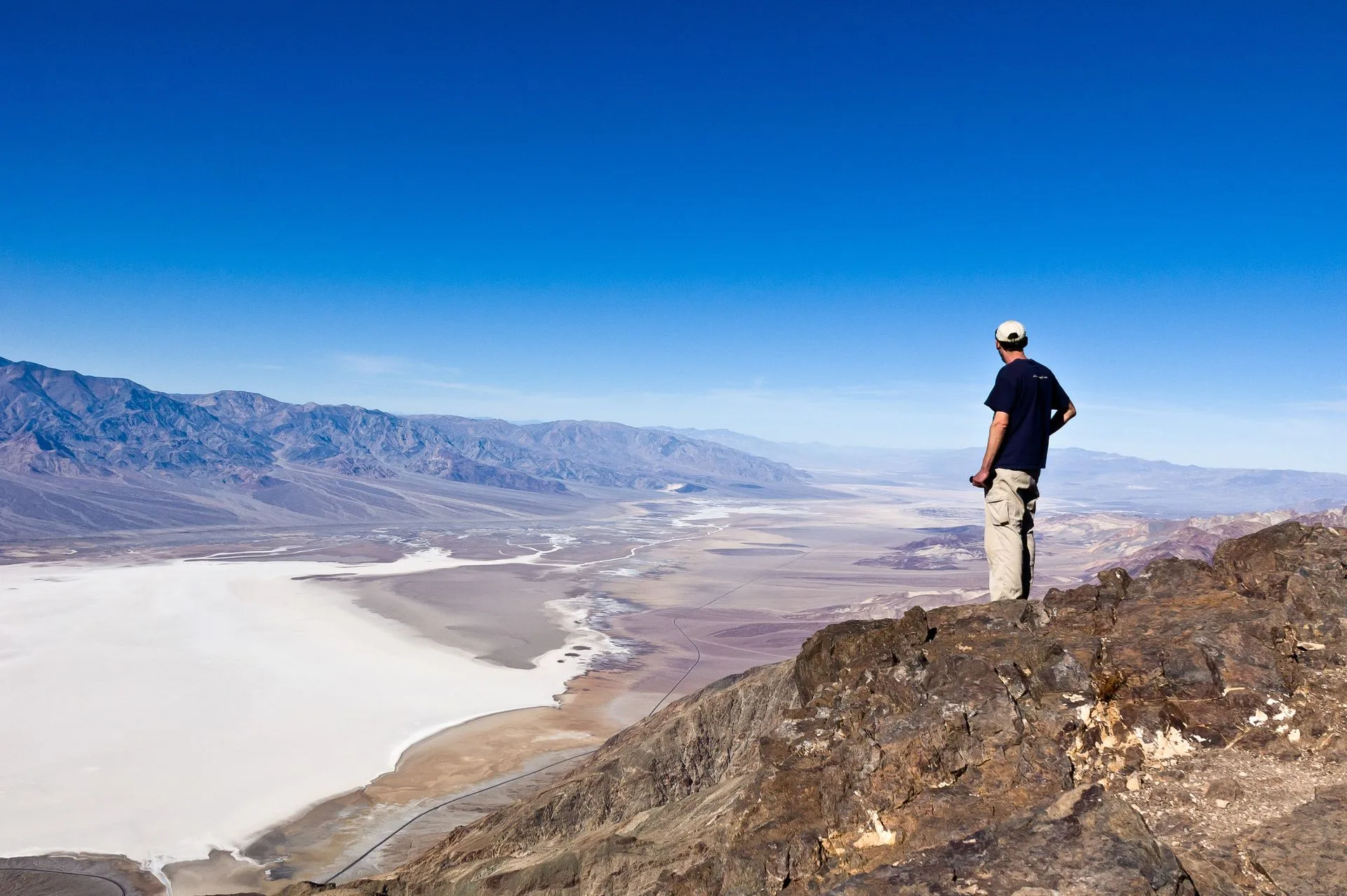
Racetrack Playa: The Rocks That Move Without Anyone Touching Them
Nobody saw a rock move on this dry lakebed for decades. Two cousins with GPS trackers finally caught one in the act in 2013.
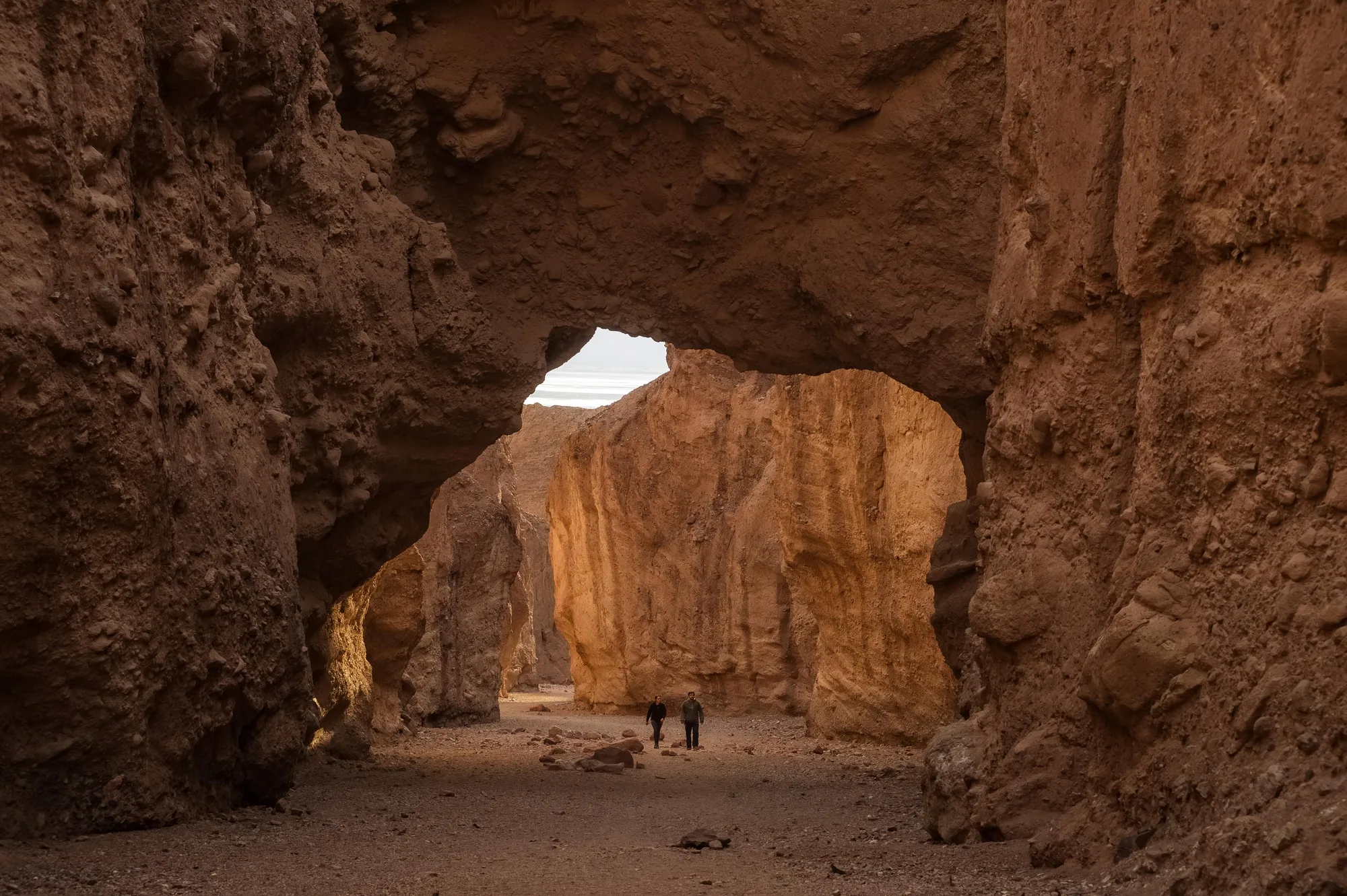
Badwater Basin: The Lowest Point in North America Has a Snail Living In It
282 feet below sea level, in the hottest place on Earth, a species of snail found nowhere else on the planet survives fully submerged in one spring.
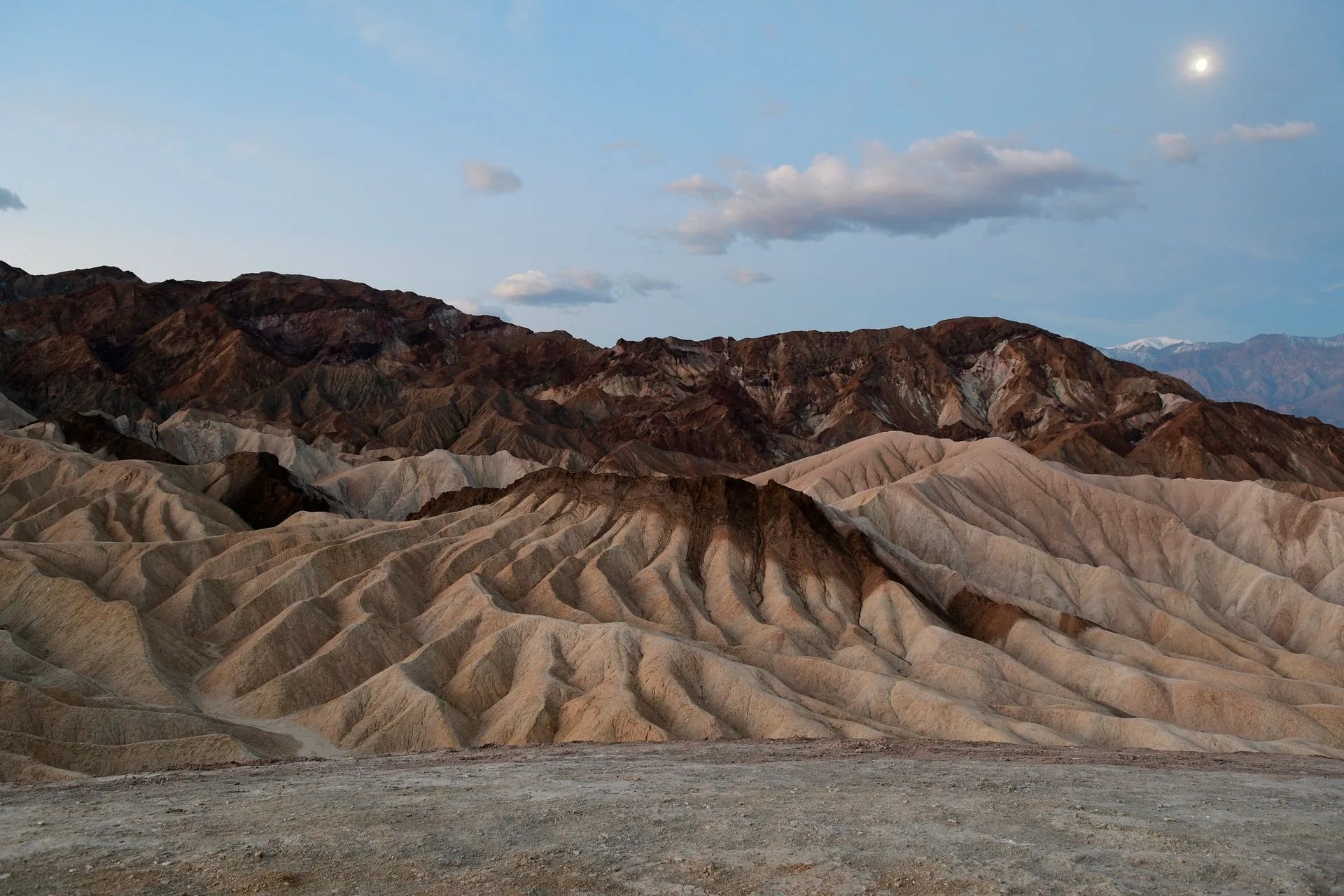
Scotty's Castle: The Con Man, the Millionaire, and the Flood That Closed It for a Decade
A gold mine that never existed funded a castle that was never finished. A 2015 flood buried the road to it for ten years.
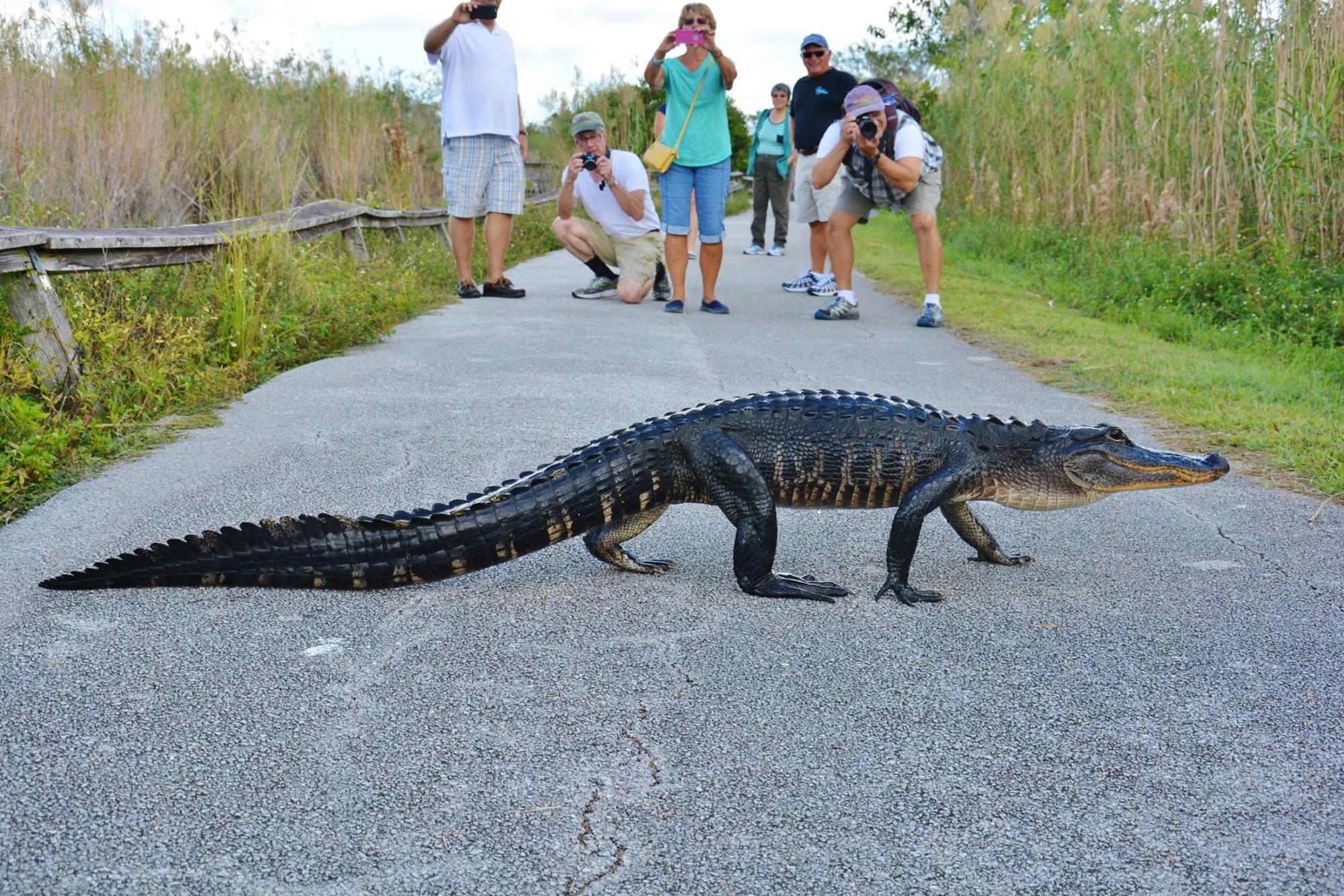
Burmese Pythons in the Everglades: How a 19-Foot Snake Became Florida's Biggest Wildlife Problem
In the areas pythons reached first, raccoon sightings are down ninety-nine percent. Meet the snakes, the hunters, and the record catch.
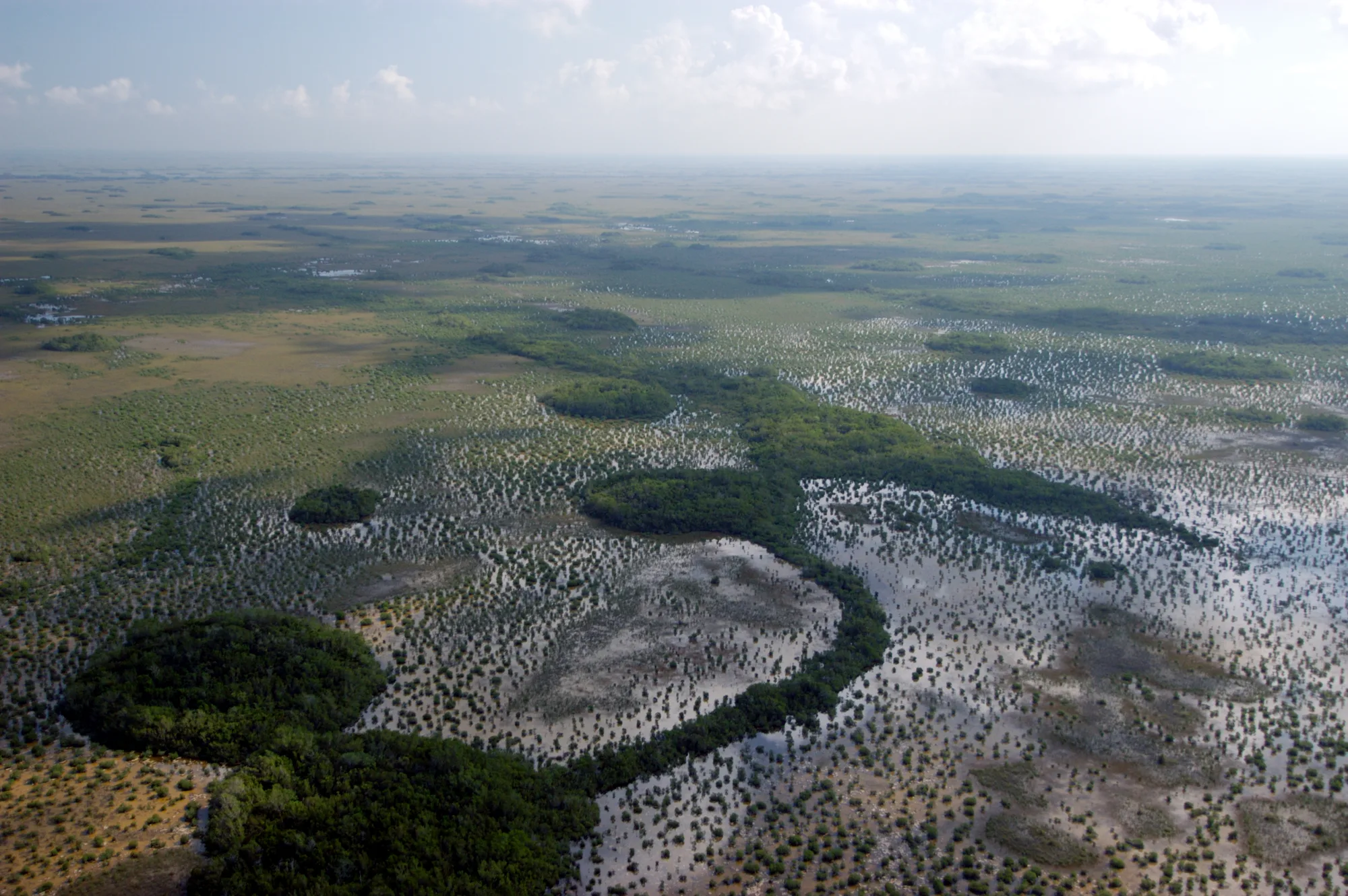
Everglades Restoration: The Road That Dammed a River, and the Bridges Undoing It
A road built in 1928 blocked the Everglades' water for eighty years. New bridges are letting it through again, faster than engineers expected.
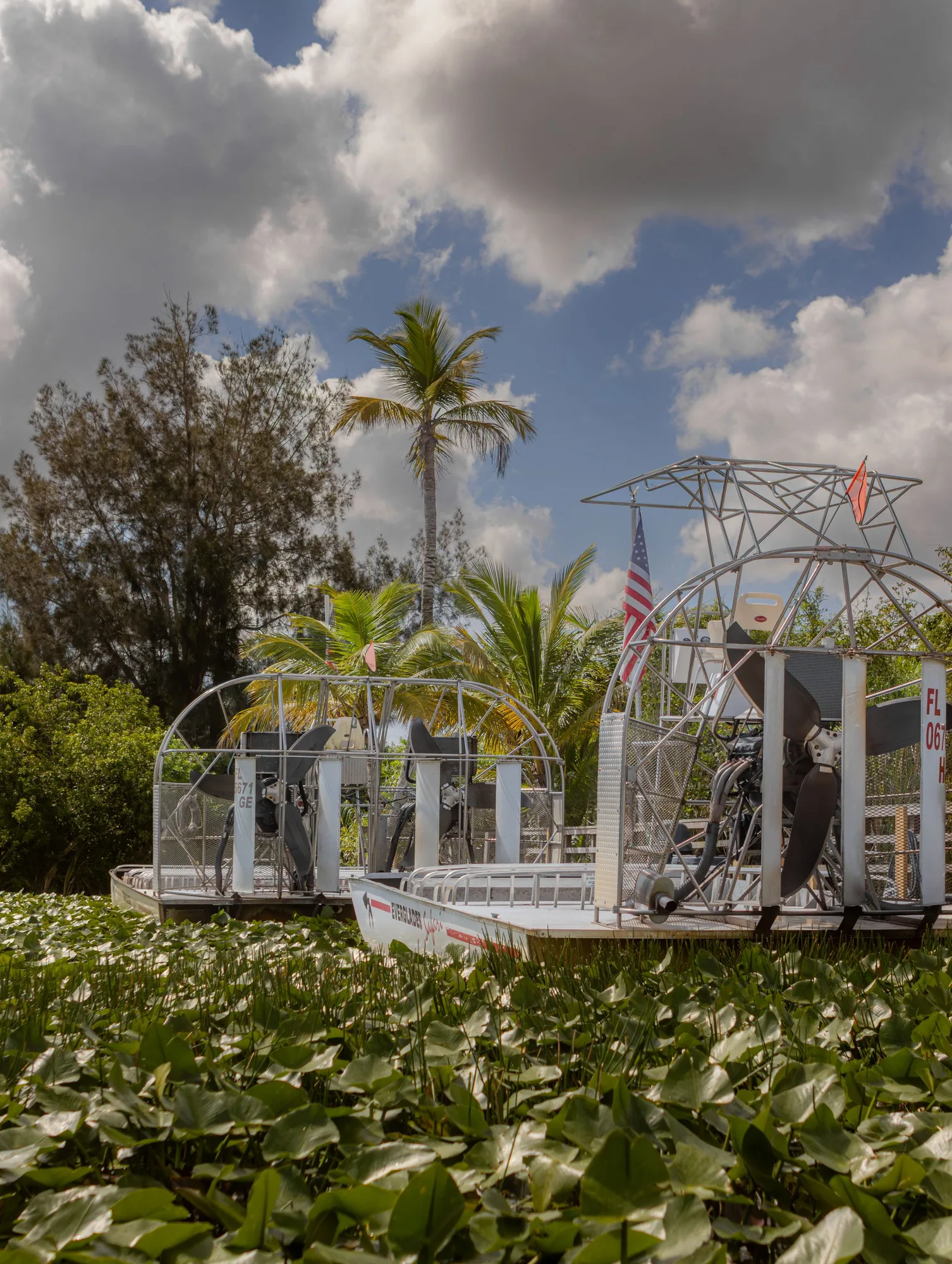
Ten Thousand Islands: The 99-Mile Paddle Through the Everglades' Mangrove Maze
A marked canoe route runs ninety-nine miles through a mangrove coastline the National Park Service recommends for experienced paddlers only.
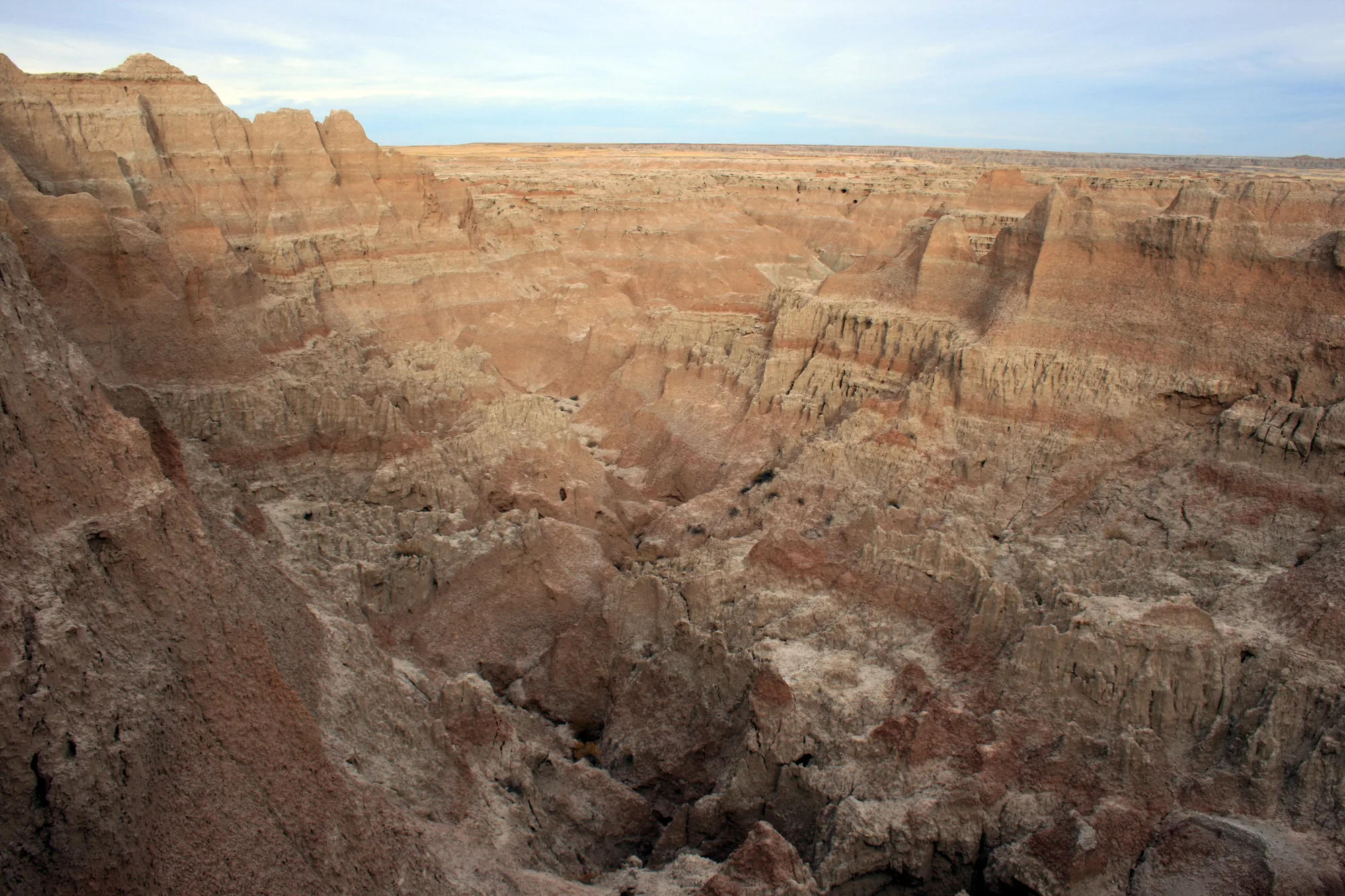
Black-Footed Ferrets at Badlands National Park: The Species a Ranch Dog Saved, Then Scientists Cloned
A ranch dog named Shep found the last wild ferrets in 1981. Forty years later, scientists cloned one from cells frozen since 1988.
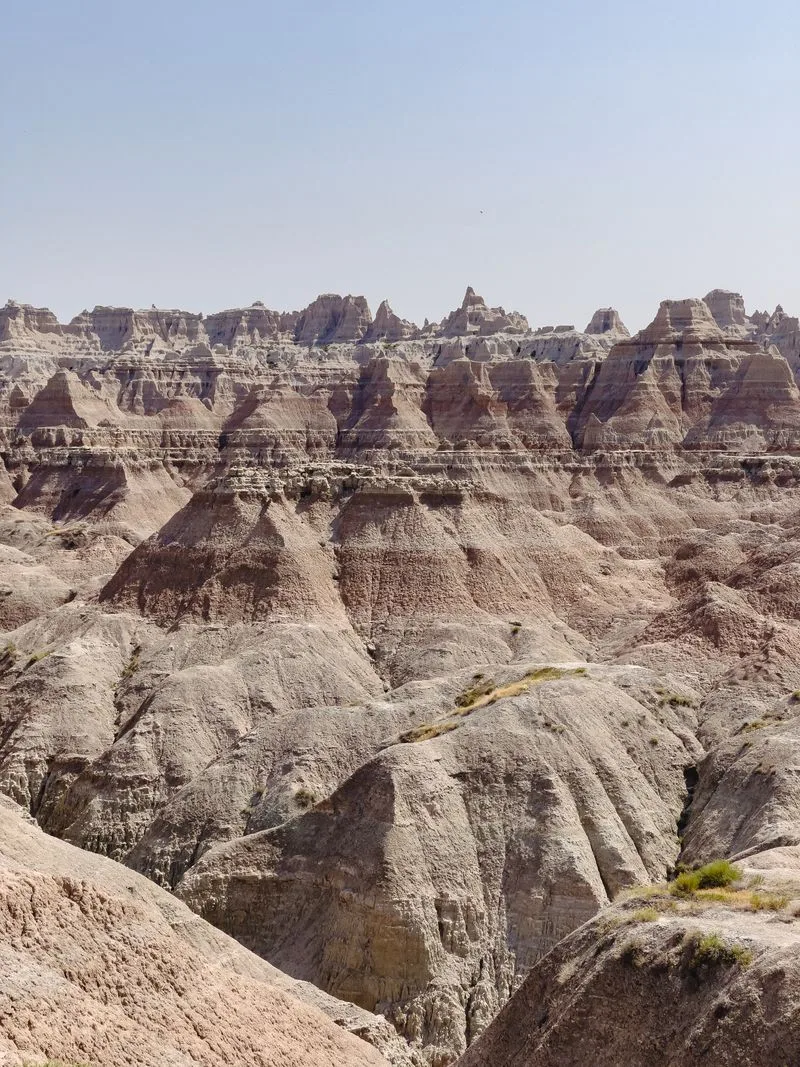
The Stronghold Unit at Badlands National Park: A Gunnery Range Co-Managed With the Oglala Lakota Nation
Part of Badlands sits on the Pine Ridge Reservation, owned by the Oglala Sioux Tribe, with a WWII bombing-range history still underfoot.
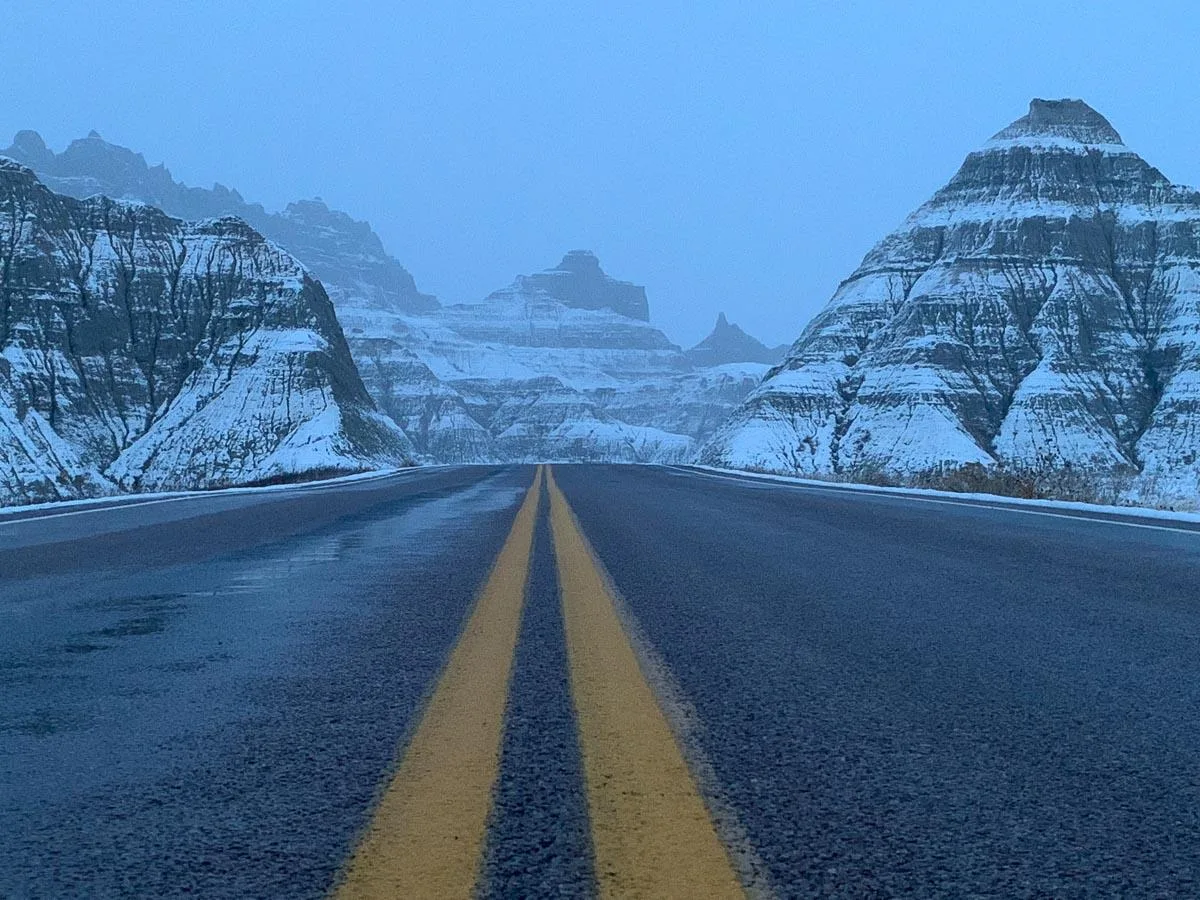
The Big Pig Dig at Badlands National Park: A Fossil Bed That Wasn't Full of Pigs
Two visitors spotted bone in the dirt in 1997. The site became one of the richest Oligocene fossil beds on Earth, and it wasn't a pig at all.
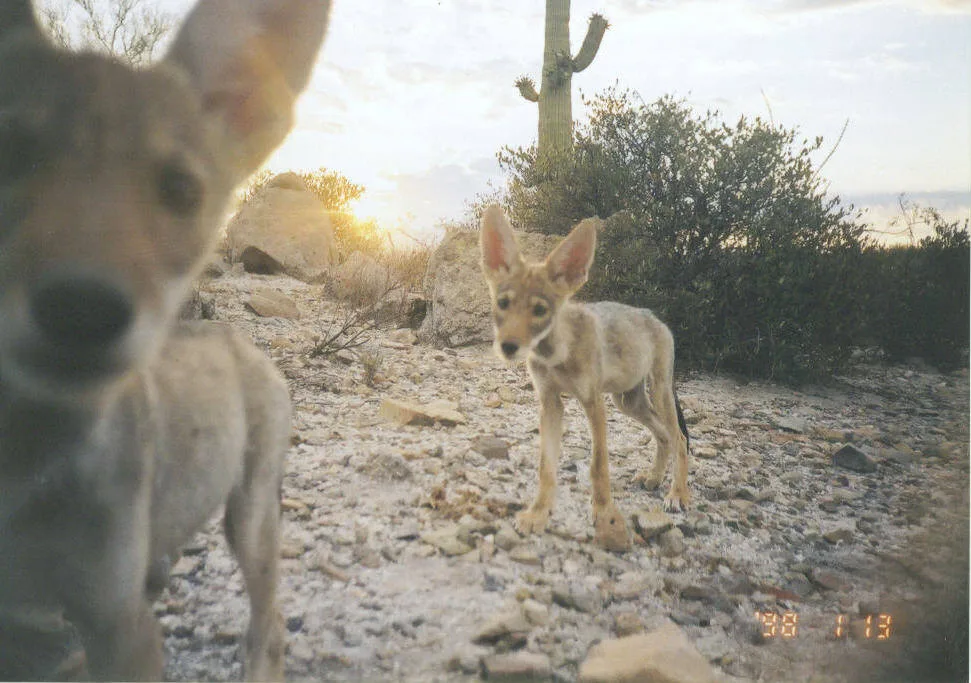
Saguaro Cacti Are Apartment Buildings: The Owls and Bats That Live Inside Them
A woodpecker drills a hole in a living saguaro, and the cactus seals it into a hard boot. Years later, the world's smallest owl moves in.
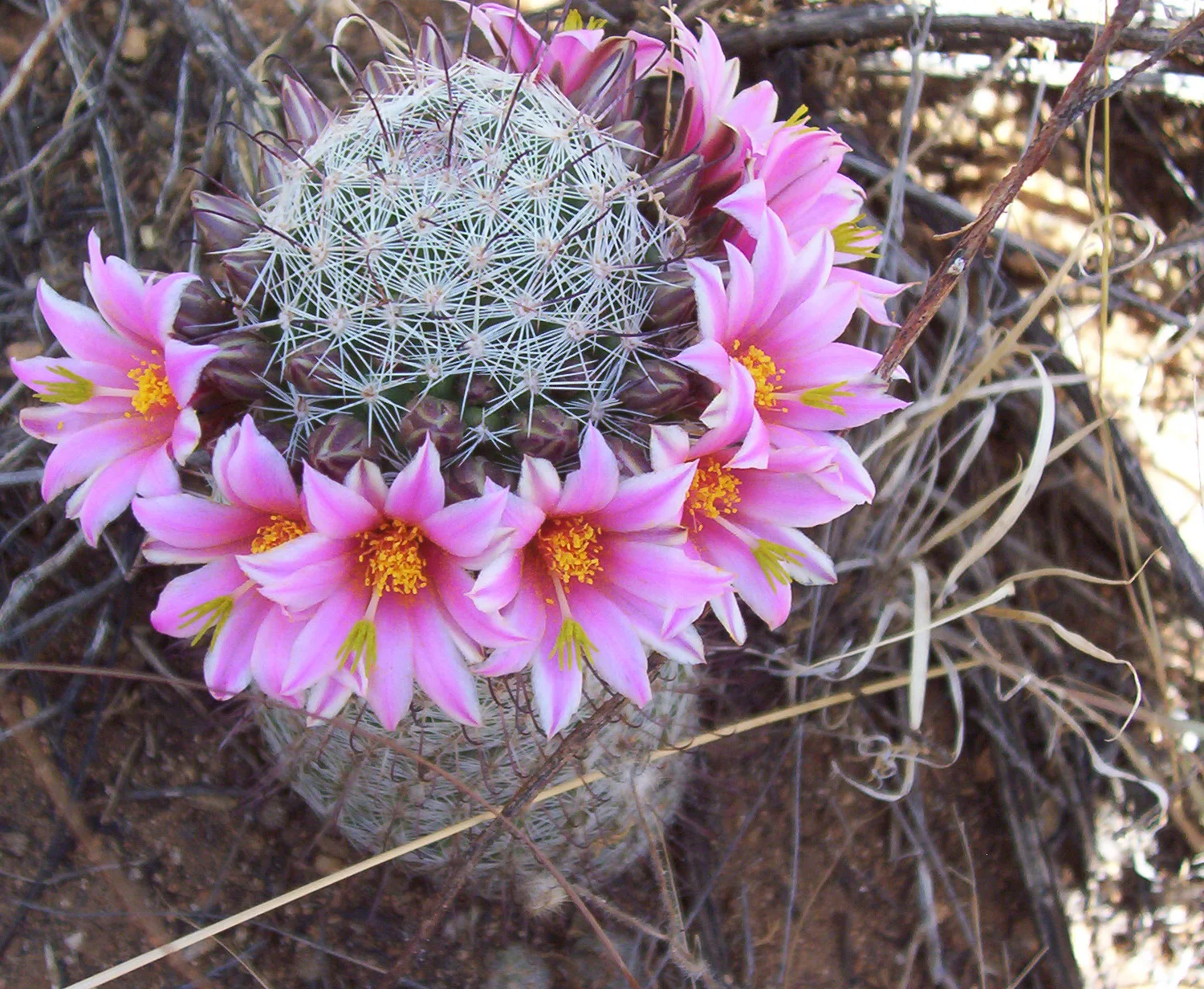
Saguaro Cactus Law in Arizona: Poaching, Permits, and the Man a Falling Cactus Killed
Arizona classifies the saguaro as 'Highly Safeguarded,' permit required even on your own land. The law, the poachers who tested it, and the 1982 death that made it famous.
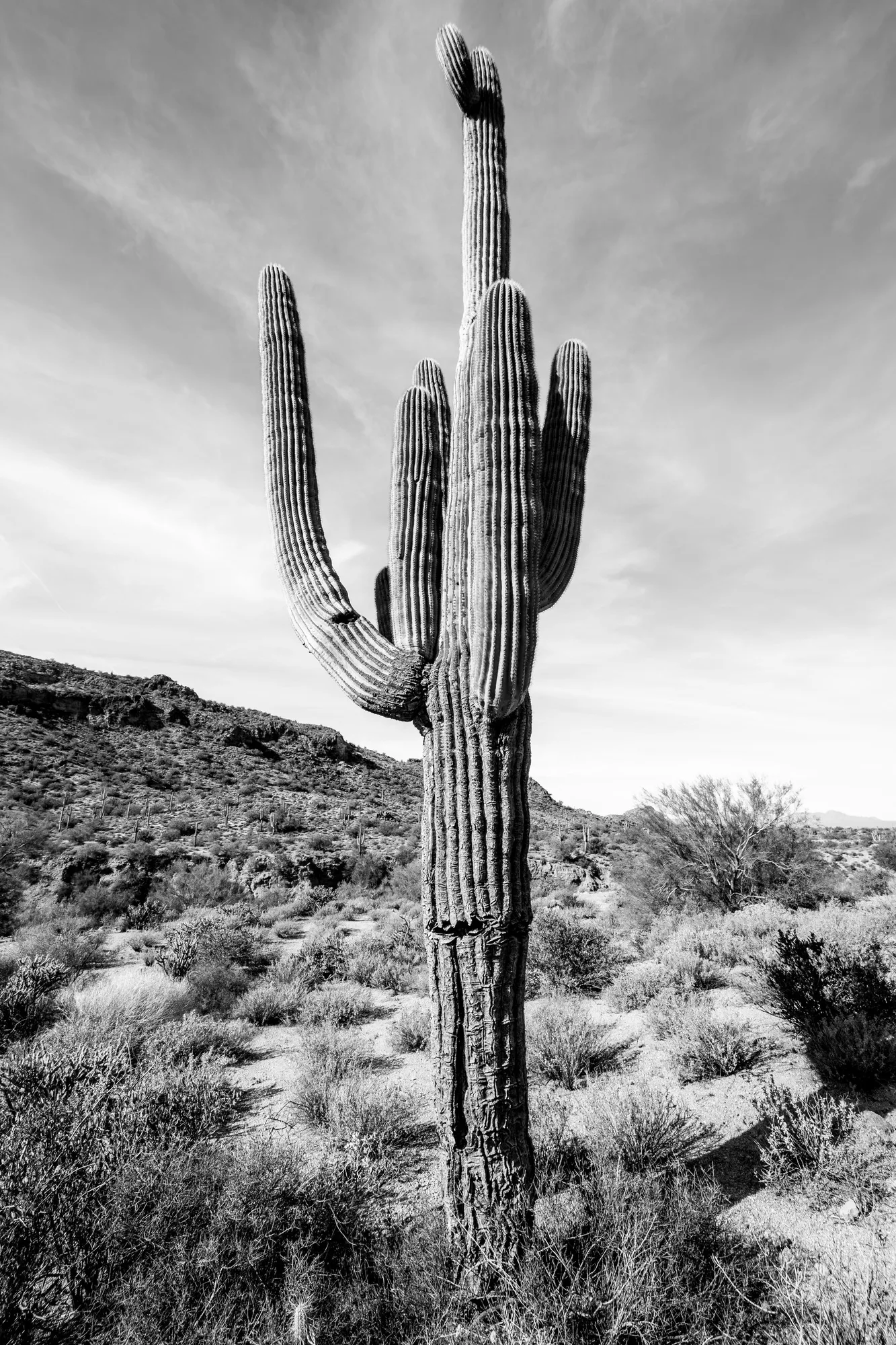
The Tohono O'odham Saguaro Harvest: How Bahidaj Marks the Desert New Year
Every June, before the summer rains, Tohono O'odham families harvest saguaro fruit with poles cut from the plant's own ribs. It's older than the park around it.
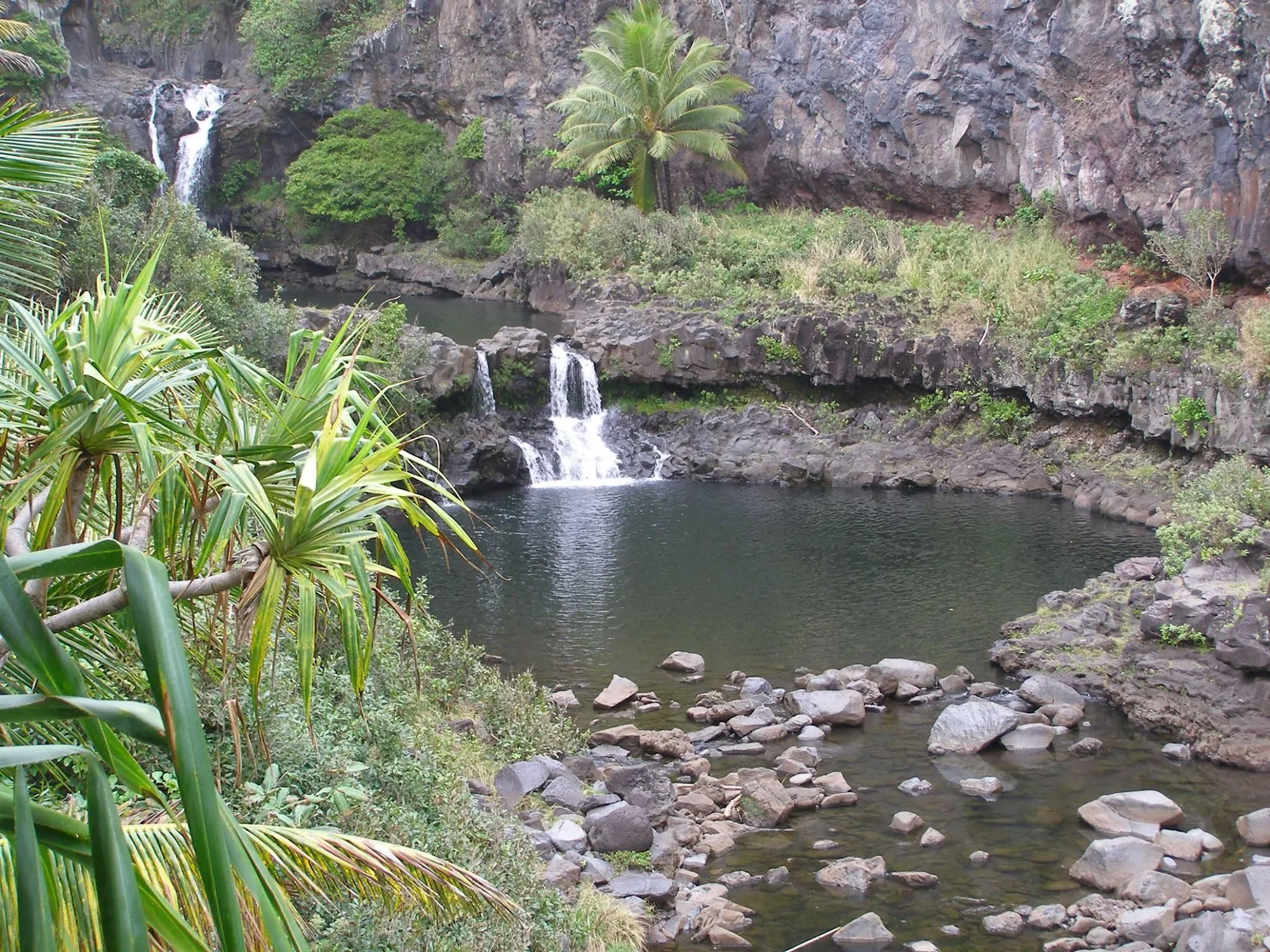
Haleakalā Sunrise Reservations: Why You Need a Permit to Watch the Sun Come Up
Cars used to double-park the summit's shoulder lanes for sunrise, over 1,000 people at a time. Here's why the park now requires a reservation.
The Pools of ʻOheʻo: Why "Seven Sacred Pools" Isn't the Real Name
A 1940s hotelier invented the name to sell postcards. There are more than seven pools, and the Park Service doesn't use that name at all.
Haleakalā Observatories: Inside "Science City" and the Sacred-Land Fight Still Going On
The world's largest solar telescope sits near the summit, on disputed land. The DKIST protests, the arrests, and the 2026 fight over new military telescopes.
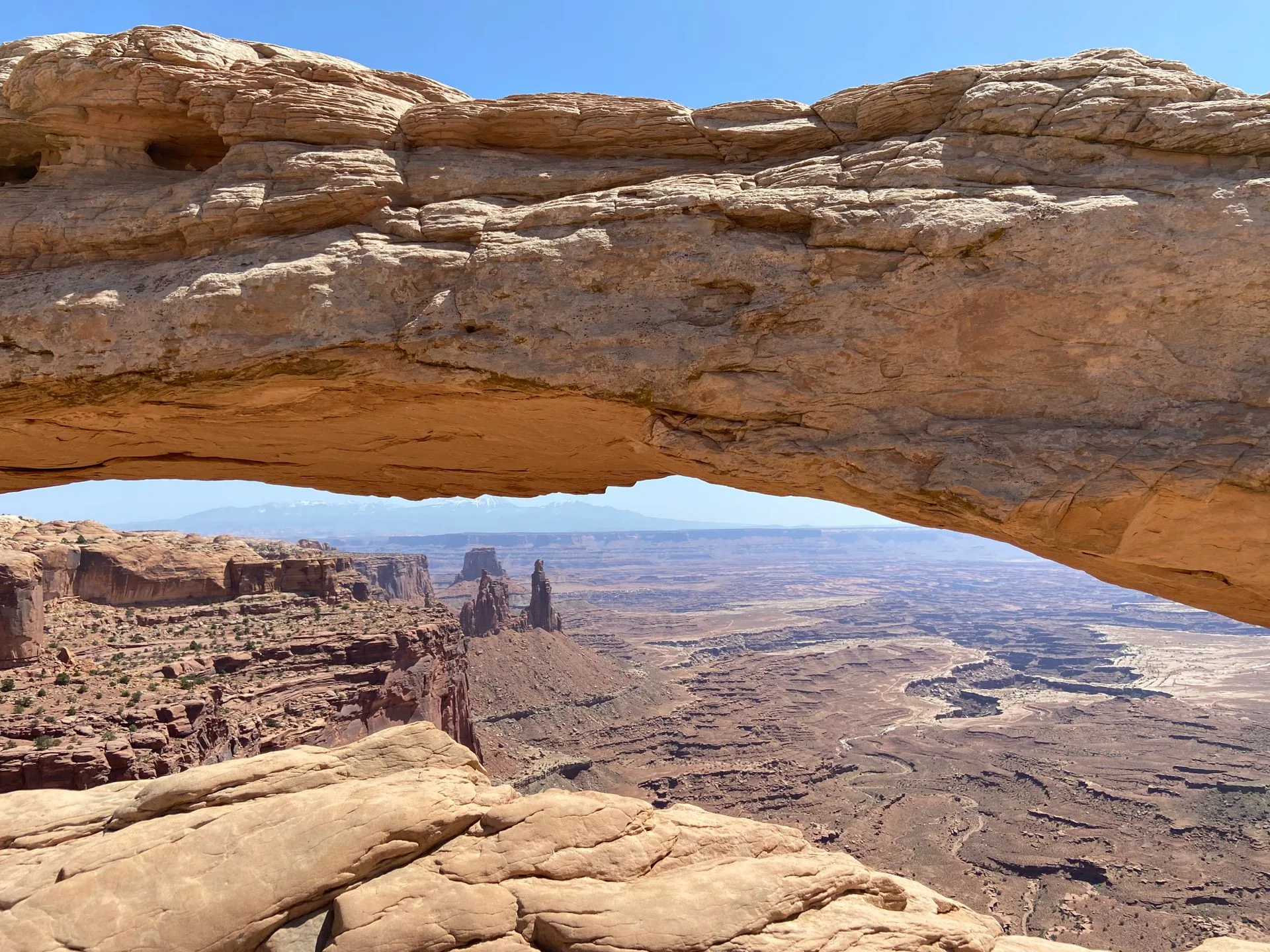
The Maze District at Canyonlands: Inside the Park Service's Least Accessible Ground
Three to six hours by 4WD from the nearest ranger station, no water, no reliable cell service. Here's what a trip into the Maze actually requires.
The Great Gallery at Horseshoe Canyon: Ancient Rock Art Scientists Still Can't Fully Date
A wall of ghostlike figures painted somewhere between 7,500 years ago and 1,100 years ago. Researchers genuinely disagree on which end is right.
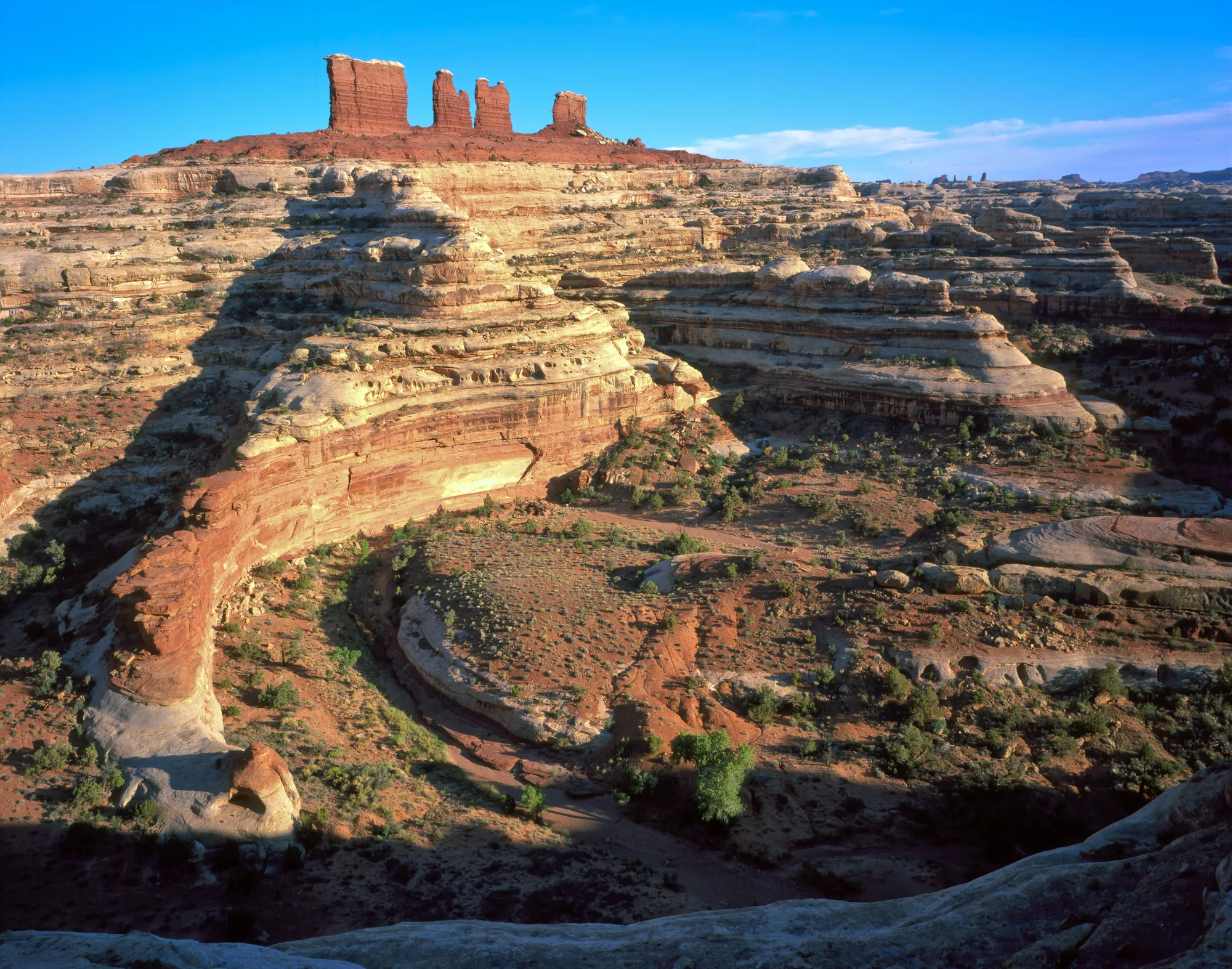
White Rim Road at Canyonlands: The Failed Uranium Route Tourists Now Book Months Ahead
Miners bulldozed this 100-mile road in the 1950s hunting Cold War uranium and found almost none. Today the permits are booked four months out.
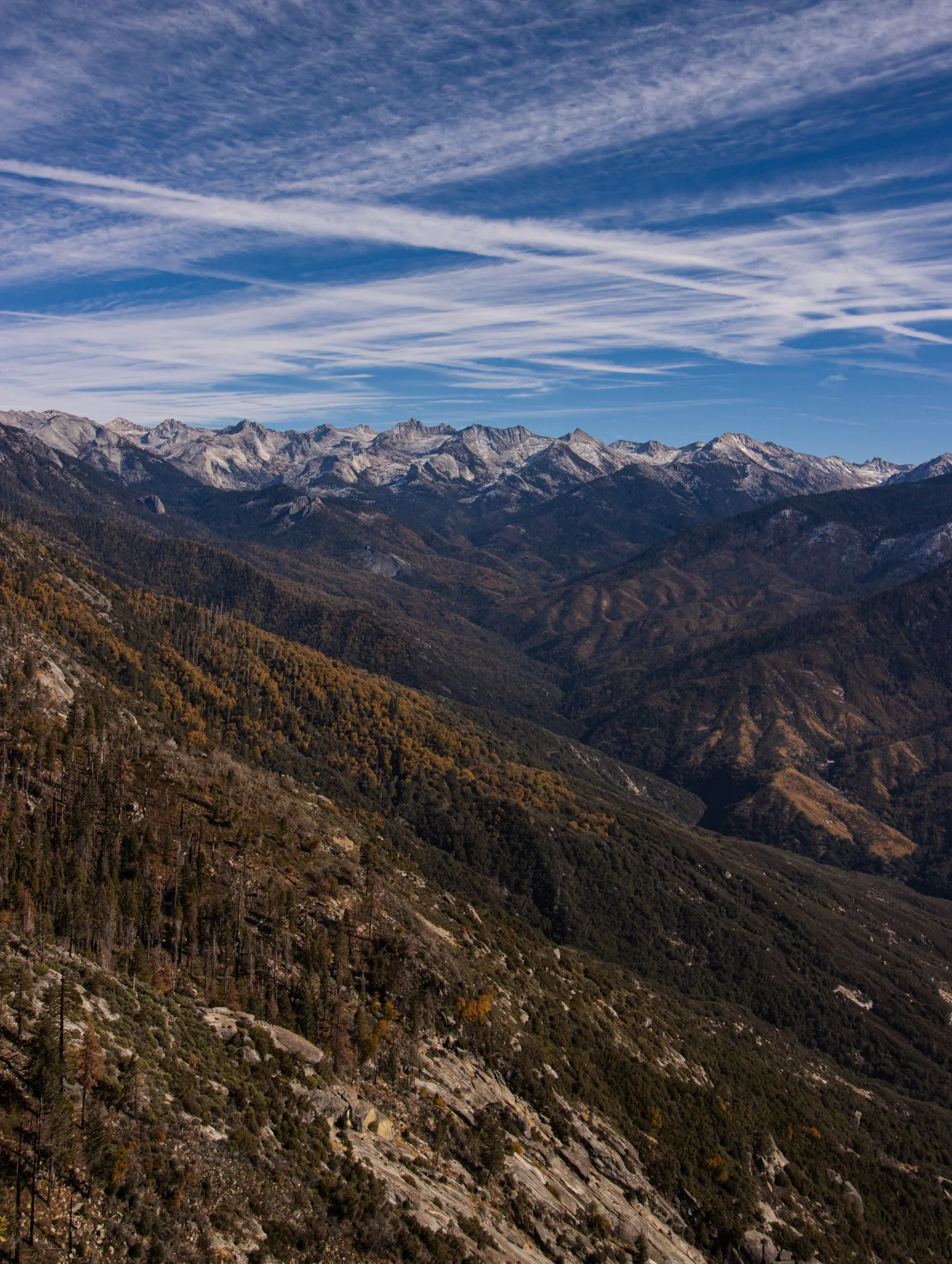
Redwood Canyon at Kings Canyon: The World's Largest Sequoia Grove, Reached Only on Foot
Bigger than Grant Grove, bigger than Giant Forest, and reachable only by trail. It's also where scientists learned sequoias need fire to survive.
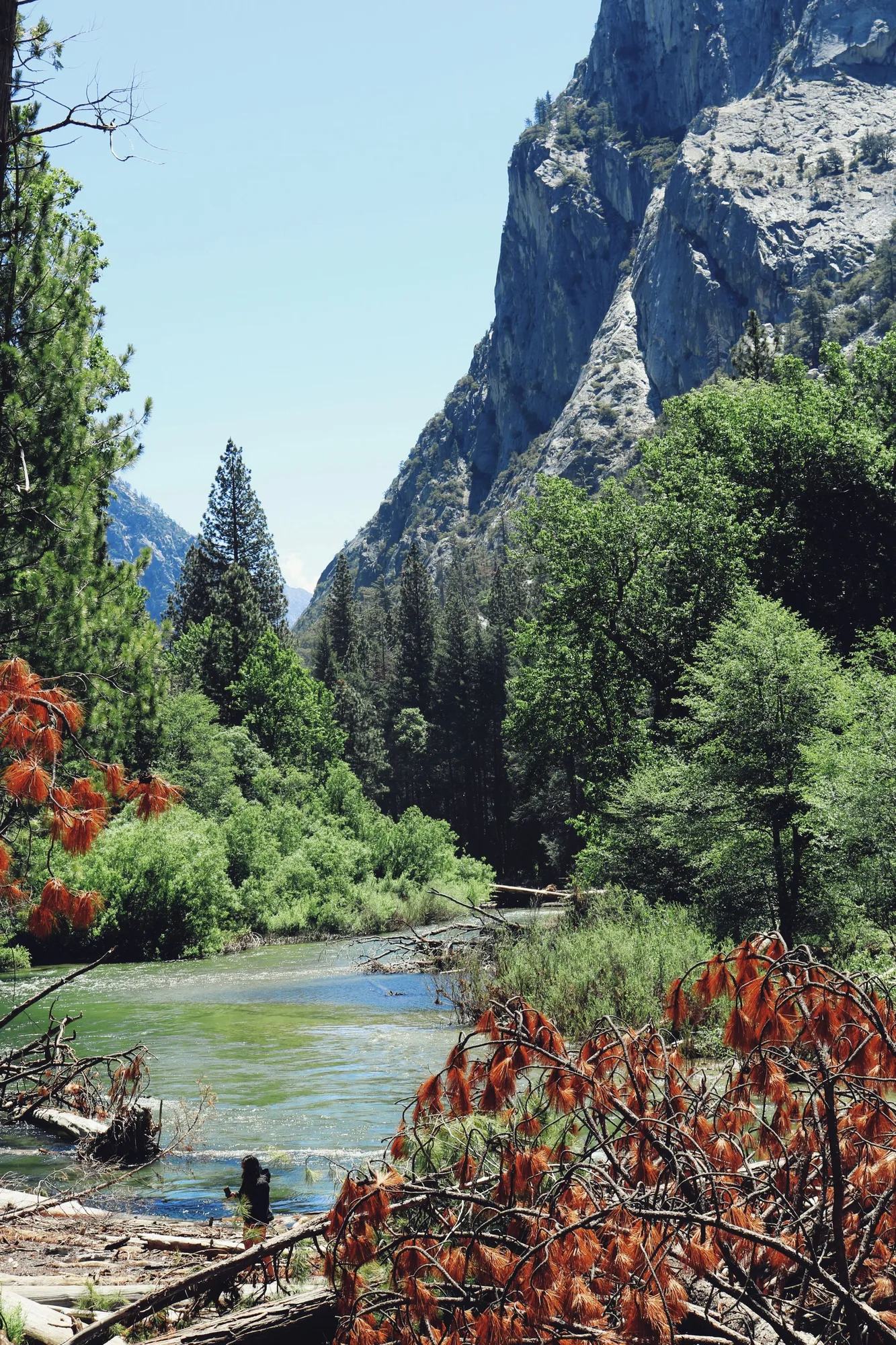
Boyden Cavern at Kings Canyon: The Marble Cave the Park Service Doesn't Run
A 55-degree marble cave under 2,000-foot cliffs, built out by the CCC in the 1930s, and managed by an agency that isn't the National Park Service.
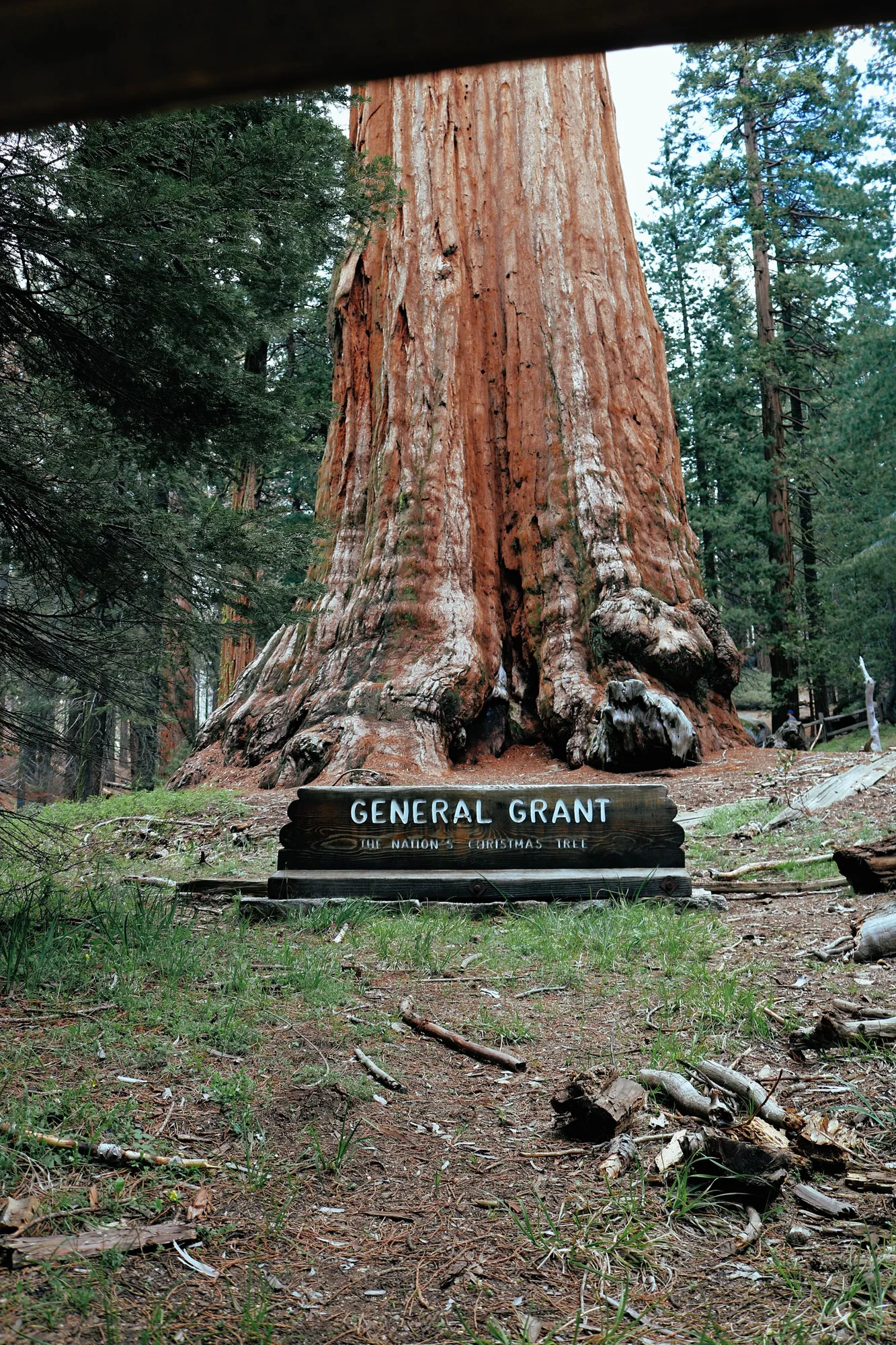
Kings Canyon National Park History: The Dam Fight That Shaped Its Borders
A photographer's self-published book helped stop a hydroelectric dam through the canyon floor. The fight to keep it dam-free lasted more than sixty years.
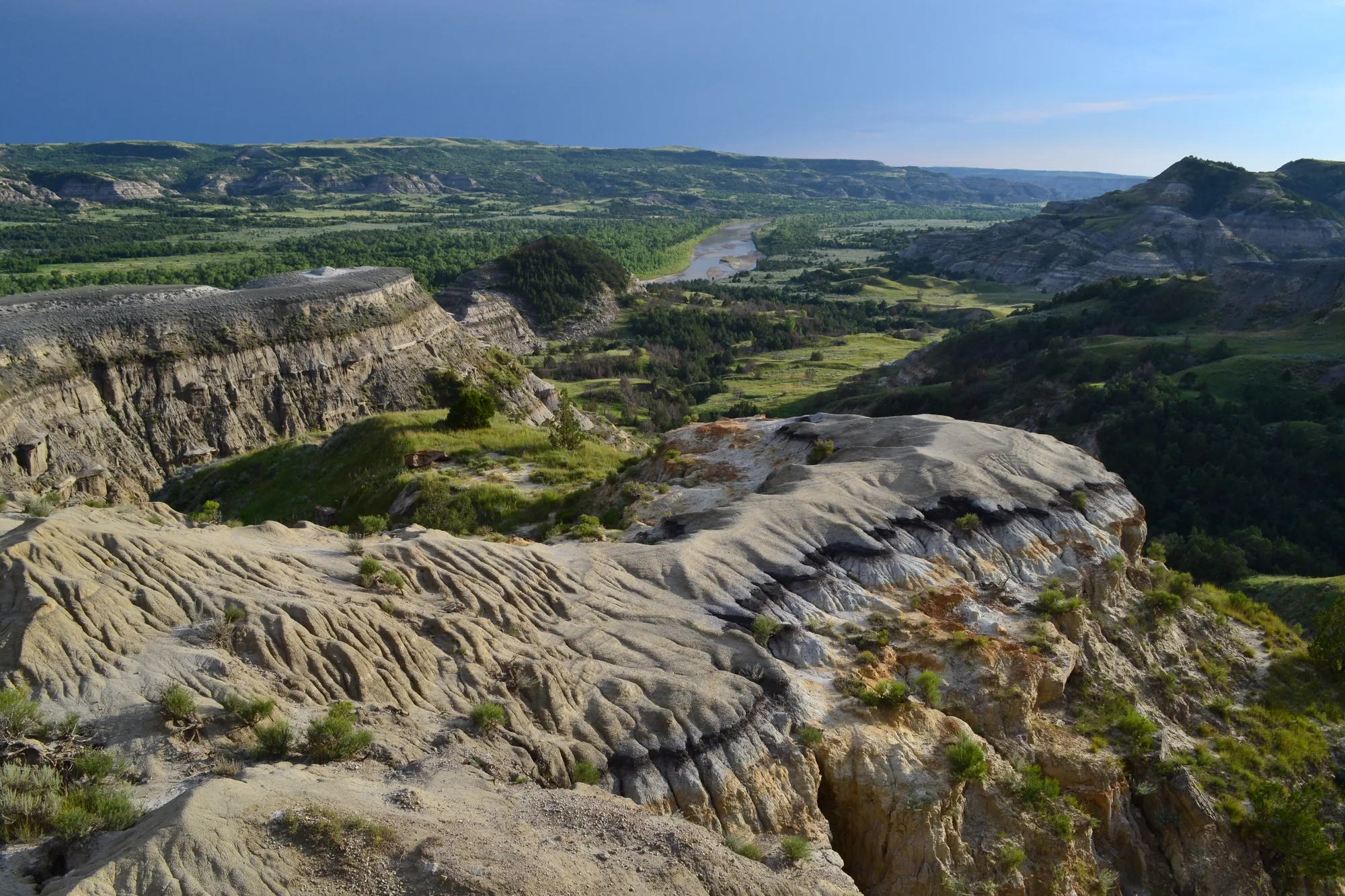
Elkhorn Ranch at Theodore Roosevelt National Park: The Site Fought Over for Its Empty View
Nothing stands at Elkhorn Ranch but foundation stones and cottonwoods. That empty view is exactly what a gravel mine and an oil pad both tried to take.
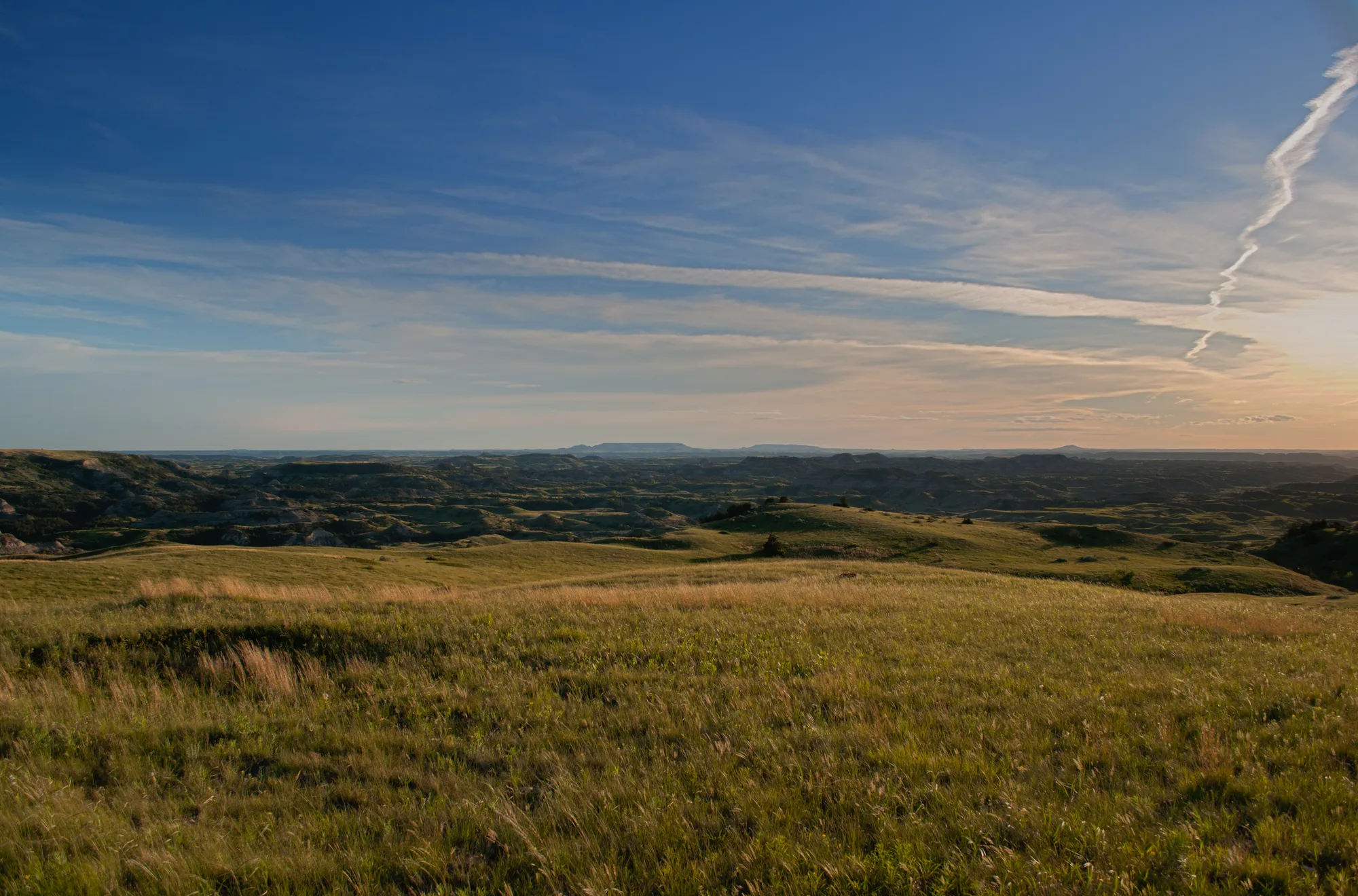
The Petrified Forest at Theodore Roosevelt National Park: Stone Trees in the Badlands
Sixty-five million years ago, this was a swampy river delta full of sequoias. Today it's the badlands, and its buried trees turned to stone along the way.
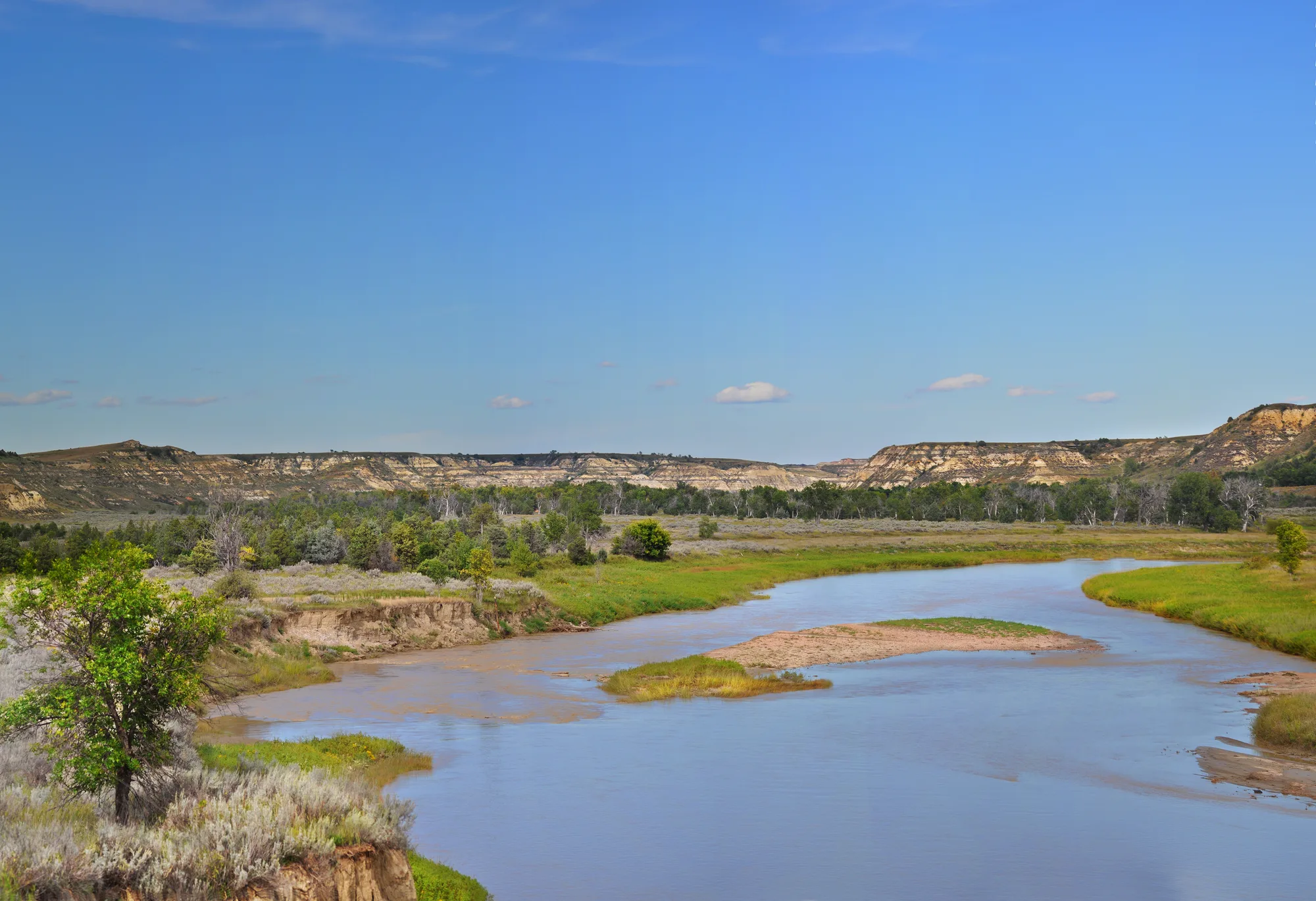
Bison and Wild Horses at Theodore Roosevelt National Park: A Herd the Park Almost Removed
In 2023 the Park Service said the wild horses had no legal right to be there. By 2024, after public backlash and Congress stepped in, none were removed.
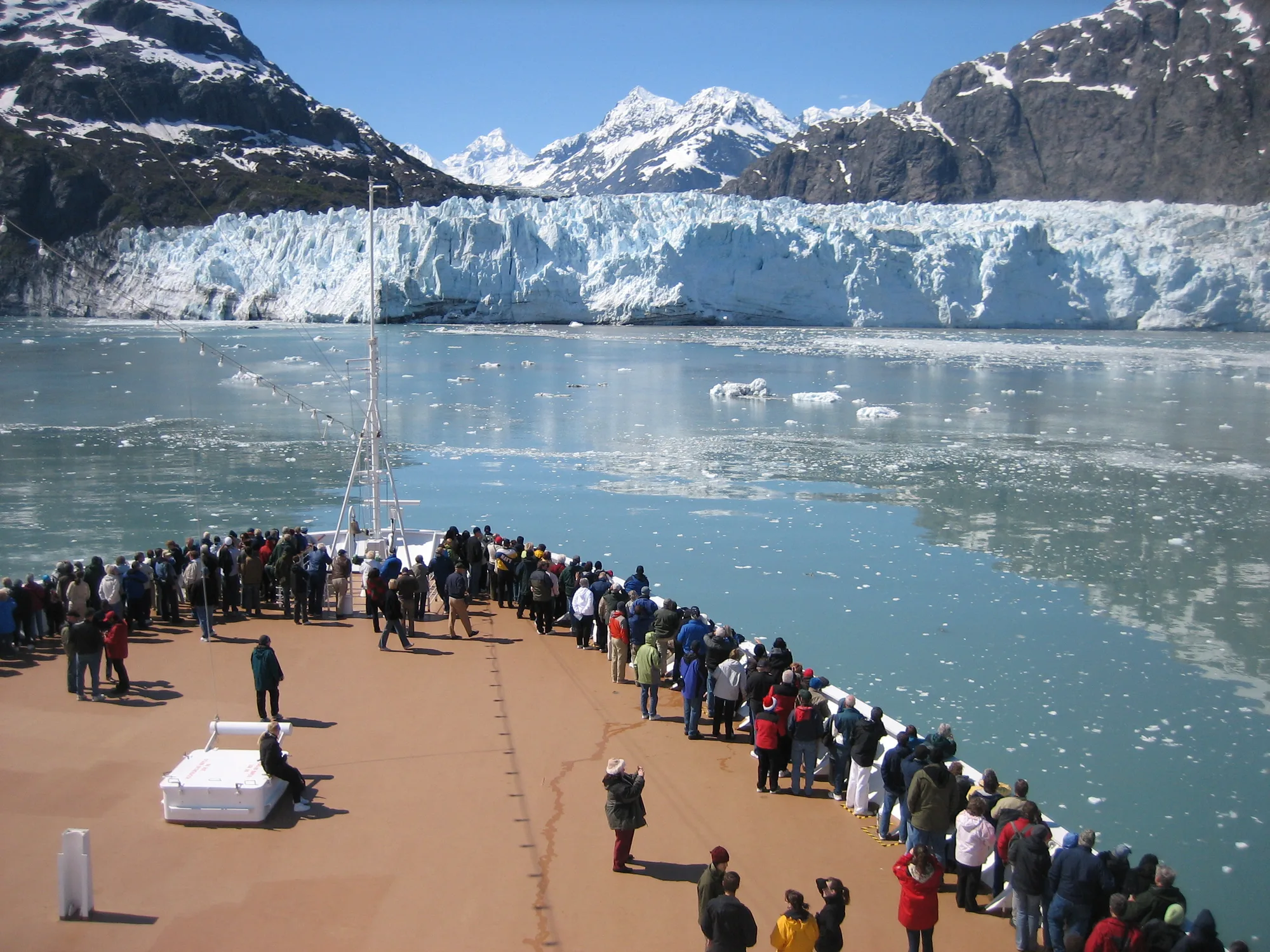
Glacier Bay National Park History: The Fastest Documented Glacial Retreat on Earth
In 1794 this bay was solid ice. Today you travel sixty miles up it to find a glacier. Here's what makes Glacier Bay's retreat the best-documented on the planet.
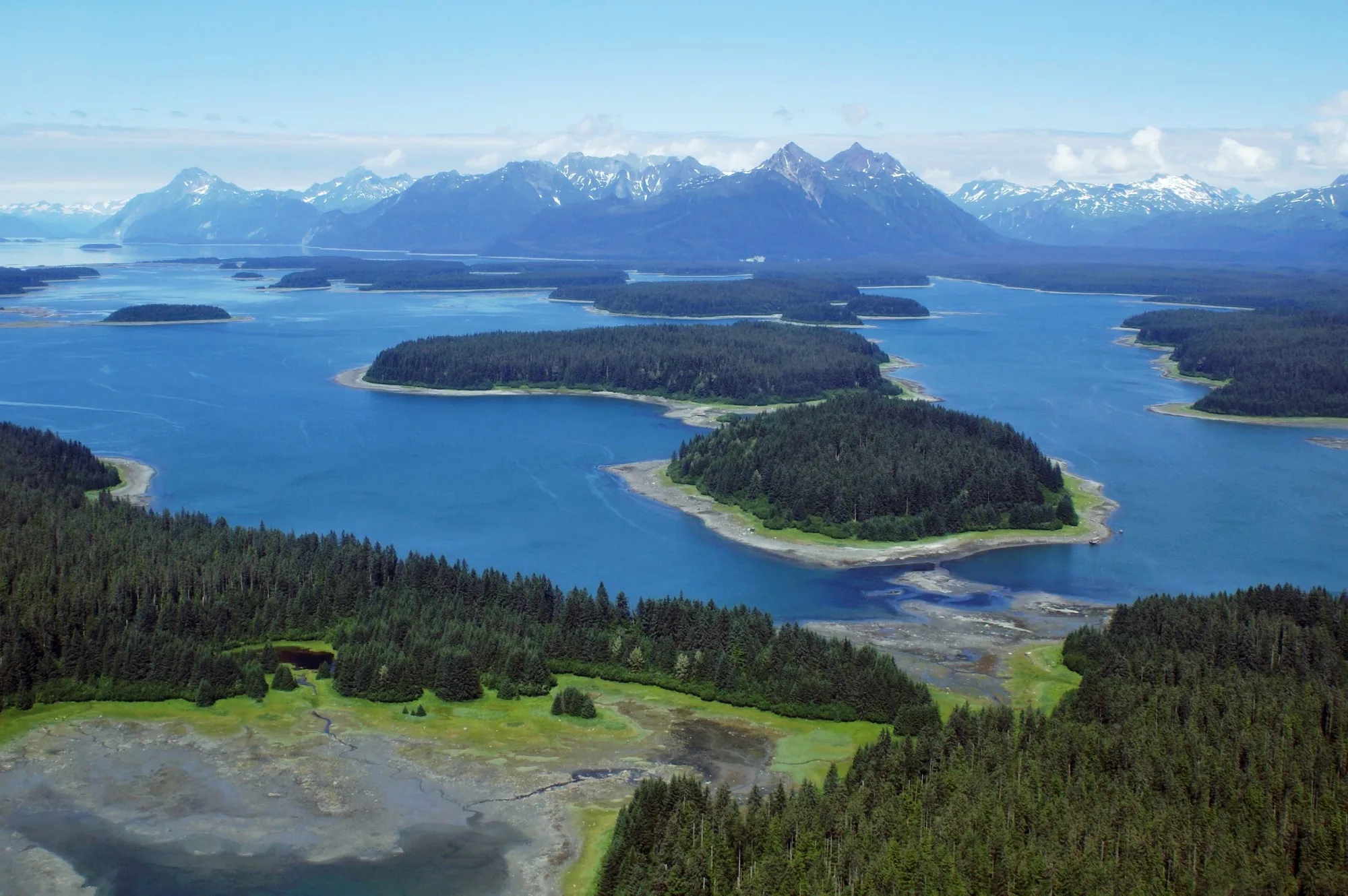
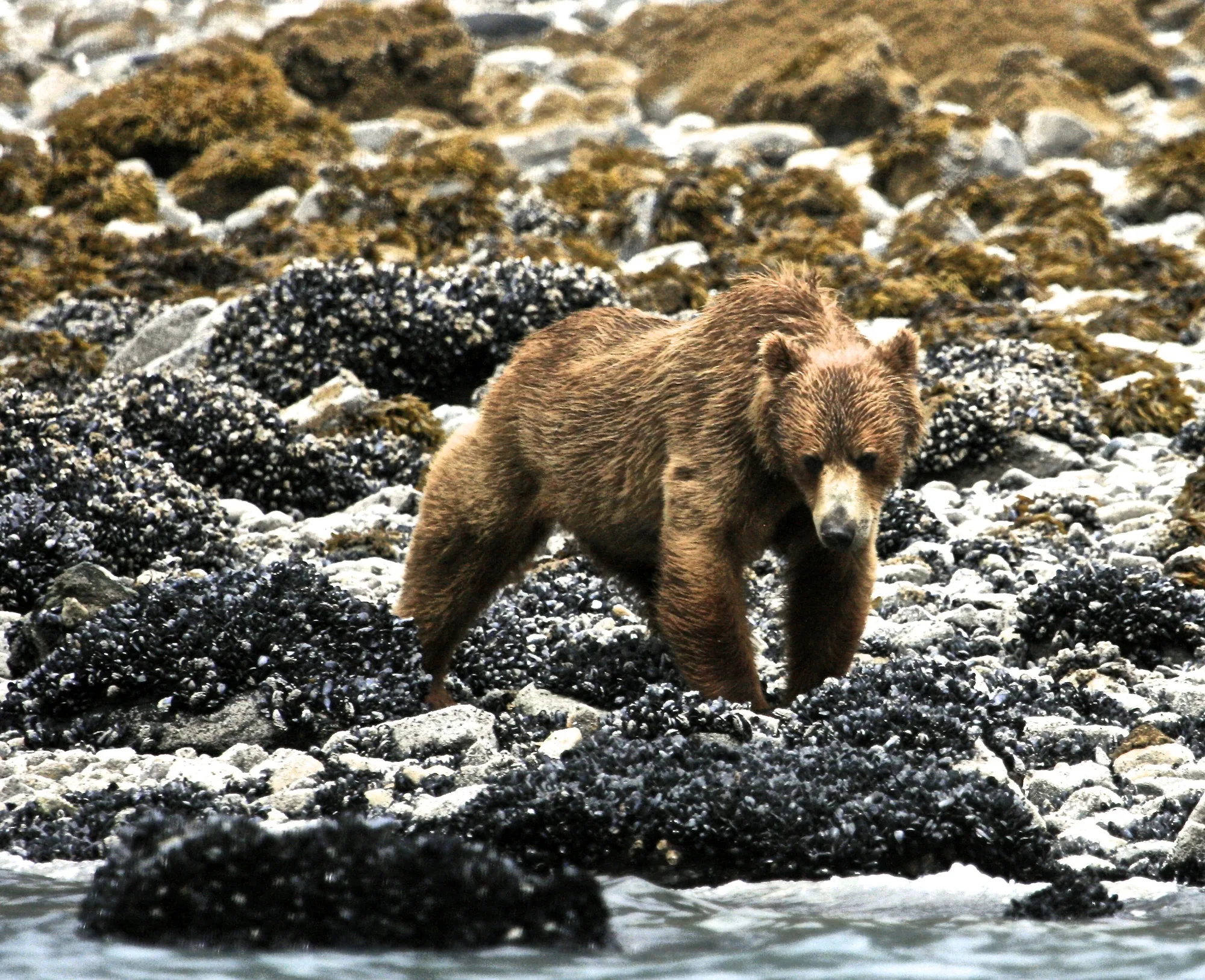
Humpback Whales at Glacier Bay National Park: The Speed Limit That Might Save Them
187 whales, tracked by tail since 1984, and a speed limit that just got stricter. Here's how Glacier Bay manages the boats around its recovering humpbacks.
Glacier Bay National Park History: The Ice Age That Buried a Tlingit Homeland
A glacier swallowed the Huna Tlingit homeland in the 1700s, and oral tradition says a girl called it there. Here's the story behind Glacier Bay's Tlingit name.
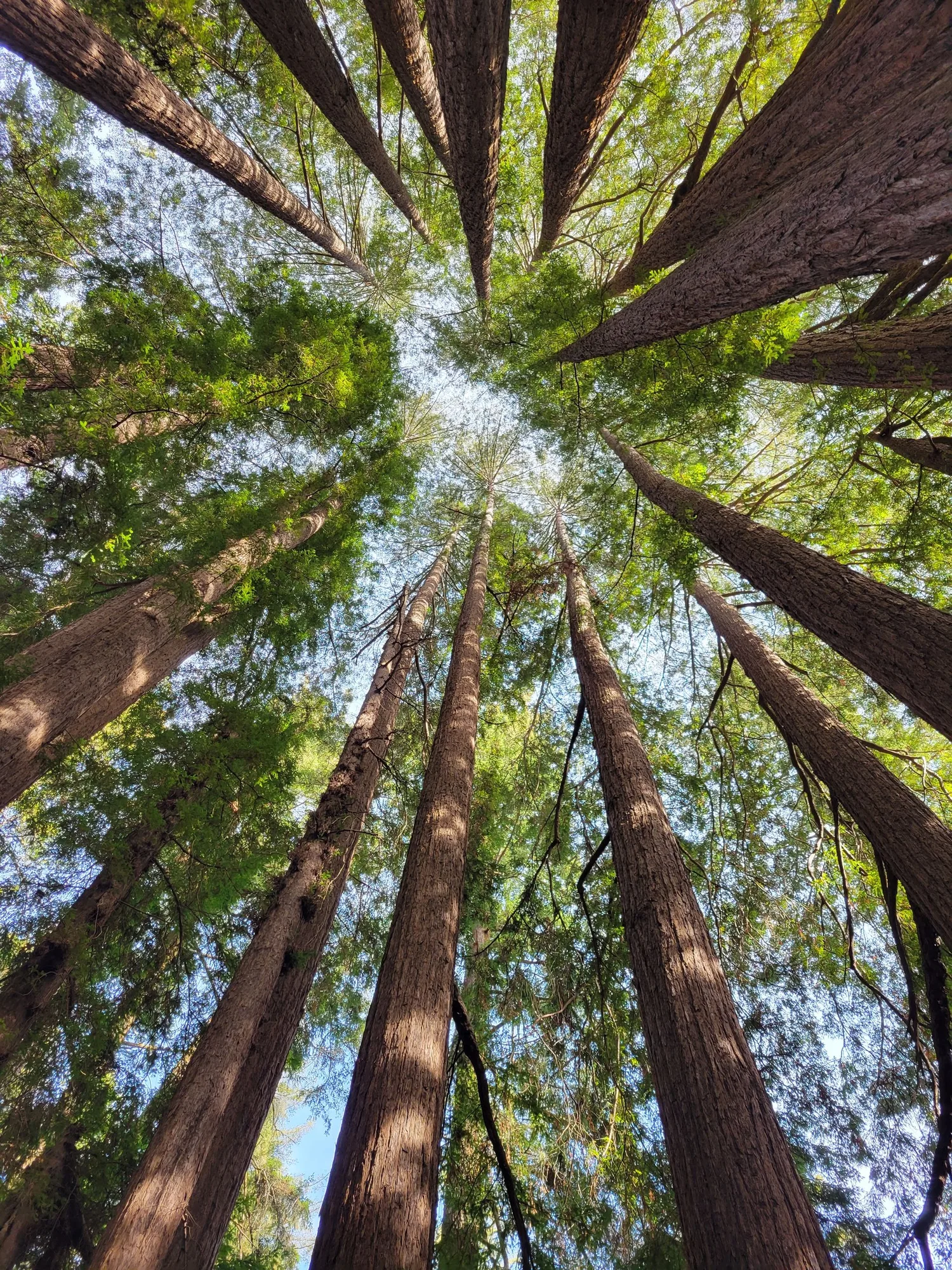
Redwood National Park: Why No Tree Here Will Ever Break 400 Feet
Hyperion, the tallest tree on Earth, tops out at 380 feet inside Redwood National Park. Here's the physics that may cap every redwood at roughly that height.
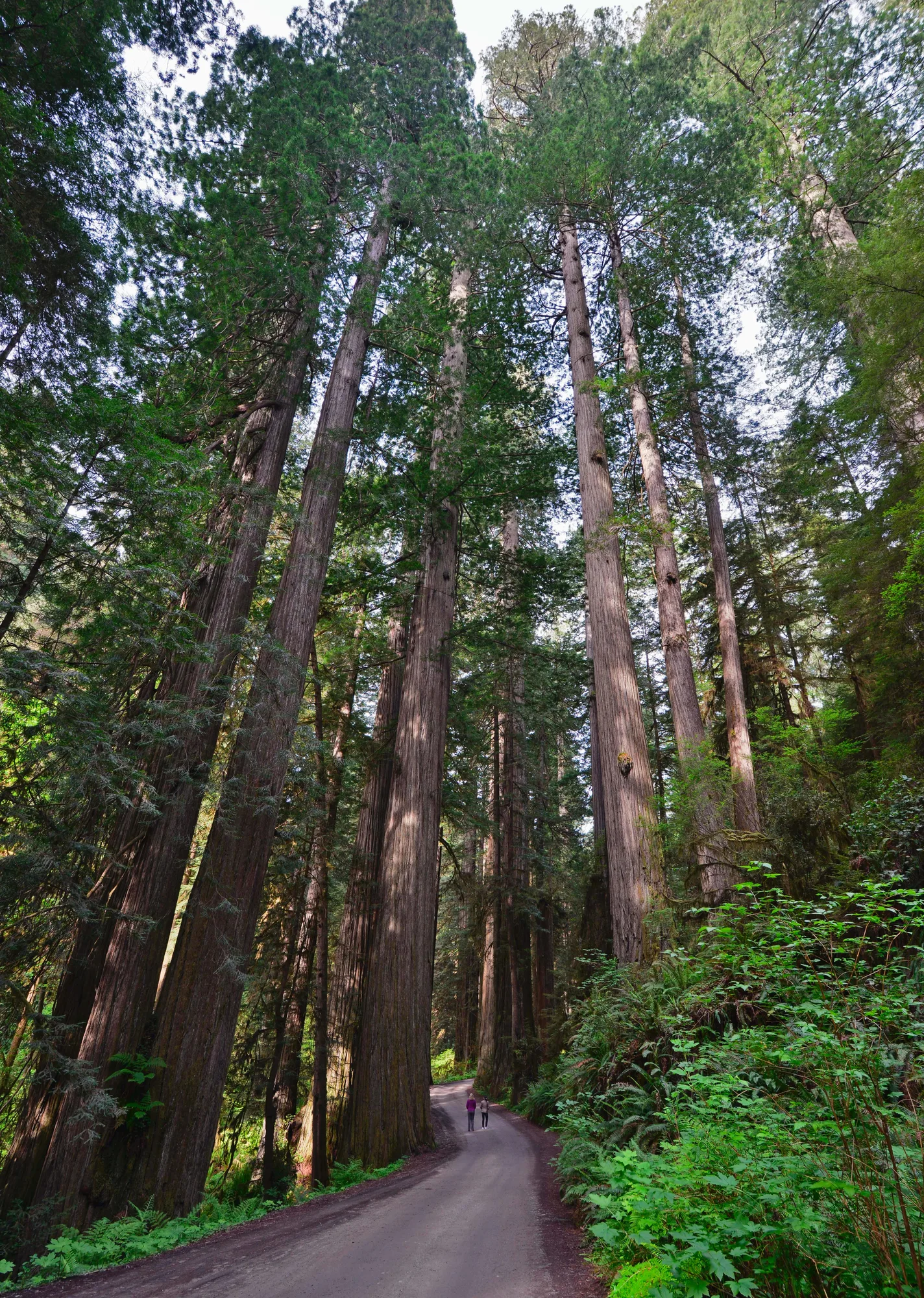
Redwood National Park History: The 50-Year Fight to Save These Trees
A road trip through dying old-growth in 1917 started a fight that took 50 years and three separate rescues to finally create Redwood National Park in 1968.
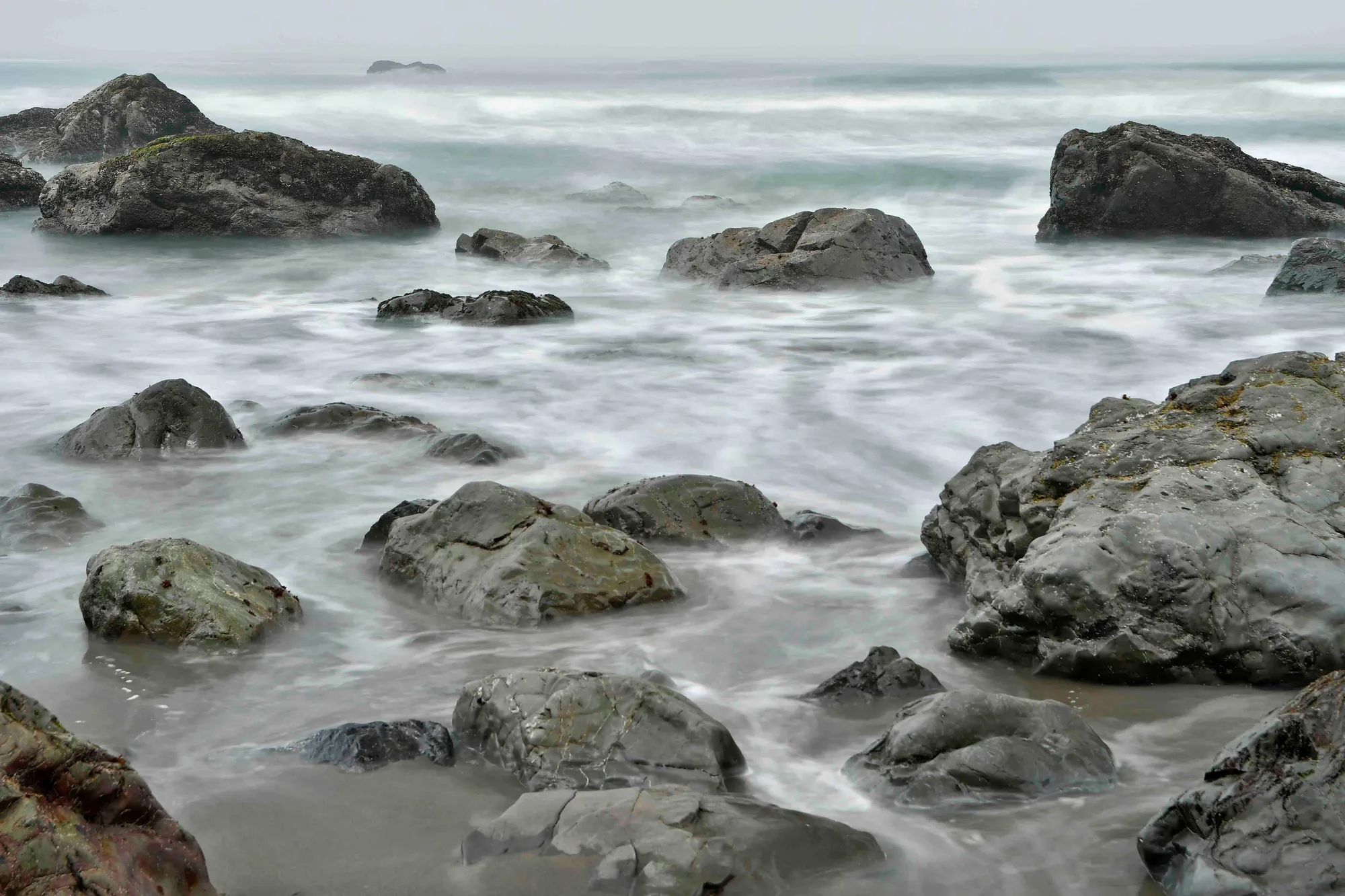
Redwood National Park: The Seabird That Nests 200 Feet Up a Tree
For 183 years nobody knew where marbled murrelets nested. The answer, found by accident in a Big Basin redwood, explains why old growth is worth saving.
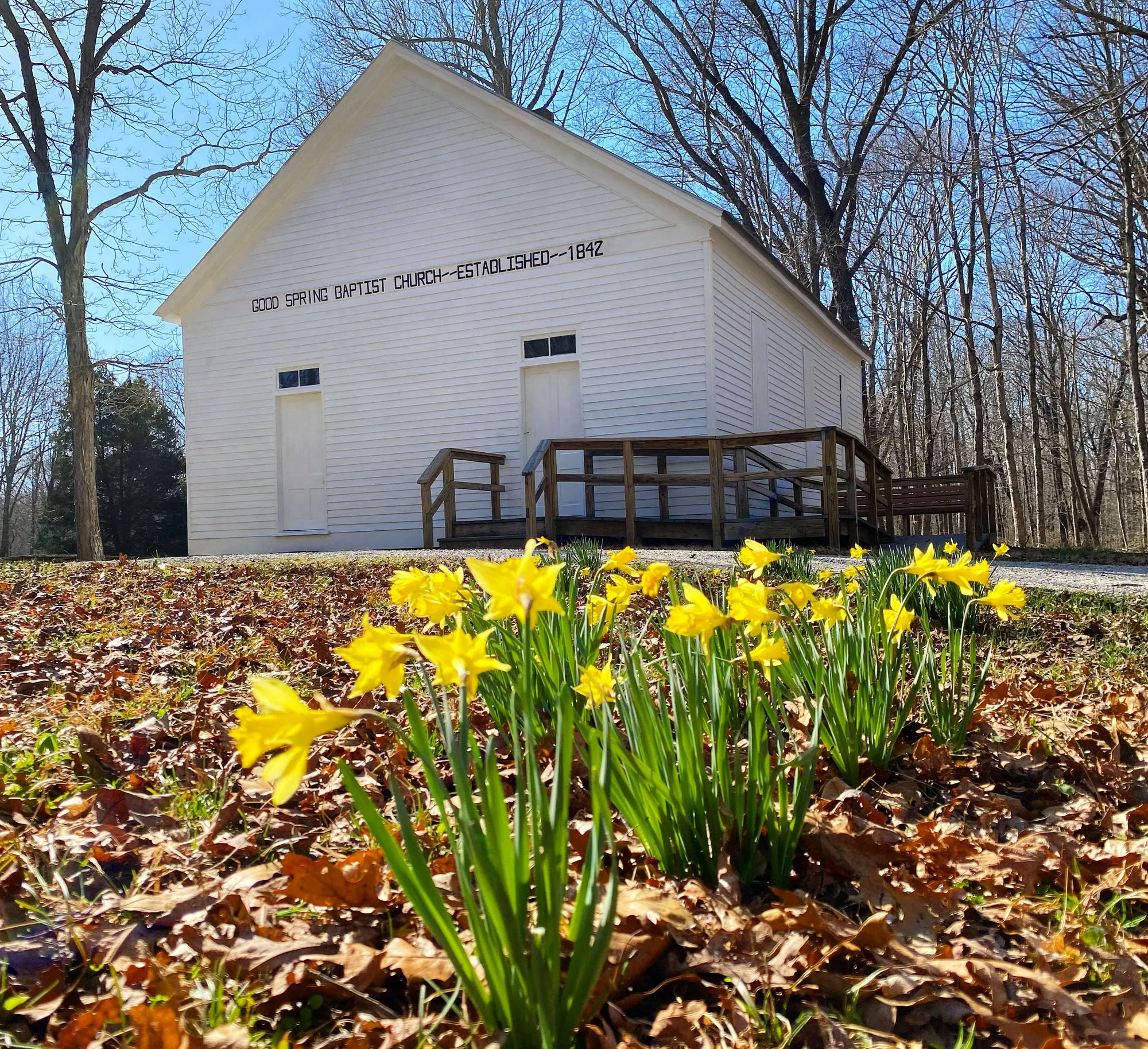
Mammoth Cave National Park: The Enslaved Man Who Mapped It From Memory
Stephen Bishop crossed a 105-foot pit on a ladder he built himself, then drew the most accurate map of Mammoth Cave from memory alone, still enslaved.
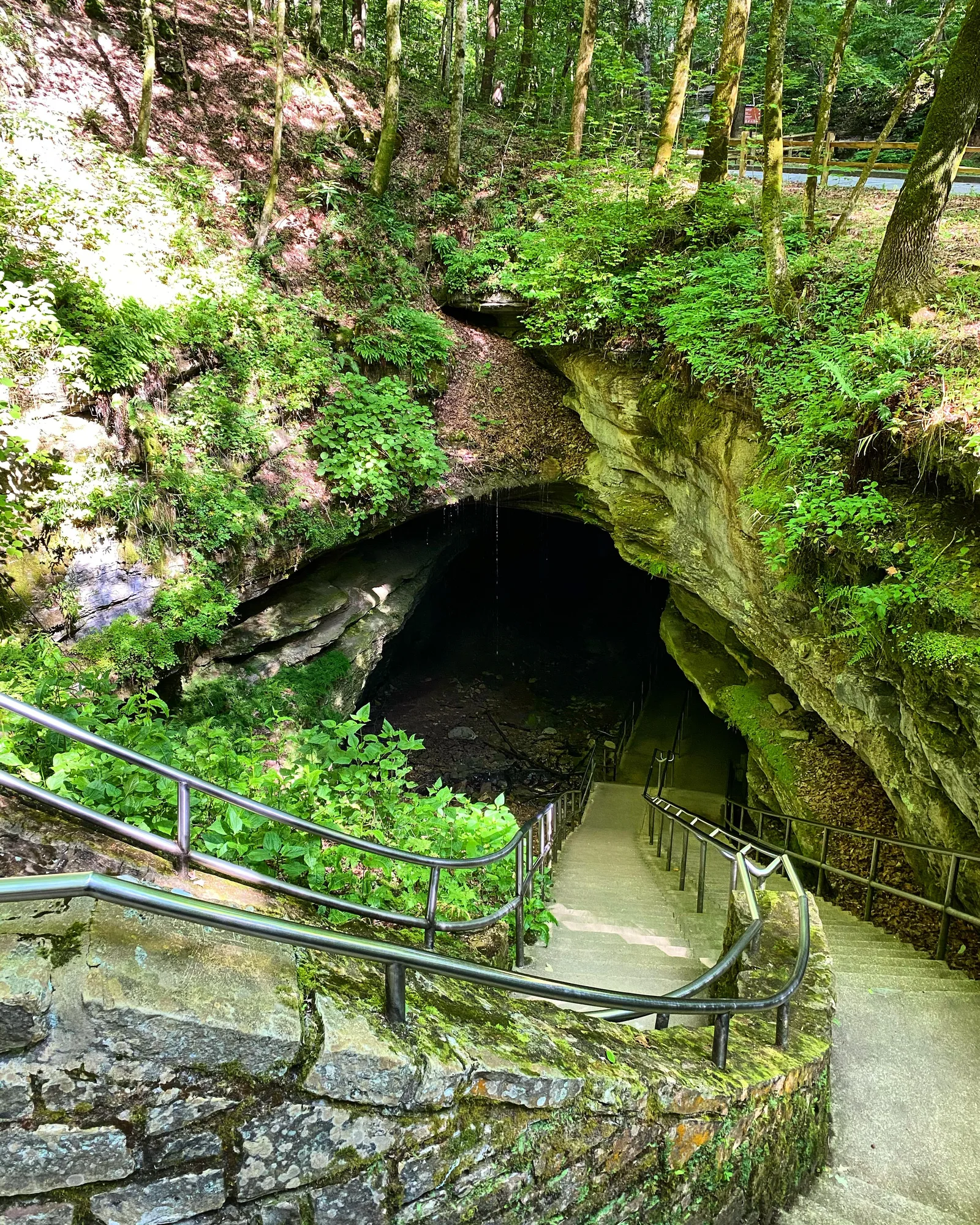
Mammoth Cave National Park: Why It's the Longest Cave on Earth, by 90 Miles
Mammoth Cave has over 420 surveyed miles, ninety more than the next-longest cave system on Earth. A sandstone roof is most of the reason why.
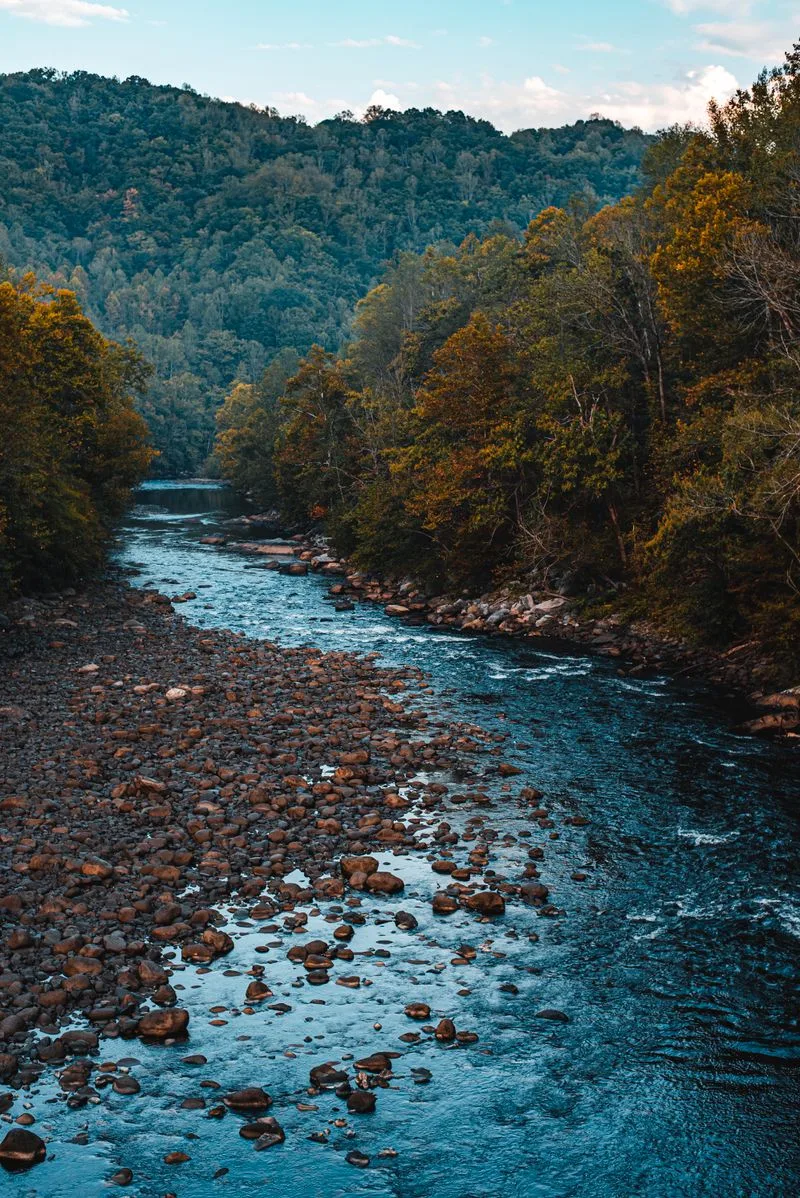
Mammoth Cave National Park: The Doctor Who Tried to Cure Tuberculosis Underground
In 1842, Dr. John Croghan moved sixteen tuberculosis patients into stone huts inside Mammoth Cave. Five died there. He died of the same disease seven years later.
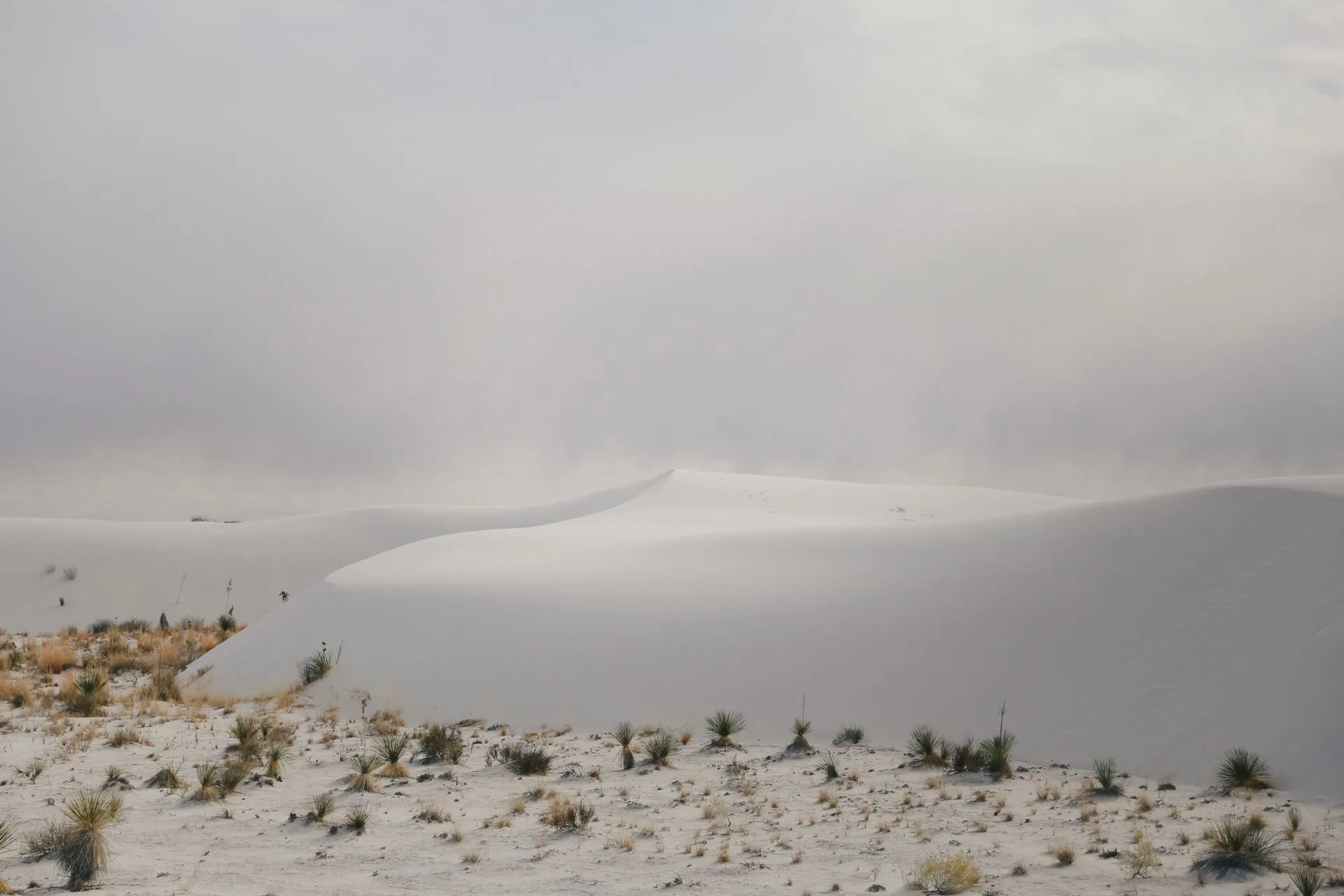
White Sands National Park: The 23,000-Year-Old Footprints Rewriting American History
A mile-long trackway of a child carried on a hip, and a hunter matching a giant sloth stride for stride. Fifty-five dates now confirm how old these prints are.
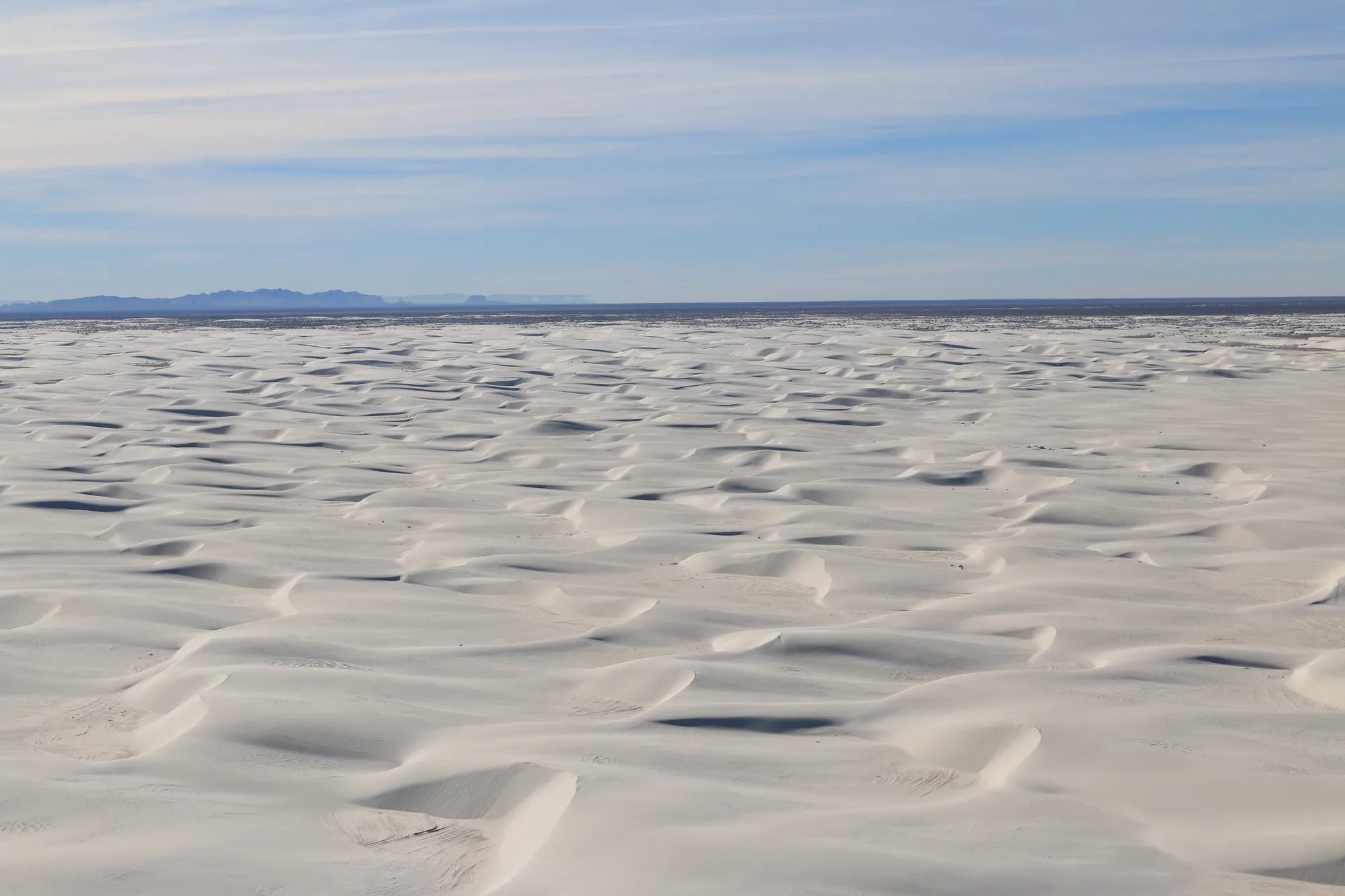
White Sands National Park: Inside the Largest Gypsum Dune Field on Earth
A dried ice-age lake, ninety times bigger than its nearest rival. Here's how a vanished lake in New Mexico built 275 square miles of white dunes.
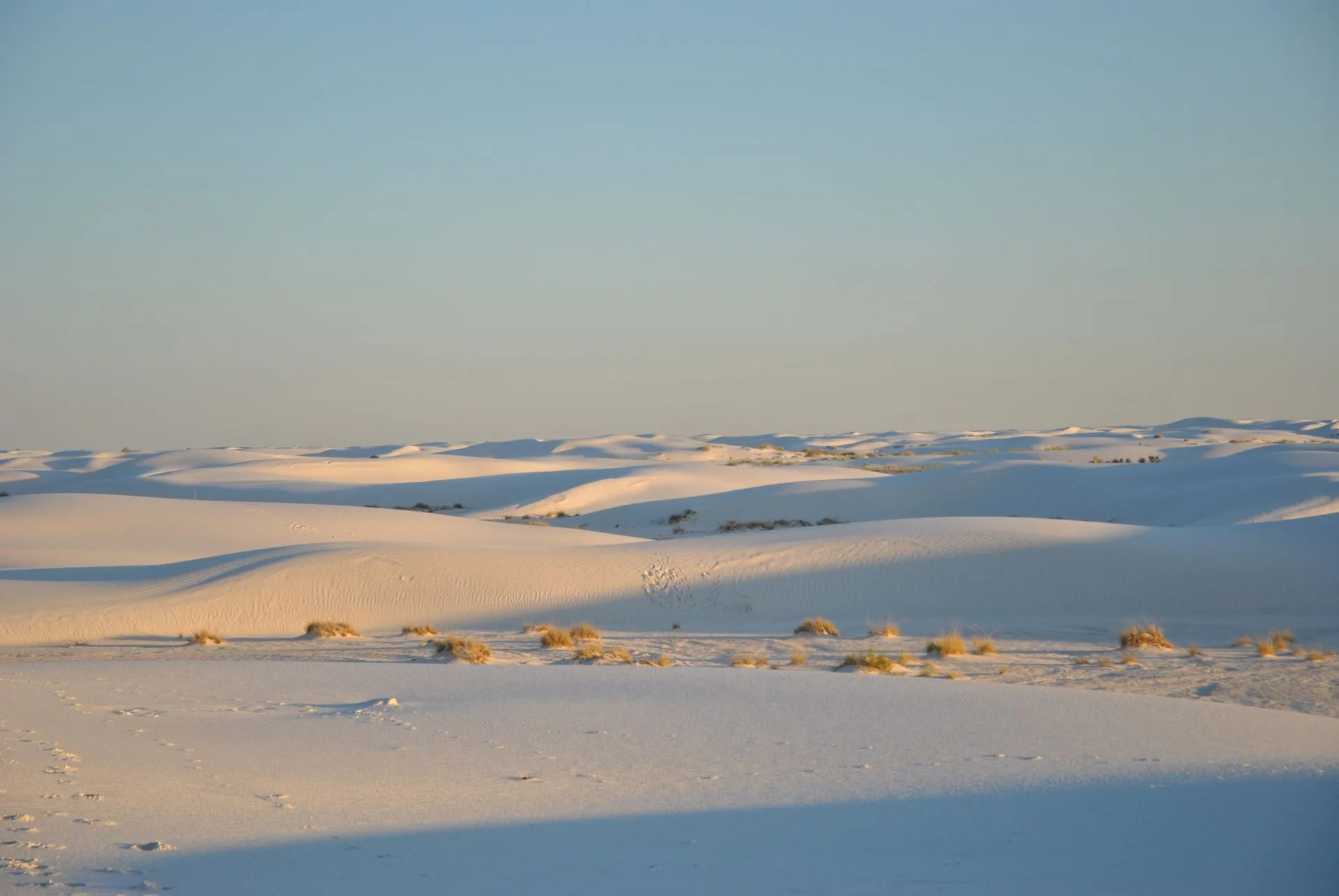
White Sands National Park: The Atomic Bomb Test 60 Miles From These Dunes
This national monument predates the missile range that boxed it in. Here's how the Trinity Test, and the ranchers displaced for it, connect to White Sands today.
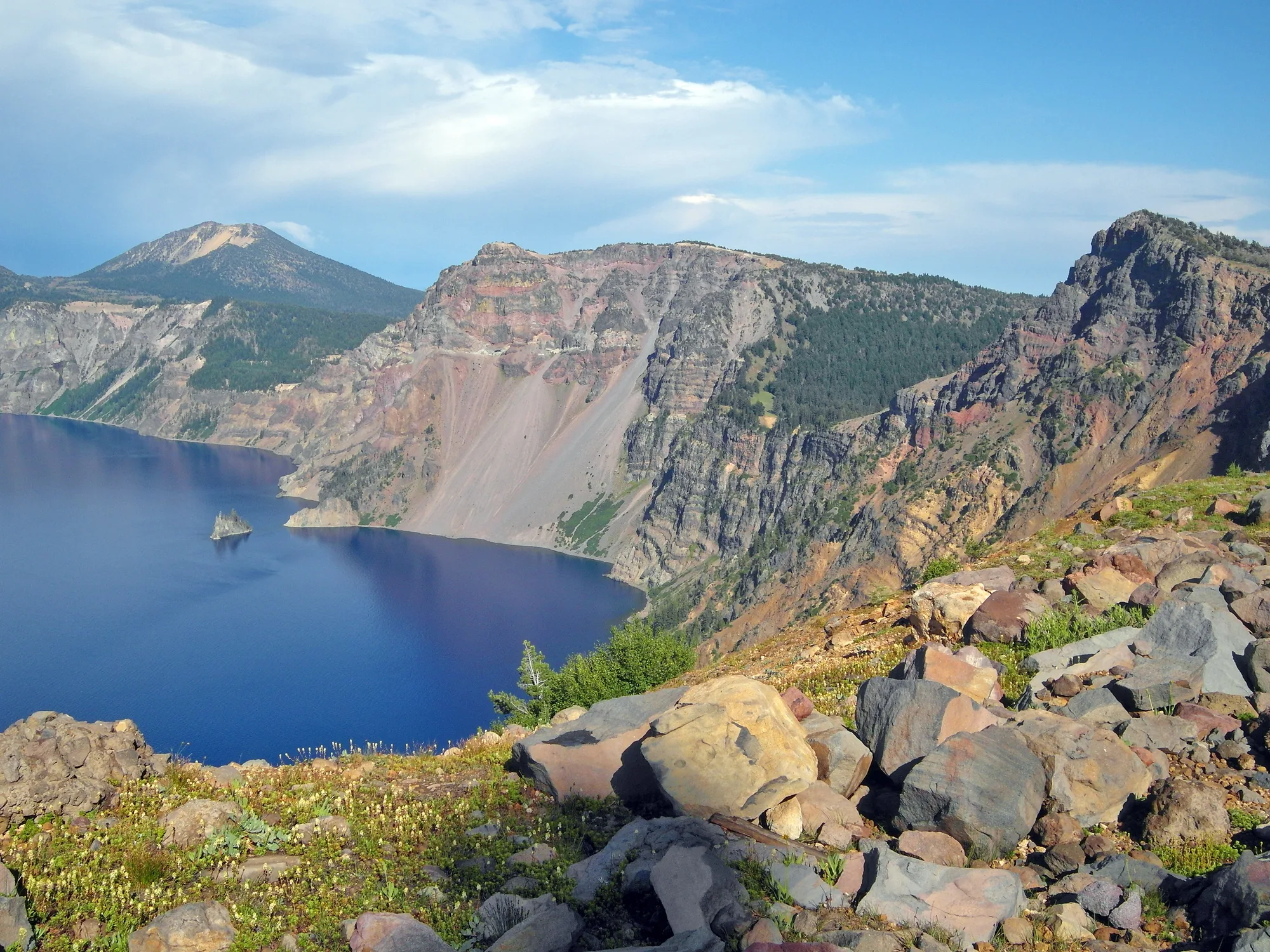
Crater Lake National Park: The Eruption the Klamath People May Have Witnessed
Mount Mazama collapsed 7,700 years ago in one of the largest eruptions in 10,000 years. A Klamath story about two warring spirits may describe exactly what happened.
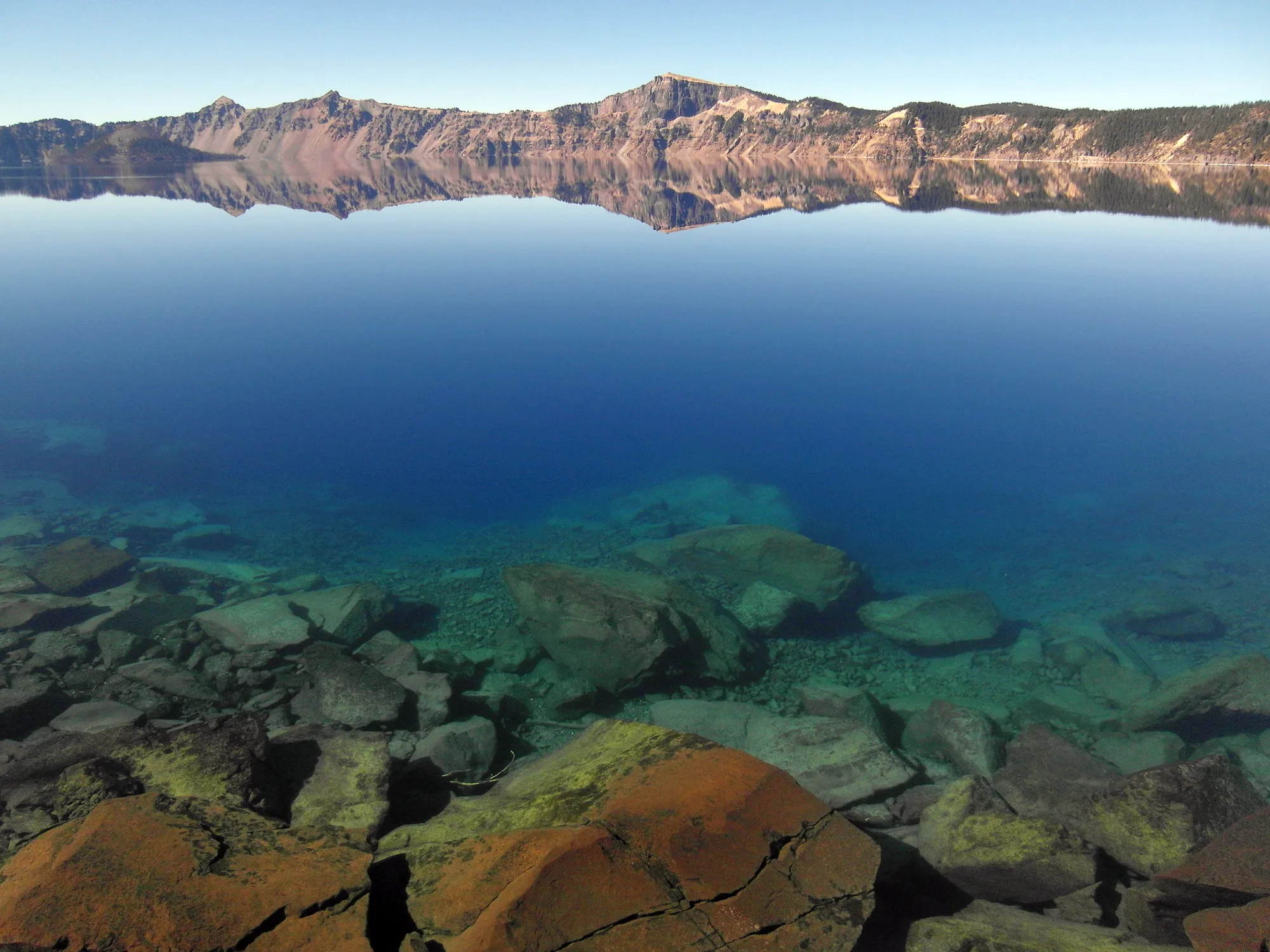
Crater Lake National Park: Why This Is the Clearest, Bluest Lake in America
No rivers flow in or out, so almost nothing clouds the water. Secchi disk readings dating to 1896 show Crater Lake is even clearer today than it was forty years ago.
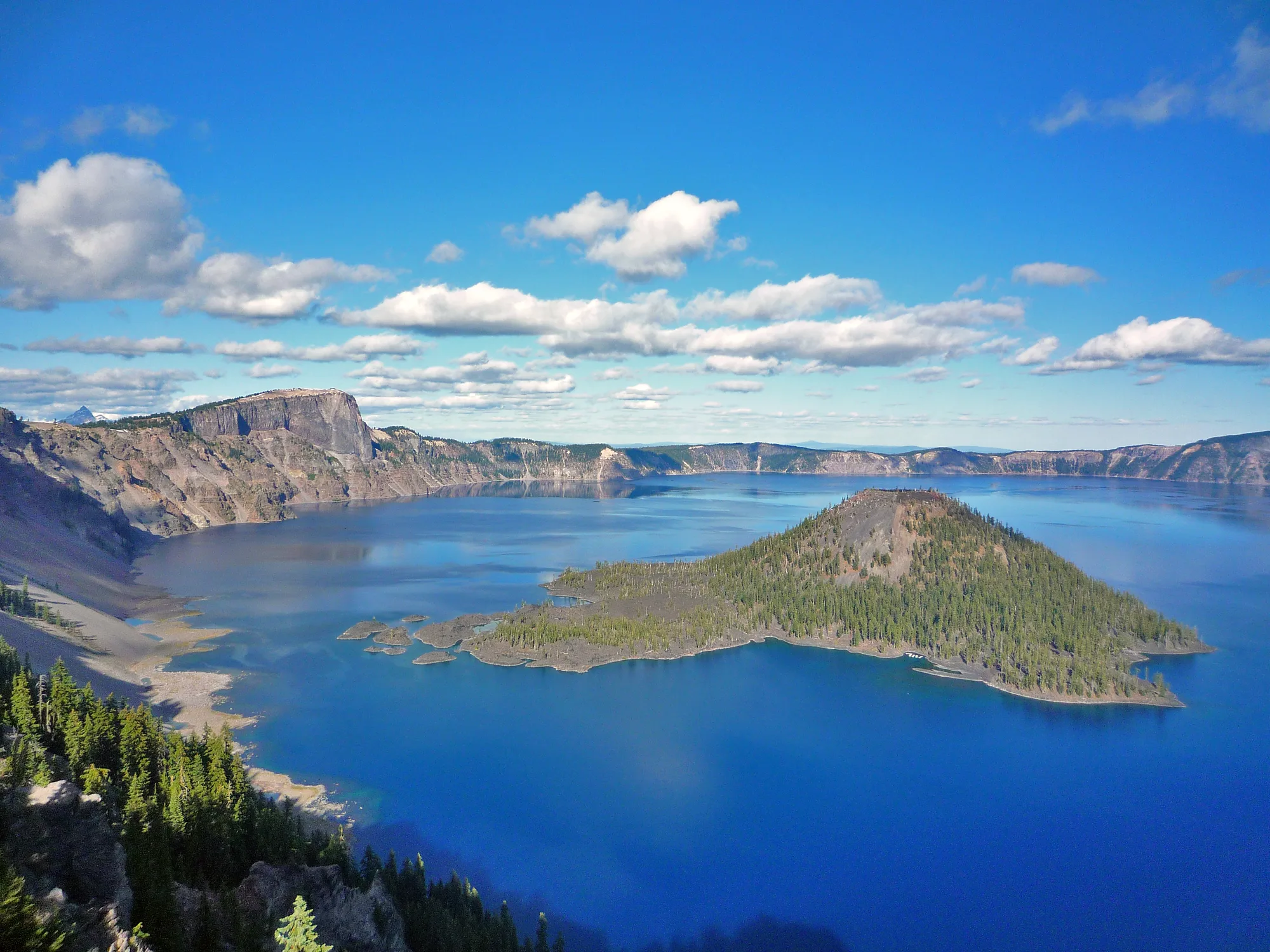
Crater Lake National Park: The Floating Log That's Stood Upright for Over a Century
A thirty-foot hemlock log has bobbed vertically in Crater Lake since at least 1896, drifting as far as sixty-two miles in a single summer. Nobody has fully explained why it floats standing up.
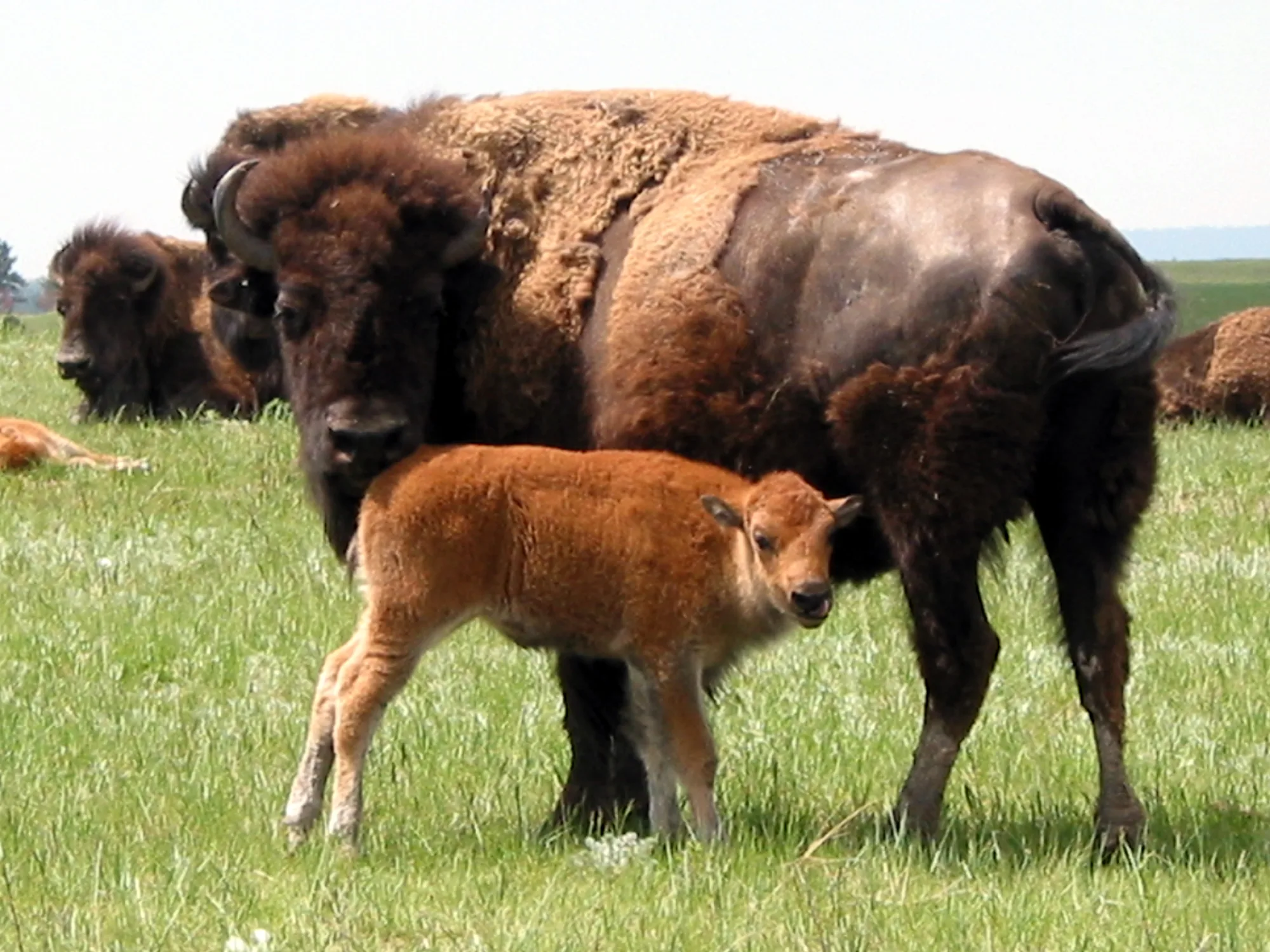
Wind Cave National Park: Inside the World's Rarest Cave Formation
Wind Cave holds more boxwork, a honeycomb calcite lattice, than any cave known on Earth. The National Park Service itself calls how it formed one of the cave's biggest mysteries.
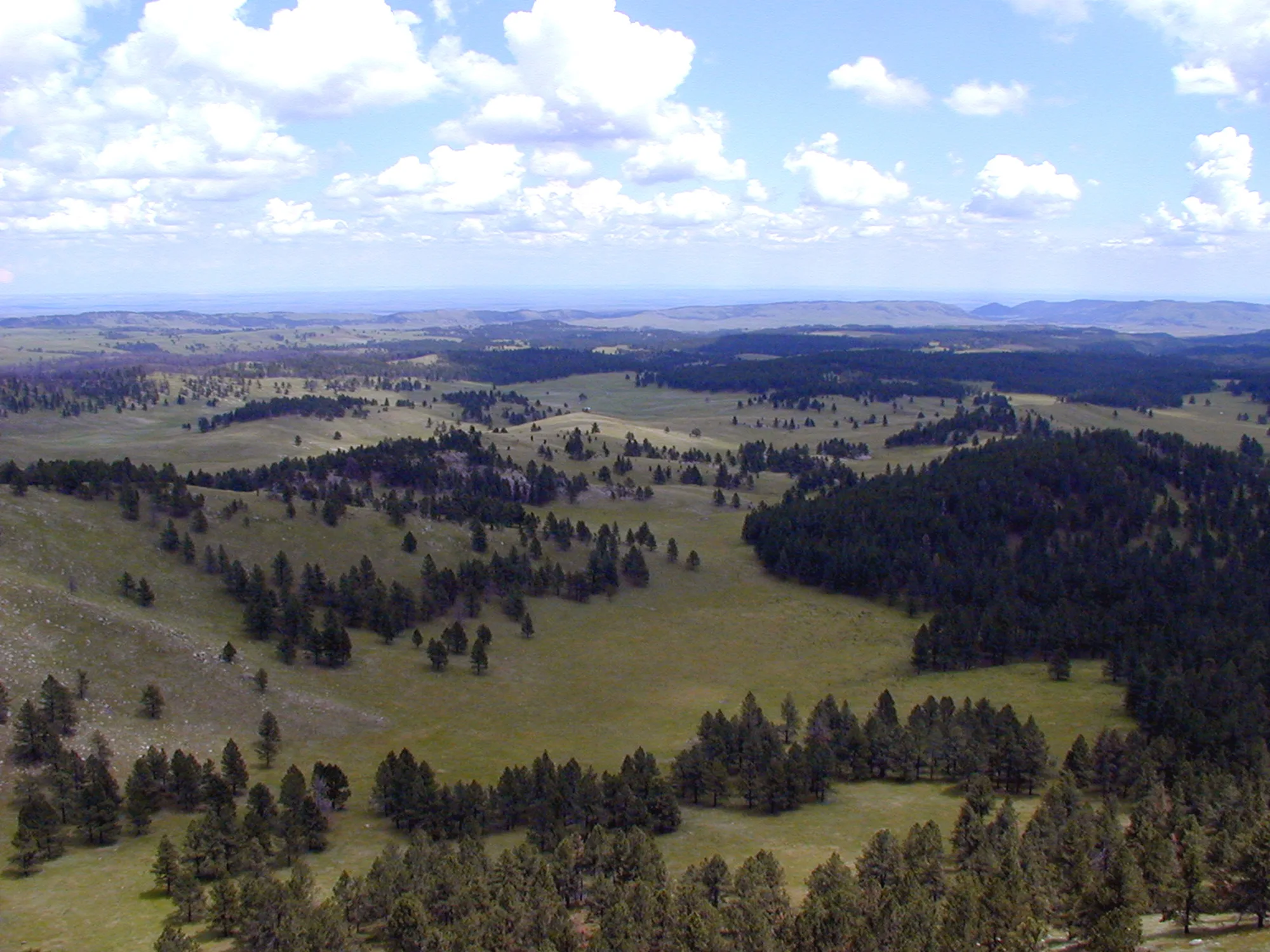
Wind Cave National Park: The Cave That's Still 90 Percent Undiscovered
Wind Cave breathes through a single small opening, and scientists use that airflow to estimate how much of the cave remains unmapped. By their own measure, it's most of it.
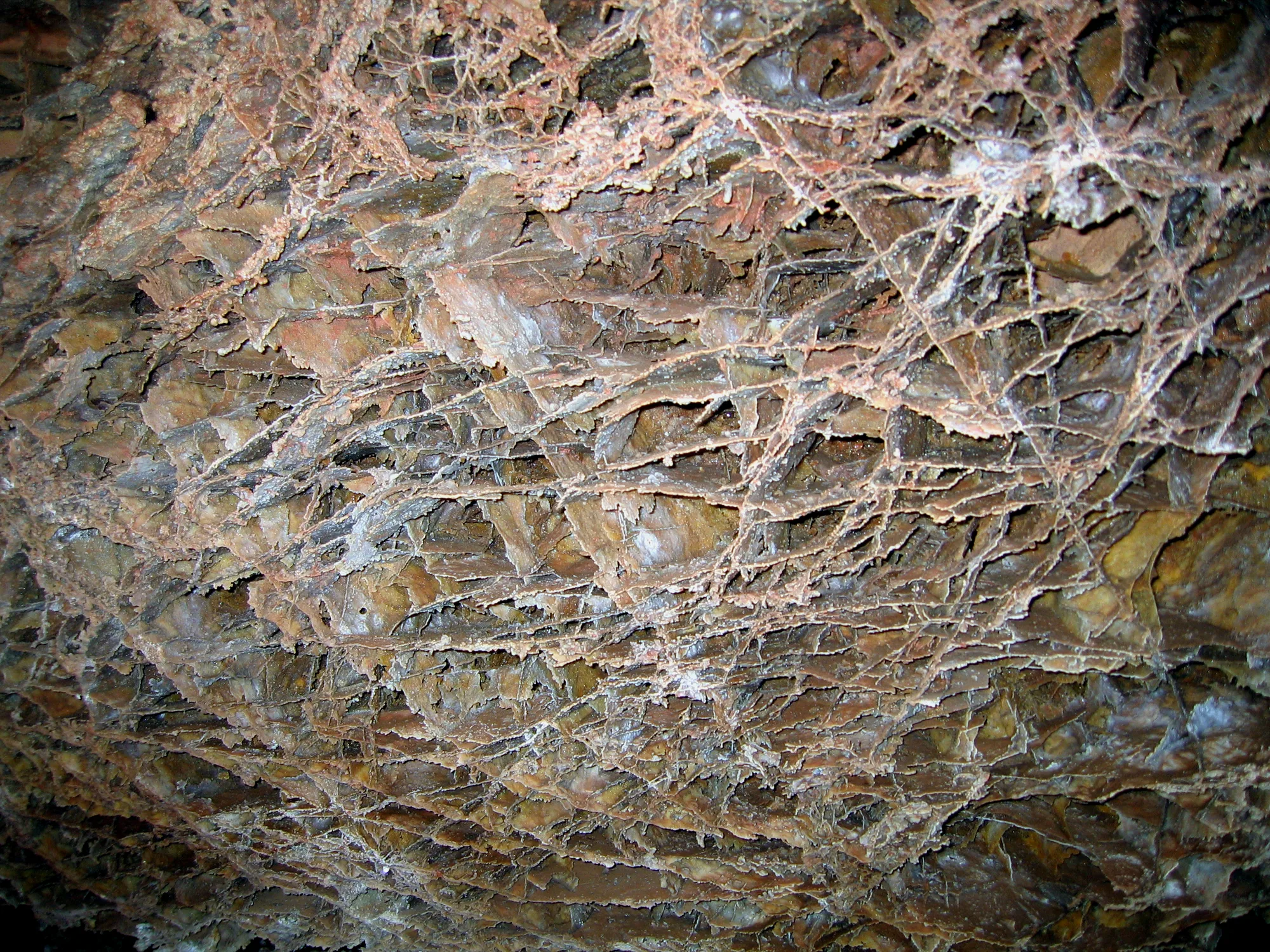
Wind Cave National Park: The Lakota Story of Emergence at Maka Oniye
Long before it was a national park, the Lakota knew this cave as Maka Oniye, breathing earth, the place their people say humanity first emerged onto the surface.
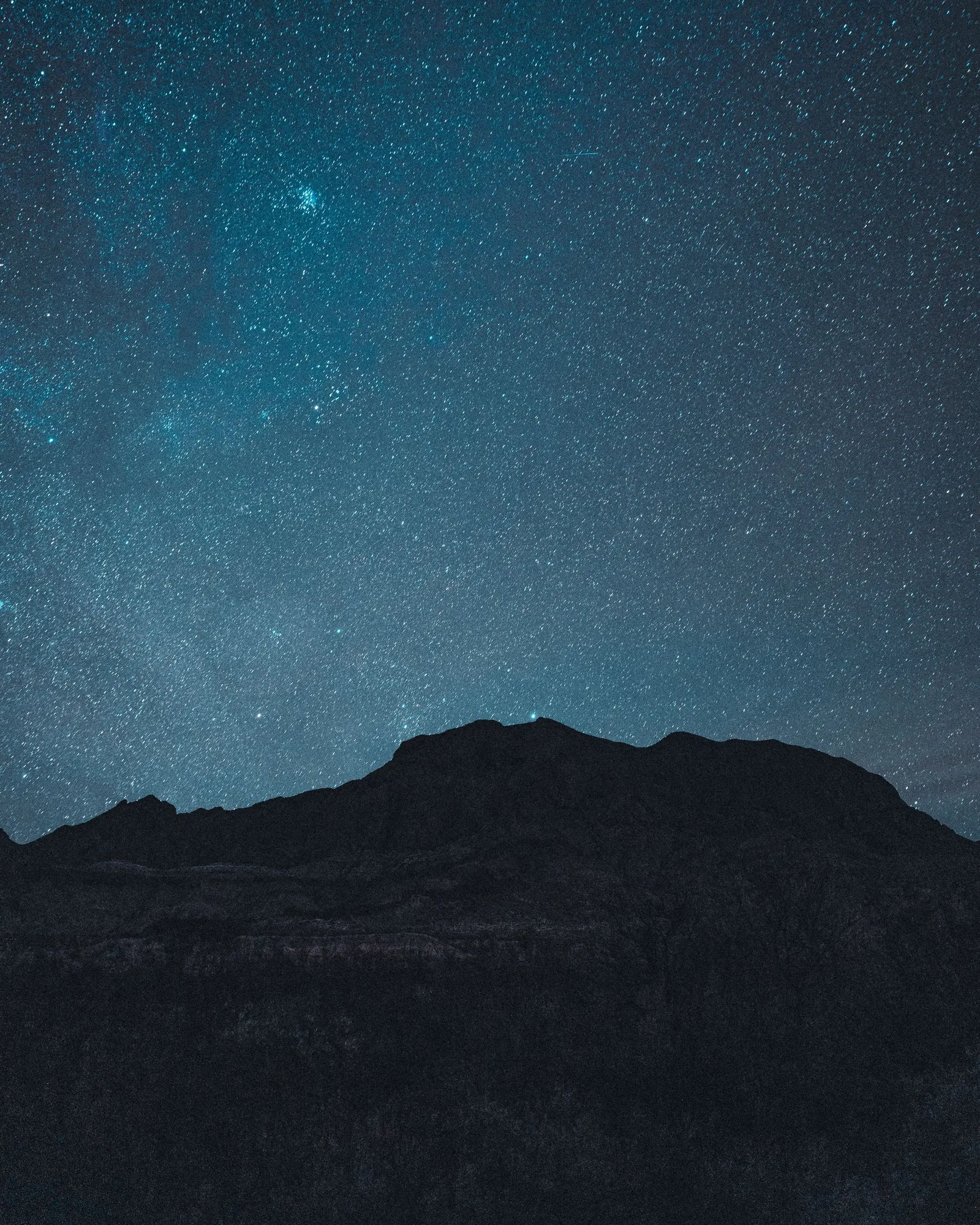
Big Bend National Park: Why This Is the Darkest Sky in the Lower 48
Big Bend holds some of the darkest measured skies in the continental United States. The National Park Service's own monitoring team says the Milky Way here is bright enough to cast a shadow.
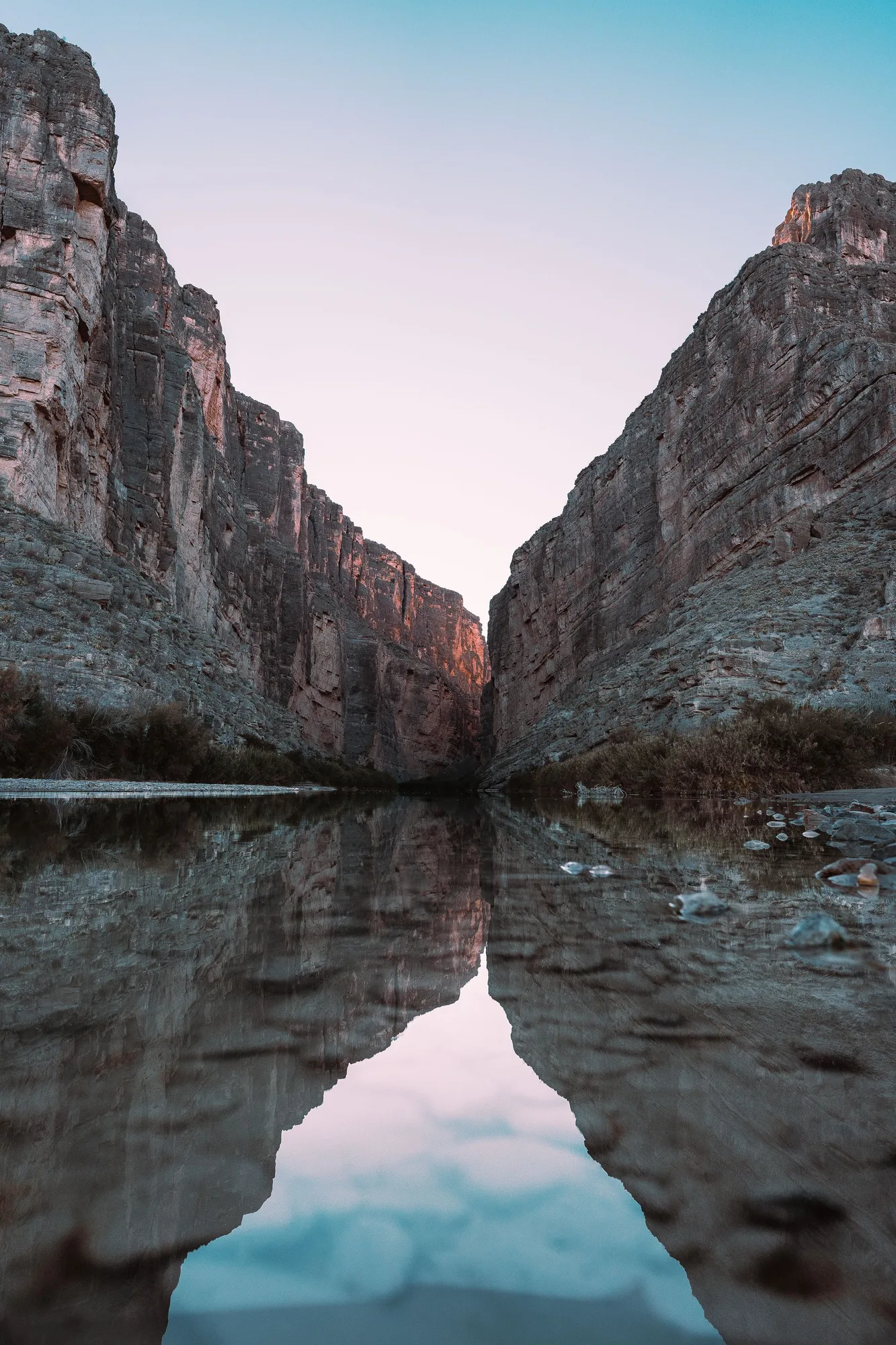
Big Bend National Park: Home to the Largest Flying Animal That Ever Lived
In 1971, a University of Texas graduate student found a wing bone eroding out of a Big Bend arroyo. It belonged to Quetzalcoatlus, the largest flying animal known to have existed.
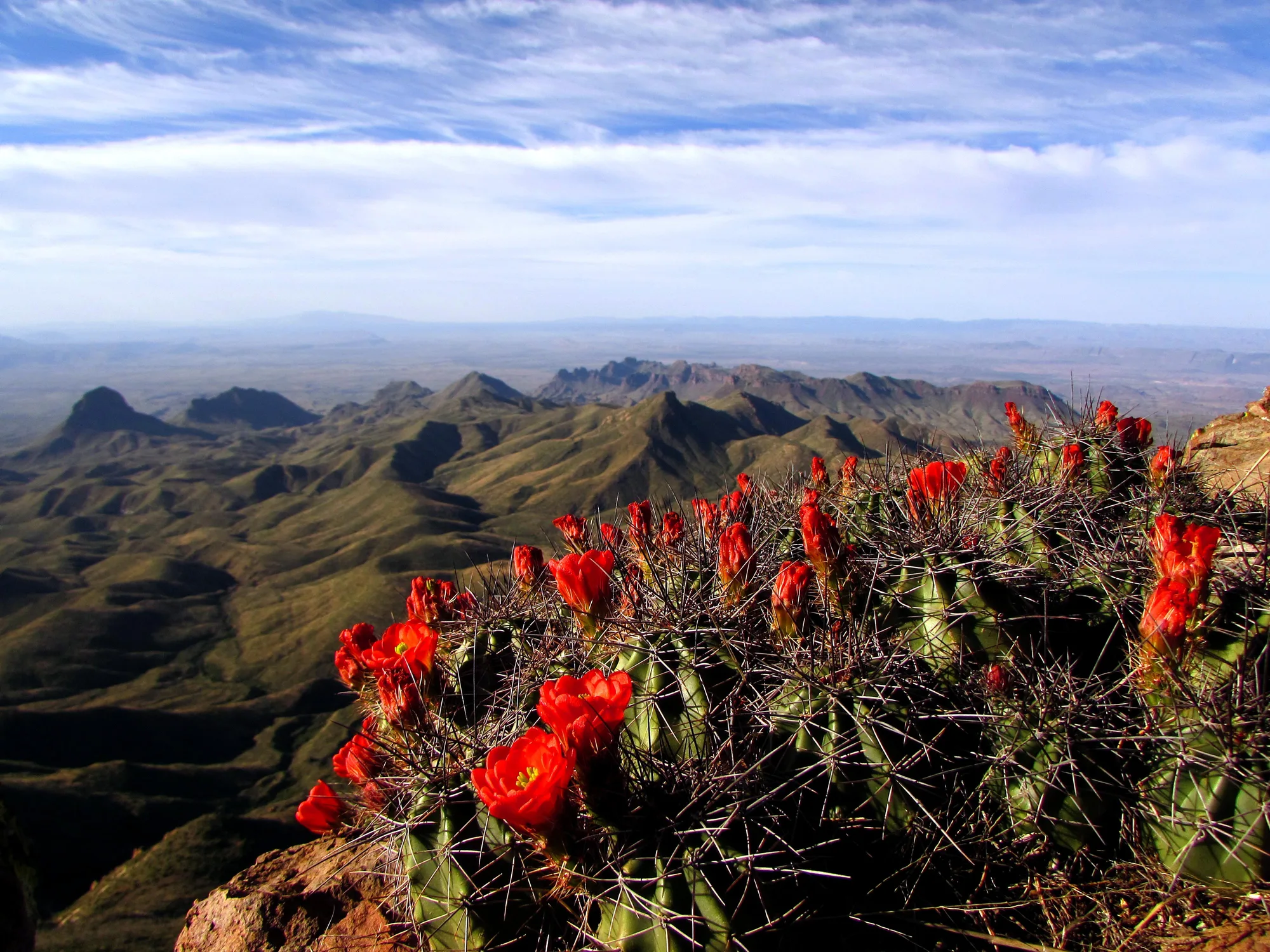
Big Bend National Park: The Only Place in America to See This Bird
The Colima warbler nests in the United States in exactly one place: a handful of north-facing canyons in Big Bend's Chisos Mountains, an island of forest surrounded by desert.
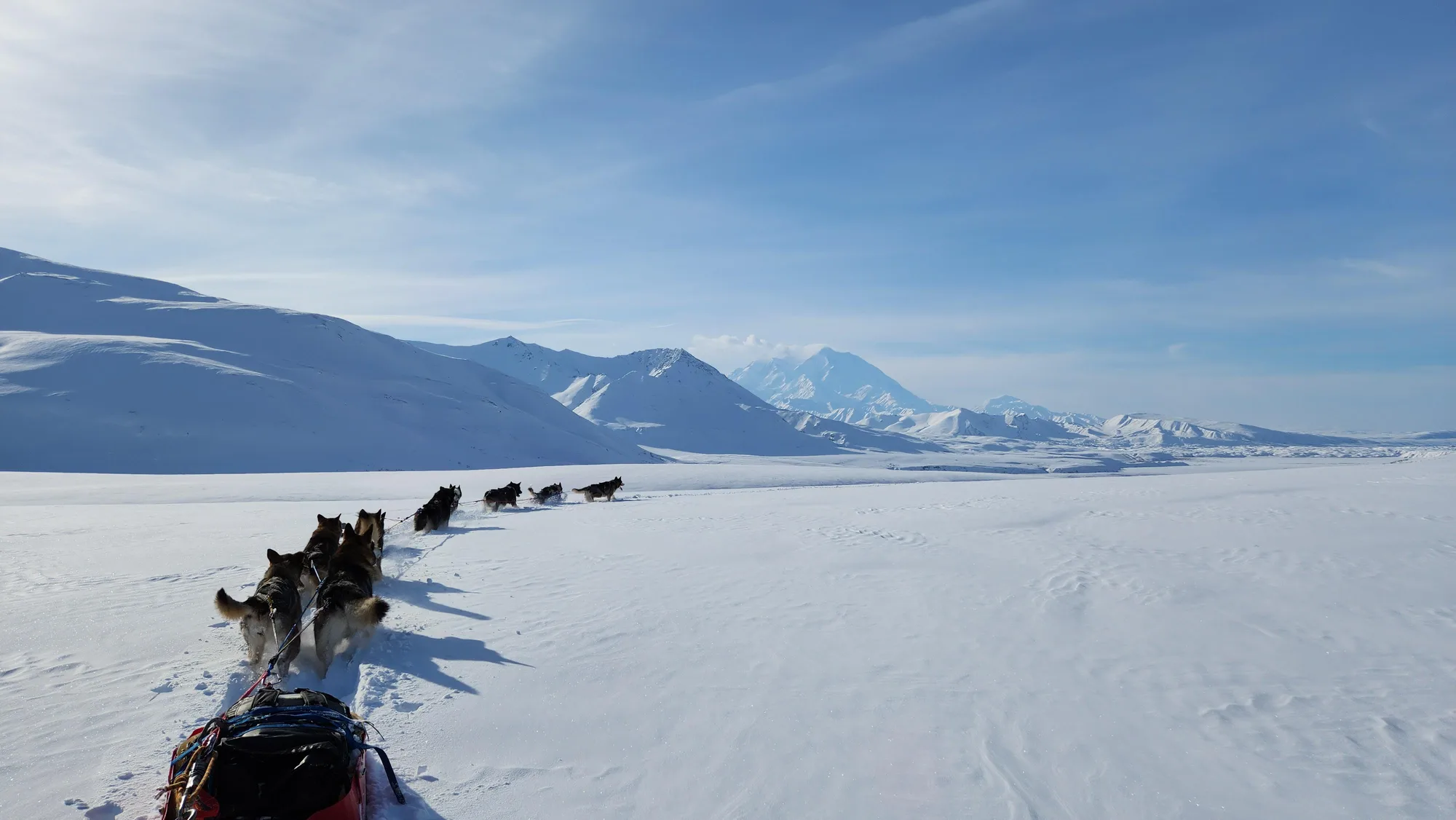
Denali National Park: The Only Park With Its Own Sled Dog Team
Denali still patrols its wilderness by dog sled, the same way it did in 1922. No other unit in the National Park System keeps a working kennel like it.
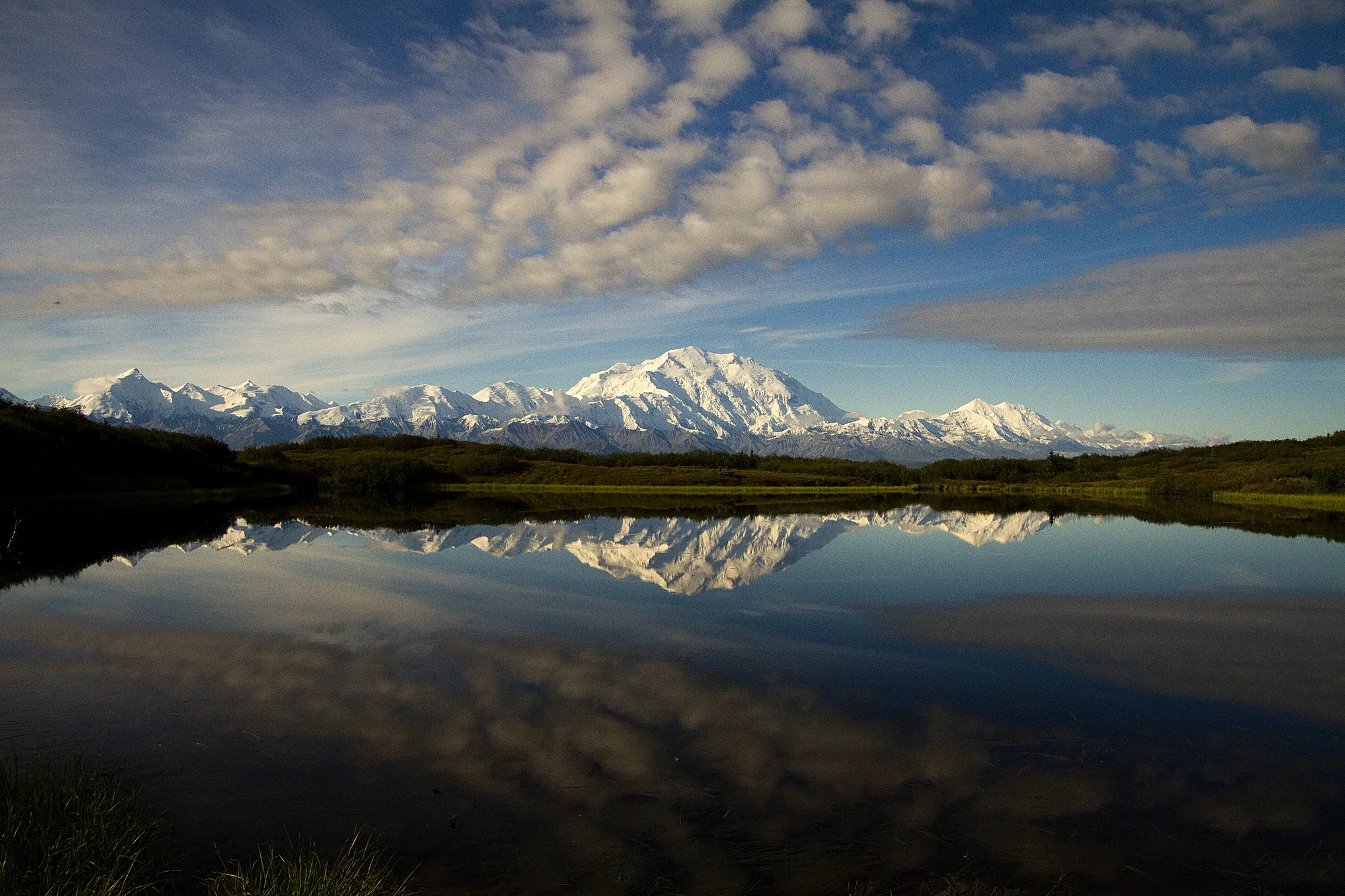
Denali National Park: Why You Can't Drive Yourself to See the Wildlife
Denali has restricted most private vehicles from its one road since 1972. That restriction, not luck, is a big reason the wildlife here stays so visible.
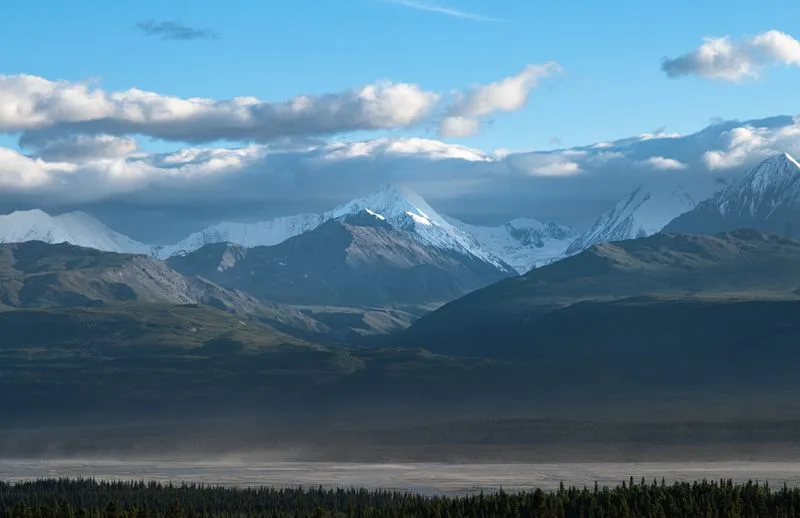
Denali National Park: The First Ascent, and the Man Who Reached the Summit First
On June 7, 1913, a twenty-year-old Koyukon Athabascan named Walter Harper became the first person to stand on Denali's true summit.
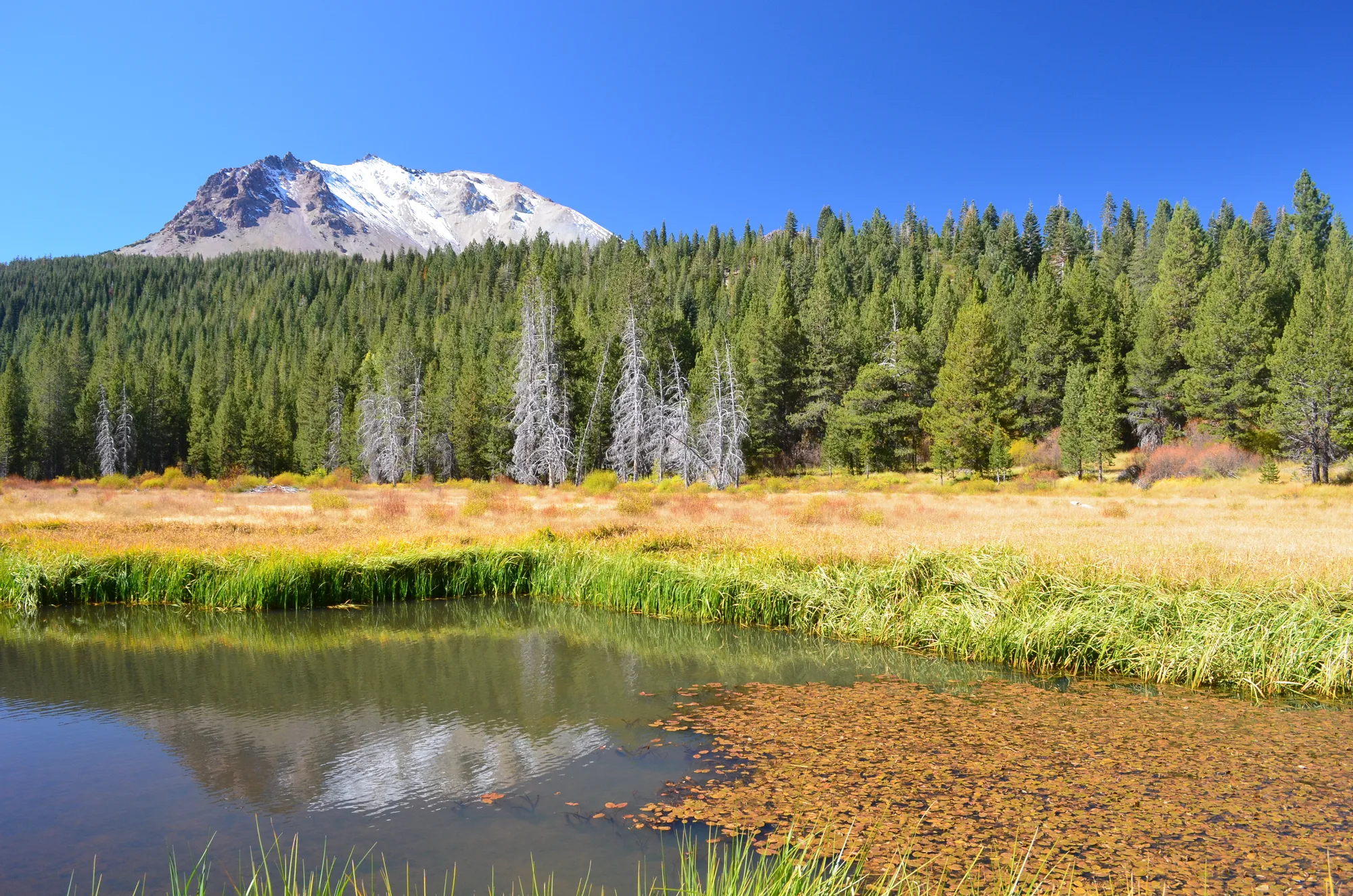
Lassen Volcanic National Park: The Only Park With All Four Volcano Types
Shield, composite, cinder cone, plug dome: every kind of volcano on Earth sits inside Lassen Volcanic's borders, including the largest lava dome on the planet.
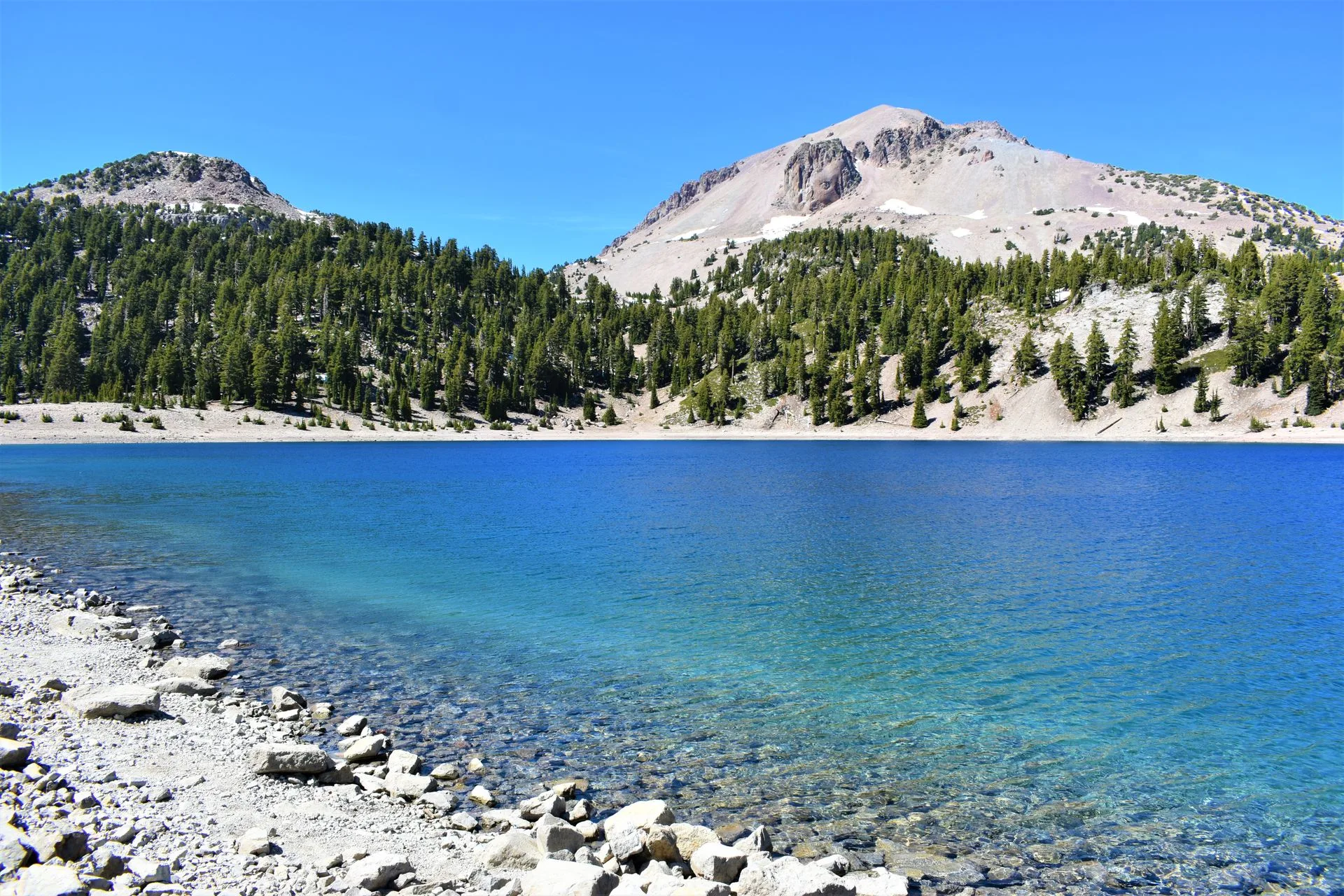
Lassen Volcanic National Park: The Eruption Tree Rings Had to Correct
Eyewitnesses said Cinder Cone erupted in 1850. Tree rings proved them wrong by nearly two centuries, and pointed straight at the colorful Painted Dunes nearby.
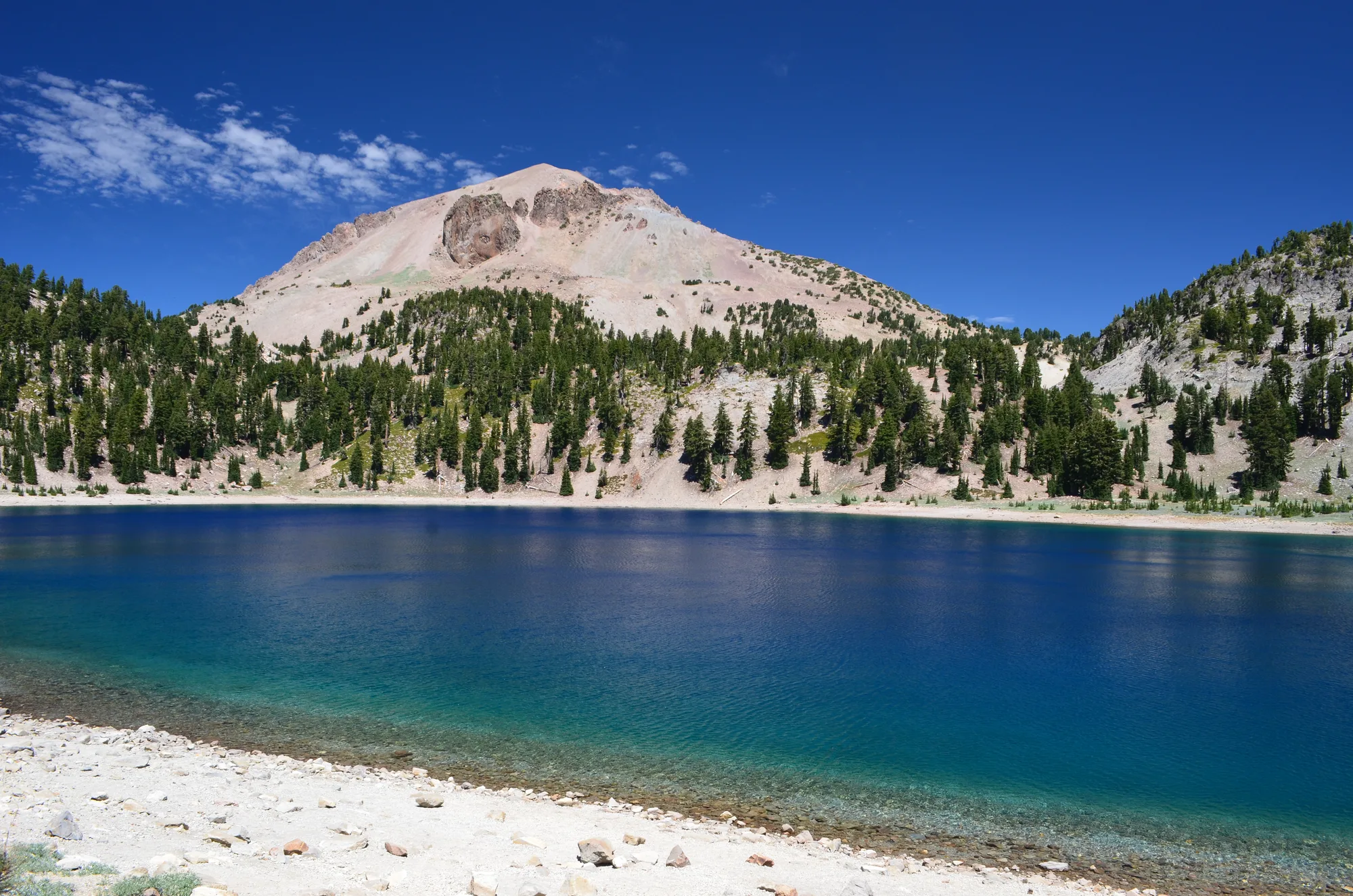
Lassen Volcanic National Park: Hiking to the Summit of an Active Volcano
A five-mile round trip trail puts hikers on top of an active volcano at 10,457 feet. No permit, no technical gear, just about 2,000 feet of climbing.
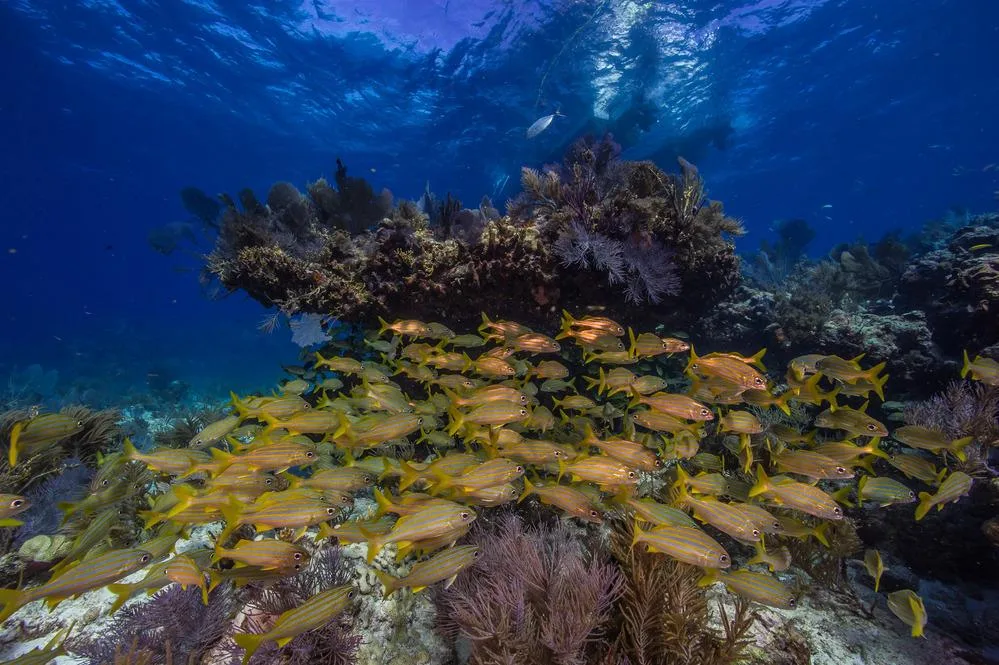
Biscayne National Park: The Third-Longest Barrier Reef in the World Starts Here
Ninety-five percent of Biscayne is water, and most of what draws people here is a coral reef almost nobody sees from land.
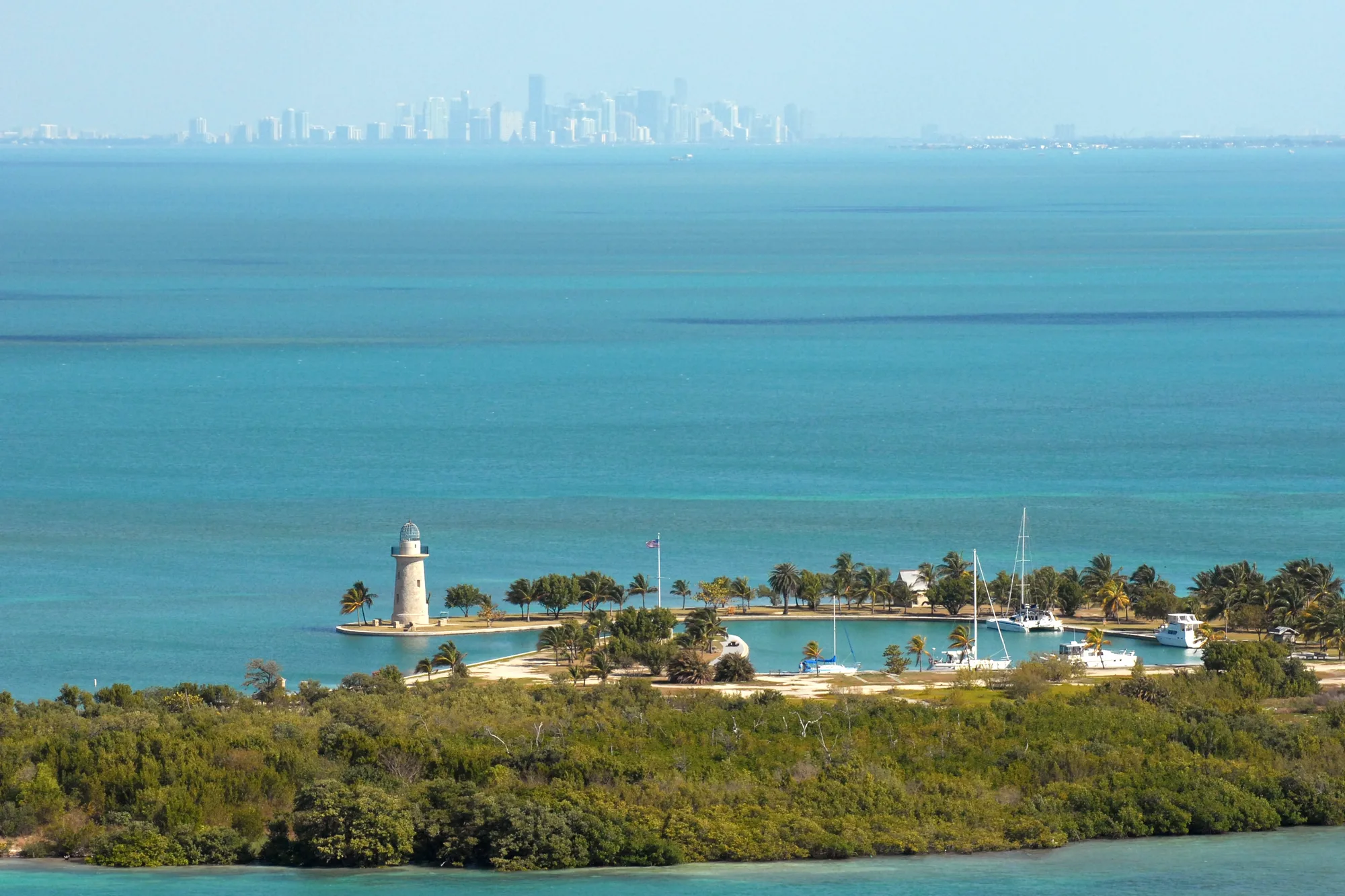
Biscayne National Park: The Industrial Port That Never Got Built
A 1960s plan would have dredged Biscayne Bay for a deep-water seaport and an entire new city. A handful of Miami locals stopped it.
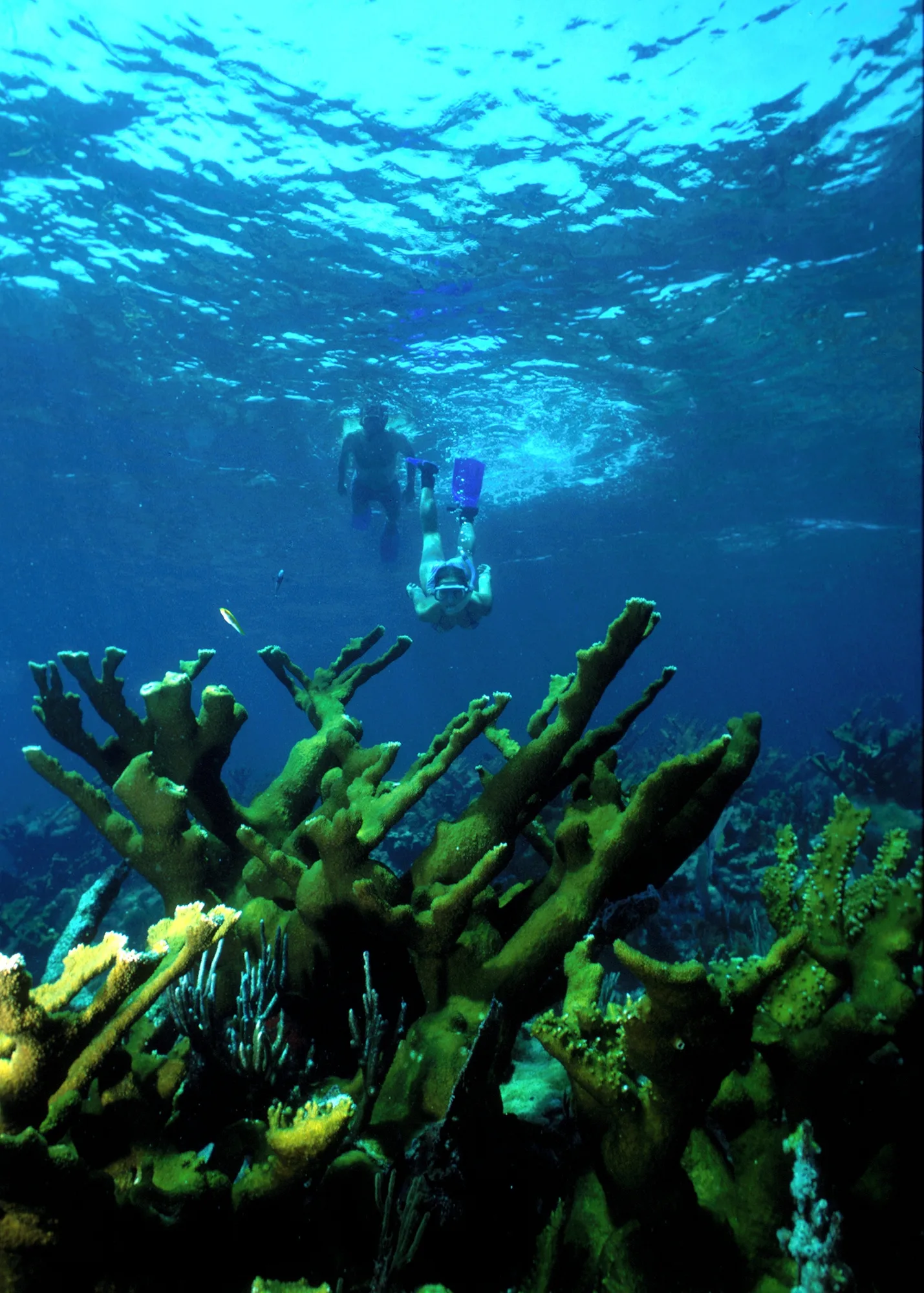
Biscayne National Park: Ninety-Five Percent Water, and What Lives In It
Manatees, threatened crocodiles, and an endangered butterfly all share one of the most water-dominated national parks in the system.
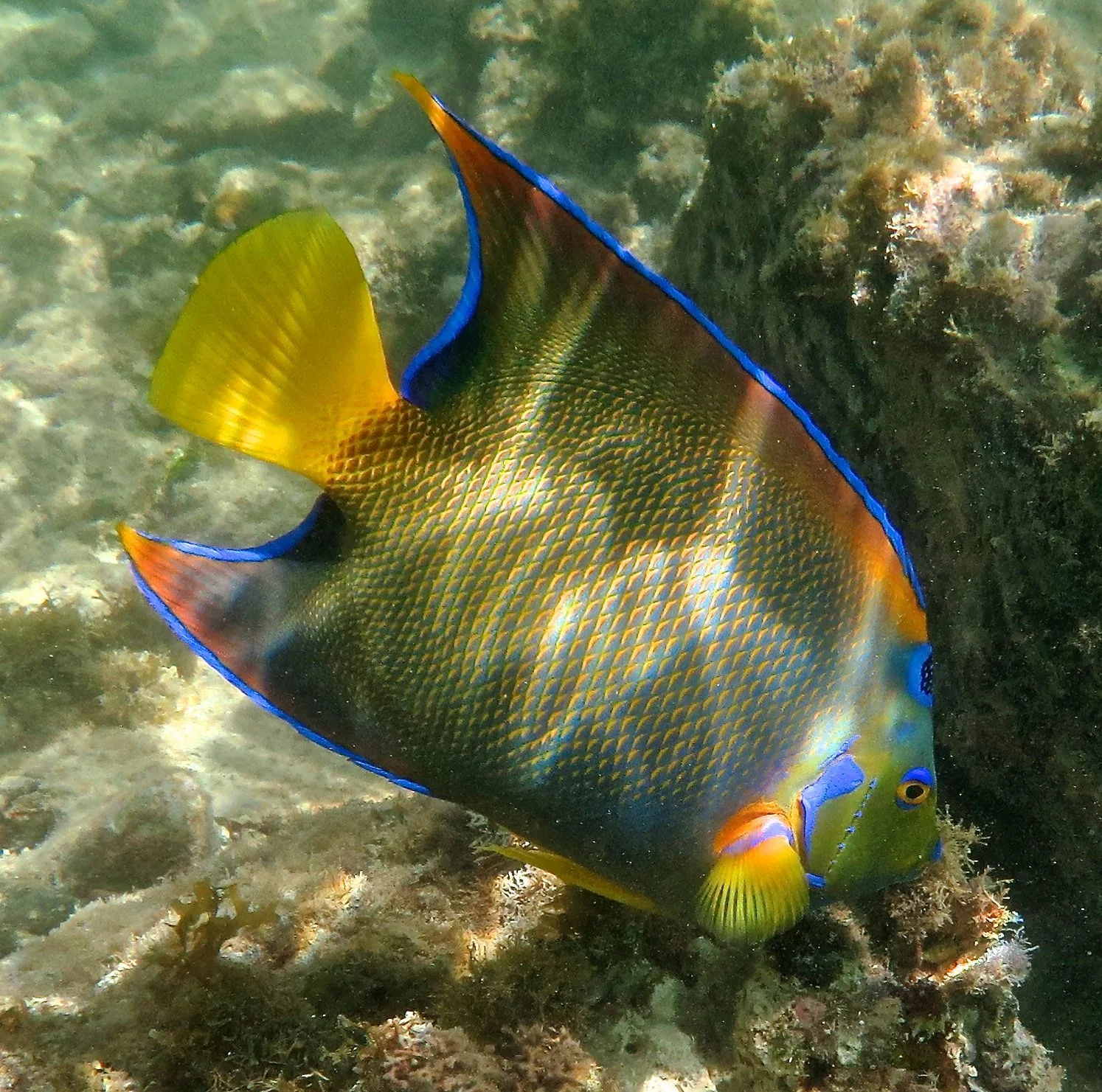
Virgin Islands National Park: The Reefs That Nearly Didn't Survive 2017
Two hurricanes in two weeks wiped out up to 100 percent of the marine life in some of St. John's mangrove reefs.
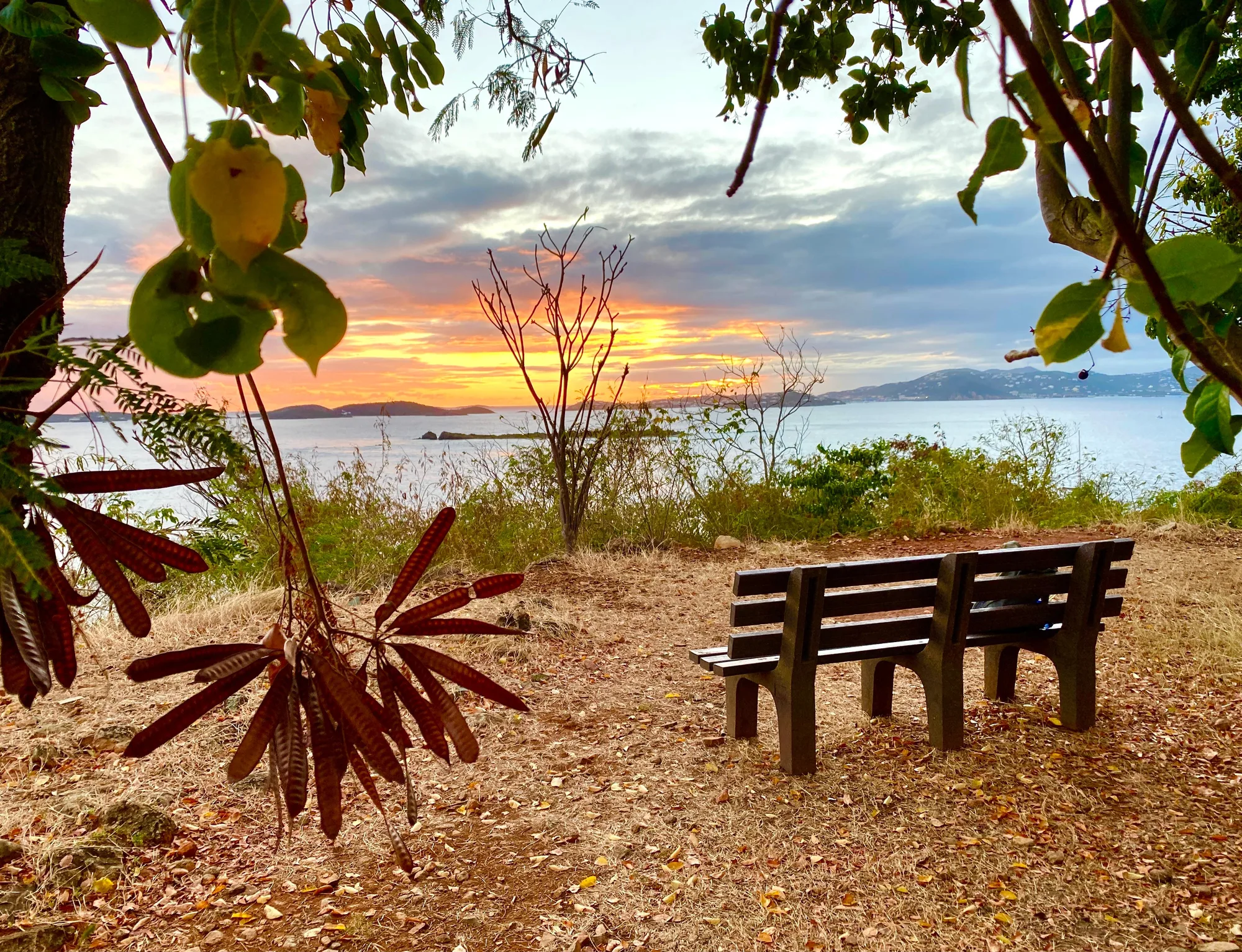
Virgin Islands National Park: The Hike Through Four Sugar Estates and a Taino Petroglyph
The Reef Bay Trail drops through rainforest and four ruined sugar plantations before reaching rock carvings attributed to the island's earliest people.
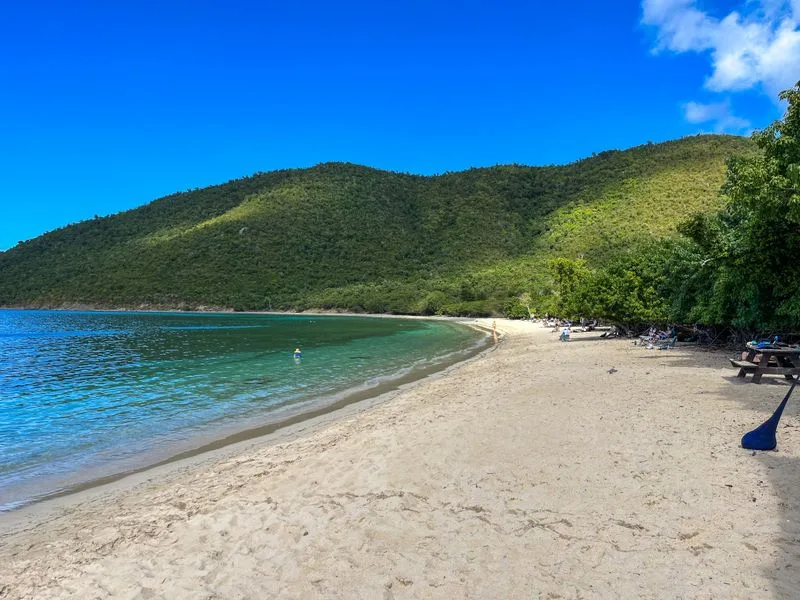
Virgin Islands National Park: The Seventy Years Between Freedom and the Flag
St. John's enslaved people won freedom in 1848. The island didn't become American soil until 1917.
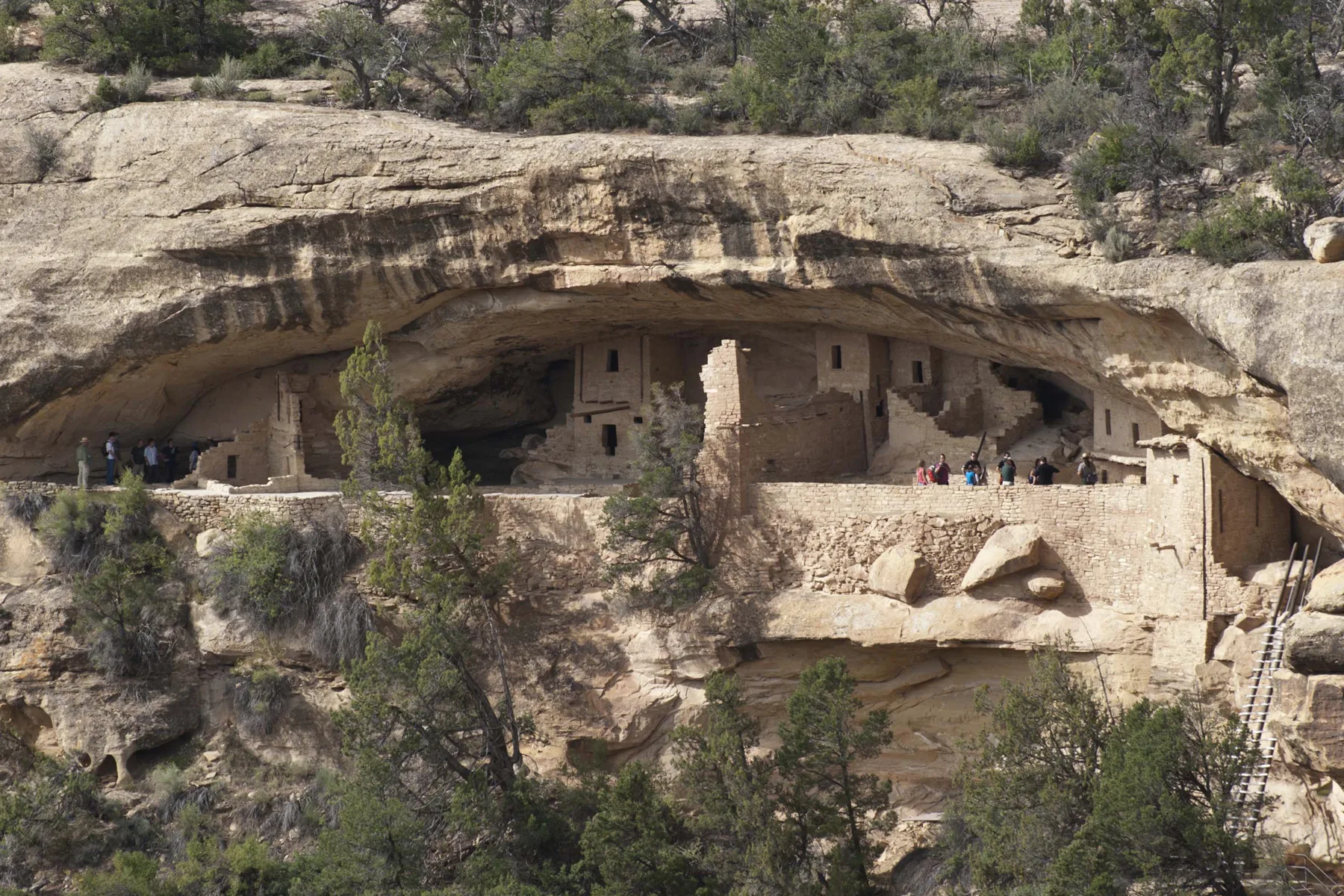
Mesa Verde National Park: Why the Ancestral Puebloans Left, and What We Still Don't Know
Around 1300 CE, the people who built Mesa Verde's cliff dwellings moved south for good. The Park Service is honest that nobody knows the whole story.
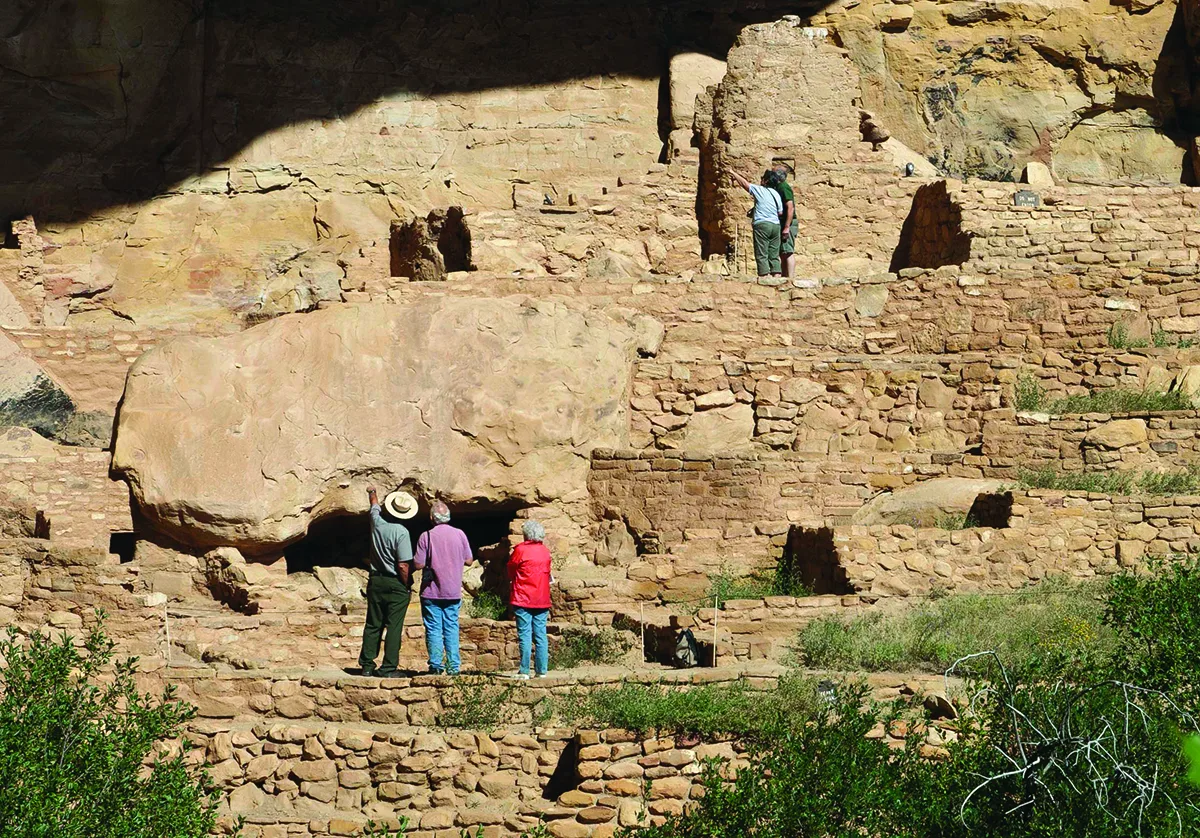
Mesa Verde National Park: The First Park Built to Preserve What People Made
Every national park before 1906 protected land. Mesa Verde was the first created to protect what humans built on it.
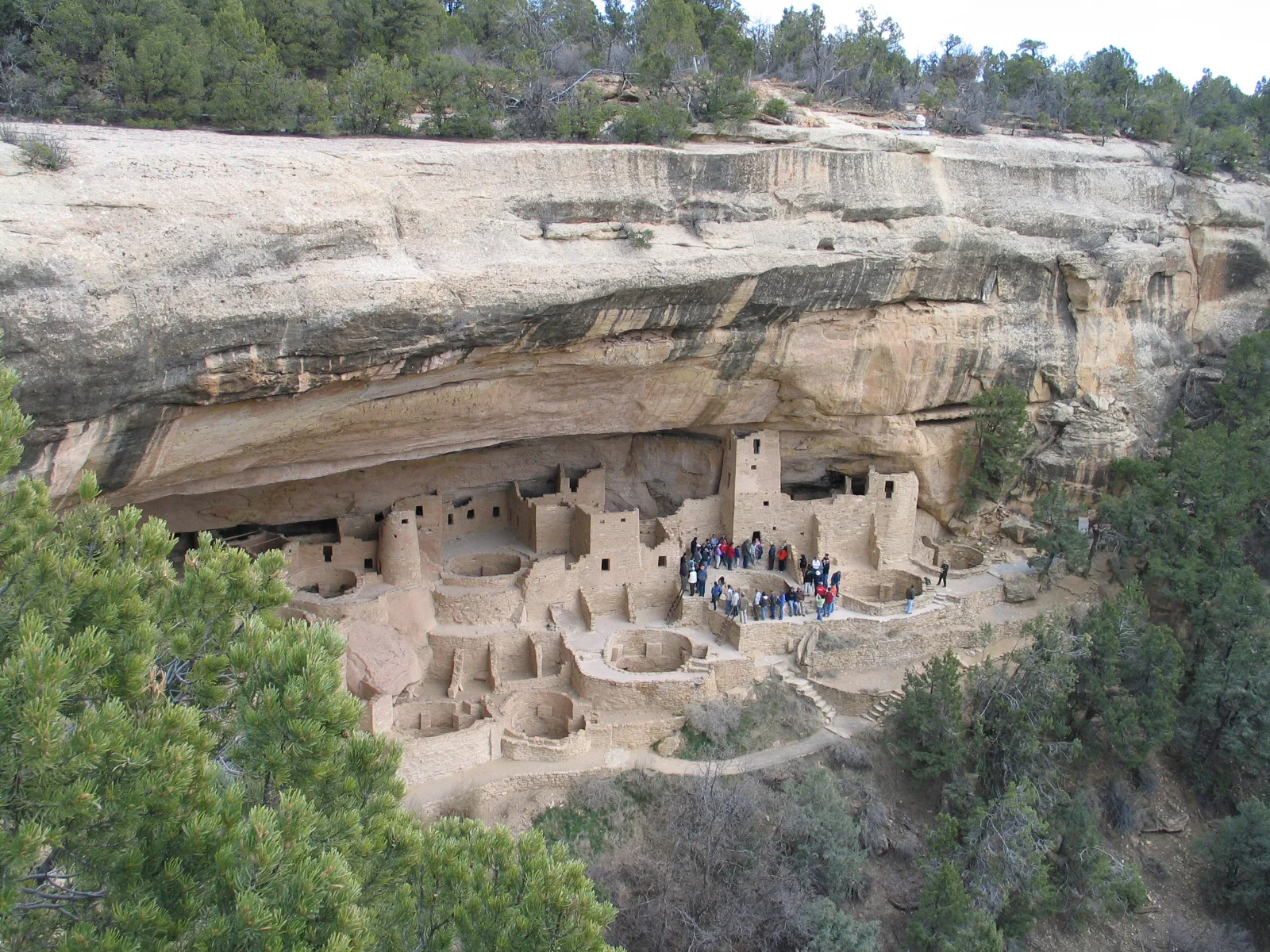
Mesa Verde National Park: The Decade of Fire That Reshaped the Park
A single 2000 wildfire burned nearly 20,000 acres of Mesa Verde, the park's most destructive fire in 94 years.
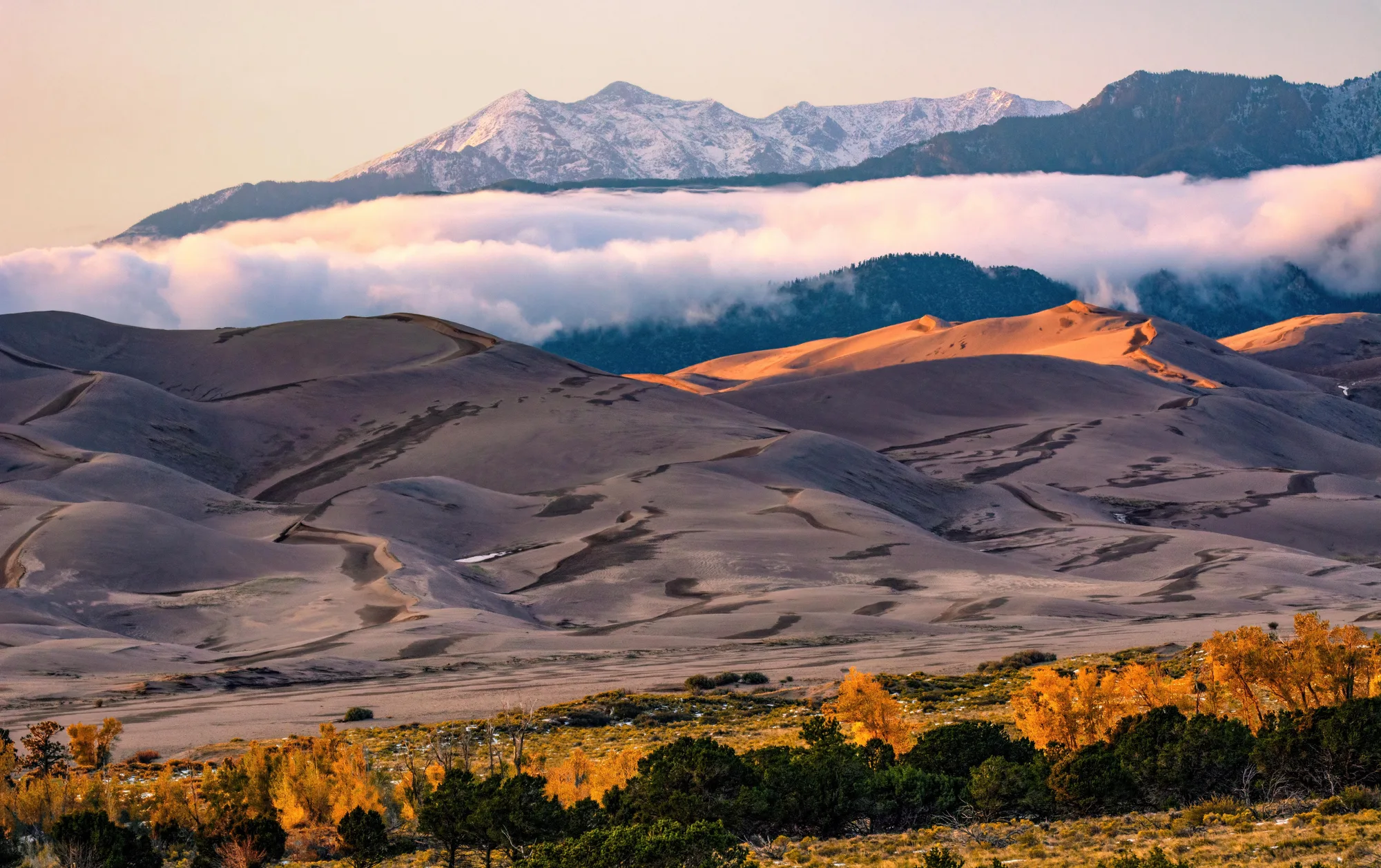
Great Sand Dunes National Park: The Tallest Dunes in North America
Most visitors climb High Dune and call it the tallest in North America. It isn't. Star Dune is, by nearly 50 feet.
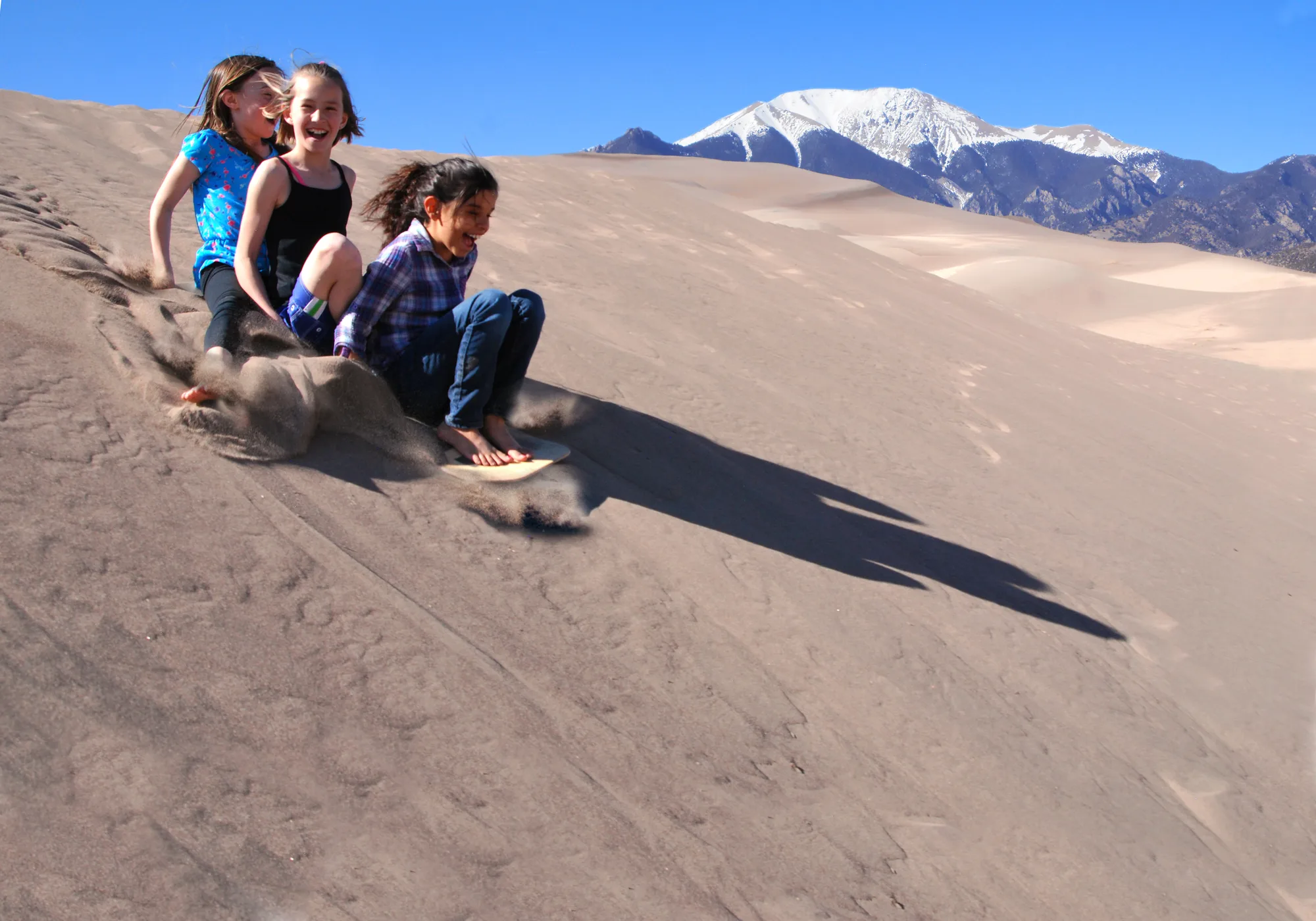
Great Sand Dunes National Park: Sandboarding and Sand Sledding Guide
Regular snowboards and sleds don't work on sand. Here's why the park requires specialty gear, and where to rent it.
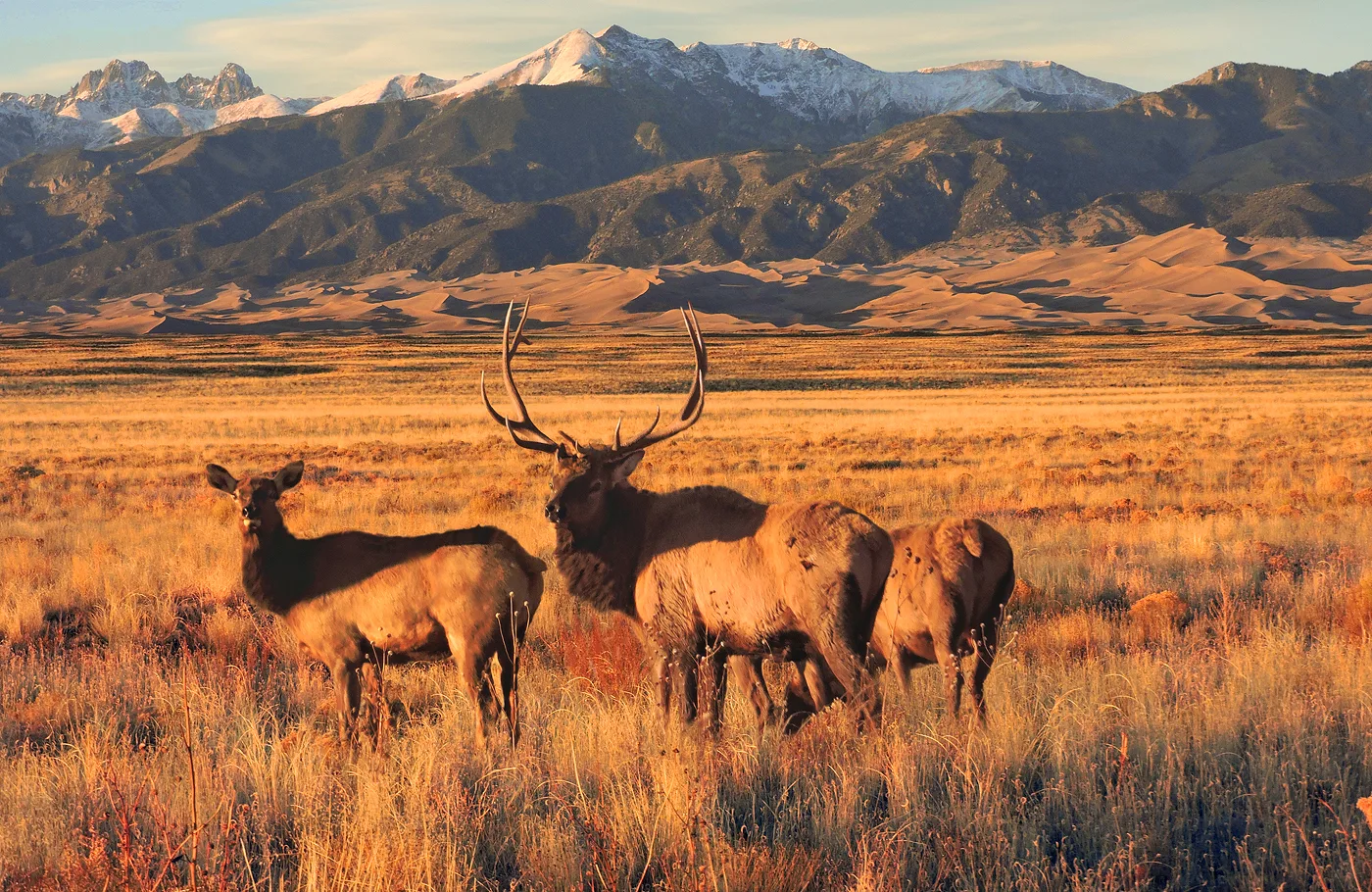
Great Sand Dunes National Park: One Park, Five Ecosystems
Desert, wetland, grassland, forest, and alpine tundra, all inside one park, a 6,000-foot elevation range.
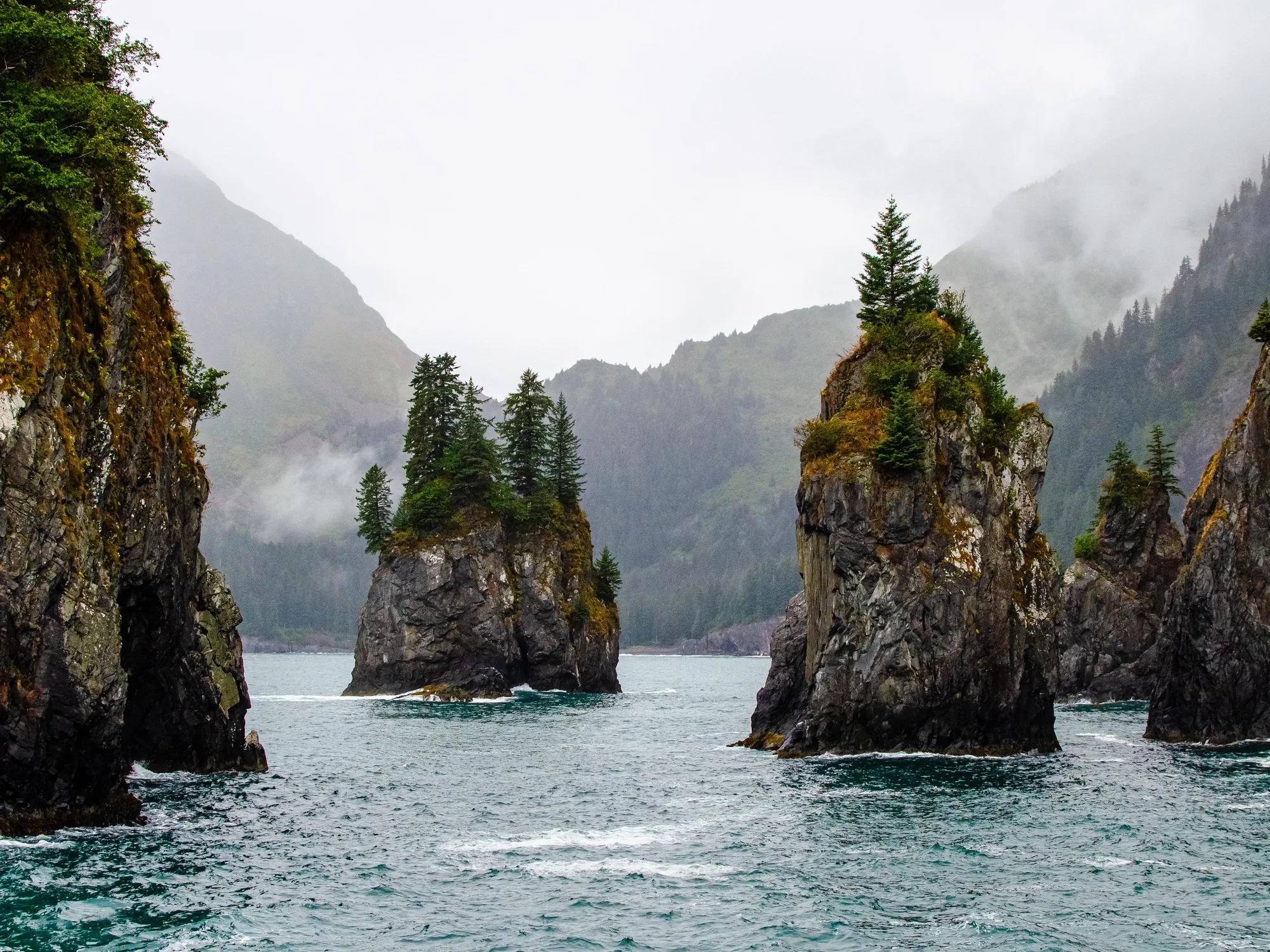
Kenai Fjords National Park: Orcas and Marine Wildlife Guide
Kenai Fjords' waters hold three distinct kinds of orca, and one small pod never recovered from the Exxon Valdez spill.
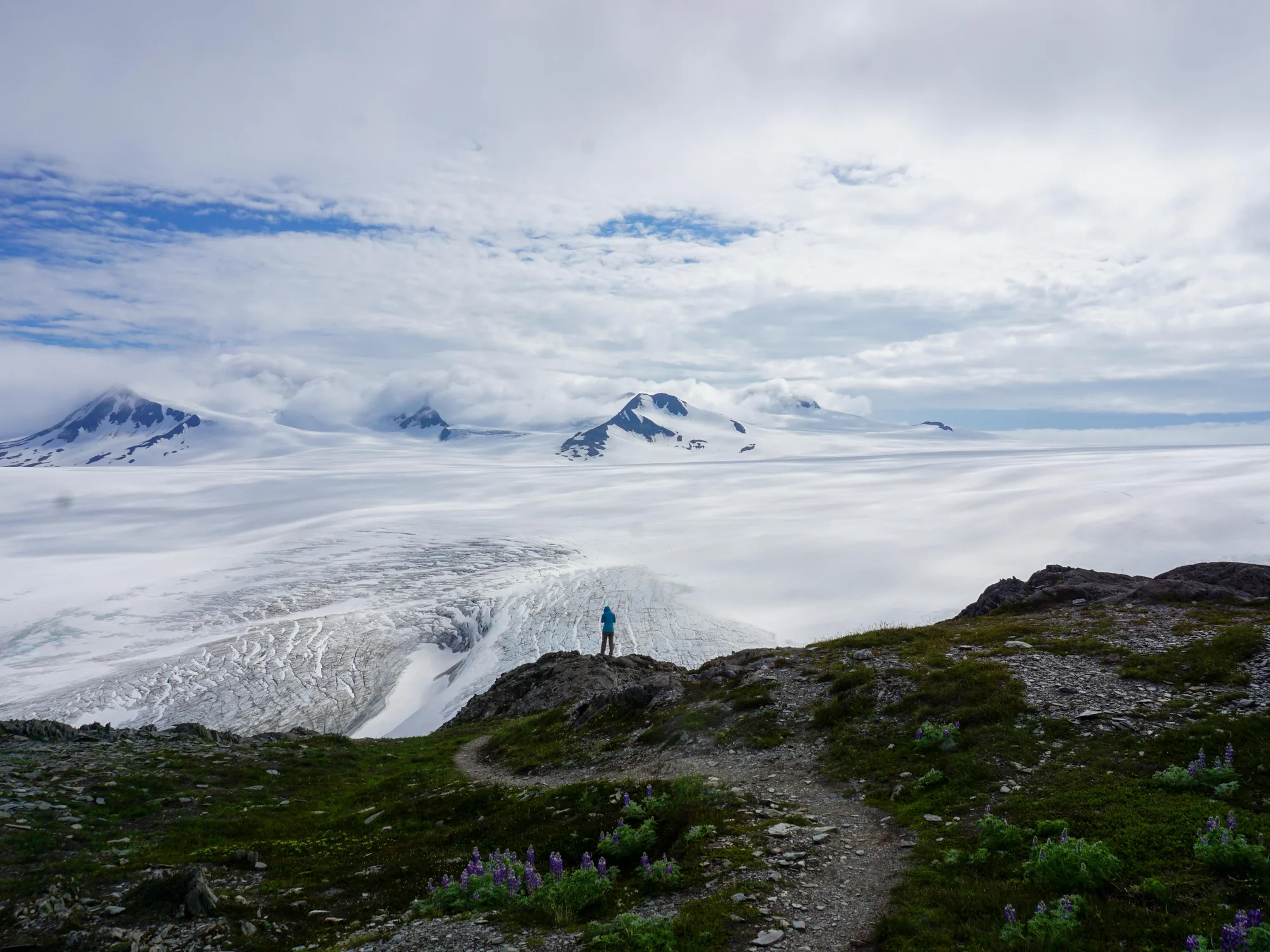
Kenai Fjords National Park: Tidewater Glaciers and Retreat
Kenai Fjords' 19 tracked glaciers have lost tens of square kilometers of ice since the 1980s. What calving sounds like up close.
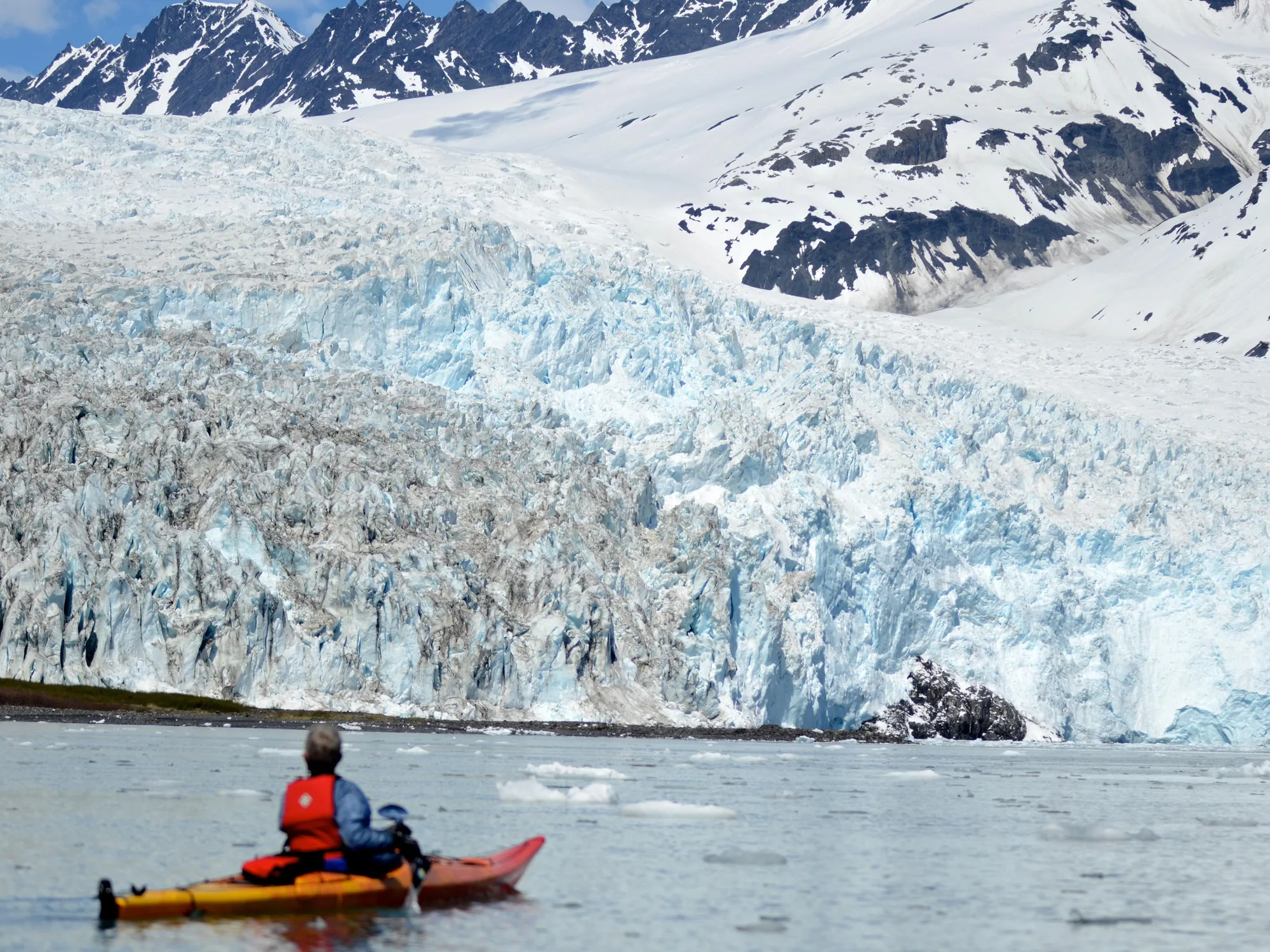
Kenai Fjords National Park: The 1964 Earthquake at Seward
The gateway town to Kenai Fjords sits on ground that dropped and shook apart in the second-strongest earthquake ever recorded.
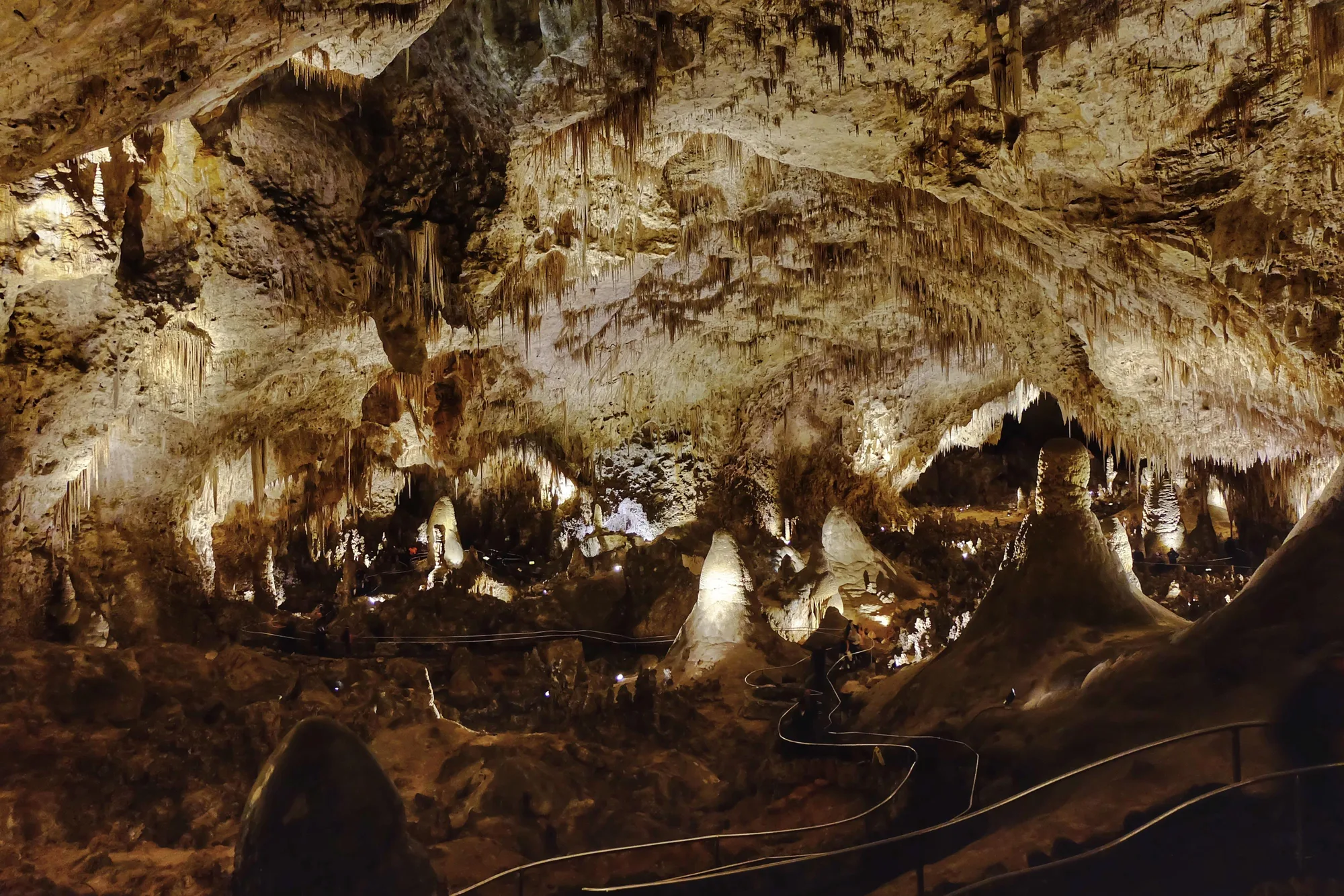
Carlsbad Caverns National Park: The Big Room, By the Numbers
8.2 acres of cave floor, a 750-foot descent, and nearly a century of elevator history at one of the largest cave chambers on the continent.
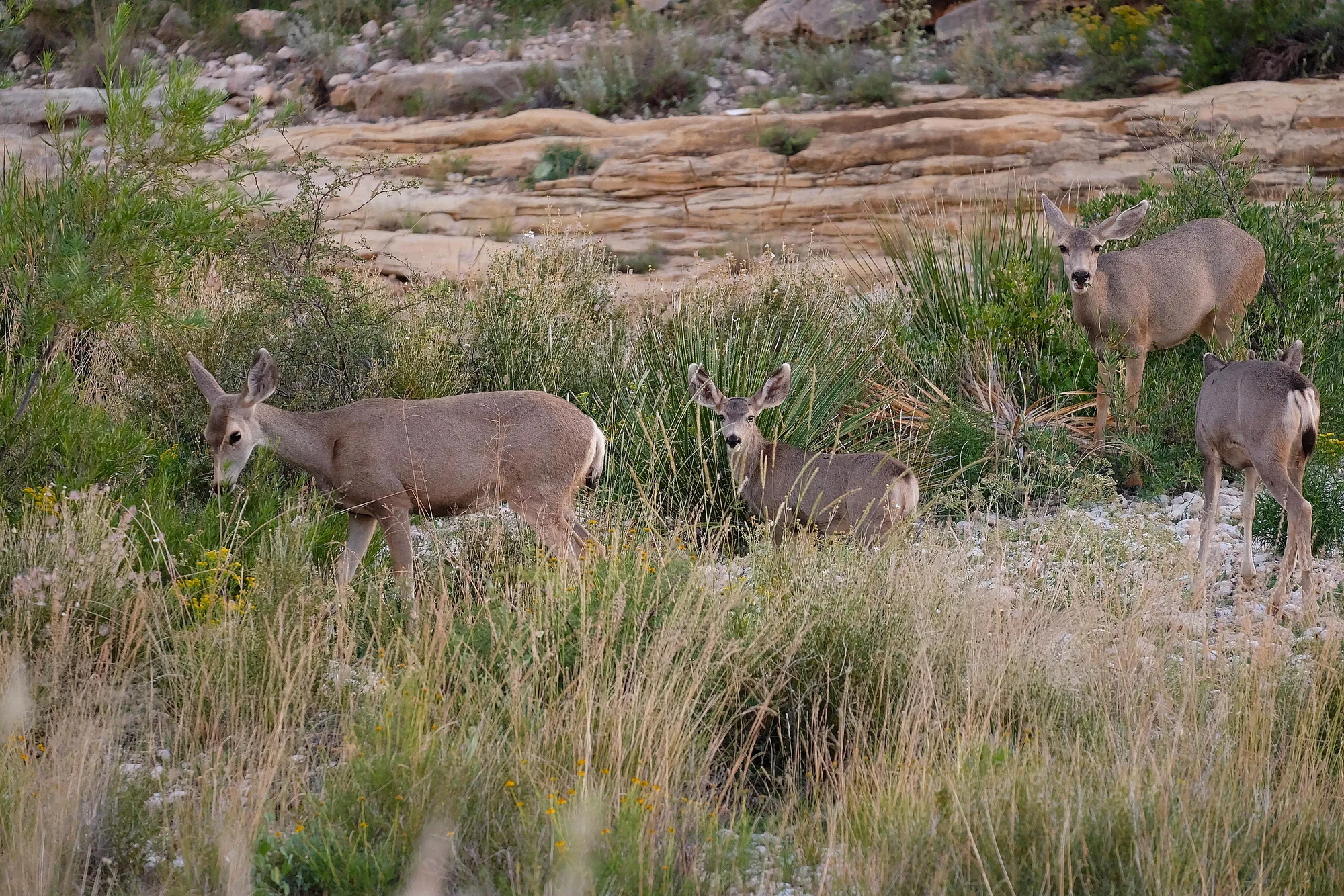
Carlsbad Caverns National Park: Lechuguilla Cave Explained
Deeper than the Big Room and more than 145 miles long, but almost no member of the public will ever set foot inside it.
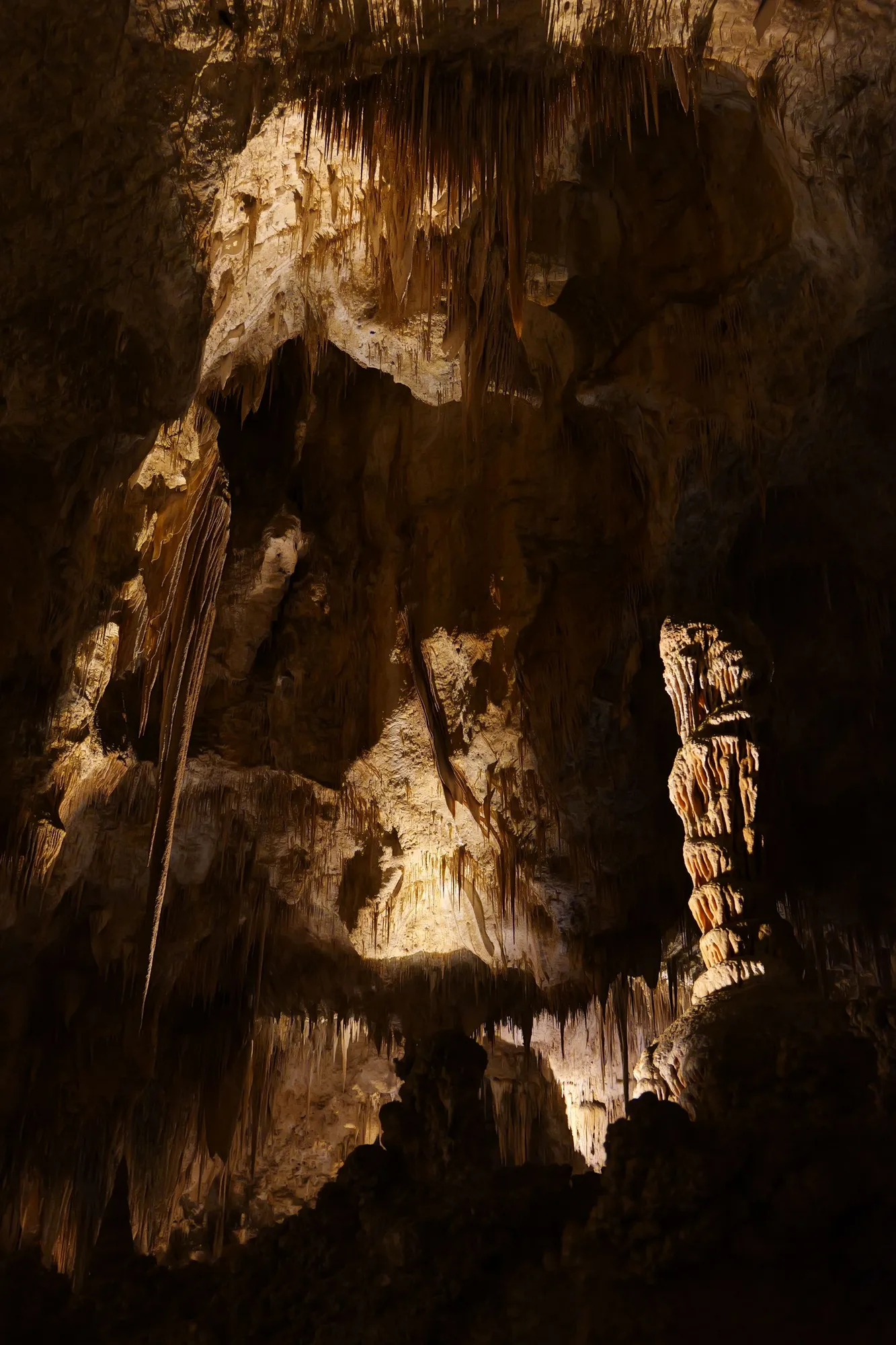
Carlsbad Caverns National Park: The Capitan Reef Explained
Carlsbad Caverns sits inside a 260-million-year-old fossil reef that never saw a diver, only a desert.
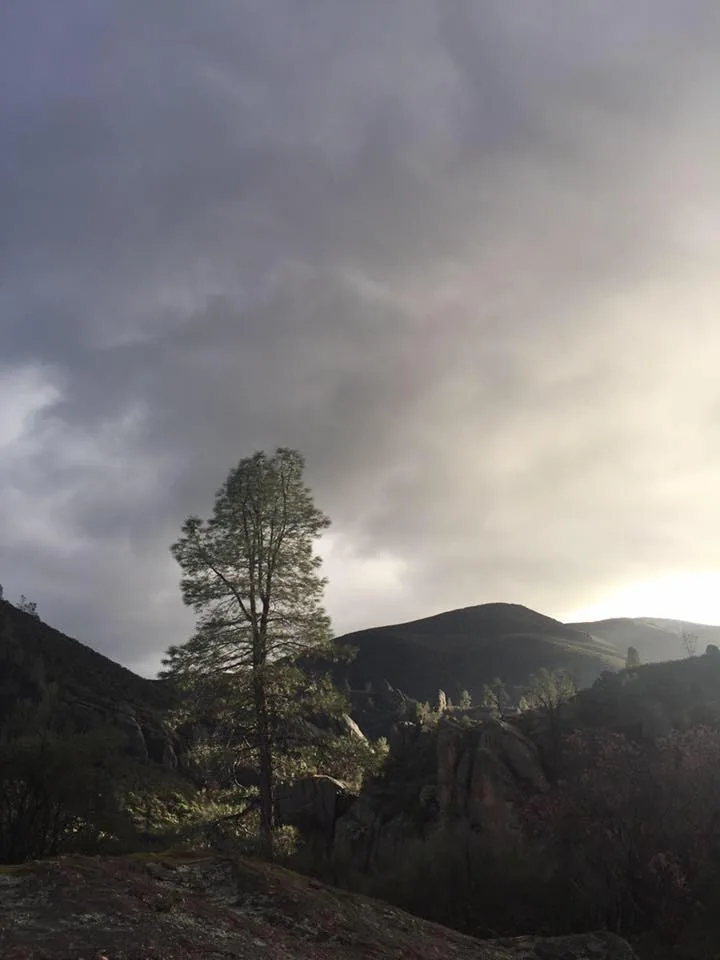
Pinnacles National Park: One of the Newest National Parks
Pinnacles spent over a century as a national monument before becoming the 59th national park in January 2013.
Pinnacles National Park: More Bee Species Than Almost Anywhere
A peer-reviewed survey found 450 native bee species packed into Pinnacles, among the highest bee diversity ever recorded in one protected area.
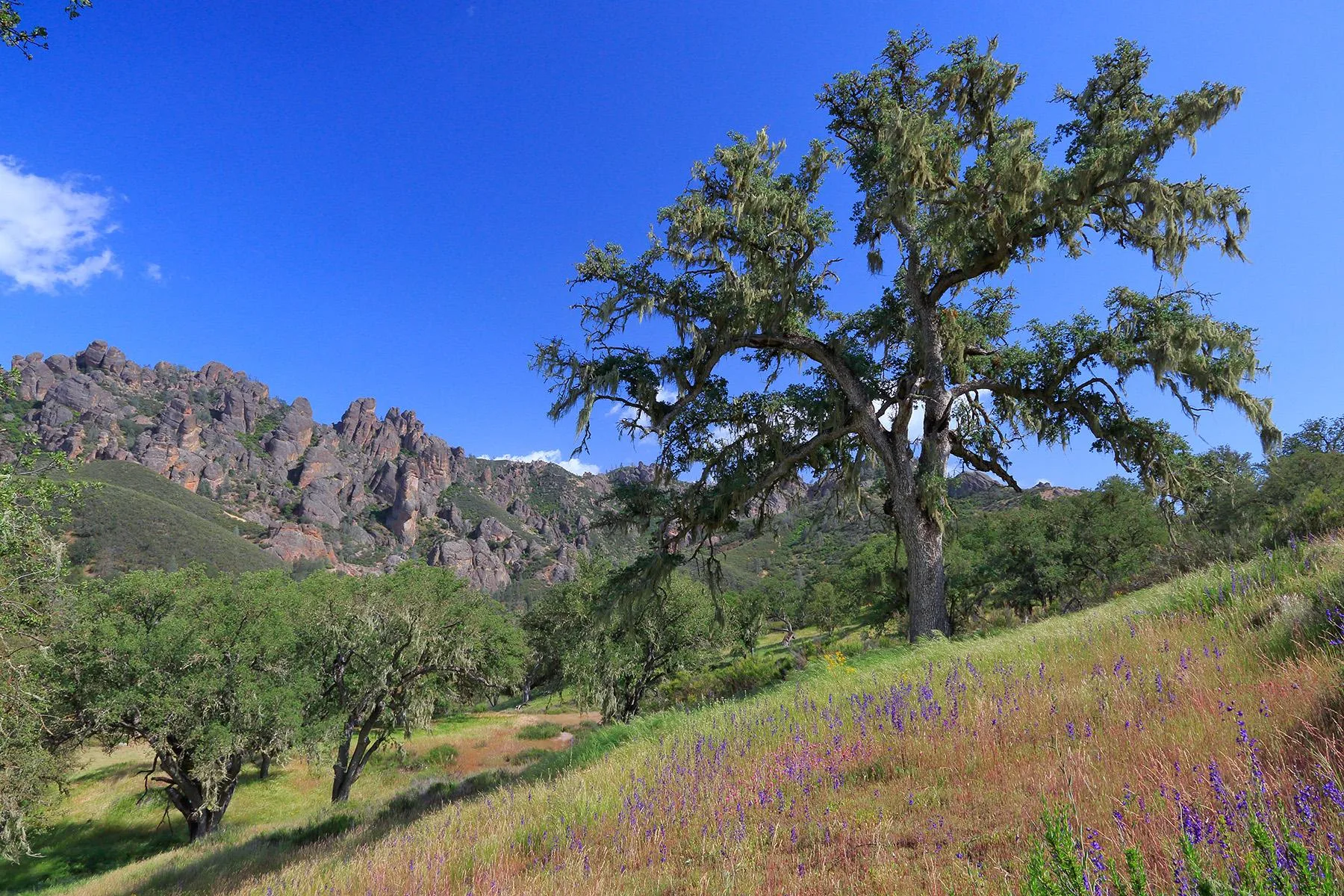
Pinnacles National Park: Rock Climbing Guide and Advisory
Pinnacles' volcanic rock is famous among California climbers, and the park itself warns it's weaker than granite or basalt.
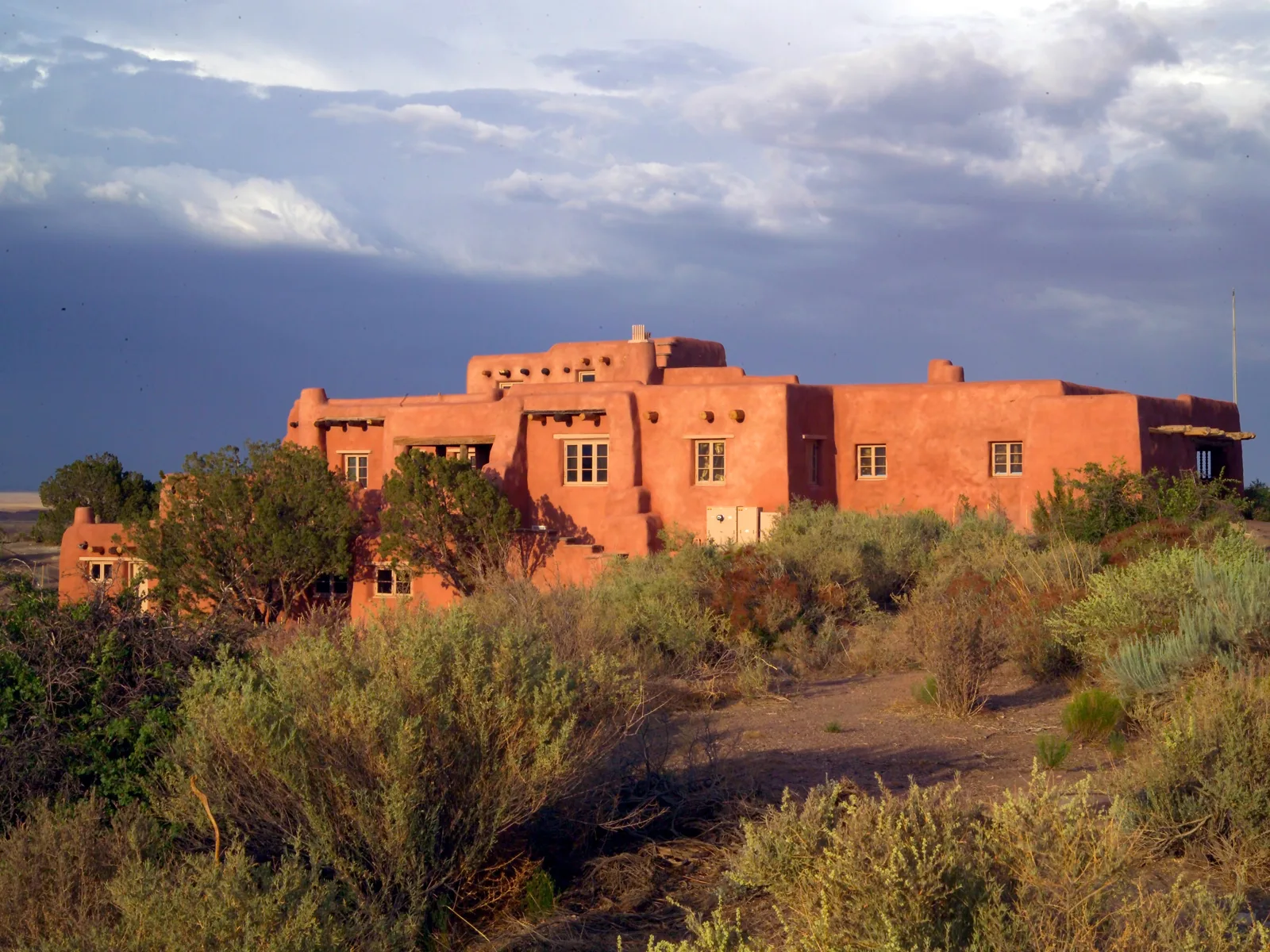
Petrified Forest National Park: The Only Park With Route 66
The National Park Service says it outright: Petrified Forest is the only park in the system with a marked stretch of Historic Route 66.
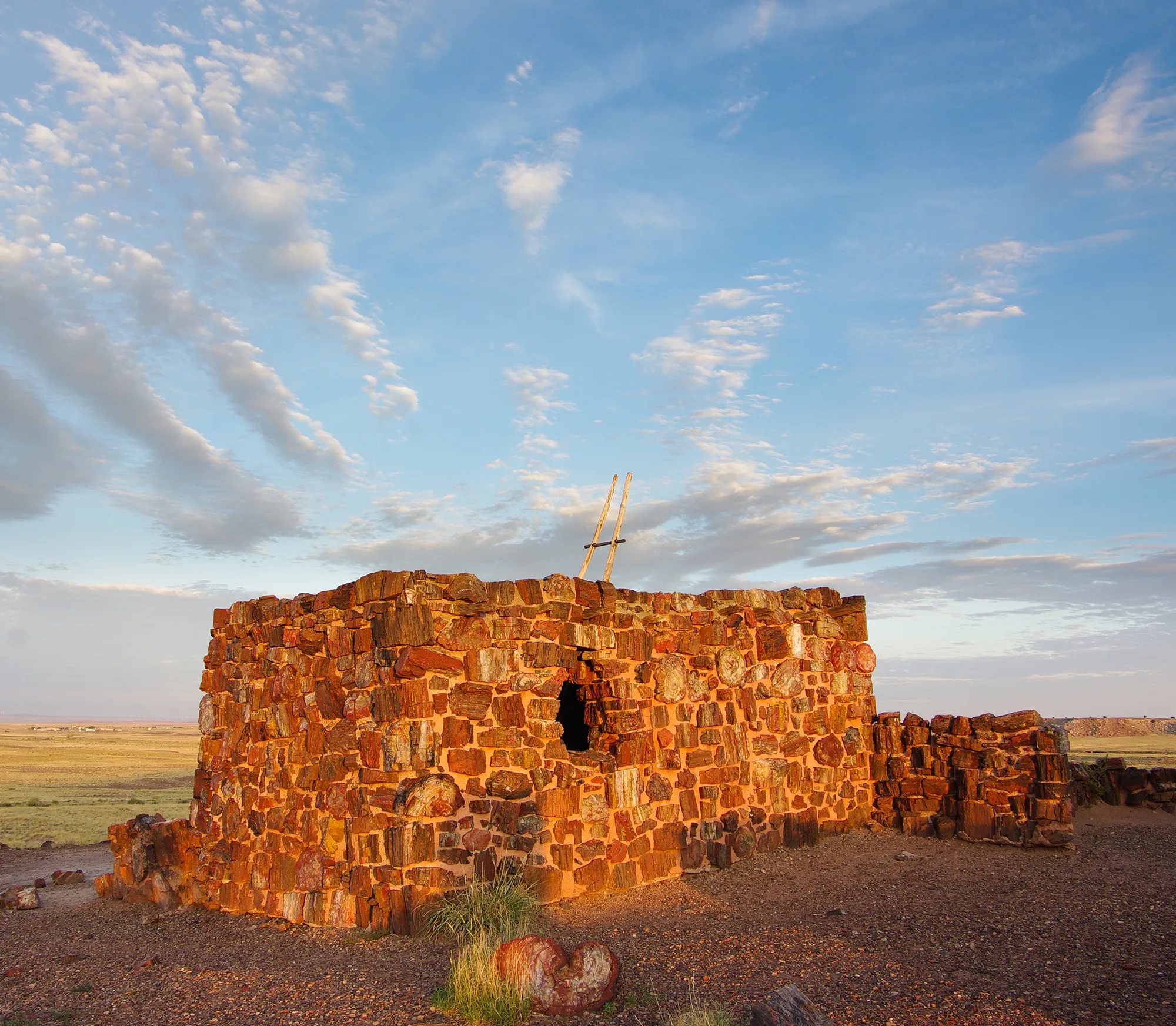
Petrified Forest National Park: The Conscience Pile of Stolen Wood
Visitors have been pocketing petrified wood for decades, then mailing it back with apology notes. The letters go back to at least 1938.
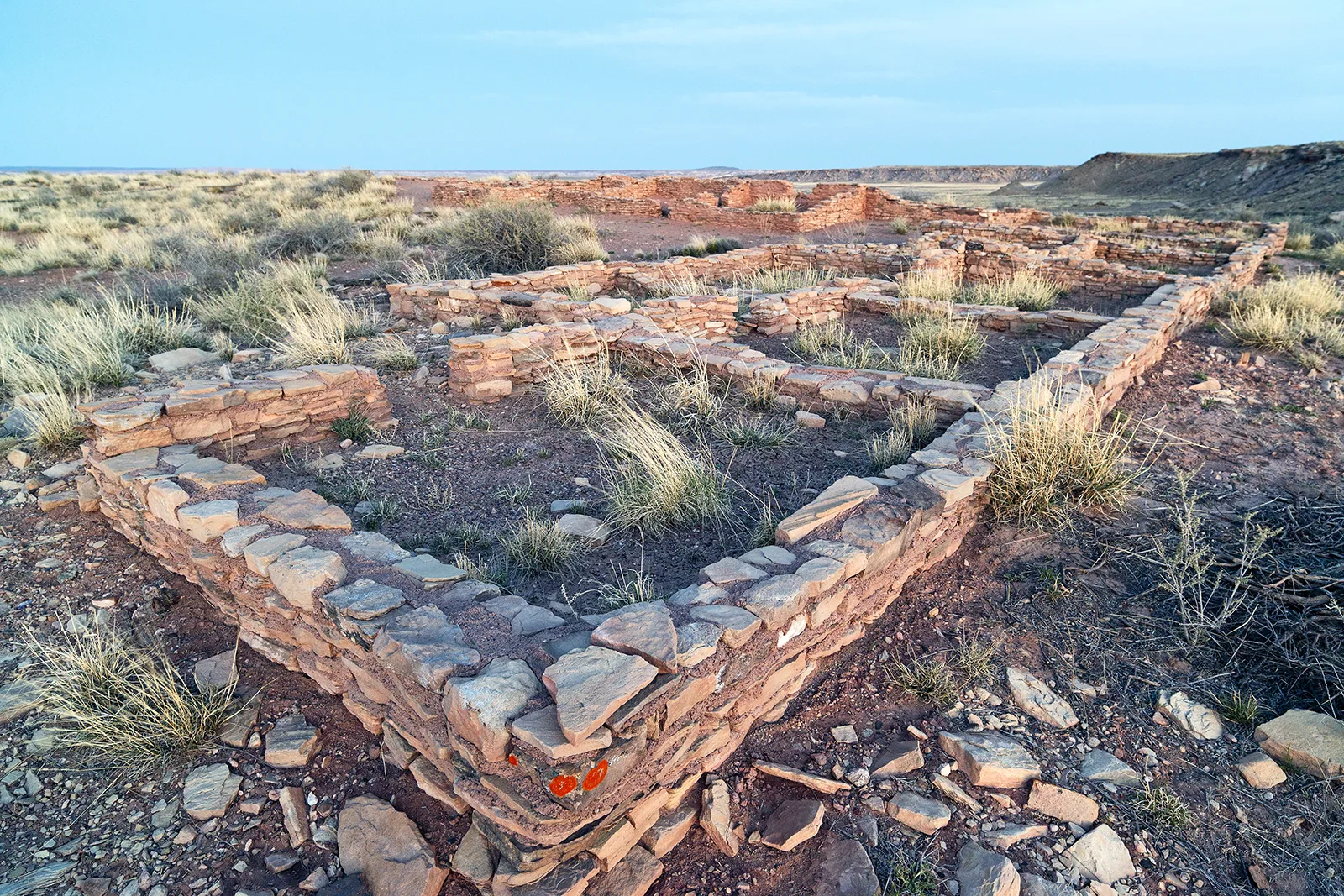
Petrified Forest National Park: Fossils From Before the Dinosaurs Ruled
The Chinle Formation's Triassic fossils show a world where dinosaurs were minor players, outnumbered by crocodile-like reptiles.
Congaree National Park: Synchronous Fireflies Viewing Guide
For about two weeks each spring, Congaree's fireflies flash in unison, a different species than the famous Smokies show.
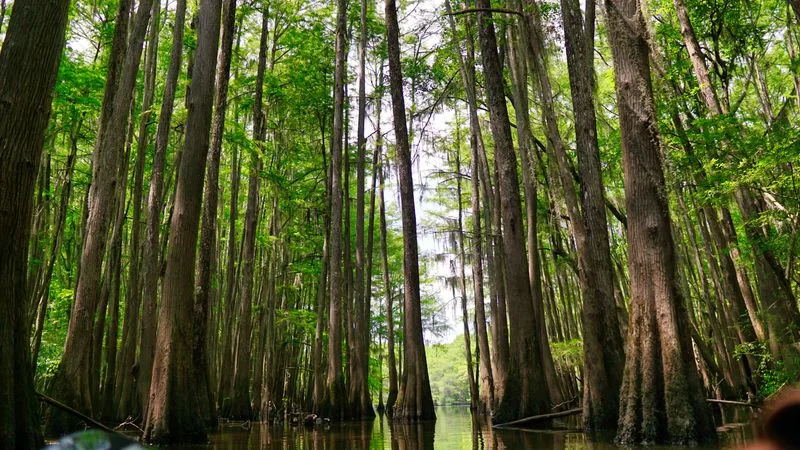
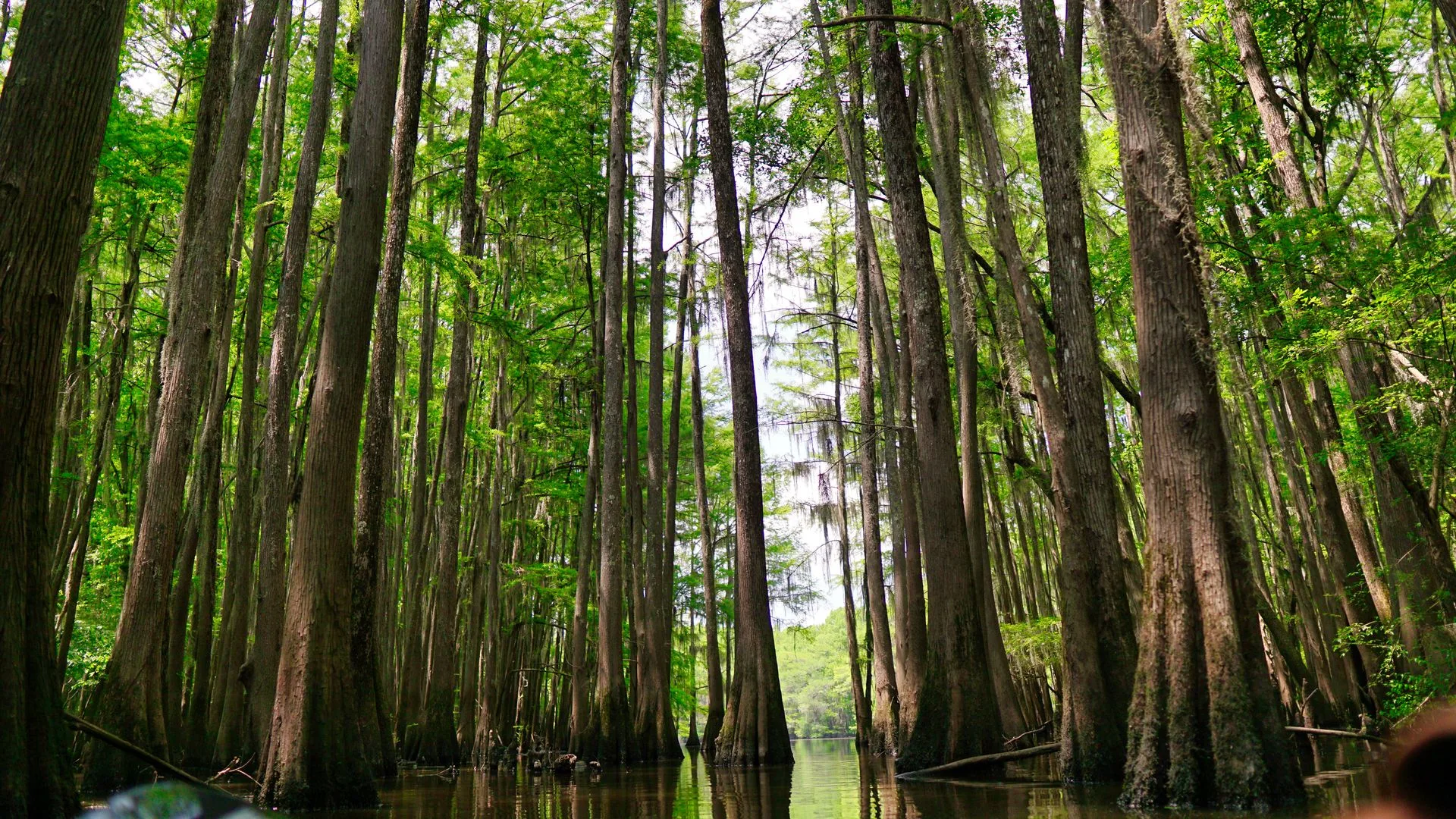
Congaree National Park: Cedar Creek Canoe Trail Guide
Fifteen miles of tannin-dark water through the tallest deciduous forest canopy left in North America.
Congaree National Park History: How Failed Logging Saved It
A lumber company gave up on this swamp around 1915. A 1970s fight to stop a second logging attempt made it a national park.
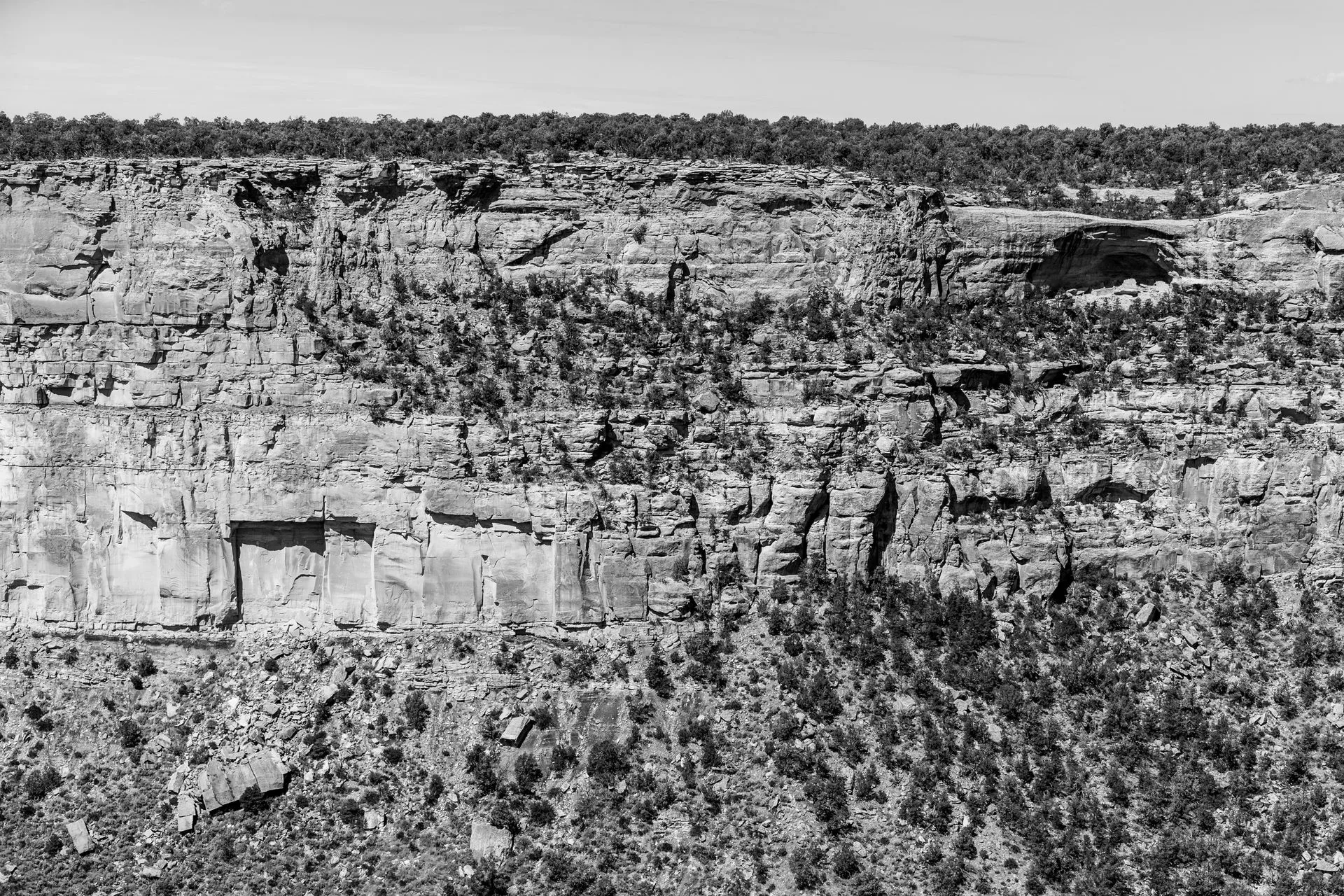
Black Canyon of the Gunnison National Park: Why It's So Narrow and Steep
It isn't as deep as the Grand Canyon, but the river inside it drops nearly six times faster.
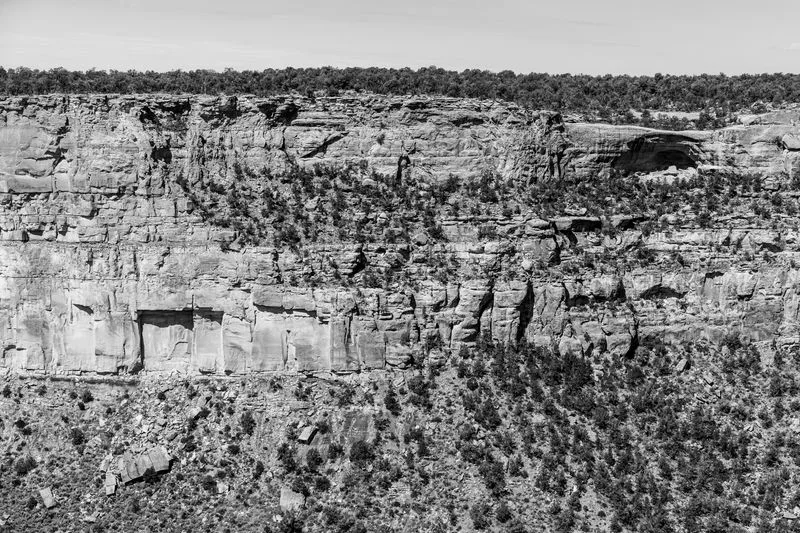
Black Canyon of the Gunnison National Park: The Gunnison Tunnel Story
A farmer's dream became the longest irrigation tunnel in the world. It cost nineteen lives to finish it.
Black Canyon of the Gunnison National Park: Rock Climbing Guide & History
Layton Kor spent a decade first-climbing these walls. The park's own advice today: be ready to rescue yourself.
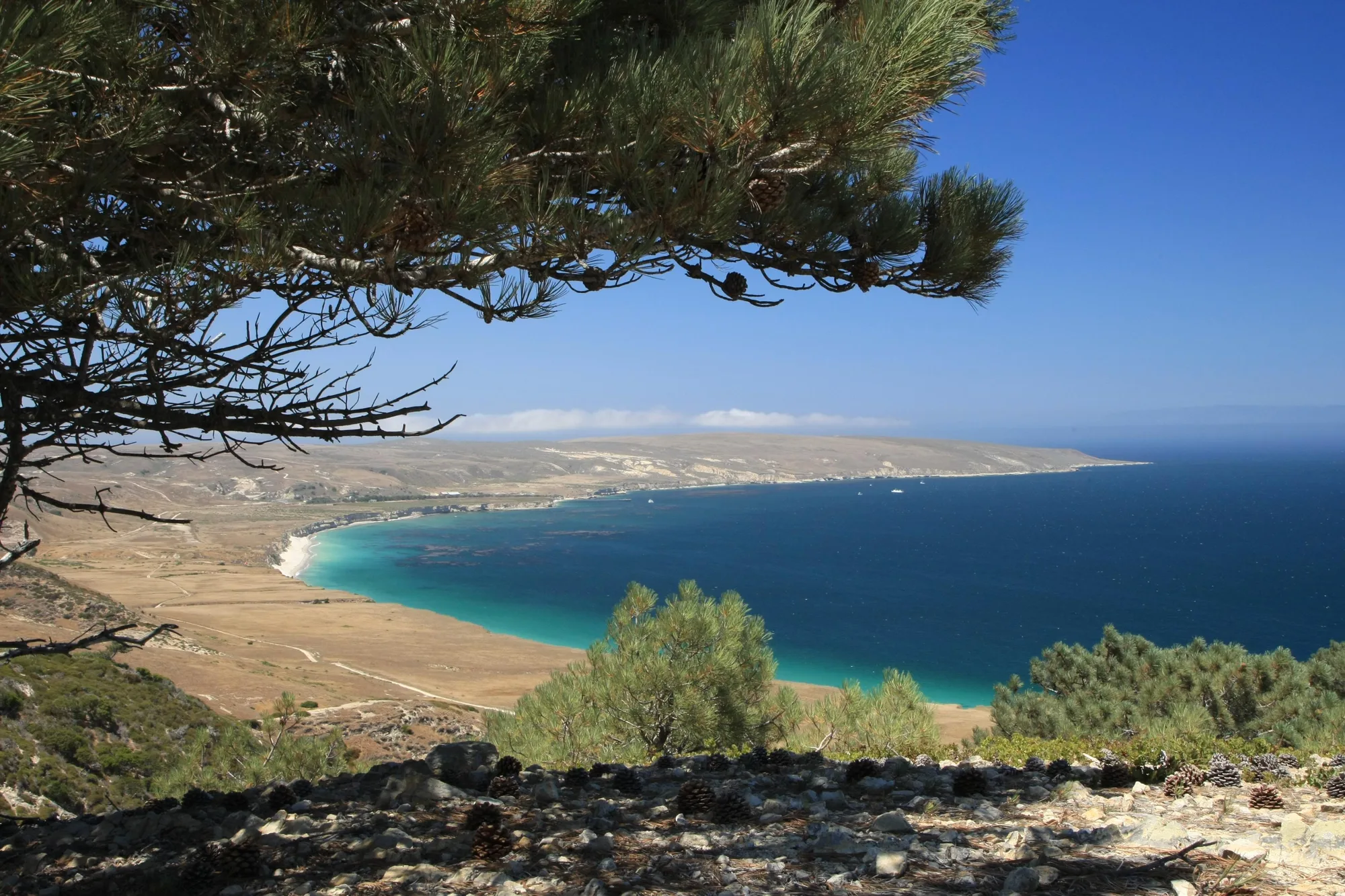
Channel Islands National Park: The Island Fox Recovery Story
Fifteen island foxes were left on San Miguel Island in 1999. A decade later there were over 1,700.
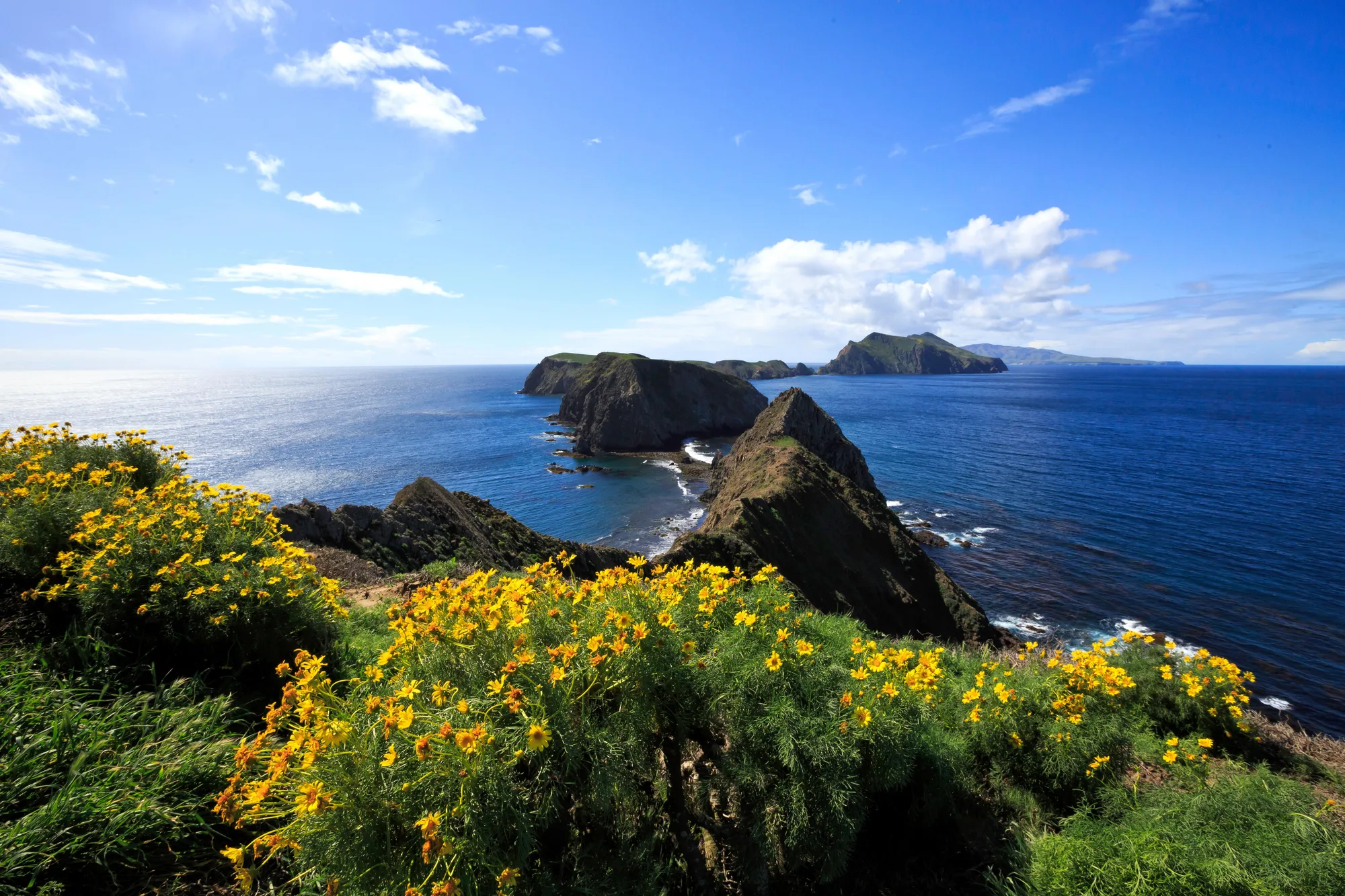
Channel Islands National Park: The Oldest Known Person in North America
Two femur bones, found on Santa Rosa Island in 1959, turned out to be over 13,000 years old.
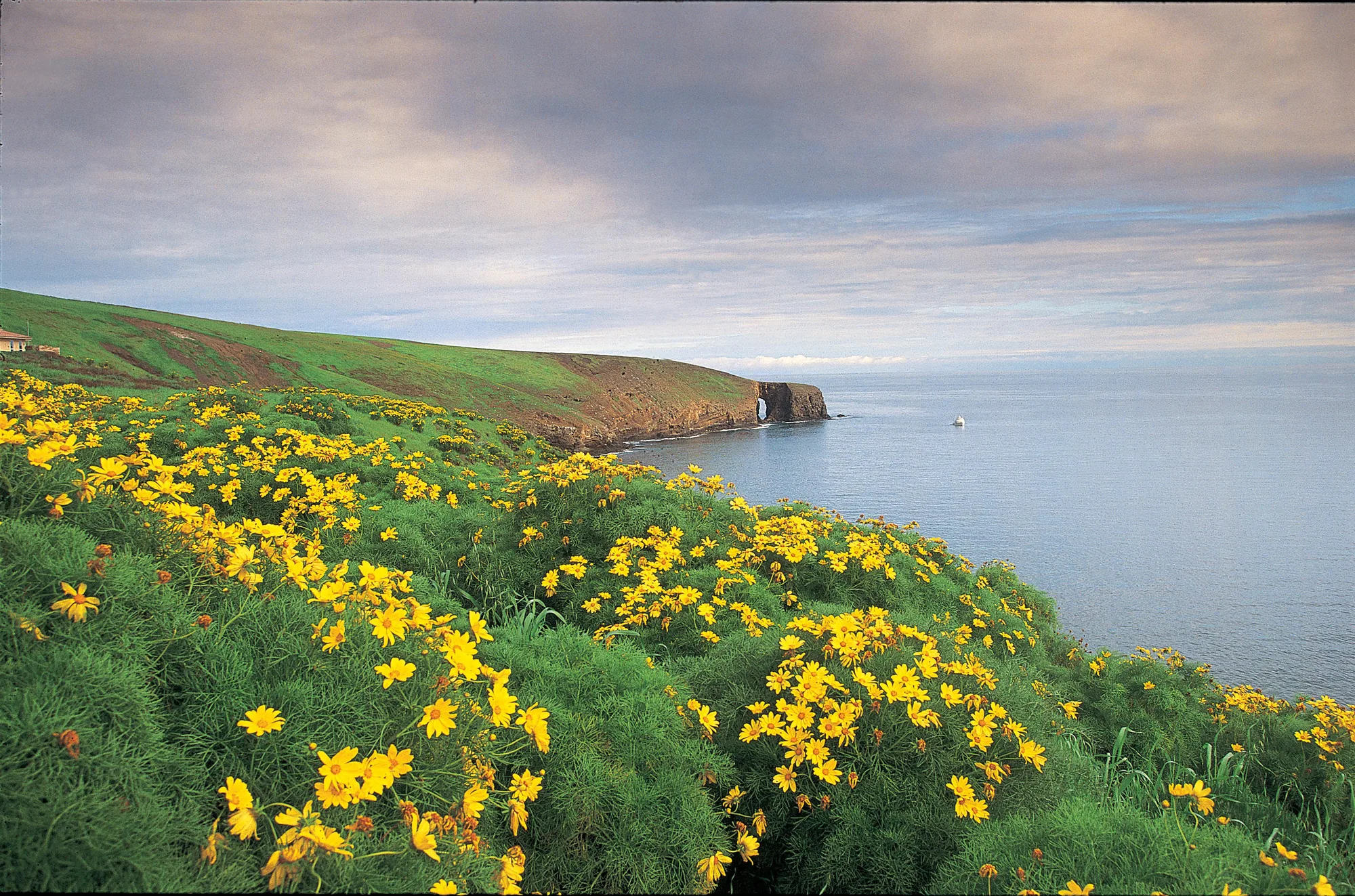
Channel Islands National Park: The Giant Kelp Forest Diving Guide
Giant kelp grows up to two feet a day, building an underwater forest for over 1,000 species.
Guadalupe Mountains National Park: Guadalupe Peak Hike Guide & History
The highest point in Texas is an 8.5-mile hike to a stainless steel pyramid nobody expects to find on a desert mountaintop.
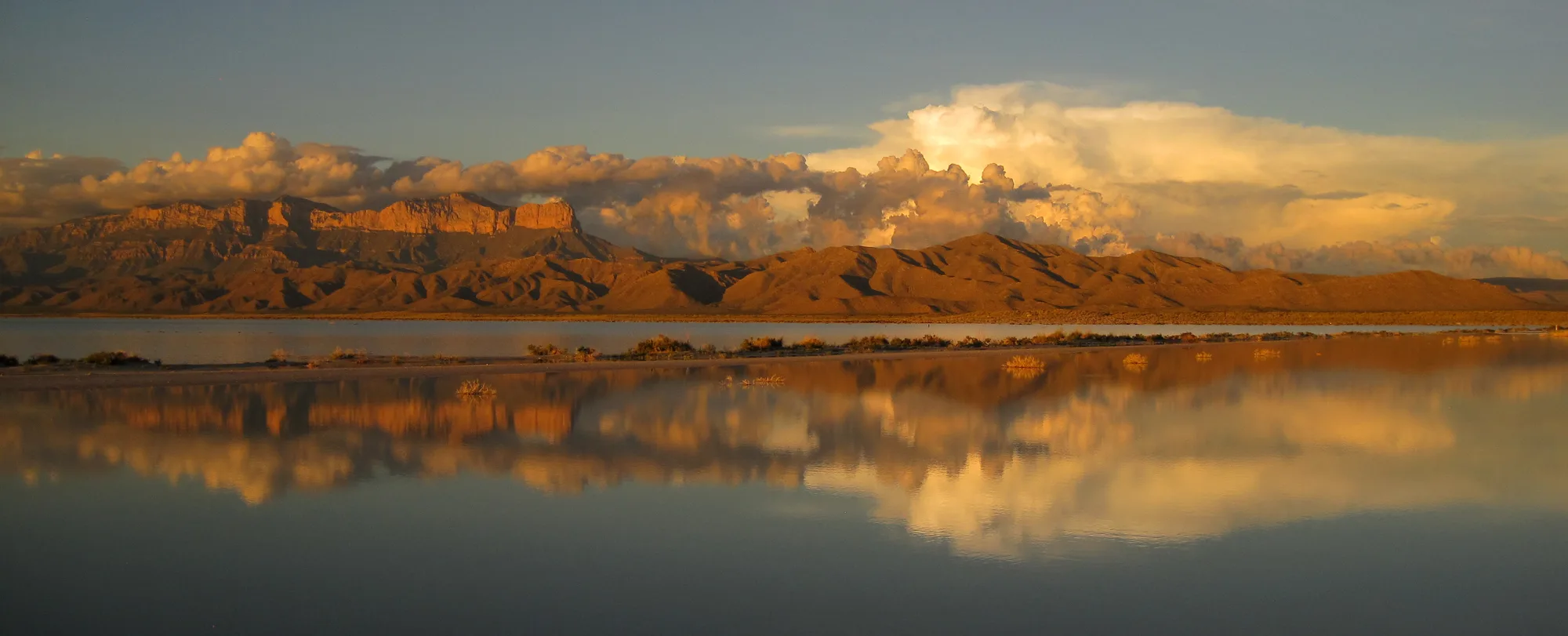
Guadalupe Mountains National Park: The 260-Million-Year-Old Reef
These mountains aren't really mountains. They're an ancient sea reef, standing on end and exposed to the sky.
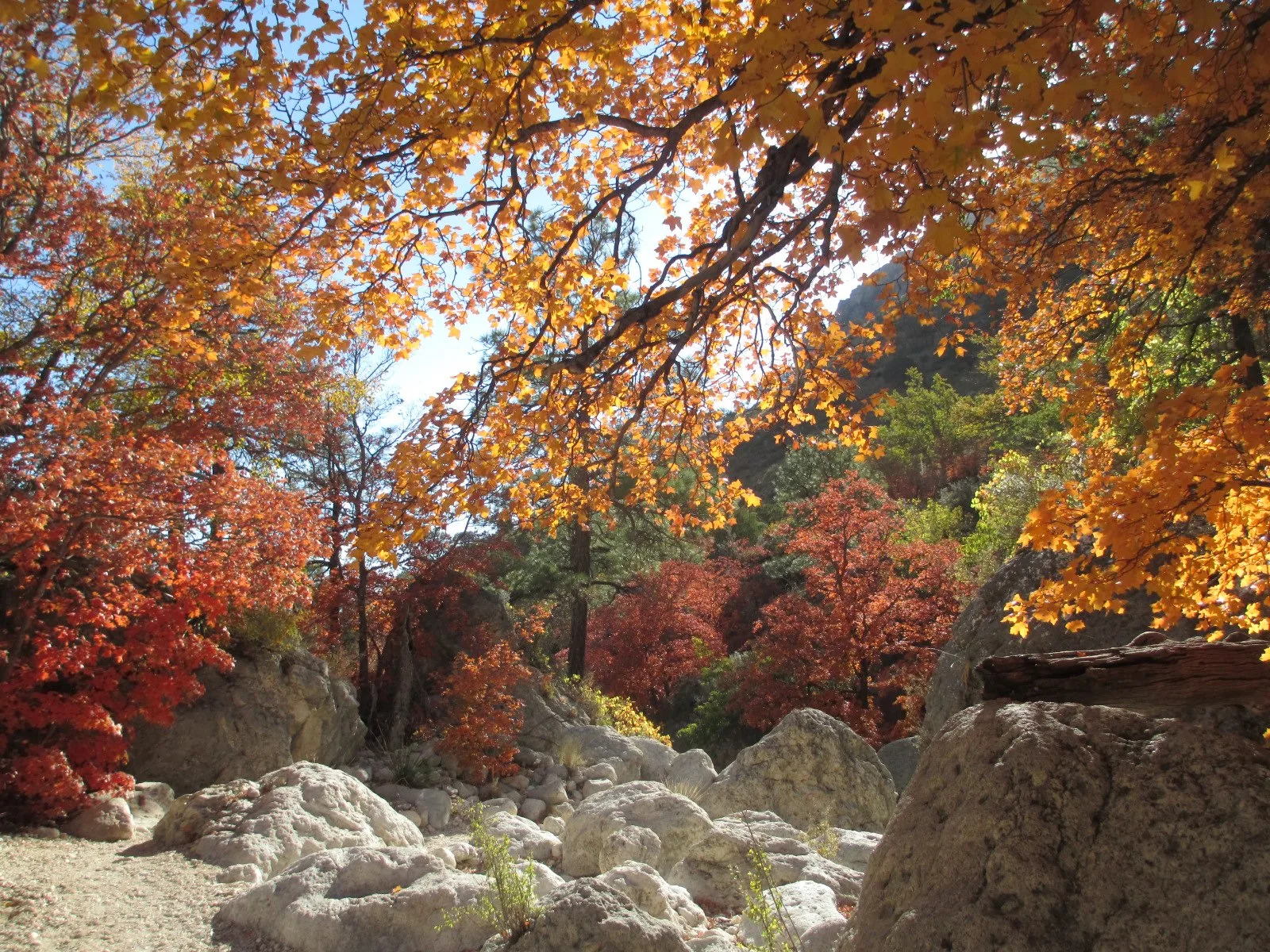
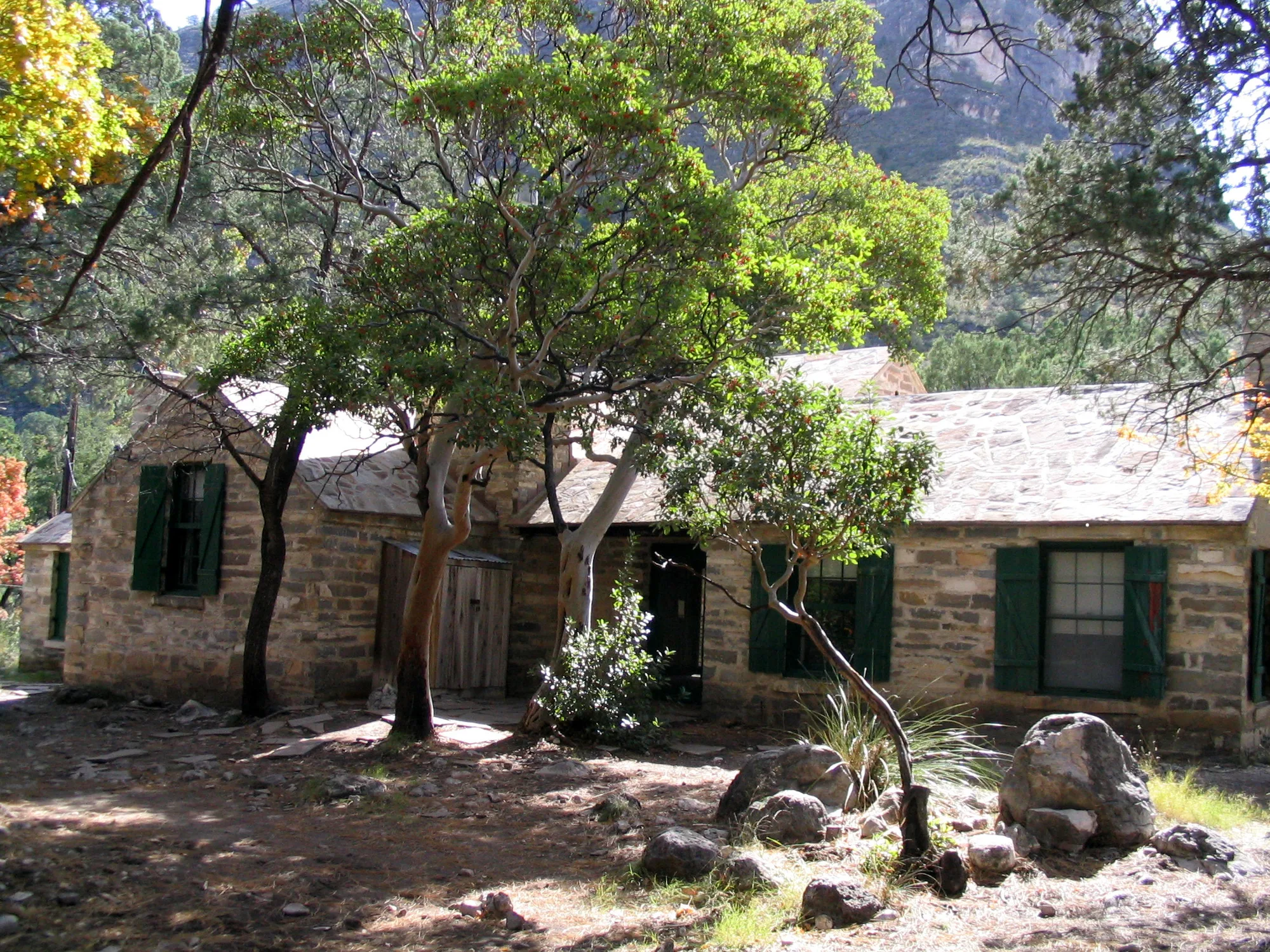
Guadalupe Mountains National Park: McKittrick Canyon Fall Colors & History
An oil geologist fell for a desert canyon, built a stone cabin in it, then gave away 5,600 acres to make it a park.
Voyageurs National Park: The Fur Trade History Behind the Name
French-Canadian canoemen paddled 16 hours a day through these waters. Their trade route became a national border, then this park's name.
Voyageurs National Park: The Wolves That Fish, Explained
Trail cameras caught wolves ambushing fish from stream banks at night, a behavior nobody had filmed before 2018.
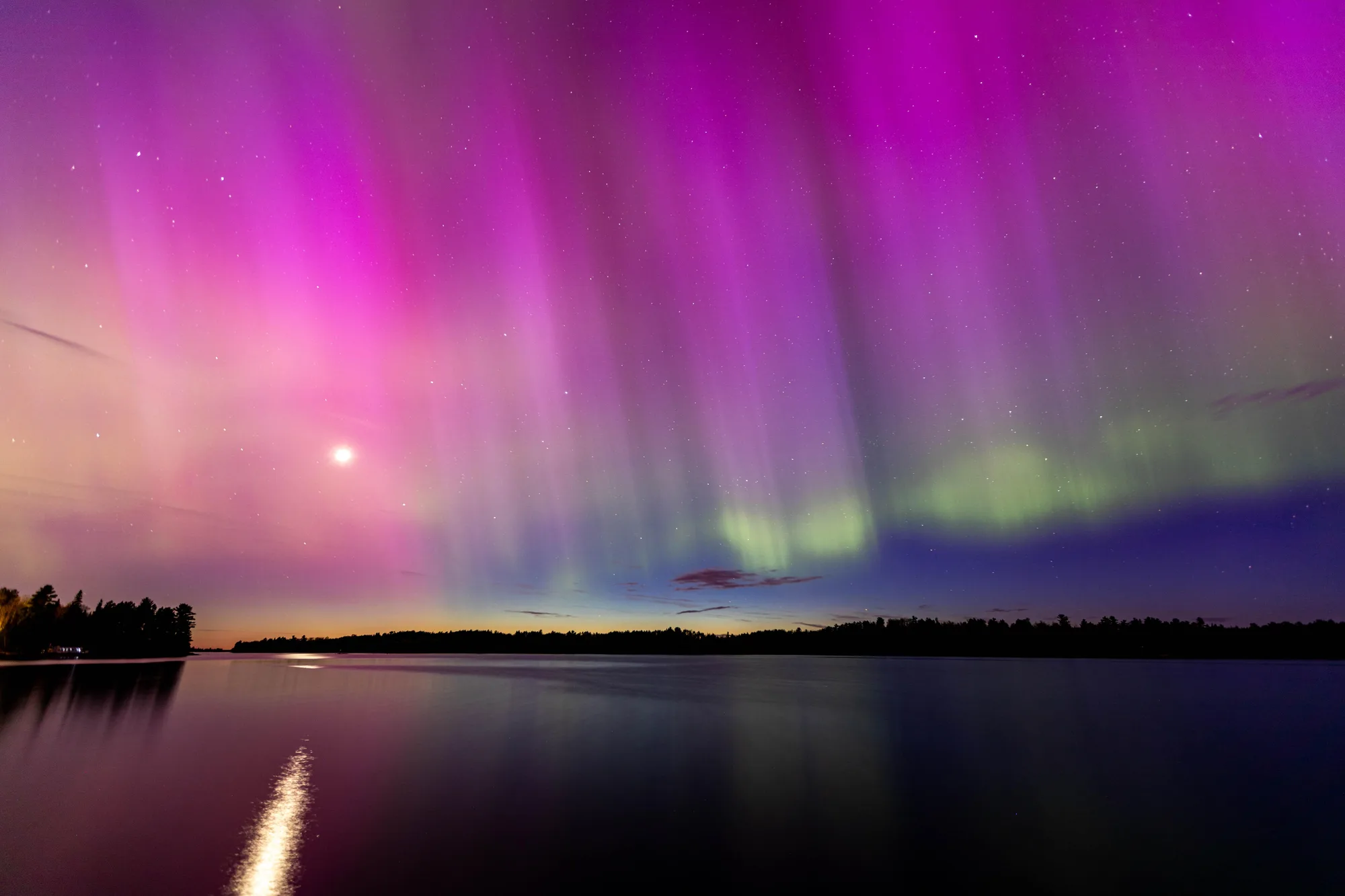
Voyageurs National Park: Stargazing & Northern Lights Guide
Voyageurs earned Dark Sky Park status by retrofitting its own lighting. Here's where to watch for the aurora.
Great Basin National Park: The Prometheus Tree Story
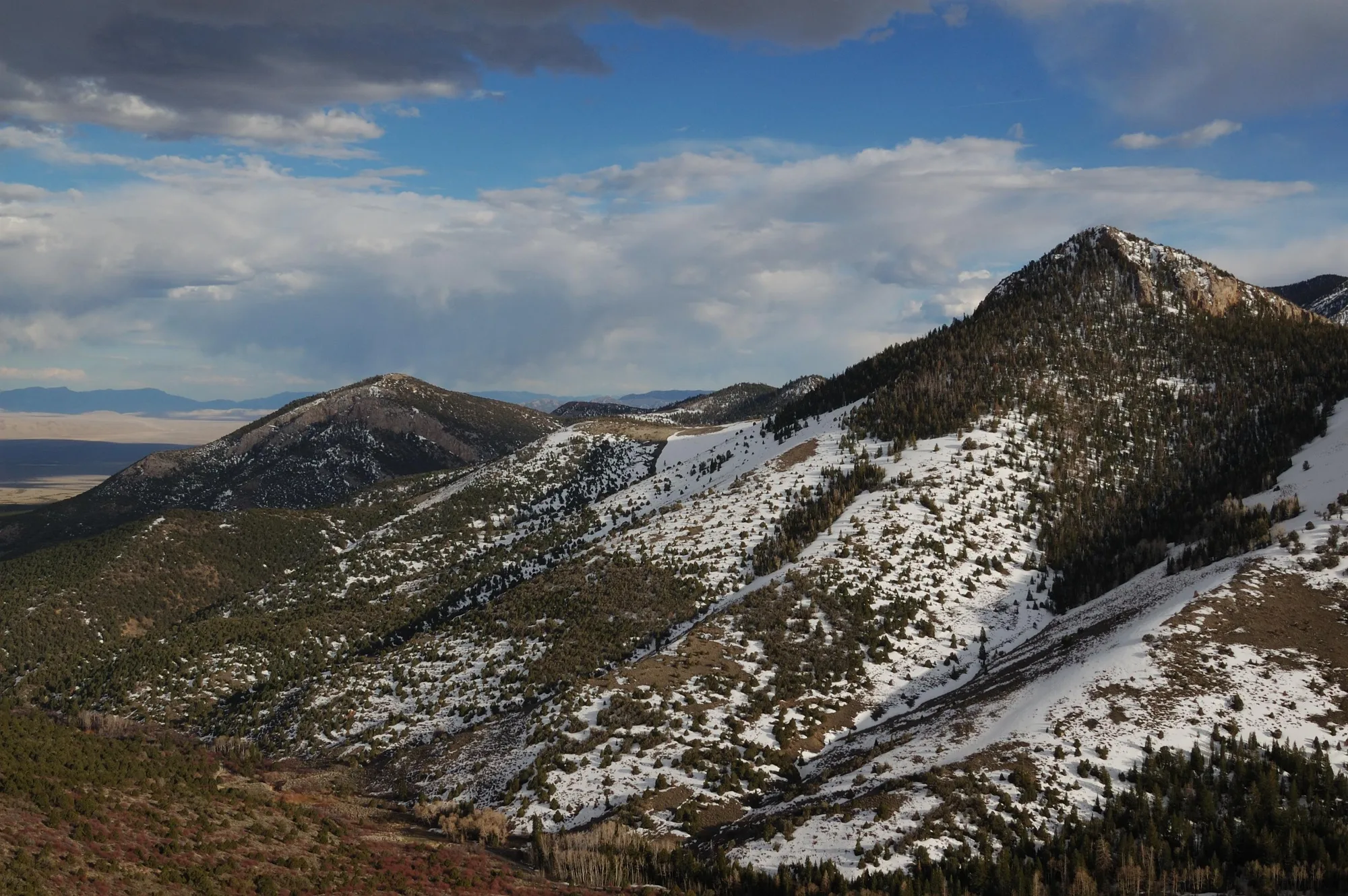
A graduate student cut down the oldest tree ever dated to study its rings. The outcry helped create this park.
Great Basin National Park: The Lehman Caves Discovery Story
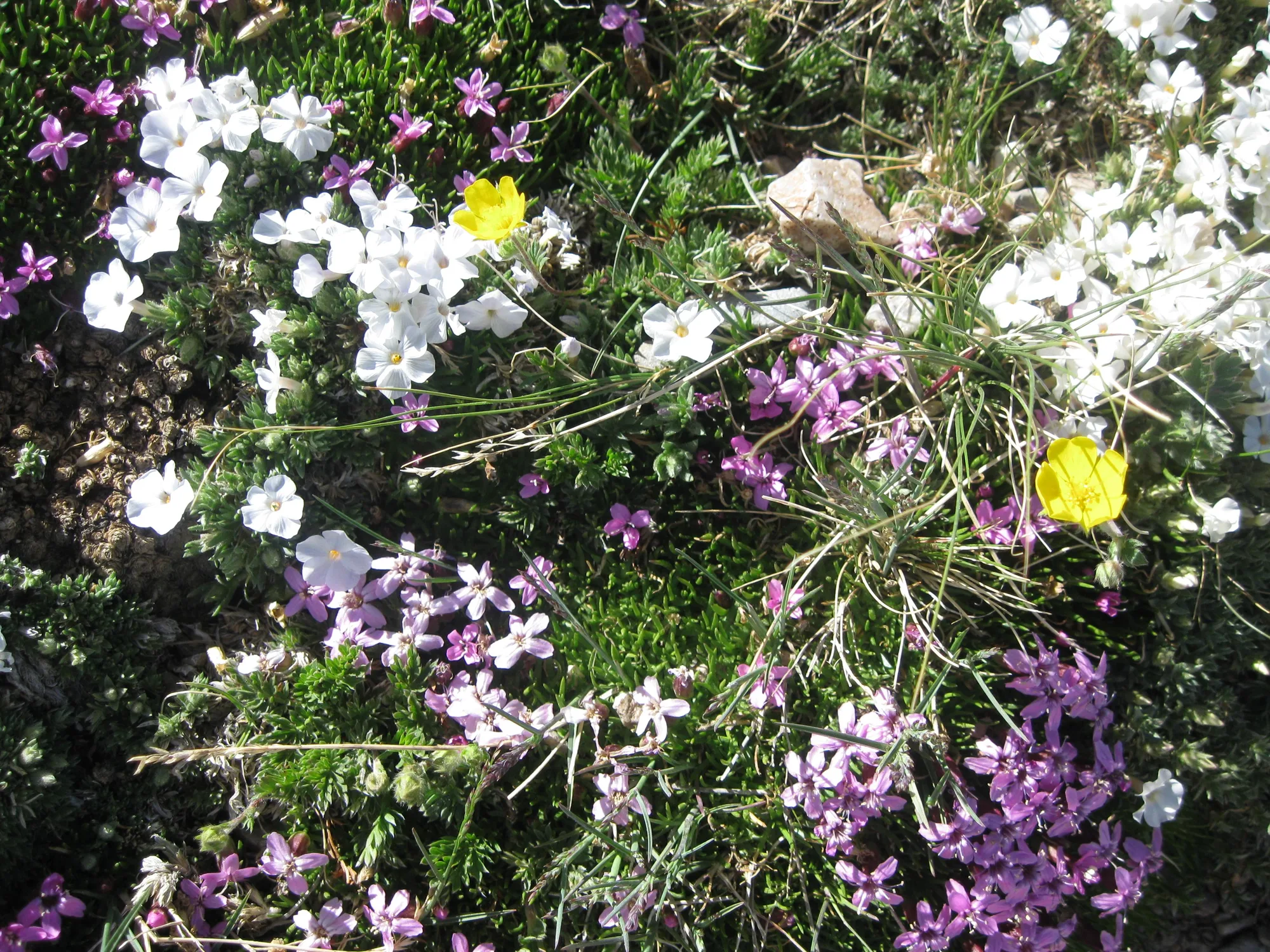
More than 40 different accounts claim to explain how Lehman Caves was found in 1885.
Great Basin National Park: Hiking to Nevada's Only Glacier
Nevada has exactly one glacier, and it might not last another 20 years.
Wrangell-St. Elias National Park: The Kennecott Copper Mine Story
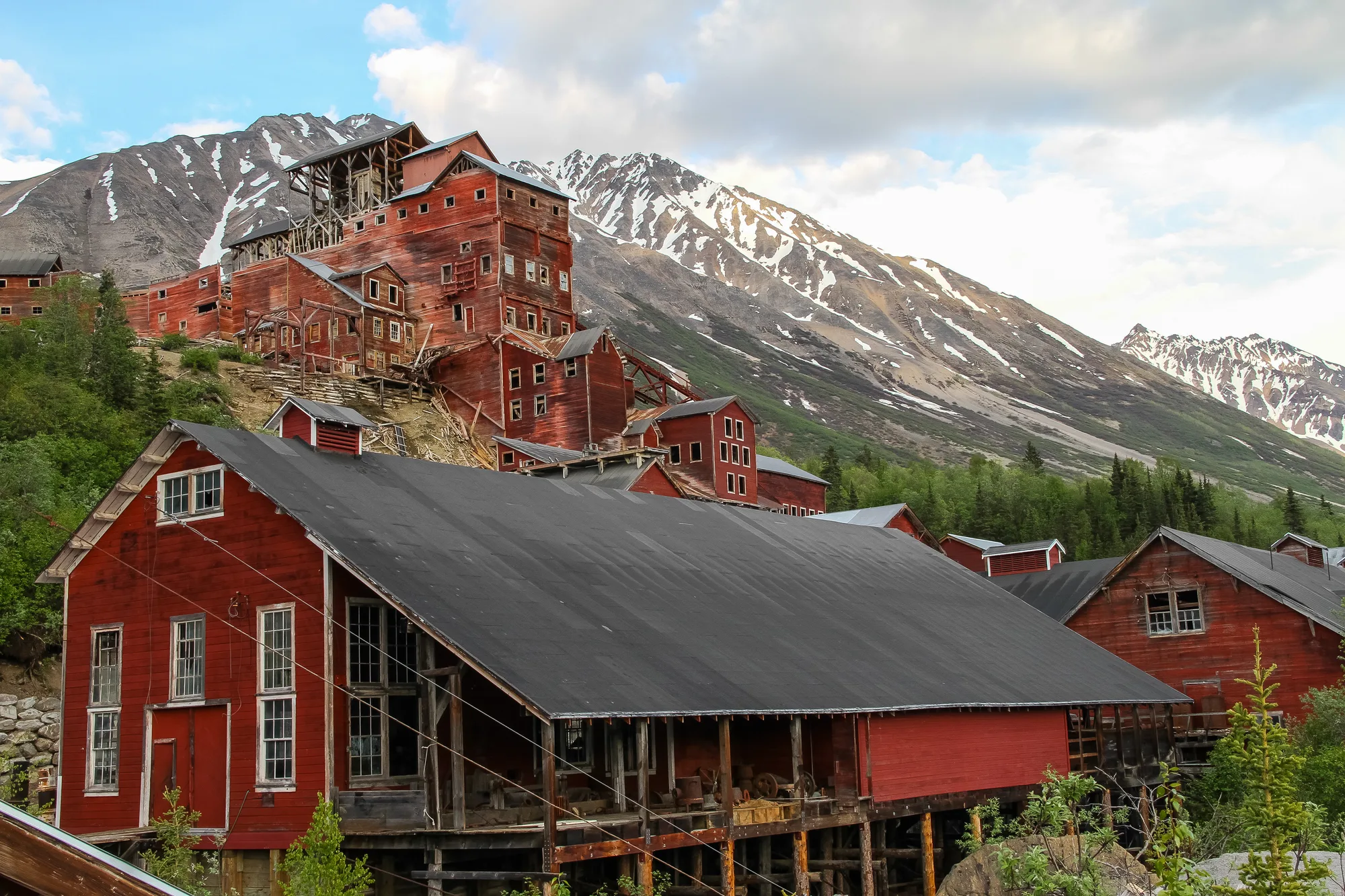
Two prospectors found a hillside of copper so rich it built a 200-mile railroad and a company town, then, in 1938, just stopped.
Wrangell-St. Elias National Park: Mount Wrangell, Alaska's Active Volcano
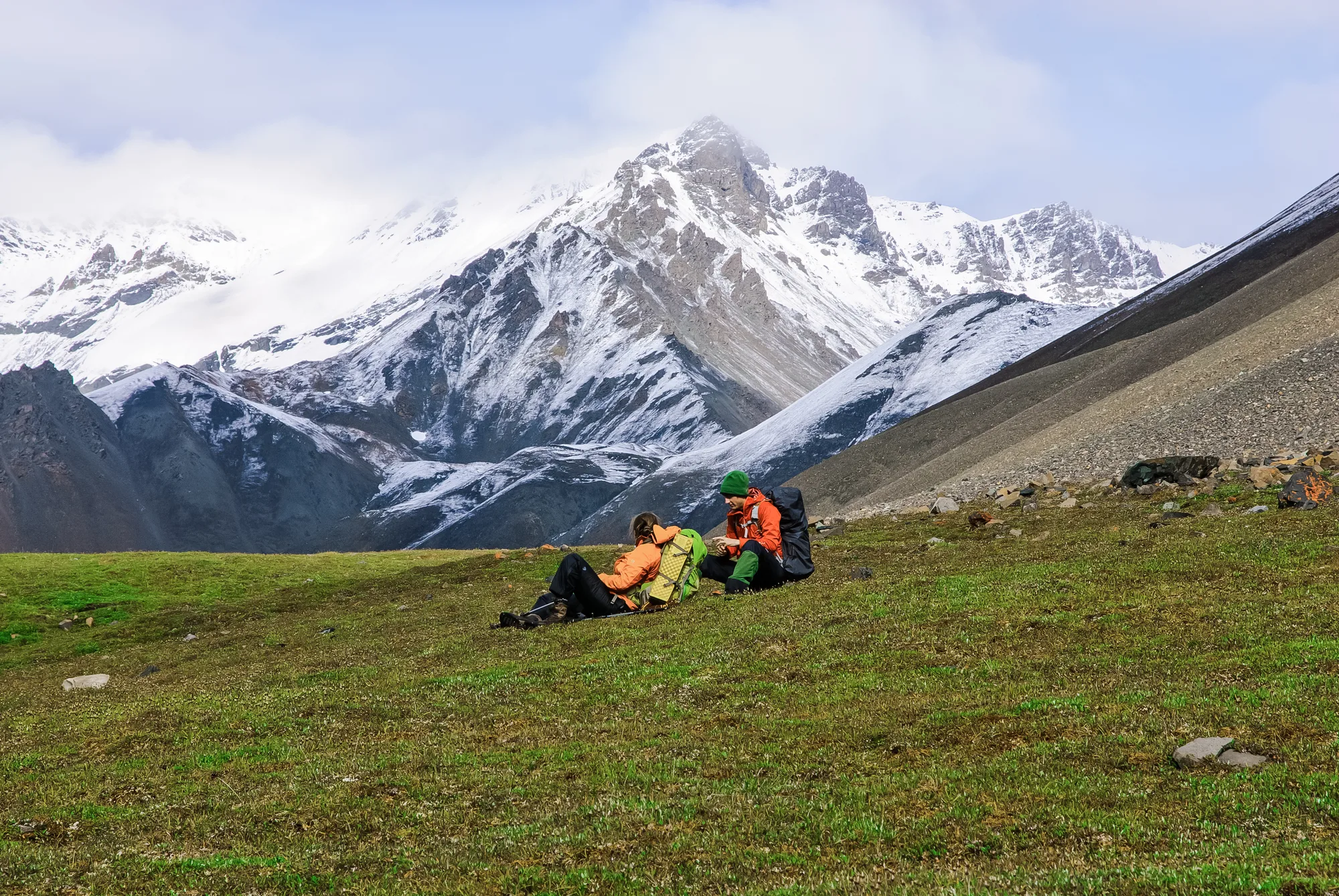
At 14,163 feet, Mount Wrangell still vents steam on cold mornings. It's one of the largest active volcanoes on Earth.
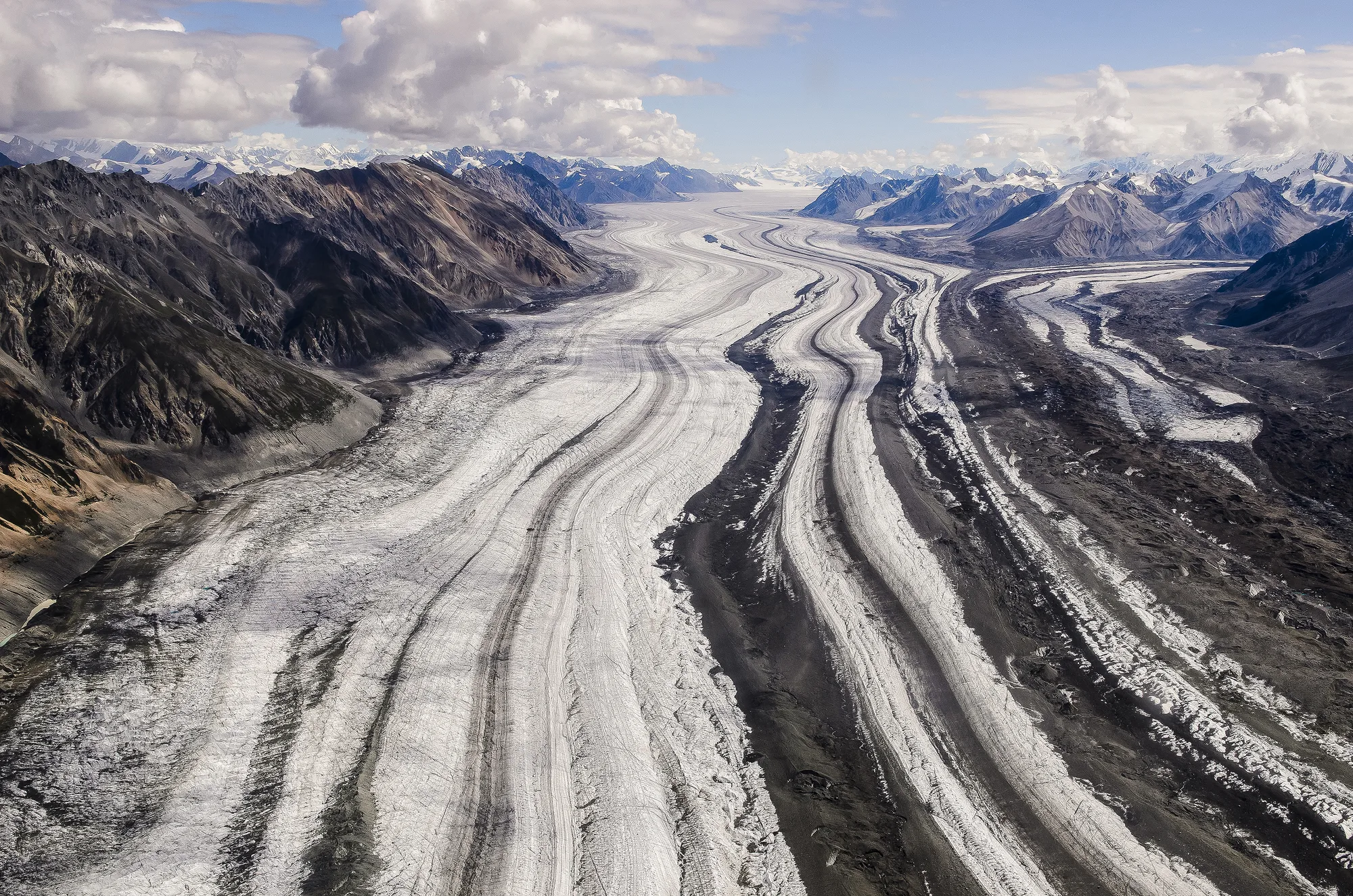
Wrangell-St. Elias National Park: Hiking Into a Glacier Ice Cave
A short walk from a ghost town leads onto Root Glacier, and sometimes into it. It's also the easiest way to grasp a park six times Yellowstone's size.
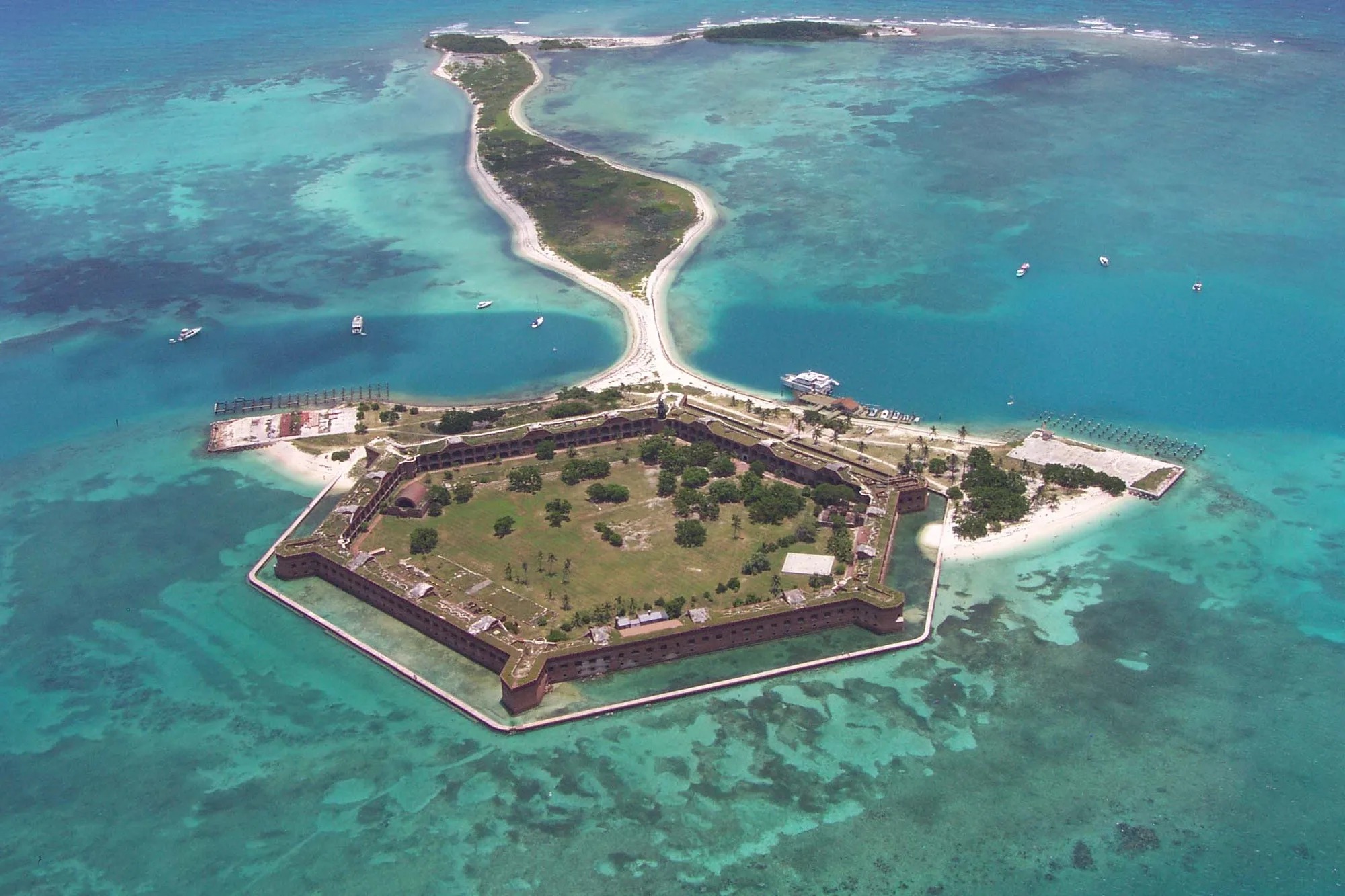
Dry Tortugas National Park: The Fort Jefferson Story
Fort Jefferson took thirty years to build and was never finished. By the time construction was winding down, new weapons had already made it obsolete.
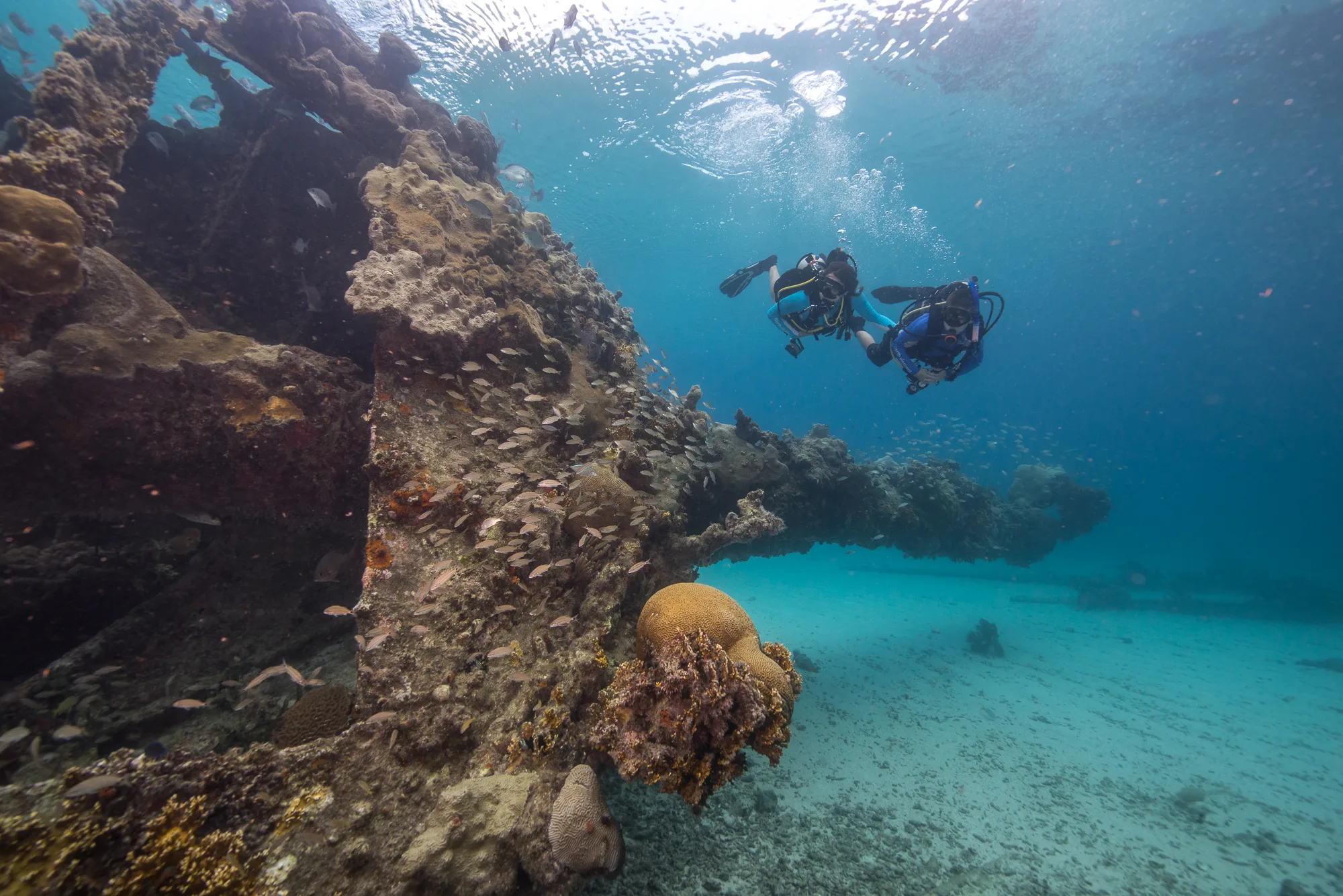
Dry Tortugas National Park: The Dr. Samuel Mudd Story
Samuel Mudd escaped a death sentence by one vote, then spent four years at Fort Jefferson, until a yellow fever outbreak changed how his story ended.
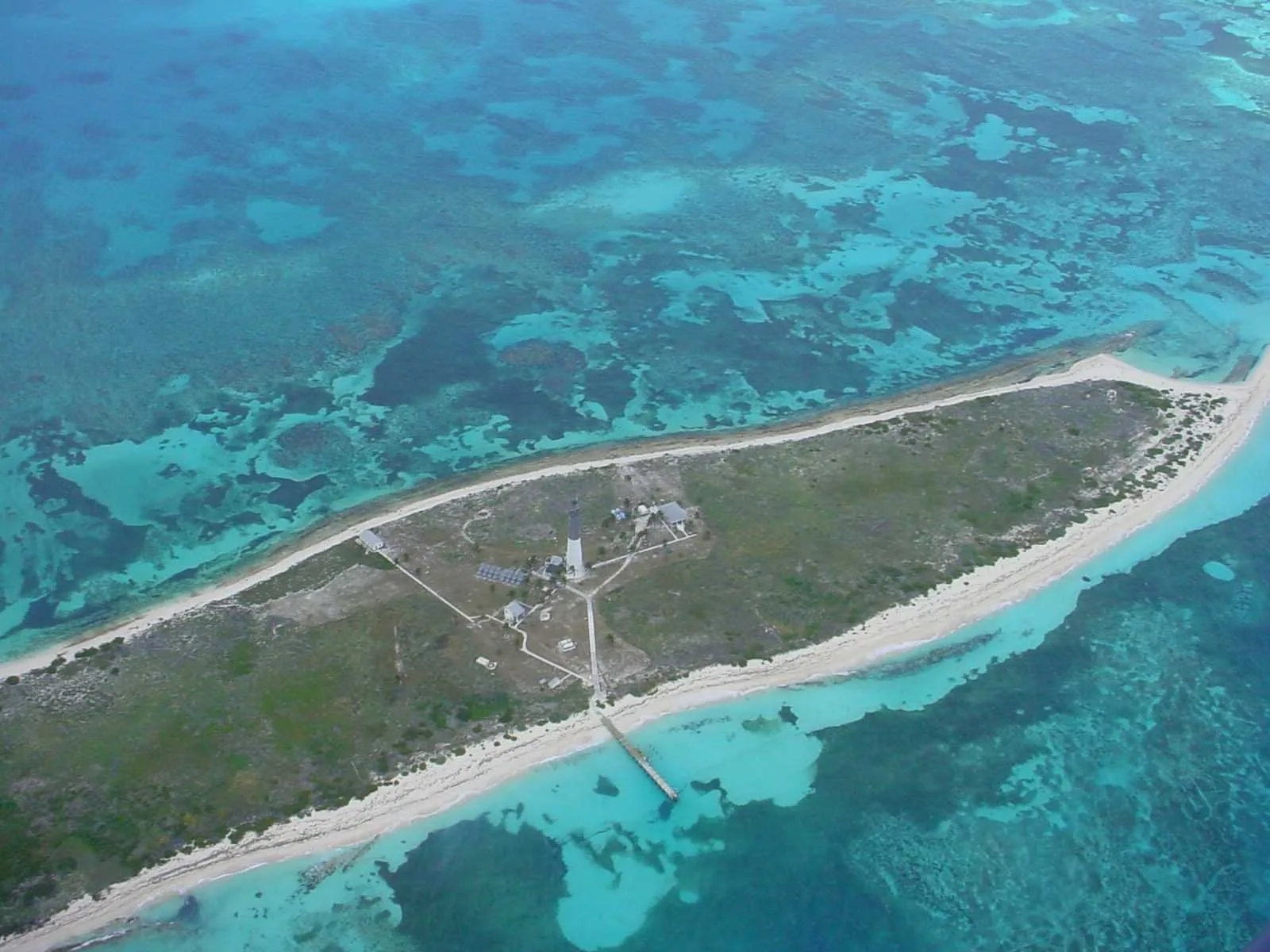
Dry Tortugas National Park: Why It's Called the Tortugas
In 1513, Ponce de Leon named these islands for the sea turtles nesting on them. Five hundred years later, it's still the most active nesting site in the Keys.
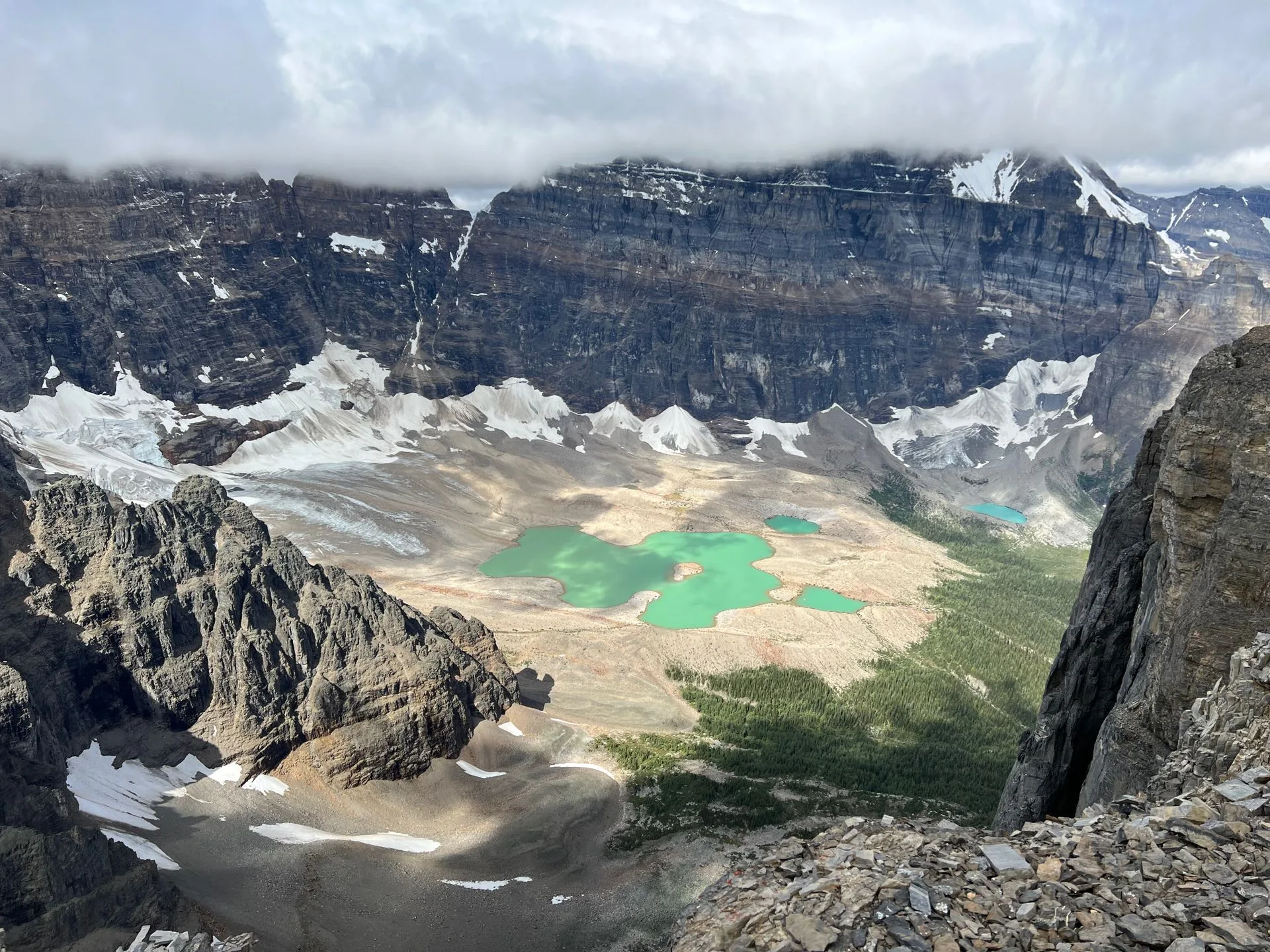
North Cascades National Park: More Glaciers Than Anywhere Outside Alaska
312 glaciers crown these peaks, the most heavily glaciated area in the U.S. outside Alaska. Since the late 1800s, the park has lost 56% of its ice.
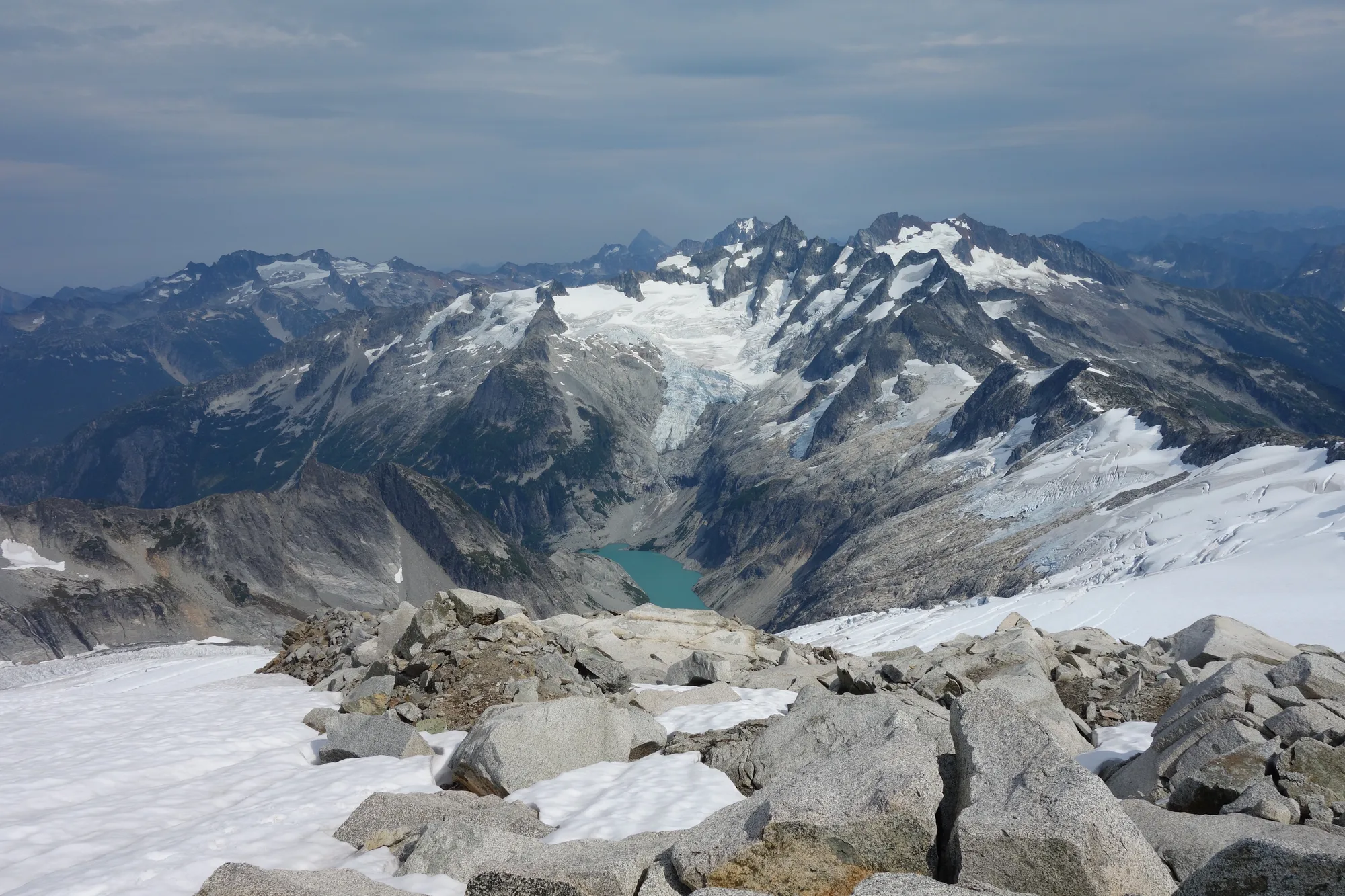
North Cascades National Park: The Cascade Pass and Stehekin Story
Stehekin means "the way through" in the language of the people who crossed Cascade Pass for thousands of years. It's still reachable only by boat, trail, or plane.
North Cascades National Park: The Grizzly Bear Restoration Story
Fur traders sold 3,200 grizzly pelts from this region in thirty years. The bears never recovered, and the Park Service is now studying how to bring them back.
American Samoa National Park: The Park the Government Doesn't Own
The National Park Service doesn't own American Samoa's park land. It leases it, fifty years at a time, from the Samoan villages who've held it for generations.
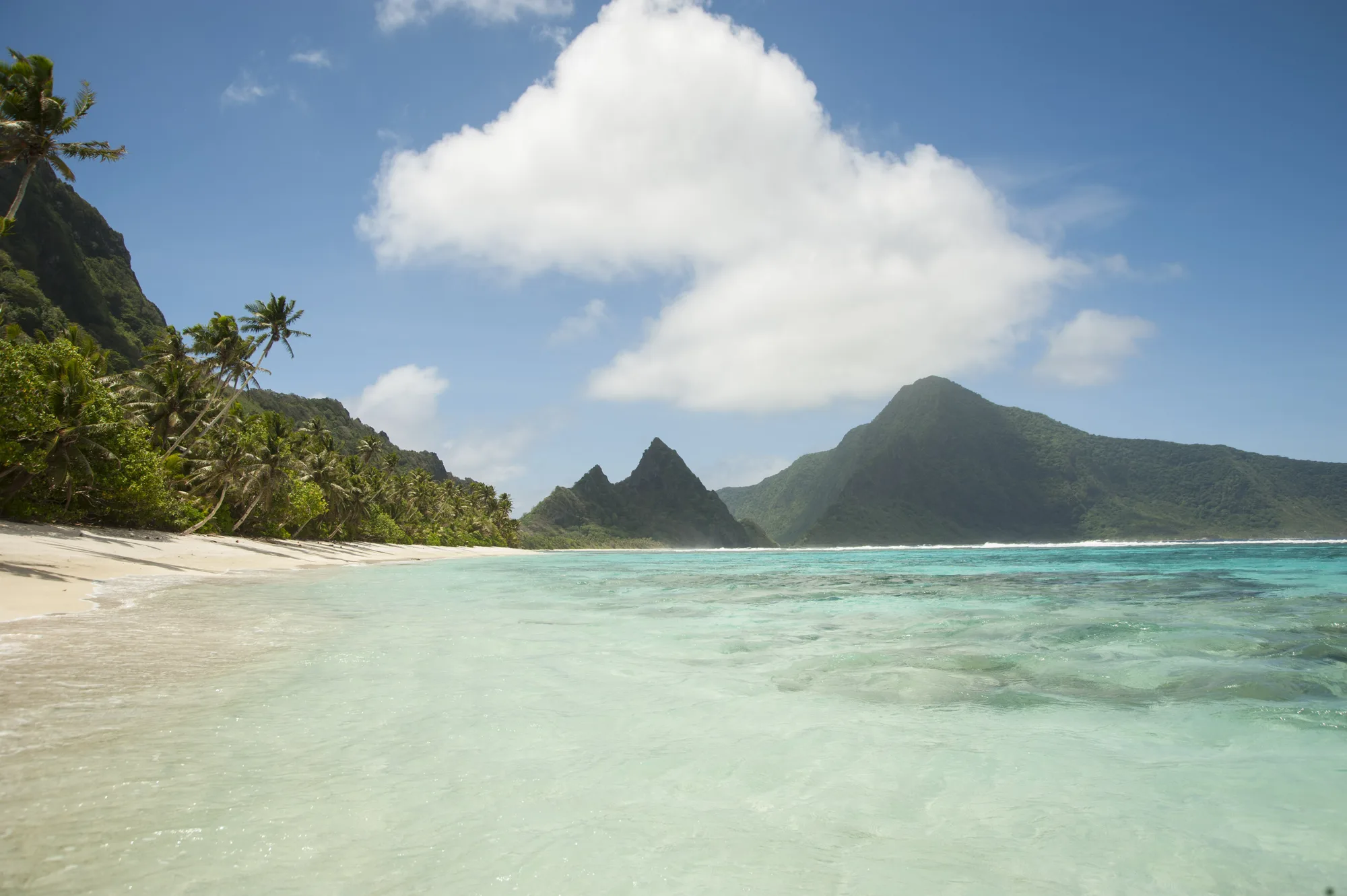
American Samoa National Park: The Bats That Pollinate a Rainforest
Two species of flying fox do the pollinating and seed-dispersing work in this paleotropical rainforest, the only one under National Park Service protection.
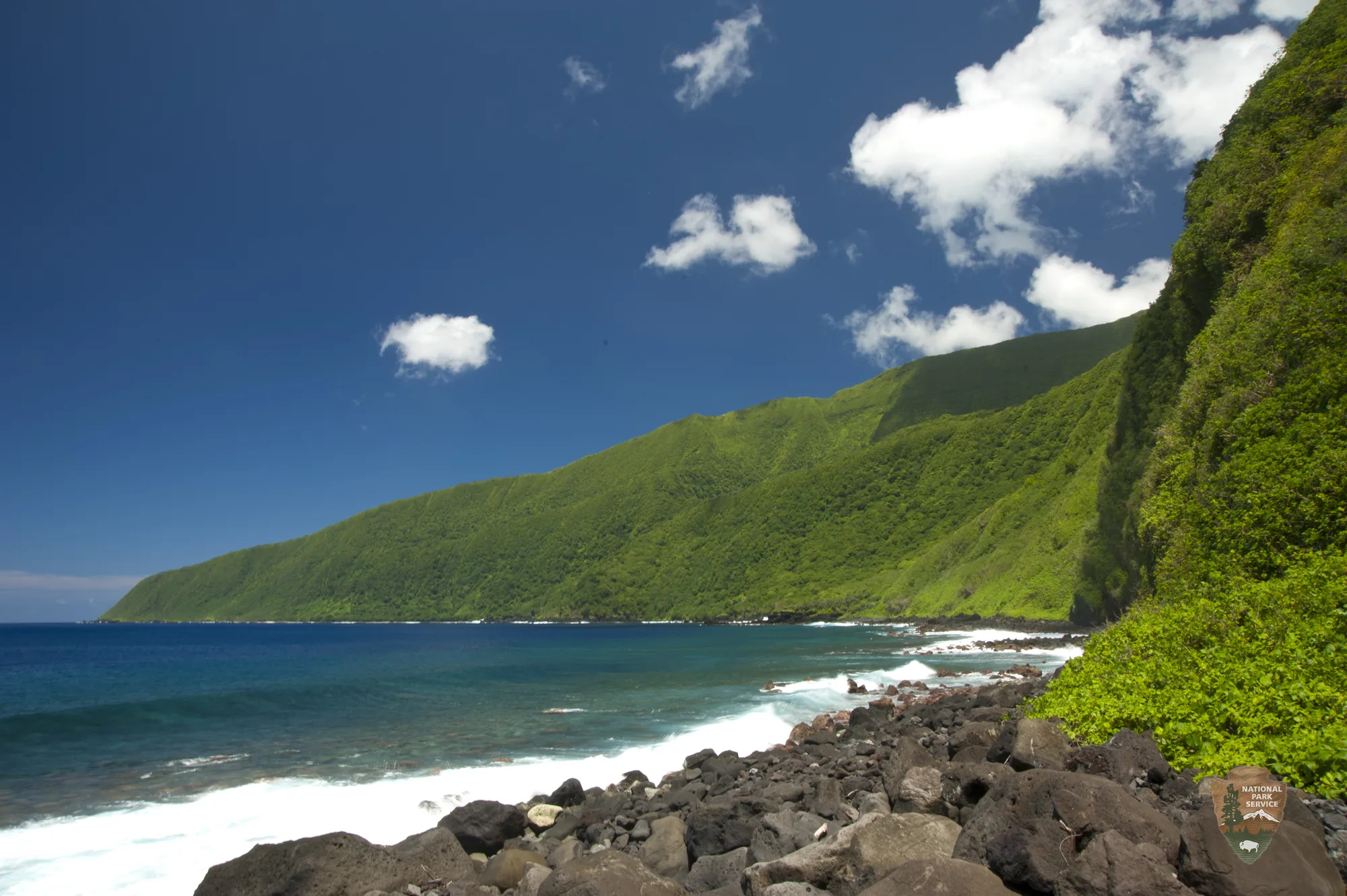
American Samoa National Park: A 500-Year-Old Coral the Size of a House
Near Ta'u Island, scientists measured a single coral colony 22 meters across and as old as 652 years, one of the largest ever documented on Earth.
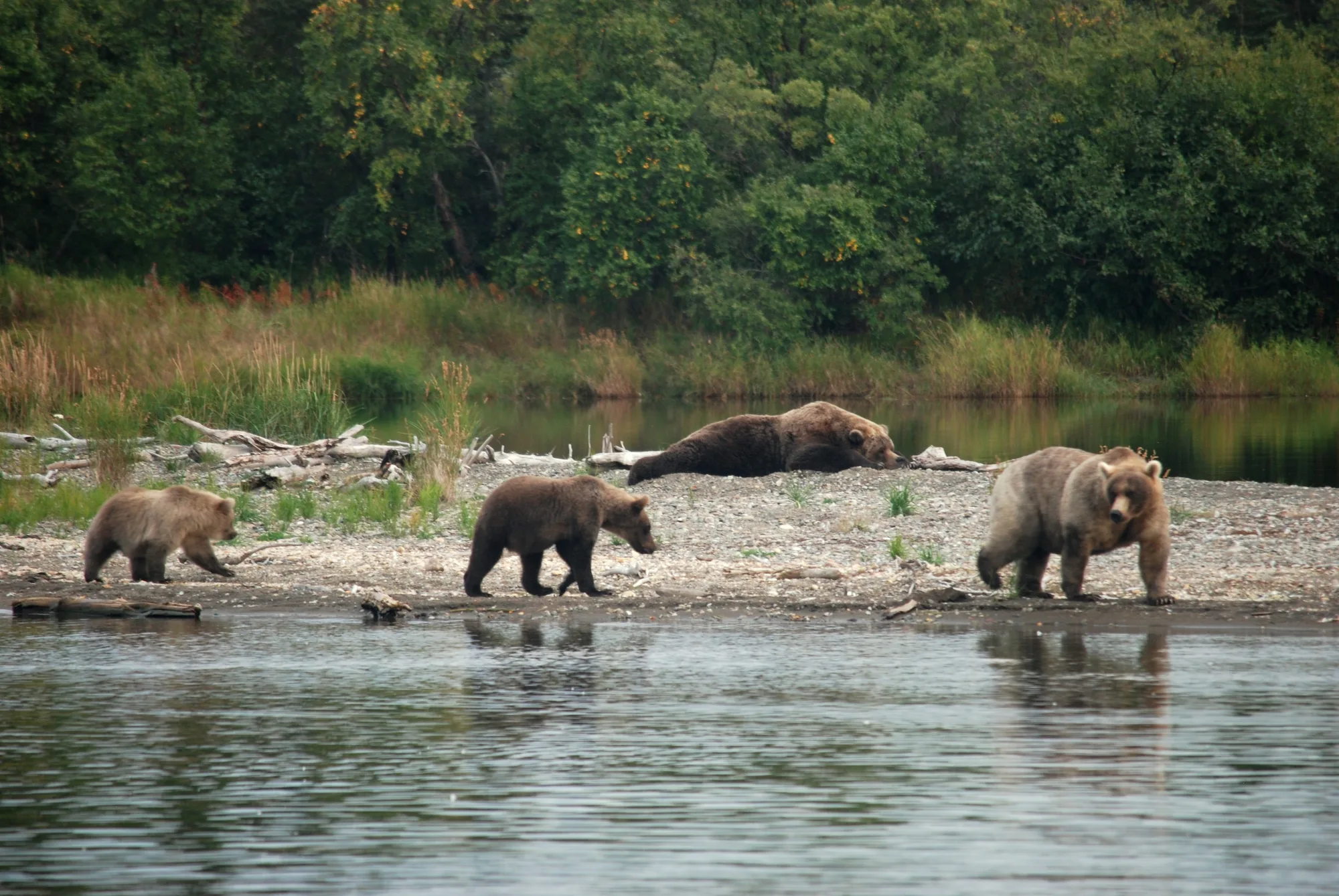
Katmai National Park: The Weekend That Buried a Valley
In 1912, a volcano near Katmai erupted for sixty hours, the largest eruption anywhere on Earth in the entire twentieth century. A valley of ash is still there.
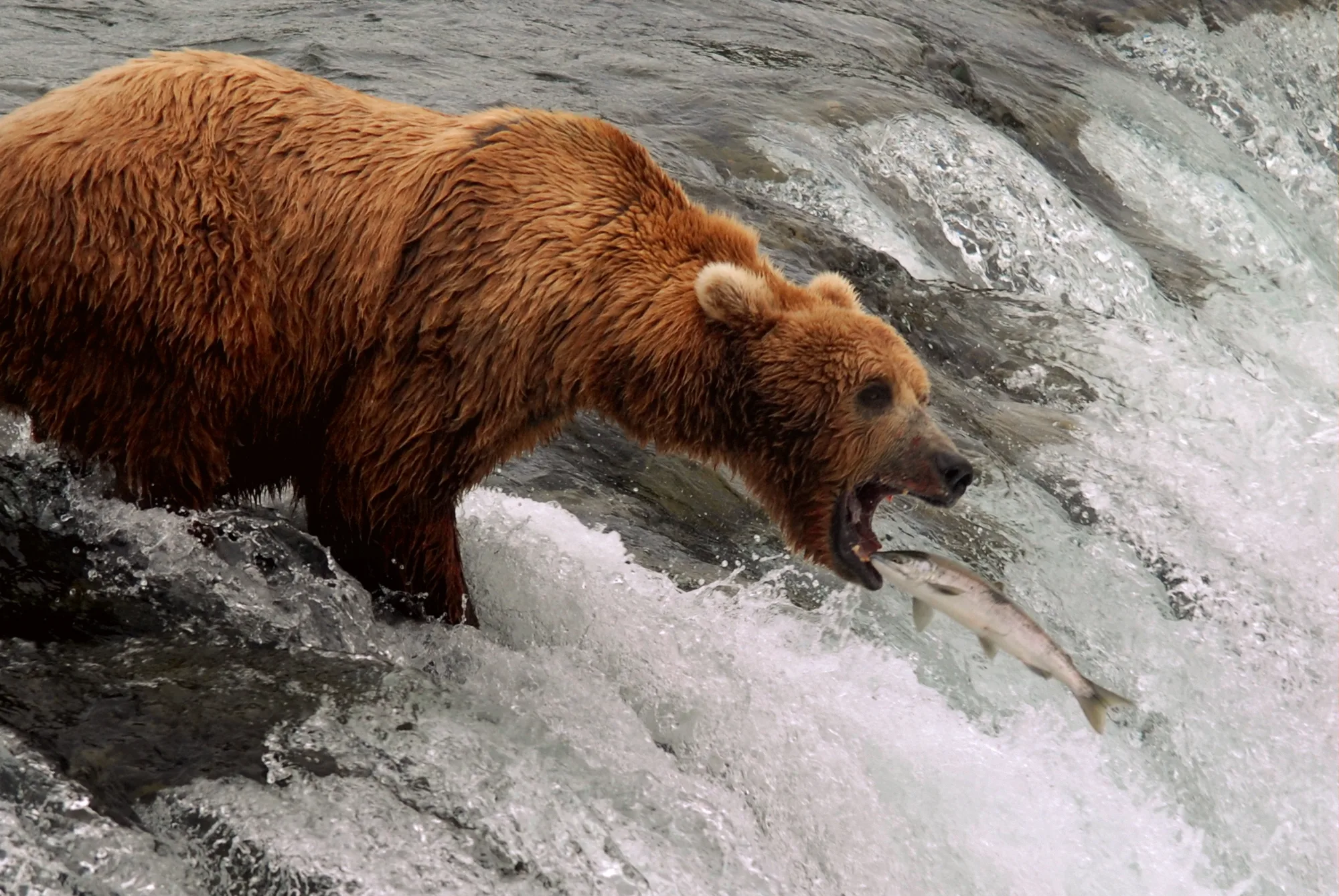
Katmai National Park: As Many as Fifty Bears, One Waterfall
At Brooks Falls, up to fifty brown bears fish the same six-foot drop at once. The salmon run that feeds them is also why the internet crowns a fat bear every fall.
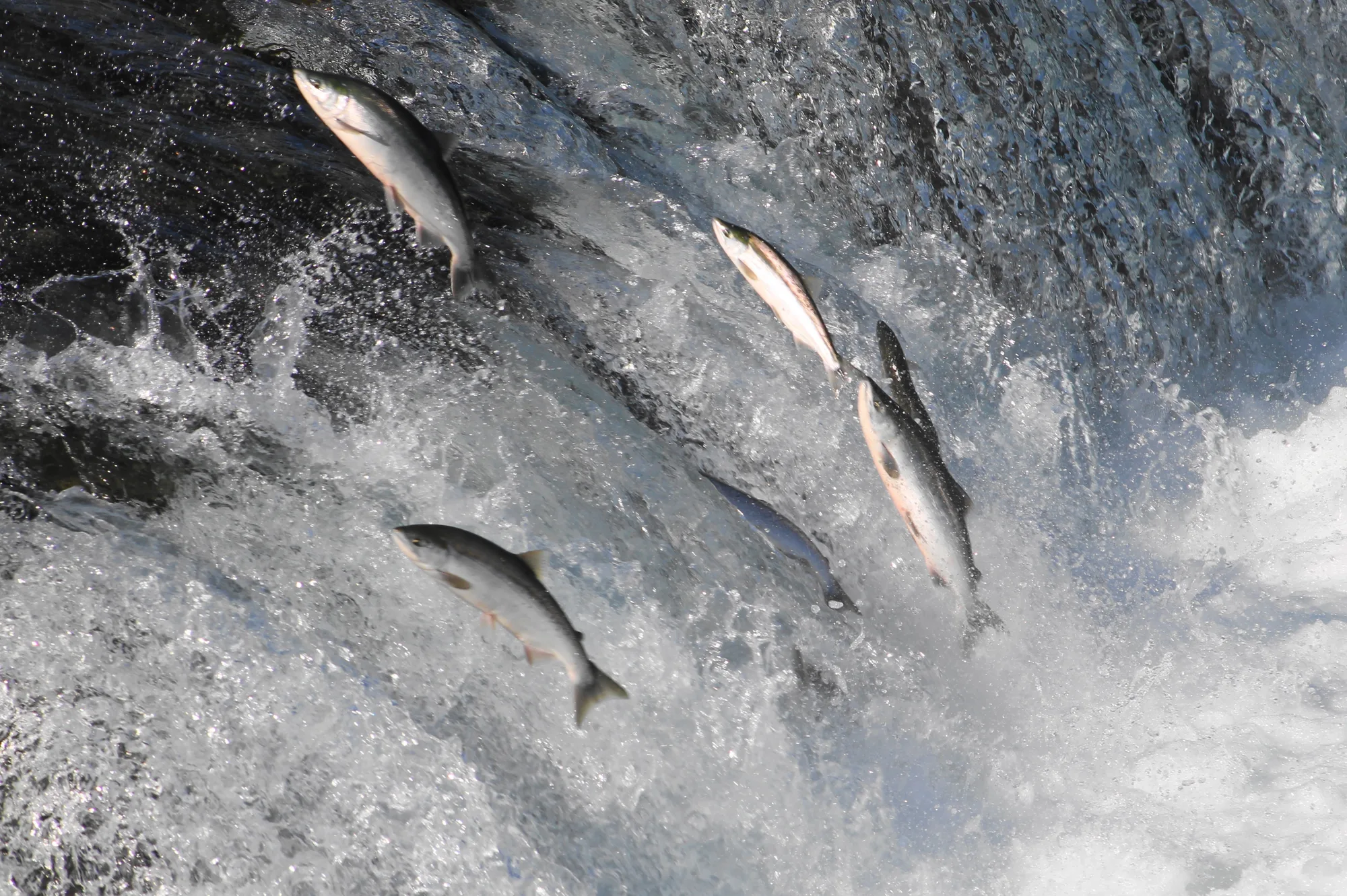
Katmai National Park: What's Buried Under the Bear Trails
Nearly 4,500 years of continuous human history sits beneath the same riverbank where bears fish for salmon today, marked by more than 900 house depressions.
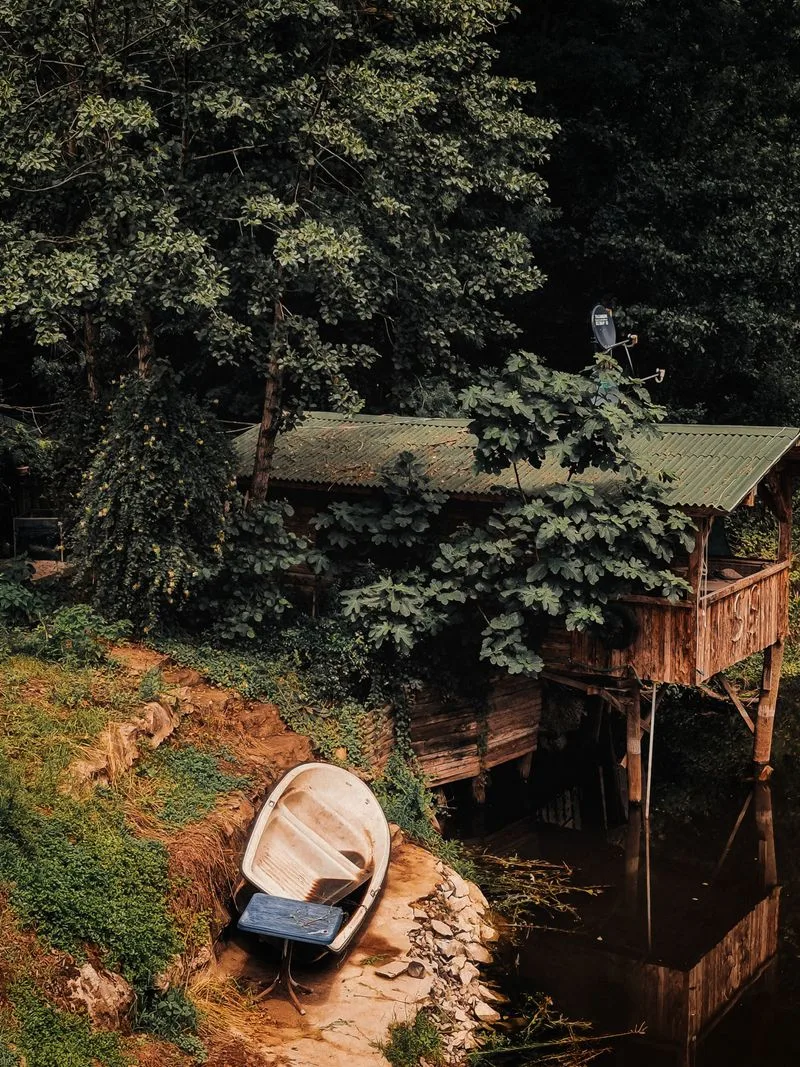
Isle Royale National Park: Down to Two Wolves, and Back
Isle Royale's wolves fell to just two before rangers relocated nineteen more. Now the world's longest predator-prey study is watching a fast, dramatic reversal.
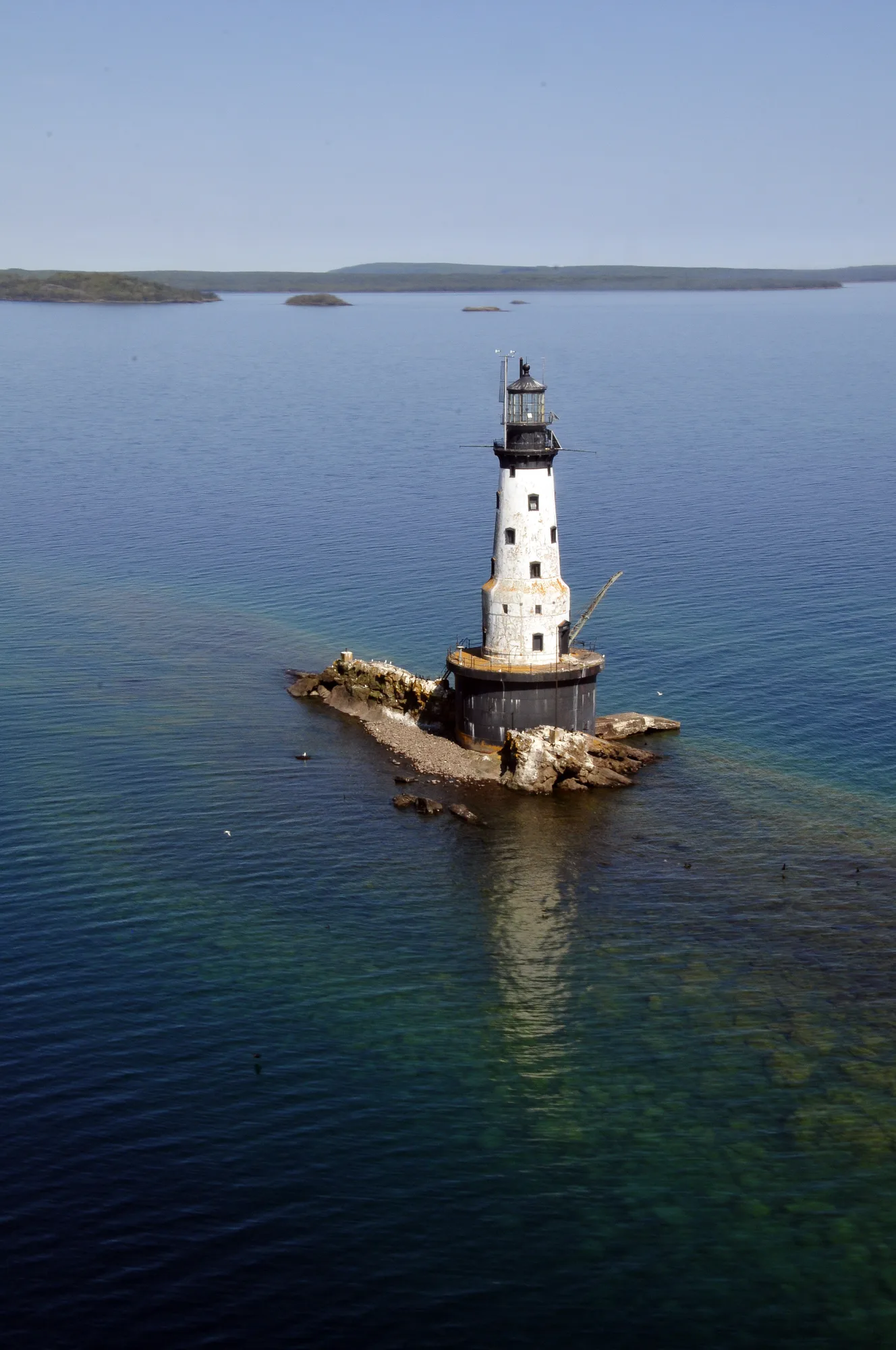
Isle Royale National Park: The Wreck Nobody Found for Fifty Years
Ten ships lie wrecked in one strait off Isle Royale. One, the SS Kamloops, vanished with all 22 aboard in 1927 and wasn't found again for half a century.
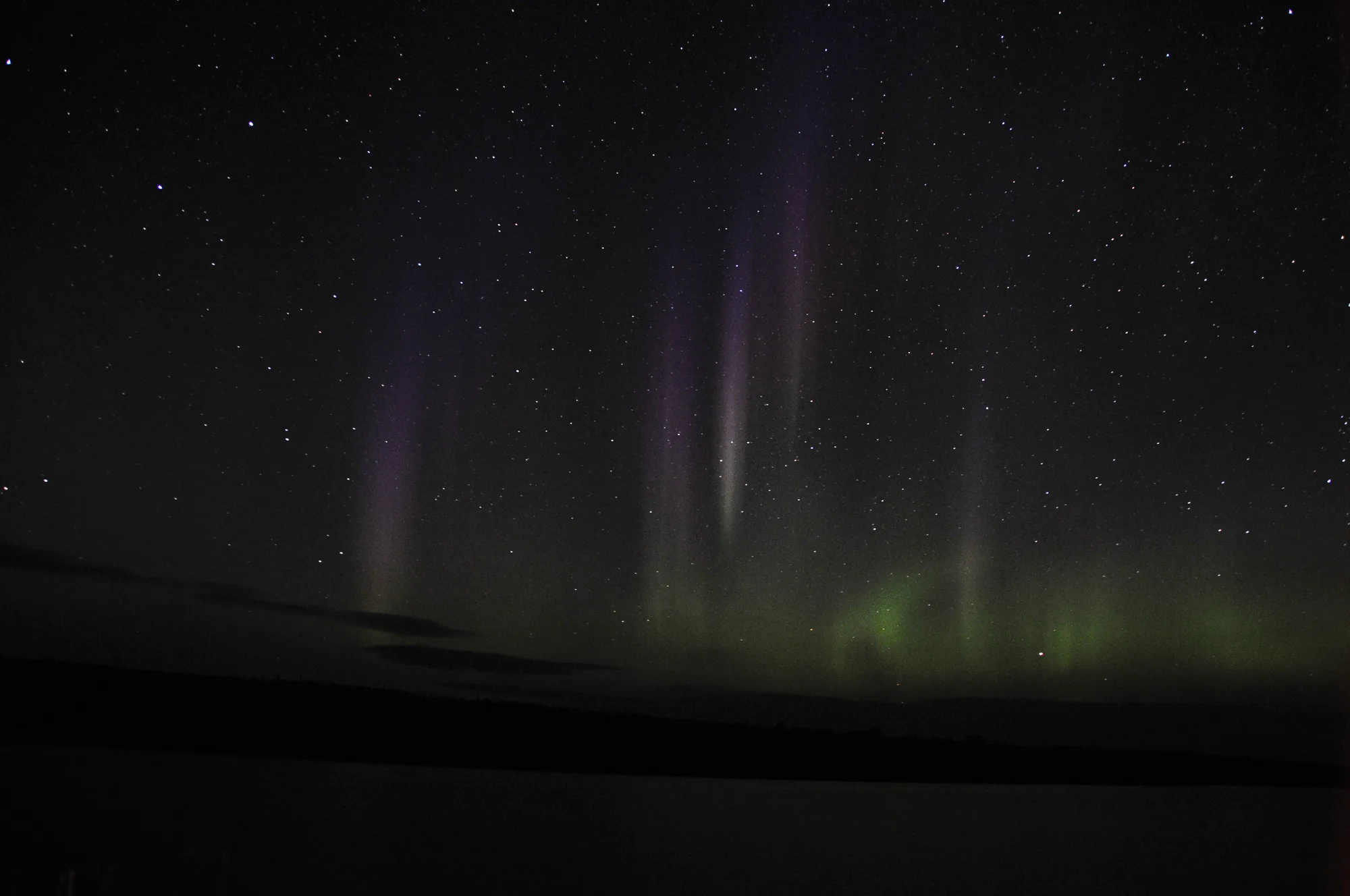
Isle Royale National Park: The Two-Mile Mine Dug With Fire and Stone
Isle Royale's copper pits run for two miles and reach thirty feet deep, dug starting at least 4,500 years ago with fire, water, and stone hammers, no metal tools at all.
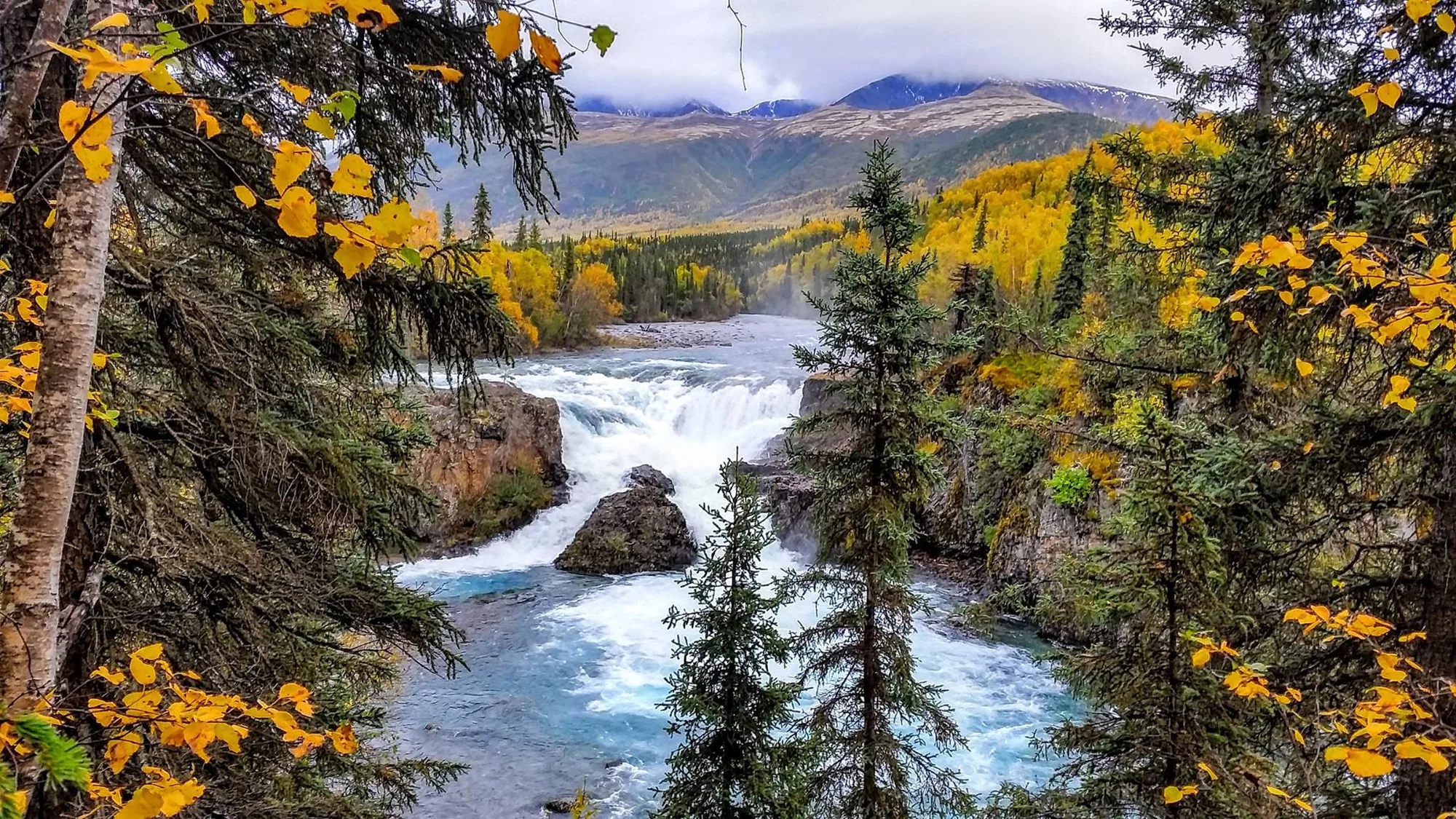
Lake Clark National Park: Thirty Years Alone, by Choice
At 51, Richard Proenneke built a cabin by hand at Twin Lakes and stayed for thirty years, filming and journaling almost every day of it.
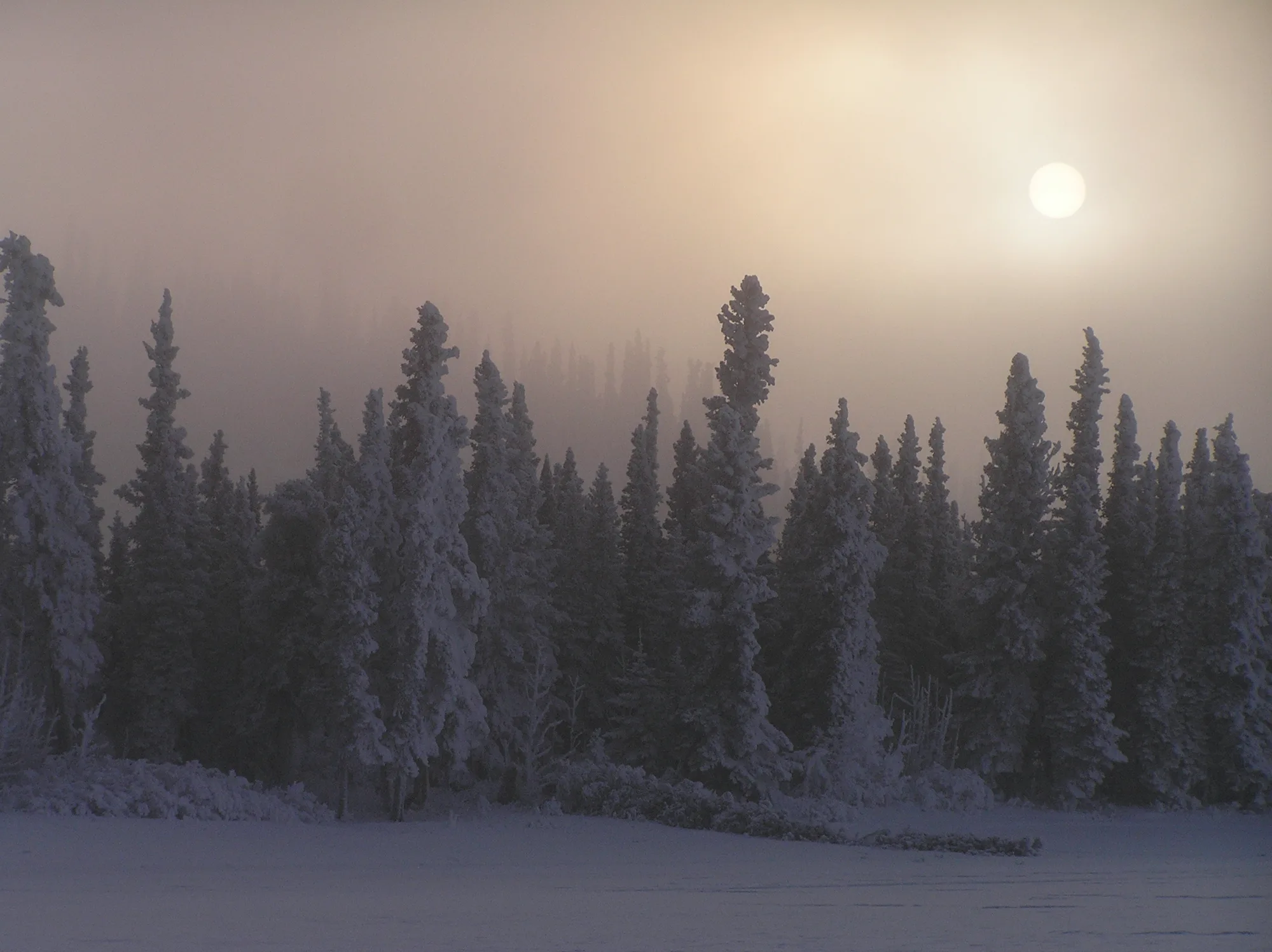
Lake Clark National Park: The Volcano That Stopped a 747
In 1989, ash from Redoubt Volcano shut down all four engines on a jumbo jet mid-flight. Twenty years later, it grounded Anchorage's airport for a full day.
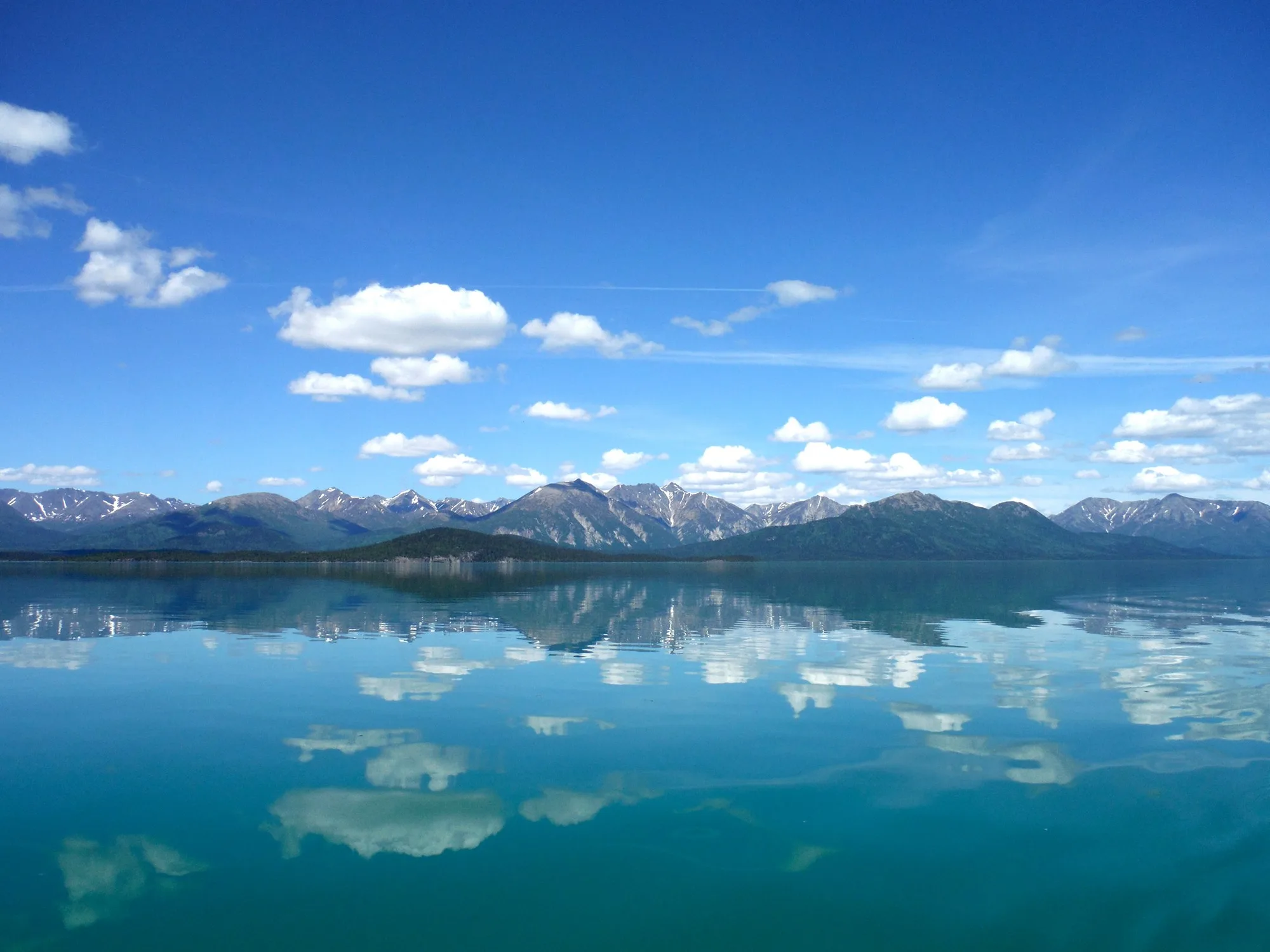
Lake Clark National Park: The Headwaters of the World's Biggest Salmon Run
Up to 6 million sockeye salmon swim into Lake Clark's watershed every year, part of the largest sockeye fishery on Earth, feeding bears, people, and the lake itself.
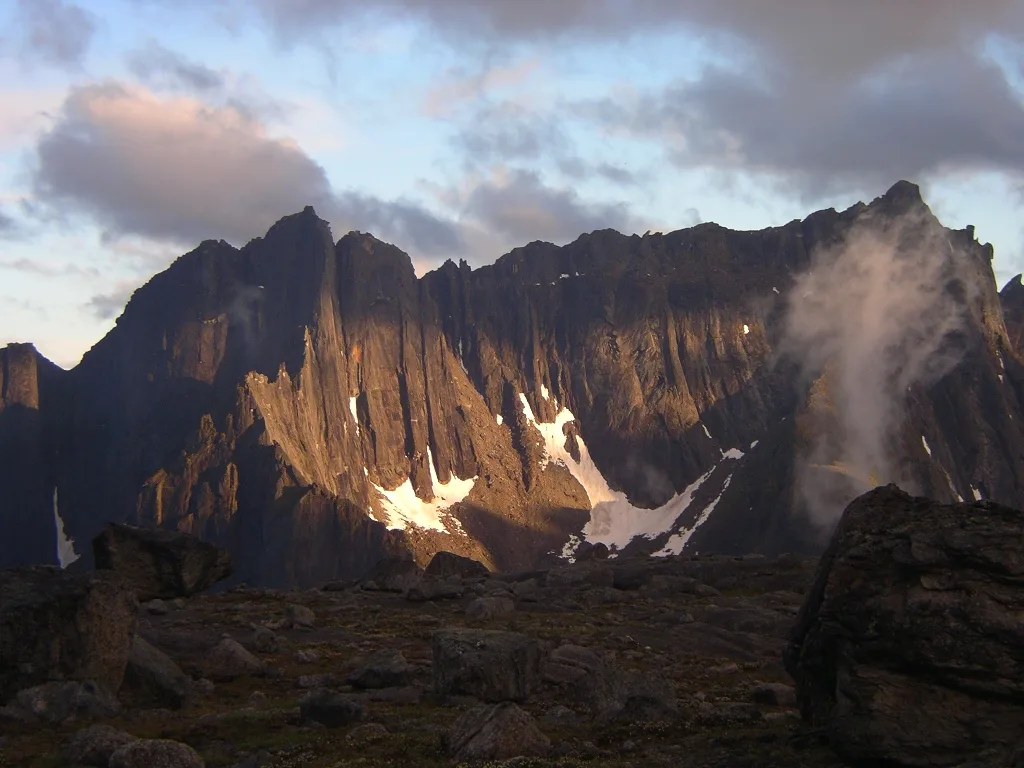
Gates of the Arctic National Park: The Man Who Named the Gates
In 1929, forester Robert Marshall named two peaks the Gates of the Arctic. He spent the rest of his short life fighting to keep places like it wild.
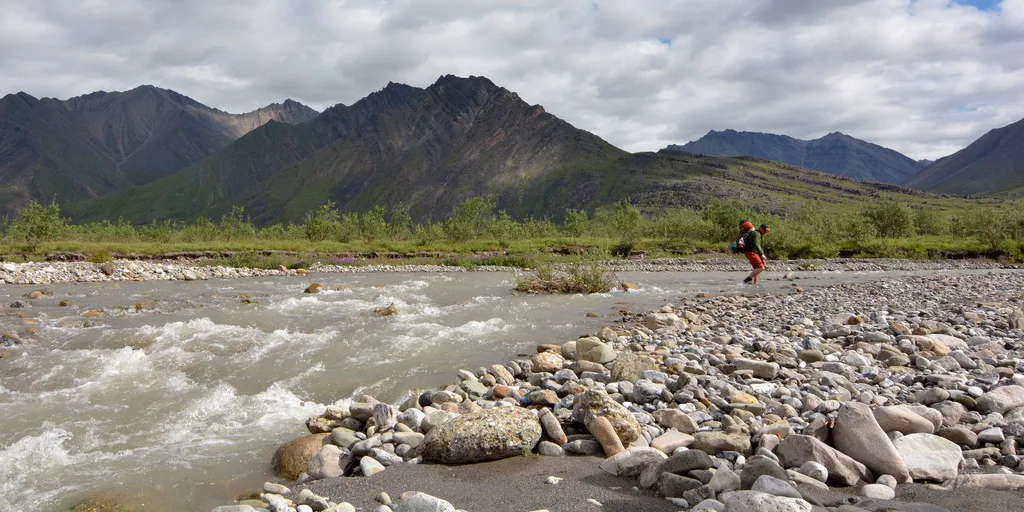
Gates of the Arctic National Park: The Only Town Inside the Gates
Anaktuvuk Pass is the only community inside Gates of the Arctic National Park, founded in 1949 by Nunamiut families who came down from the mountains to stay.
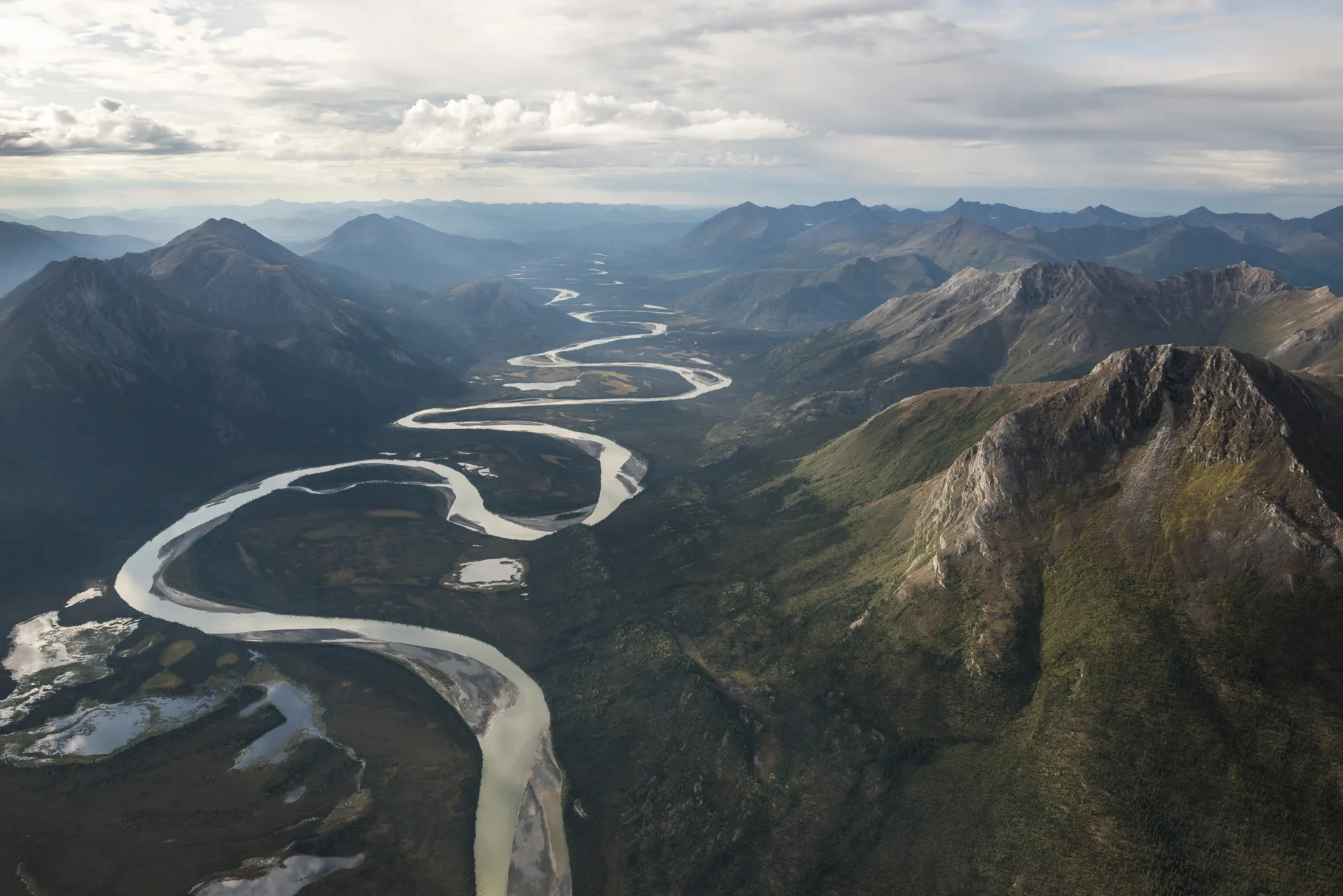
Gates of the Arctic National Park: The Caribou That Walk 2,000 Miles a Year
The Western Arctic Caribou Herd migrates through Gates of the Arctic every year, one animal was tracked crossing over 2,700 miles, but the herd itself has lost most of its numbers since 2003.
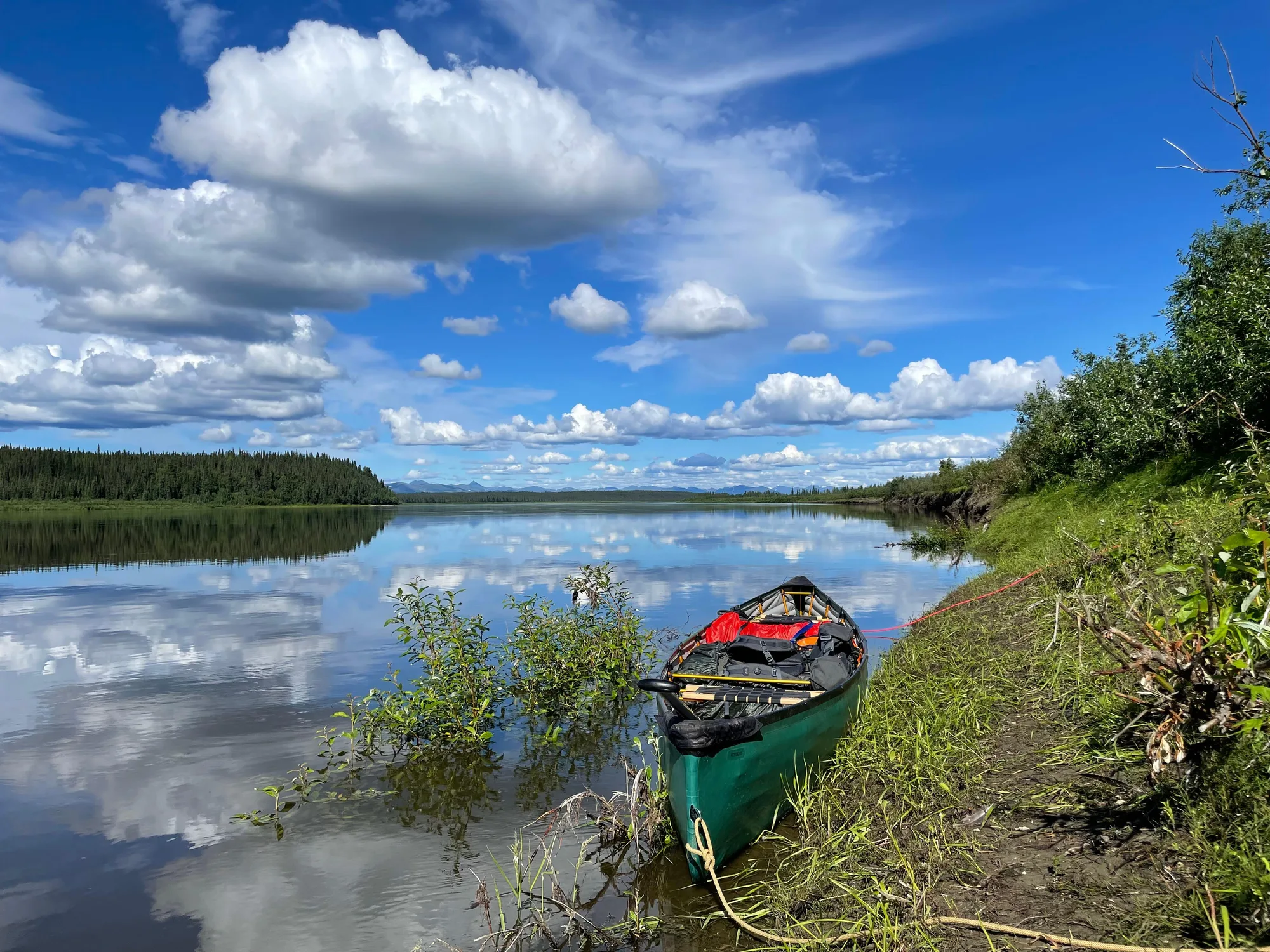
Kobuk Valley National Park: The Sand Dunes at the Top of the World
The Great Kobuk Sand Dunes rise 100 feet above Arctic tundra, and NASA-funded researchers study them because they move slowly, frozen, almost exactly like the dunes on Mars.
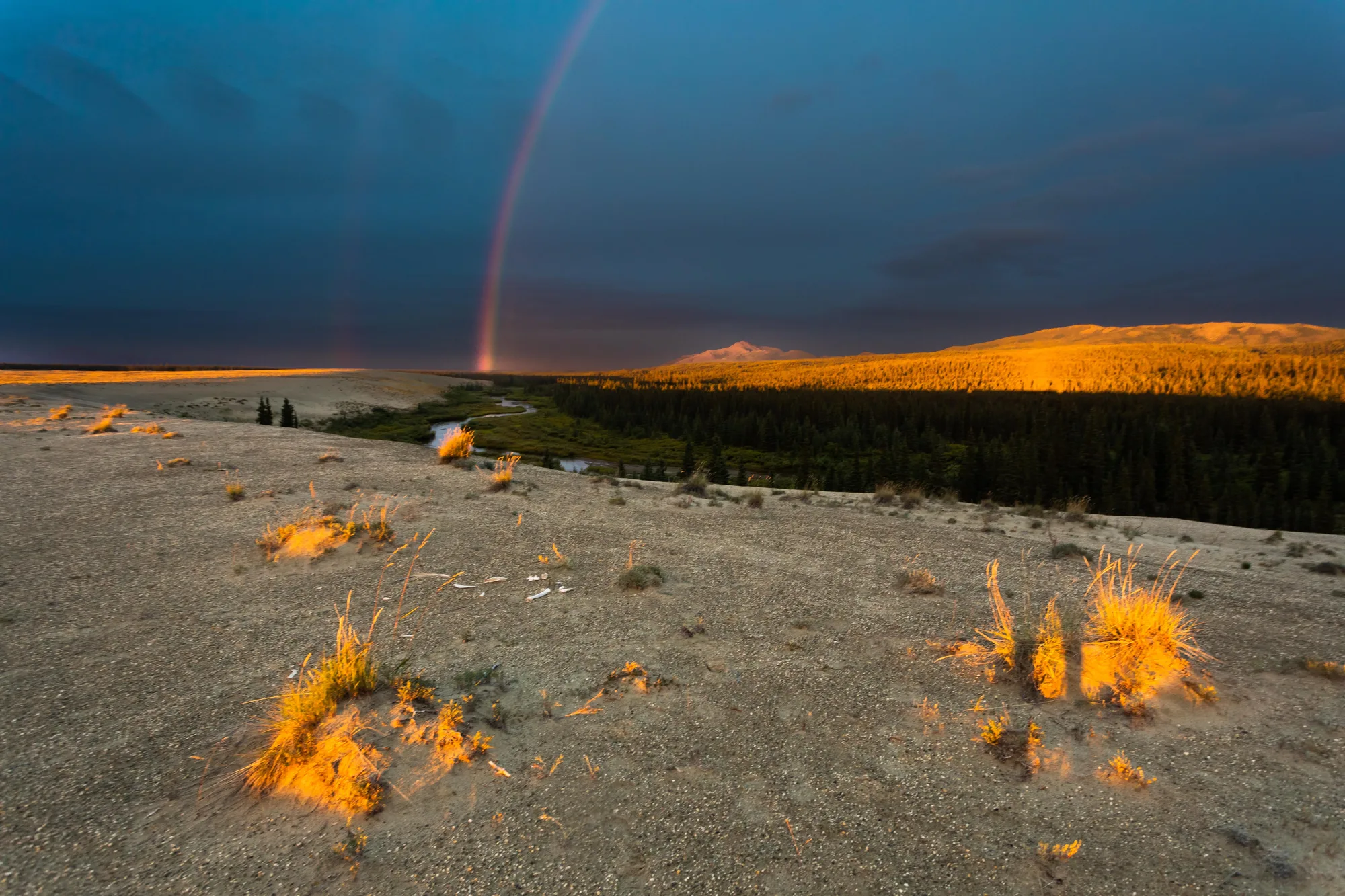
Kobuk Valley National Park: Six Thousand Years at One River Crossing
An archaeologist spent his final year excavating one bend in the Kobuk River. What he found were nine stacked layers of Arctic cultures spanning thousands of years.
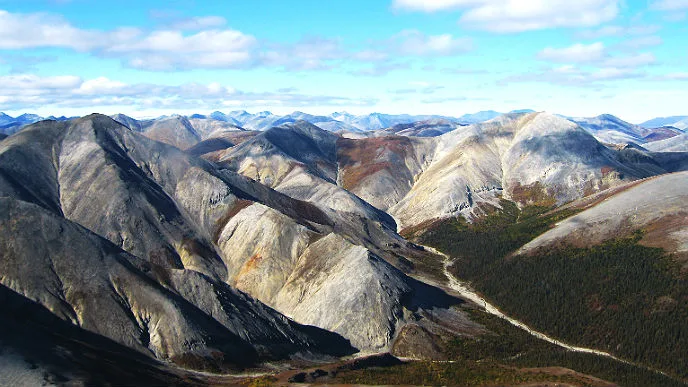
Kobuk Valley National Park: The Villages That Never Left
No one lives inside Kobuk Valley National Park today, but the Iñupiaq families who once did never really left. They just moved the village outside the line.
Your Story Belongs Here
The Journal's next entries come from founding storytellers: real visitors writing one true story about a park they've been to. Write yours from the Journal tab of your free account.