Most climbing destinations sell themselves on solid rock. Pinnacles' own National Park Service advisory does something rarer: it tells climbers, plainly, that the rock here is significantly weaker than what they're used to.
Test Every Hold Before You Trust It
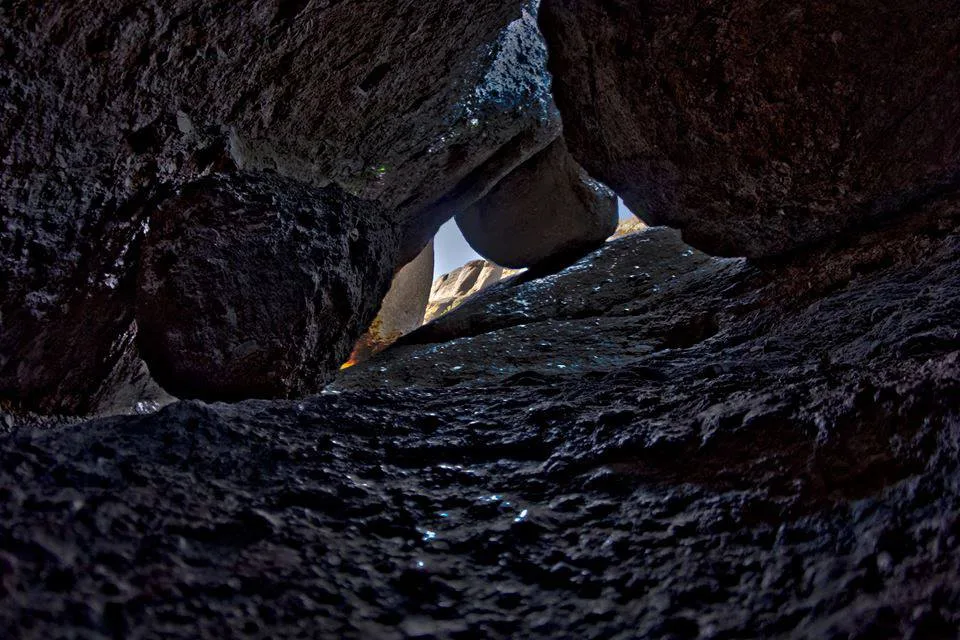
Pinnacles' spires are volcanic breccia, rock made of older volcanic fragments cemented back together, and the National Park Service's own climbing advisory states directly that it's significantly weaker than the granite or basalt found at most other climbing destinations. The advisory recommends tapping holds before committing weight to them, listening for the hollow sound that signals loose or unstable rock, a step that isn't standard practice at harder, more predictable stone.
Routes here also tend to run out, meaning longer stretches between protection points, and climbs graded below 5.10 are often more sparsely bolted than a climber used to modern sport routes might expect. None of that makes Pinnacles a beginner-unfriendly park exactly, but it does mean techniques and expectations that work elsewhere don't automatically transfer here.
Plan Your Pinnacles Visit
Check current climbing closures before you go. Nesting-season restrictions shift year to year.
Open the Trip PlannerThe Rock Isn't the Only Thing to Check First
Pinnacles closes select climbing formations on a seasonal basis, roughly January through July depending on the year and the specific site, to protect nesting prairie falcons and other raptors that use the same cliffs climbers do. It's a narrower protection than some visitors assume: the closures exist for nesting raptors generally, not as part of the park's well-known California condor recovery program, which is a separate effort entirely.
The park publishes current closure information for both its east and west side climbing areas before each season, since exact dates and which formations are affected can shift year to year based on what's actually nesting where. Checking that list before a trip is a genuinely practical step here, not just a formality, since a route that was open last spring may not be this one.
- Rock type VOLCANIC BRECCIA
- NPS rock-strength advisory WEAKER THAN GRANITE/BASALT
- Seasonal closures for NESTING RAPTORS (NOT CONDORS)
- Typical closure window ~JAN–JUL, SITE-DEPENDENT
Rock strength and technique guidance checked against the National Park Service's own Pinnacles climbing advisory. Seasonal closure information and its connection to nesting raptors rather than the condor program checked against NPS's dedicated climbing pages for the park's east and west sides.
Plenty of parks let the landscape do the selling and leave the fine print to a permit office. Pinnacles puts the warning right in the climbing guide: this rock was never granite, and it never will be, so the people climbing it have to adjust rather than the other way around. That honesty is rarer than the rock itself.