
Stand at the Convoy Point boardwalk and Biscayne looks like a calm green bay, nothing more. Almost everything the park actually protects is underwater and out of sight, starting with one of the longest coral reef systems on the planet.
A Reef That Runs for 170 Miles
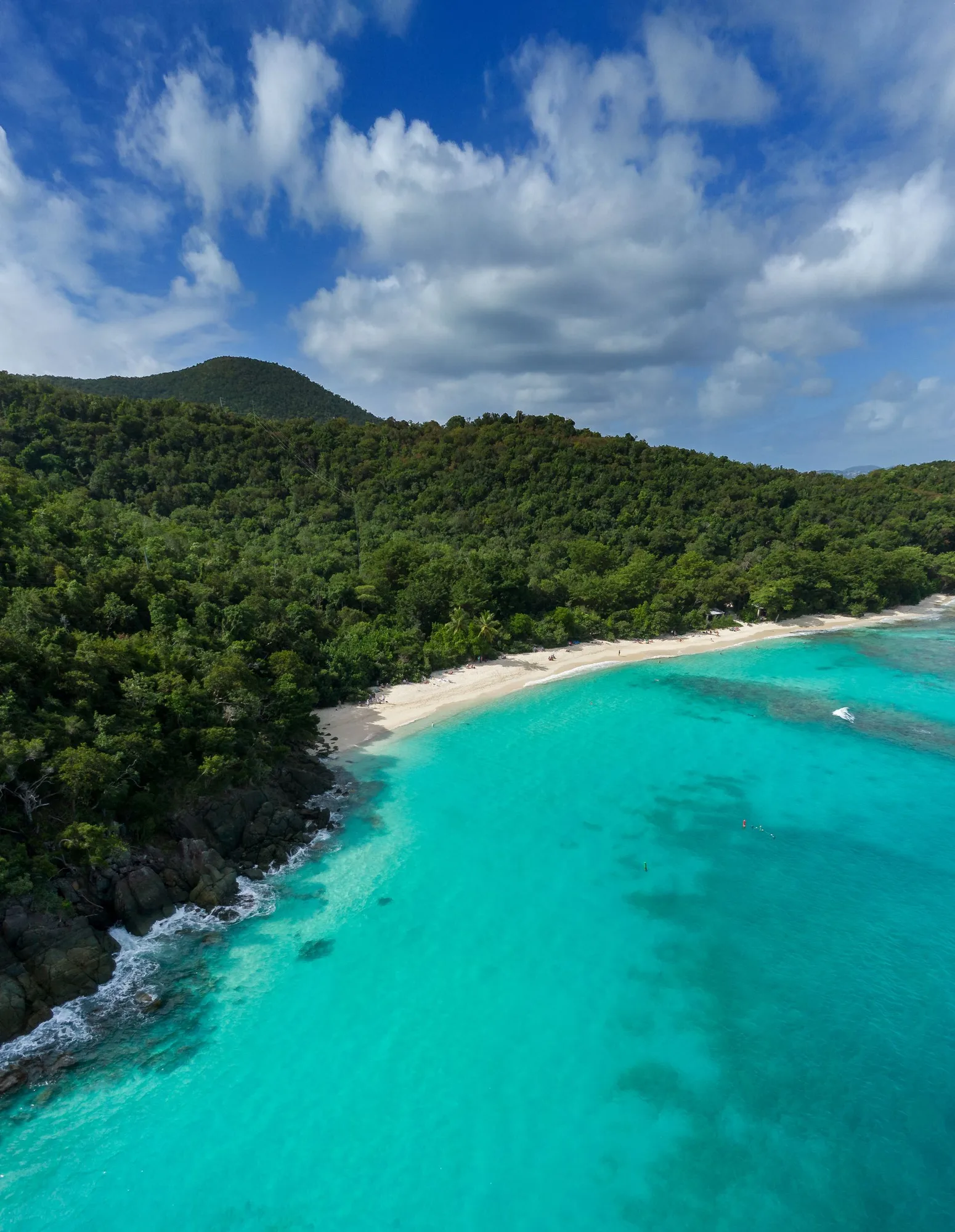
The National Park Service describes the Florida Reef Tract as an extensive coral barrier reef roughly 170 miles long, and calls it the world's third-longest barrier reef ecosystem. Biscayne sits at its northern end, where the reef is still very much alive, not the bleached postcard version people picture when they hear the word "reef."
More than 500 species of reef fish live in Biscayne's waters, according to the park's own count, drawn to a structure built over thousands of years by the coral animals themselves. Most of it sits a few feet below the surface, close enough that a snorkeler can reach it from a boat anchored at Convoy Point without any diving certification at all.
Plan Your Biscayne Visit
Snorkeling and diving trips run from the Dante Fascell Visitor Center. Build the reef into a full park itinerary.
Open the Trip PlannerThe Heat Wave of 2023
In the summer of 2023, an extended marine heat wave pushed water temperatures high enough to bleach staghorn coral across the reef tract, Biscayne included. The Park Service's own account is direct about the outcome: some of the affected colonies were unable to recover. Bleaching itself isn't automatically fatal, coral can survive it under the right conditions, but a colony pushed too far for too long simply doesn't come back.
NPS lists the reef's ongoing pressures plainly: pollution, overfishing, boat groundings, climate change, marine debris, and disease, stacked on top of each other rather than any single cause. None of that is unique to Biscayne. What's unique is how close it sits to Miami, a major reef system living within sight of a skyline of eight million people.
- Length ~170 MILES
- World rank 3RD-LONGEST BARRIER REEF
- Reef fish species 500+ (NPS COUNT)
- 2023 heat event STAGHORN CORAL BLEACHING
Reef length, world ranking, and reef-fish count checked against the National Park Service's Geodiversity Atlas and Coral Reefs pages for Biscayne. The 2023 bleaching event and the park's list of ongoing reef stressors come from the same NPS source. A commonly cited figure for total live coral cover lost across the wider Florida Reef Tract could not be confirmed as Biscayne-specific and was left out.
The boardwalk at Convoy Point never changes much from one visit to the next. What's underneath it does, season by season, in ways most visitors never see. The reef that made this a national park in the first place is still there, still growing where it can, and still keeping score of every hot summer that passes overhead.