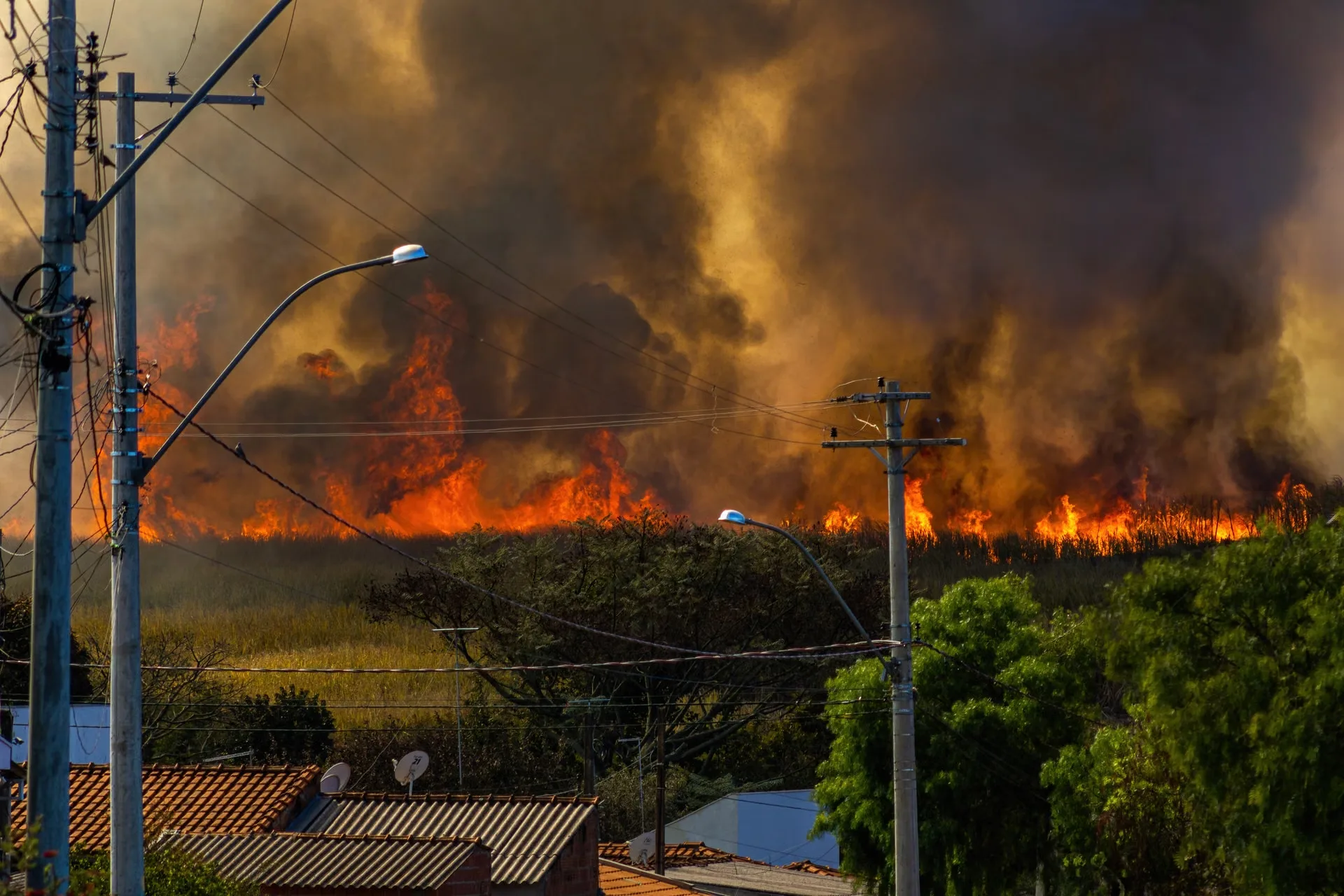
A mask does not make smoke breathable. It filters some of it, buys some time, but the air inside a wildfire is still thin and hot and wrong, and every firefighter working a fire line learns the same lesson early: you ration your breath the way you'd ration water, because the alternative is a kind of drowning that happens on dry land, in your own chest, with flames on one side of you and no clean air on the other.
That's the physical fact underneath the job. What makes it strange is what the fire is actually doing while it does that to you.
Fire Is One of the Ways a Forest Maintains Itself
Fire is not new to a forest. It's been part of these ecosystems for millennia, and plenty of the plants growing in fire-prone country are built around it rather than in spite of it: species whose seeds won't germinate at all until heat cracks them open. A burn clears out dead vegetation, releases nutrients back into the soil, opens space in a canopy that's gotten too crowded to let light through. Left alone, fire is one of the ways a forest maintains itself.
That's a hard thing to hold in your head while you're standing in one. Up close, a wildfire reads as pure destruction: scorched ground, blackened trunks, a forest that looks finished. From that distance, the resilience part is invisible. It shows up later, months and years out, when green comes back through the burn scar in a pattern the fire itself determined.
Let It Burn, or Put It Out
Every major wildfire reopens the same disagreement. One side says let it burn where it safely can, because fire suppressed everywhere, always, breaks the cycle the forest depends on. The other side points at homes, at watersheds, at the people who live at the edge of that forest, and says the risk isn't worth the ecological argument. Firefighters don't get to settle that debate. They just work the section in front of them, under the same unspoken agreement: protect what's protectable, and let the rest of the argument happen somewhere else.
Both sides are working from real evidence. That's what makes it a genuine argument and not just a disagreement between people who haven't looked at the data.
Plan Around Fire Season
Wildfire and smoke can close trails and shift park conditions fast. The AI trip planner factors in current conditions when it builds your dates.
Open the Trip PlannerWhat a Decade of Fire Seasons Adds Up To
- Yearly average ~62,800 FIRES, BEST ESTIMATE
- Decade total ~627,700 FIRES
- Most fires, one year 74,126 IN 2011
- 2015, the worst year for acreage 10.1M+ ACRES BURNED
NIFC's own year-by-year tables don't fully agree with each other from one published version to the next, small fires get revised in or out as final reports come in, but the agency's most current compilation, checked directly against nifc.gov, puts the national average for 2011 through 2020 at somewhere close to 62,000 to 63,000 fires a year. That's a best estimate, not a settled figure, and it runs higher than the round "58,000" a lot of secondhand summaries repeat. The same table puts the decade total at roughly 627,700 fires.
2015 doesn't hold the record for the most fires in that stretch. 2011 does, with 74,126. What 2015 holds is the record for acreage: just over 10.1 million acres burned, edging out 2020 and 2017, which both came close enough to blur into a tie. Millions of acres burn most years in this data, whether the fire count that year is high or low, which is its own kind of answer to what a fire season actually measures.
A Century of Good Intentions, Banked as Fuel
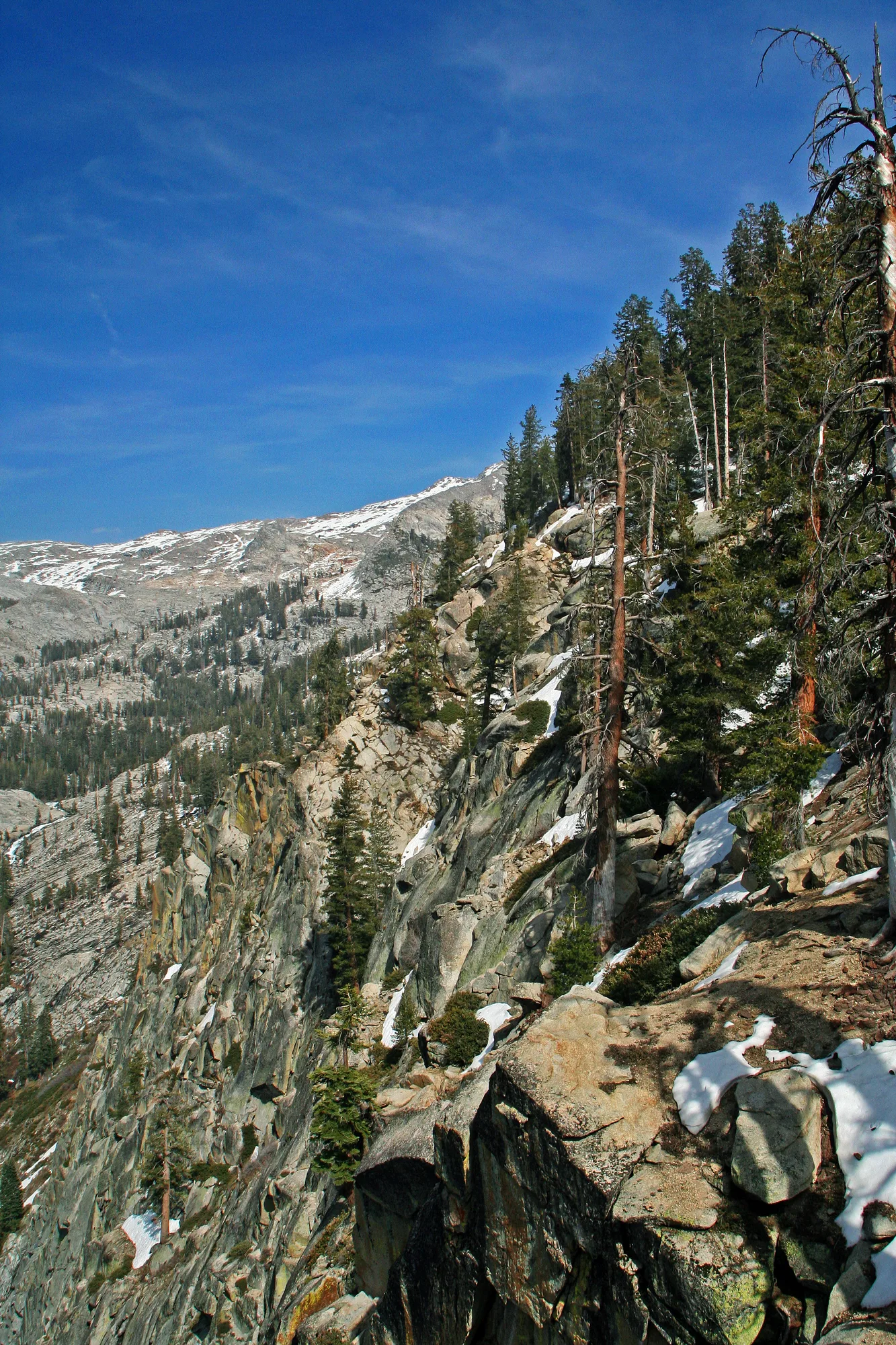
Here's the part that doesn't fit neatly into "fire bad, put it out": decades of aggressive suppression (extinguishing nearly every fire, everywhere, as fast as possible) is a documented part of why today's fires burn hotter and harder than they used to. Stopping fire from doing its normal, periodic work doesn't remove the fuel a forest generates every year. It banks it. Deadwood and undergrowth that would have burned off in small, low-intensity fires instead pile up for decades, until a fire finally does get through and has far more to burn than it would have otherwise.
Put the mask back on for a second, and that's the shape of the whole problem. The choking you'd feel on a fire line isn't just this year's fire. It's the accumulated backlog of a lot of fires that didn't happen when they should have. Suppression, done with entirely good intentions for most of a century, turned out to be part of what it was trying to prevent.
None of that makes the job on the fire line any less real, or the smoke any easier to breathe through. It just means the mask is filtering two different things at once: this year's fire, and the backlog of a century that suppressed nearly every blaze on sight. Some of the seeds under that ash won't even open until heat cracks them. Even NIFC's own count of how many fires burned this year won't be final for months; small fires that get put out fast rarely make it into the same tally as the ones that make the news, which is part of why two of the agency's own tables can disagree on a number nobody's actually lying about. The forest on the other side of the smoke is already running its own math, on its own schedule, same as it always has.
Facts and figures checked against NPS.gov and the National Interagency Fire Center's year-by-year wildfire and acreage tables at NIFC.gov. NIFC's own published compilations don't fully agree from one report to the next on exact fire counts, so the yearly-average figure above is our best estimate built from the most current data, flagged as such in the text rather than stated as settled fact.