Which of the 64 national parks you can reach by car, and the route, season, and budget decisions that turn the list into an itinerary.
Sixty-four national parks make up the National Park System. Fifty-two of them are in the contiguous United States, which means you can drive to every one of them. This guide covers those fifty-two, park by park, then the three decisions that turn a list into an actual itinerary.
The rest, in Alaska, Hawaiʻi, the Virgin Islands, and American Samoa, are real destinations too. You reach them by plane or boat, not by highway, and that changes the planning from the ground up. This guide sticks to the parks you can drive to, so those aren't on the list below.
The 52 You Can Actually Drive To
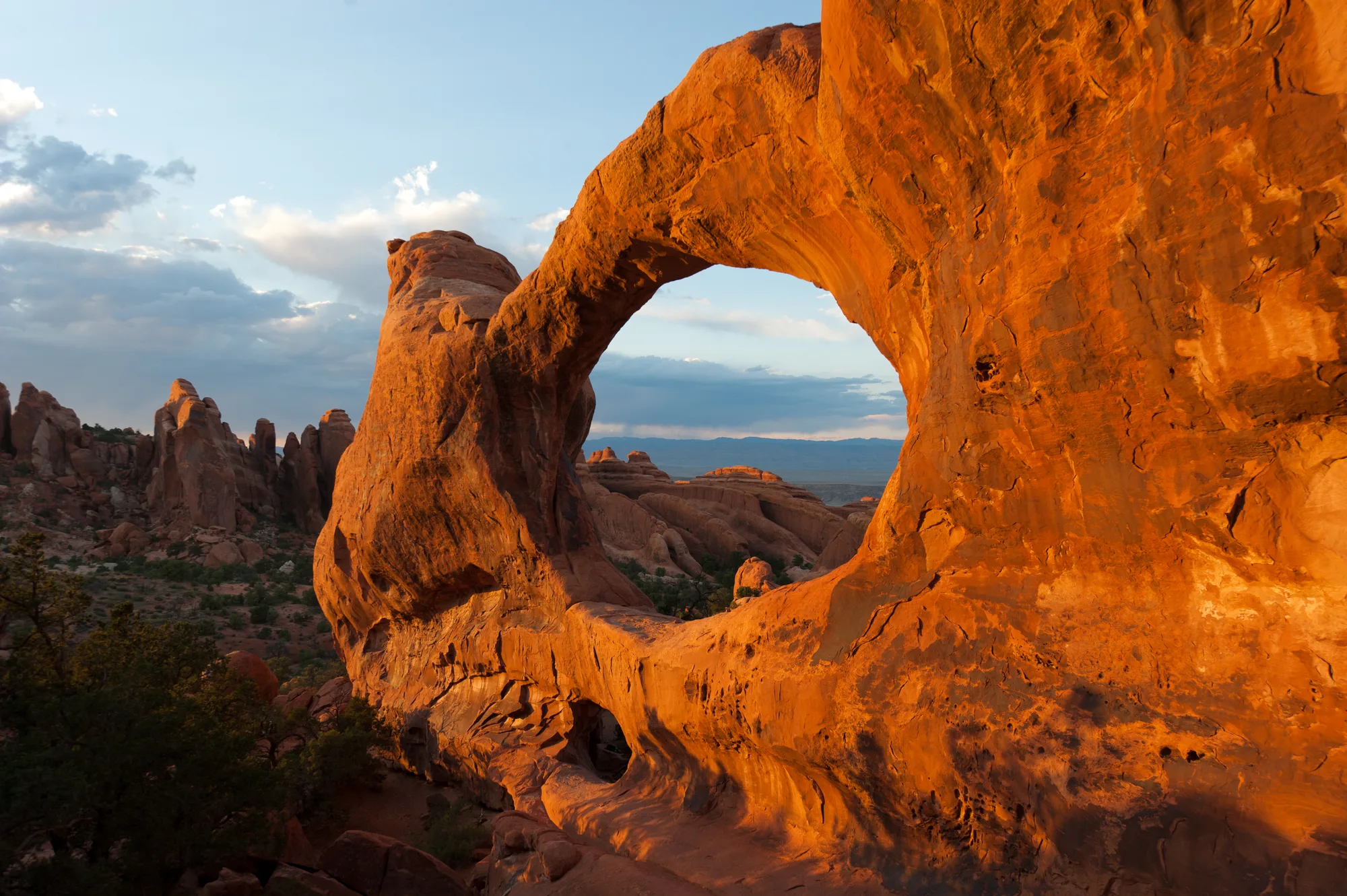
Here are the fifty-two national parks you can reach by car in the contiguous United States:
- Acadia MAINE
- Arches UTAH
- Badlands SOUTH DAKOTA
- Big Bend TEXAS
- Biscayne FLORIDA
- Black Canyon of the Gunnison COLORADO
- Bryce Canyon UTAH
- Canyonlands UTAH
- Capitol Reef UTAH
- Carlsbad Caverns NEW MEXICO
- Channel Islands CALIFORNIA
- Chiricahua ARIZONA
- Congaree SOUTH CAROLINA
- Crater Lake OREGON
- Cuyahoga Valley OHIO
- Death Valley CALIFORNIA
- Dry Tortugas FLORIDA
- Everglades FLORIDA
- Gateway Arch MISSOURI
- Glacier MONTANA
- Grand Canyon ARIZONA
- Grand Teton WYOMING
- Great Basin NEVADA
- Great Sand Dunes COLORADO
- Great Smoky Mountains TENNESSEE / NORTH CAROLINA
- Guadalupe Mountains TEXAS
- Hot Springs ARKANSAS
- Indiana Dunes INDIANA
- Isle Royale MICHIGAN
- Joshua Tree CALIFORNIA
- Kings Canyon CALIFORNIA
- Lassen Volcanic CALIFORNIA
- Mammoth Cave KENTUCKY
- Mesa Verde COLORADO
- Mount Rainier WASHINGTON
- New River Gorge WEST VIRGINIA
- North Cascades WASHINGTON
- Olympic WASHINGTON
- Petrified Forest ARIZONA
- Pinnacles CALIFORNIA
- Redwood CALIFORNIA
- Rocky Mountain COLORADO
- Saguaro ARIZONA
- Sequoia CALIFORNIA
- Shenandoah VIRGINIA
- Theodore Roosevelt NORTH DAKOTA
- Voyageurs MINNESOTA
- White Sands NEW MEXICO
- Wind Cave SOUTH DAKOTA
- Yellowstone WYOMING
- Yosemite CALIFORNIA
- Zion UTAH
That's the full list. Which of these make it onto your route comes down to the three decisions below.
Turn This List Into a Real Plan
Pick your parks, your dates, and your crew: the AI trip planner builds the day-by-day, with real drive times between stops.
Open the Trip PlannerChoosing Your Path: Scenic, Popular, or Quickest
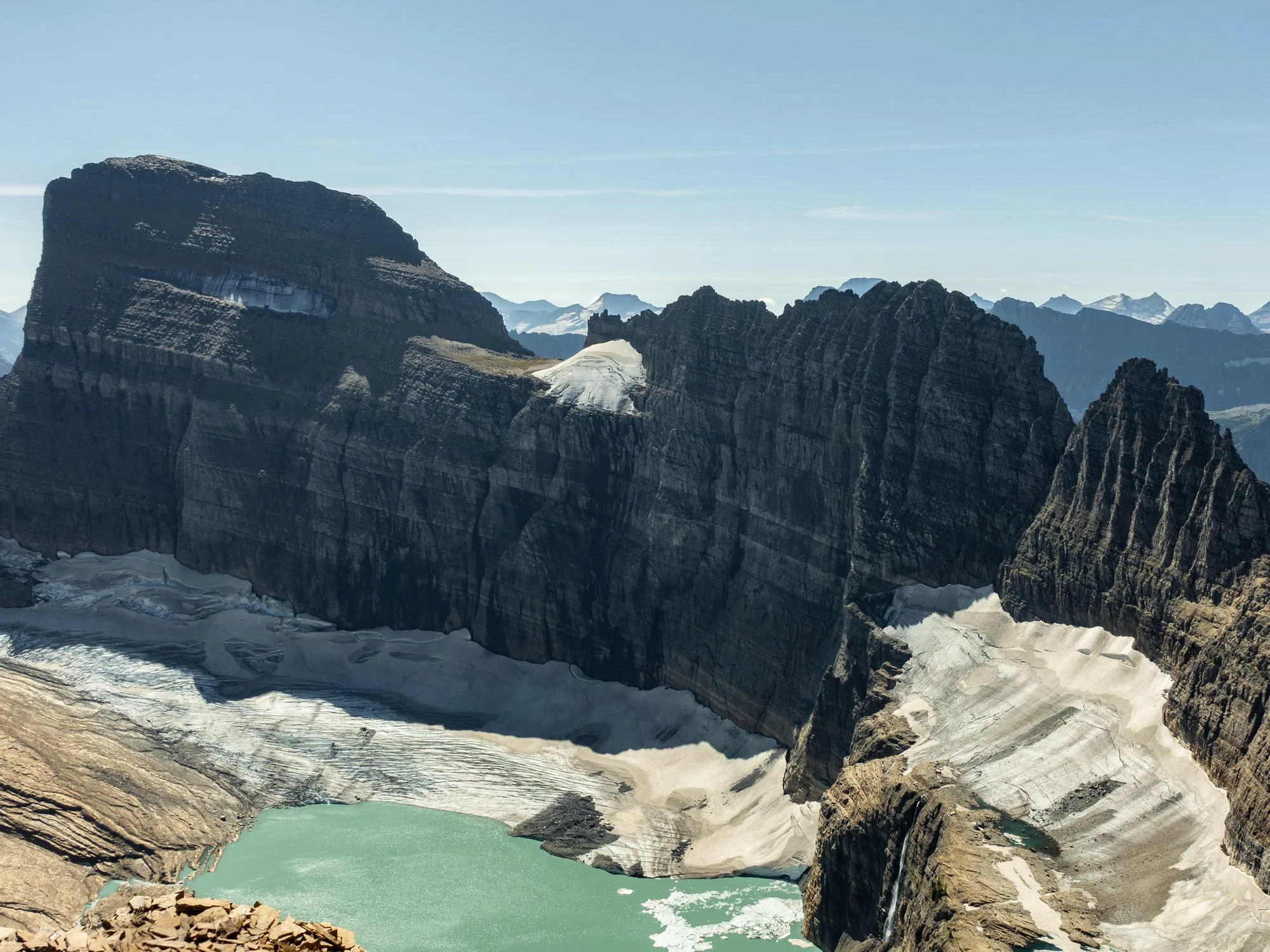
Once you know which parks are actually on your route, the next decision is what kind of route you're driving:
- Scenic Route: takes longer, trades efficiency for the drive itself. Good for anyone who wants the journey to count as much as the destination.
- Popular Attractions: hits the well-known features of each park, the ones with the parking lots and the infrastructure already built for a crowd. Good if you're short on time.
- Quickest Route: minimizes driving time, maximizes number of parks visited, and accepts that you'll skip some of what a slower trip would have caught.
None of these are pure strategies in practice. Most road trips end up as some blend of the three, park by park, depending on how much time is left in the tank that week.
Timing Is Everything: Best Season to Start
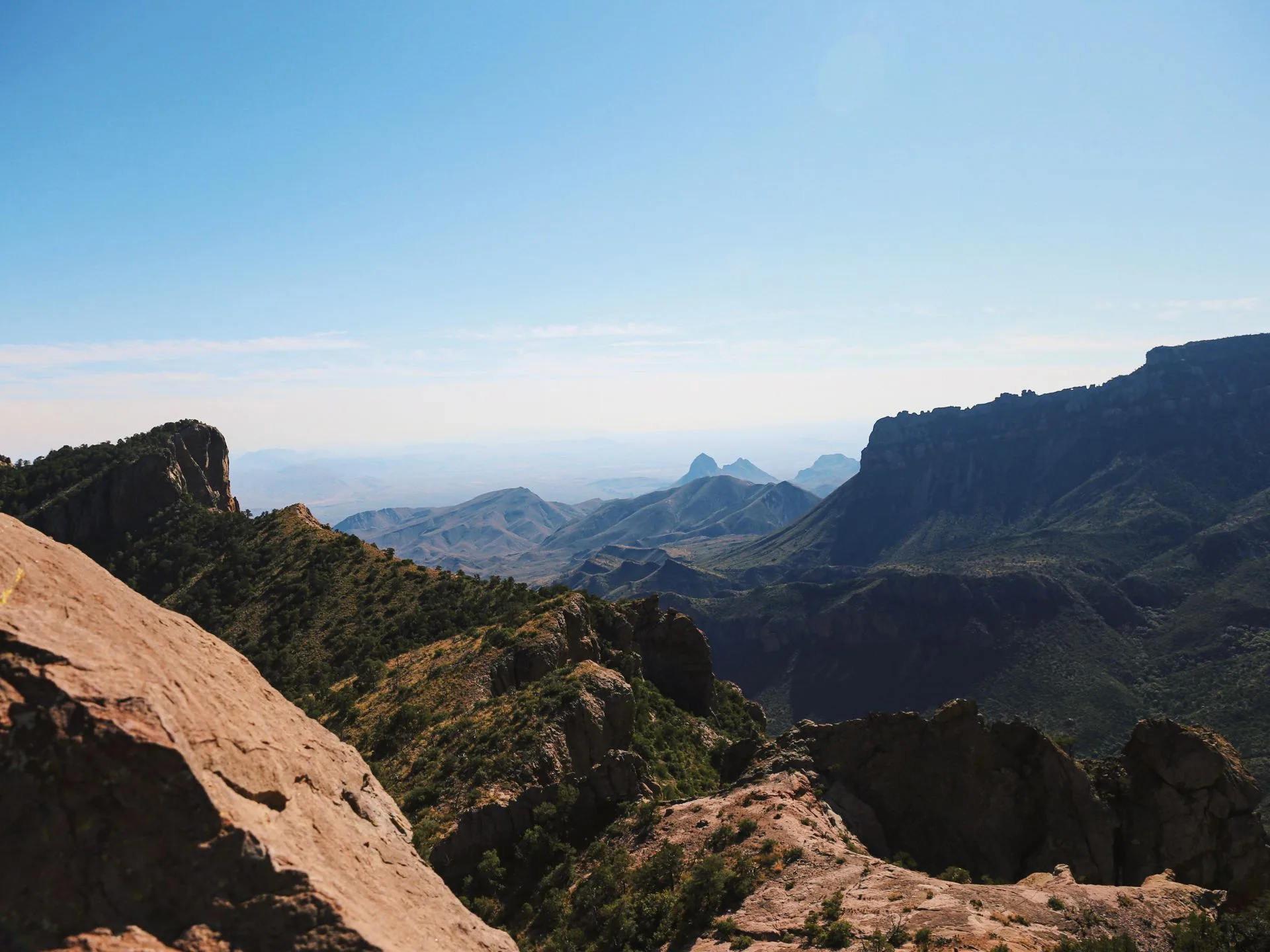
- Winter starts: begin in the southern states and work north. You avoid the worst of the winter weather up top, and you get landscapes and crowd levels you won't see any other time of year.
- Summer starts: begin in the northern states and work south. You dodge the worst heat down south later in the trip, and you get longer daylight for hiking while you're up north.
Weather still varies wildly within a single region, let alone across the whole route. Check the local forecast and the park's own website before you commit to a leg of the drive, every time, not just once at the start.
Track The Parks You Visit
A free account tracks every park you visit, keeps the trip journal, and saves every plan you build.
Create a Free AccountBudget-Friendly Accommodations and Tips
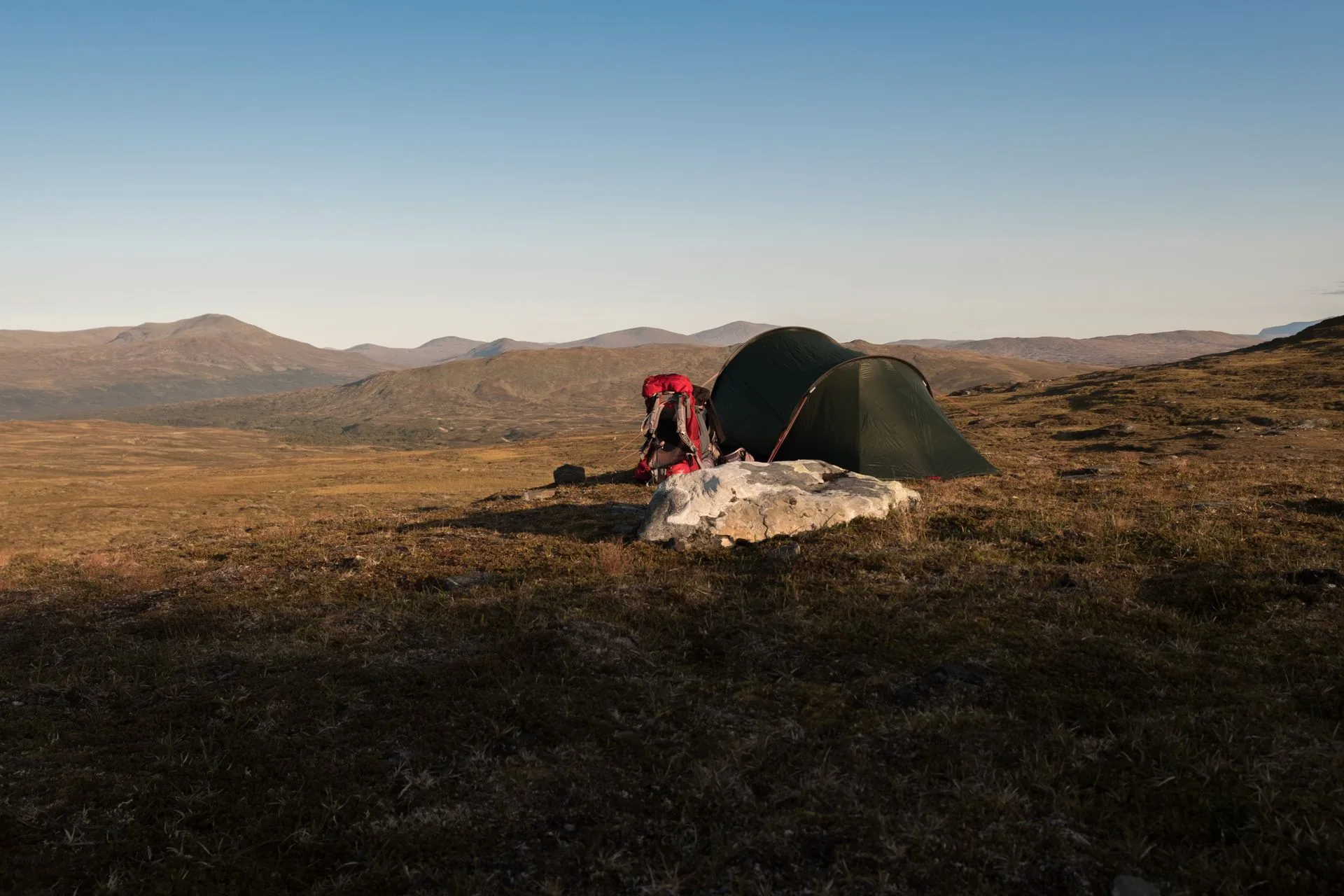
- Camping is the cheapest option on the list, by a wide margin. Check reservation requirements ahead of time, because "showing up" is not a plan in peak season.
- Lodges and cabins cost more but save you the setup and teardown. Book ahead, especially anywhere popular.
- Meals get cheaper fast once you pack a cooler and use the picnic areas instead of the in-park restaurant.
- The America the Beautiful Pass (an annual pass covering entry to more than 2,000 federal recreation sites) pays for itself quickly if you're hitting more than a couple of parks in a year.
- Plan the fees ahead. Entrance fees, camping fees, and everything else add up faster when you find out about them one park at a time instead of all at once, in advance.
- Drive with intent. Minimize backtracking. Steady-pace driving and basic vehicle maintenance both help fuel efficiency more than people expect.
- Buy local. Towns near the parks are usually cheaper than anything sold inside the gate.
- Split it. Traveling with other people means splitting lodging, gas, and food, and that math adds up over a multi-week trip.
None of this requires a big budget so much as a plan made before you're standing at the trailhead needing one. Check the official park websites for current fees and accessibility before you lock in any leg of the route. The list above is a starting point, not the last word.
Fifty-Two Parks, One Plan
Pick the route, pick the season, budget for camping over lodges if the trip runs long, and check each park's website before you lock in a leg of the drive. Winter trip, start south and drive north; summer trip, start north and drive south, the same rule from the timing section, and it decides more of the itinerary than the scenic-versus-quickest choice does. Twelve parks never make this list at all, Alaska, Hawaiʻi, the Virgin Islands, and American Samoa, because a road can't reach them. The full National Park Map has all 63, drivable or not.
Park counts and locations checked against NPS.gov's official list of 64 national parks (52 in the contiguous United States, 12 reachable only by plane or boat). The America the Beautiful Pass details are checked against USGS.gov, which administers pass sales.