
In 1961, thirteen landowners on the outer keys of Biscayne Bay incorporated their own city. It was a legal maneuver, not a settlement, and it came within a few years of turning this bay into a deep-water industrial port.
Thirteen Landowners, One Paper City
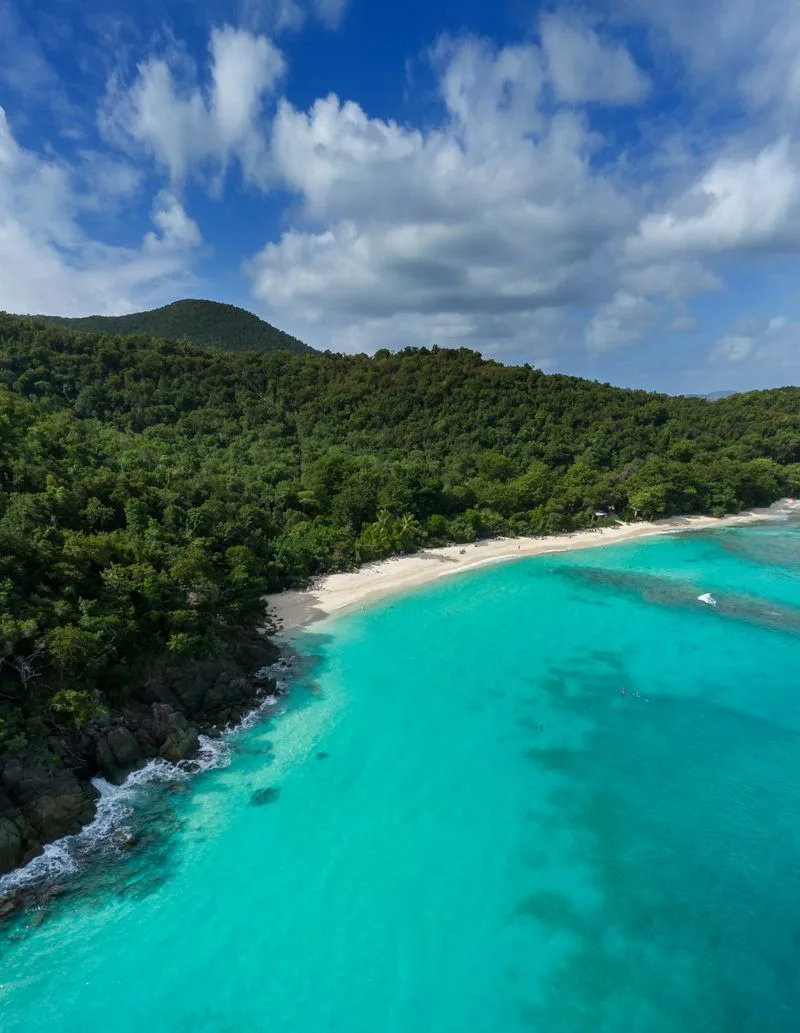
The City of Islandia existed mostly on paper, a legal foothold that let its backers pursue development rights on land most Miamians had never set foot on. A year later, in 1962, a separate proposal called Seadade went public: an industrial seaport that would have required dredging a channel forty feet deep through Biscayne Bay's shallow, clear water. A jetport plan floated around the same period called for dredging roughly 8,000 acres of bay bottom.
None of this was hypothetical posturing. Miami-Dade County in the early 1960s was growing fast, and a deep-water port tied to the bay made real economic sense to the people proposing it. The bay's mangroves, seagrass beds, and the top of the Florida Reef Tract sat directly in the path of the plan.
Plan Your Biscayne Visit
The bay the developers wanted to dredge is the same one you can snorkel and boat today. Build a trip around it.
Open the Trip PlannerA Reporter, a Candidate, and a Congressman
The National Park Service credits a specific, small group with turning the tide: Lloyd Miller of the Izaak Walton League, Miami Herald reporter Juanita Greene, county commission candidate Hardy Matheson, vacuum-cleaner manufacturer Herbert W. Hoover Jr., and Representative Dante Fascell, who carried the fight to Congress. Greene's reporting kept the Seadade plan in front of the public. Hoover put real money behind the opposition. Fascell turned local pressure into federal legislation.
President Lyndon Johnson signed the bill creating Biscayne National Monument on October 18, 1968, stopping the seaport and the jetport in the same stroke. The monument was redesignated and expanded into full Biscayne National Park on June 28, 1980. The visitor center at Convoy Point today sits a few hundred yards from where the dredging channel would have started.
- City of Islandia incorporated 1961
- Seadade seaport proposed 1962
- Biscayne National Monument signed OCT 18, 1968
- Redesignated a National Park JUN 28, 1980
Islandia's incorporation, the Seadade and jetport proposals, the named campaign figures, and both the 1968 and 1980 dates checked against the National Park Service's own account of the park's founding. NPS describes Seadade as an industrial seaport and dredging project; we did not find primary-source confirmation of an oil refinery specifically, so that detail is left out.
Islandia never grew past its handful of incorporators. Today the name survives mostly as a historical footnote, a paper city that lost to a bay full of mangroves and coral. Every boat that leaves Convoy Point now for a snorkel trip is, in a small way, sailing through the industrial port that Juanita Greene's reporting and Dante Fascell's bill made sure never got built.