
Most national parks are named for what you can walk on. Biscayne is named for what you float on. Ninety-five percent of it is water, and that single fact decides which animals live here and how you're likely to see them.
A Coastline, Not a Trail Map
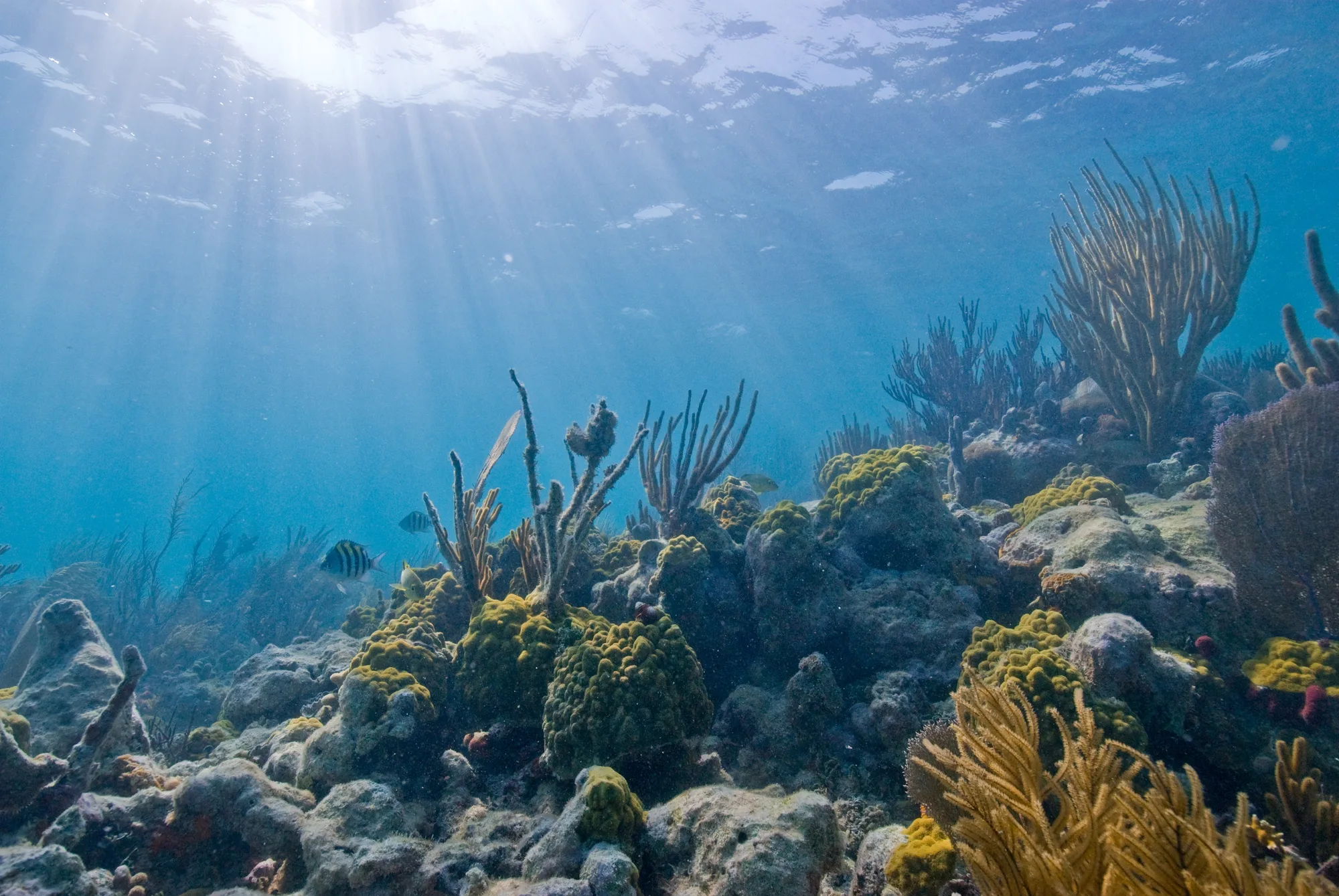
Mangrove shoreline, open bay, and the top of the Florida Reef Tract make up nearly the entire park, with only a thin mainland strip and a few small keys offering dry ground. That's an unusual habitat mix for a national park, closer to a marine sanctuary than a typical land-based preserve, and it's exactly why the wildlife list here reads so differently from Yellowstone's or Yosemite's.
More than 600 native fish species live within park boundaries, according to NPS, a number that covers the whole water column, not just the reef fish visible to snorkelers. The animals people actually come hoping to see, though, tend to be bigger and rarer than any fish count.
Plan Your Biscayne Visit
Boat and snorkel trips from Convoy Point are the best way to actually see the park's wildlife. Build one into your trip.
Open the Trip PlannerManatees, a Threatened Crocodile, and a Rare Butterfly
Manatees are regularly seen in park waters, drifting through the shallows near mangrove edges, and NPS is explicit that feeding them is prohibited. The American crocodile, federally listed as threatened, keeps to the mangrove habitat along the shoreline, a genuinely different animal from the more familiar American alligator and one most visitors never expect to find in a national park built around coral reefs. Sea turtles move through the same waters, also under federal protection.
On land, the endangered Schaus' swallowtail butterfly holds on in the park's small hardwood hammock habitat, one of the rarest butterflies in the country and a reminder that Biscayne's five percent of dry land carries its own stakes, even inside a park defined by everything wet around it.
- Native fish species 600+ (NPS COUNT)
- American crocodile FEDERALLY THREATENED
- Schaus' swallowtail butterfly FEDERALLY ENDANGERED
- Park that's water 95 PERCENT
The park's water percentage, native fish count, and manatee and sea turtle presence checked against the National Park Service's own animals page for Biscayne. The American crocodile's threatened status and the Schaus' swallowtail butterfly's endangered status checked against U.S. Fish and Wildlife Service records. No specific population count for manatees at Biscayne could be confirmed, so none is stated.
Walk the Convoy Point boardwalk and you might not see a single one of these animals up close. That's the honest version of Biscayne: the wildlife here doesn't perform for a parking-lot overlook, it lives out in the bay and the reef, on its own schedule, in a park that was built to leave it that way.