$5 beach fee
Trunk Bay Underwater Snorkel Trail
Easy
0.25 miin-water~30 min
A marked underwater trail identifying coral and reef fish, suitable for beginner snorkelers.
 National
U.S. Virgin Islands · Park 58 / 64
Over 60 percent of the island of St. John, donated by a Rockefeller heir to keep the Caribbean's resorts from swallowing it whole.
Virgin Islands National Park protects more than 60 percent of the small Caribbean island of St. John, land donated to the federal government in the 1950s by Laurance Rockefeller specifically to keep the island's beaches and hillsides from being carved up into resort development the way much of the surrounding Caribbean had been. The result is a genuinely unusual thing in this part of the world: pristine, undeveloped beaches sitting a short ferry ride from a busy cruise port, with no hotels or condos crowding the shoreline.
Trunk Bay, the park's most famous beach, includes an underwater snorkel trail marked for self-guided exploration, drawing crowds especially when cruise ships are in port on nearby St. Thomas. The Reef Bay Trail cuts through the island's interior past Taino petroglyphs and the ruins of a Danish colonial sugar plantation, a quieter and more historically layered experience than the beaches alone suggest.
Come for beaches that look like a postcard because almost nothing was ever built on them. Stay long enough to walk into the island's plantation-era history at Annaberg or along the Reef Bay Trail. Read the story, take the ferry over, and when you leave, mark it visited.

With over 60% of this island being national park land, this is one of the last untouched paradises on earth.Adapted from a visitor account of St. John and Virgin Islands National Park
Six ways to spend your time, from a marked underwater snorkel trail to sugar-mill ruins deep in the island's interior.
A self-guided snorkel route marked along the sea floor at one of the most photographed beaches in the Caribbean.
The signature snorkel · $5 beach feeThe remains of a Danish colonial-era sugar plantation, with interpretive displays on its difficult history.
Everyone · 45 minA trail through the island's interior past Taino petroglyphs, ending at a quiet, less-visited beach.
Half day · uphill returnThe main park contact point, right where the ferry from St. Thomas arrives.
Everyone · 30 minTwo more of St. John's beautiful, undeveloped north shore beaches, quieter than Trunk Bay on most days.
Everyone · freeGreen sea turtles are a common sight in the calm, clear water throughout the park's beaches.
Everyone · any snorkel spotAnswer a few questions right here. We'll map your day, stop by stop, with a route, timings, weather, and a packing checklist grounded in real park data. No account, no leaving this page.
⚡ In a hurry? Adventure Light 5 questions →Every trail rated honestly, with distance, climb, and a note on which beaches charge a separate fee.
A marked underwater trail identifying coral and reef fish, suitable for beginner snorkelers.
A downhill hike through the island's interior past petroglyphs and plantation ruins to a quiet beach; the uphill return is the harder half. No permit.
A short walk through the ruins of a Danish colonial sugar plantation, with interpretive signage throughout. No permit.
Connects the beach to the historic Cinnamon Bay Plantation ruins, through forest away from the shoreline. No permit.
An exposed coastal trail to a dramatic overlook above Salt Pond Bay, with little shade throughout. No permit.
A coastal trail from Cruz Bay to Honeymoon and Salomon beaches, quieter than the more famous north shore beaches. No permit.
No permit for park trails · Trunk Bay charges a separate $5 per person beach fee · free backcountry camping requires reservation through the Cinnamon Bay campground concessioner
Tap any animal to learn its story. Soon, the app will let you log what you spot and keep a life list for every park.
A frequent sight while snorkeling at Trunk Bay and other park beaches, feeding on seagrass in the calm, clear water.
An endangered species found on the park's coral reefs, less commonly seen than the green sea turtle.
Introduced historically to control rats on sugar plantations, now common throughout the island's forests.
Found in the seagrass beds around the island, a large marine snail historically important to Caribbean cuisine.
Common along the island's coastline, frequently seen diving for fish just offshore.
Introduced to the island in past centuries, now a common and easily seen resident throughout the park's forests.
Common on the island's beaches and forest floor, a familiar and harmless sight throughout the park.
Common throughout the island's forest, identifiable by its reddish, peeling bark, sometimes called the "tourist tree" for its sunburned look.
Found on the island's drier coastal bluffs, sending up a tall flower stalk once before dying.
Historically harvested on St. John for its fragrant oil, still found growing throughout the forest.
Found in the island's drier coastal habitats, part of the varied dry-forest ecosystem found throughout the park.
Common throughout the island, with fragrant flowers that bloom for much of the year.
Common along the park's beaches, tolerant of salt spray and providing some of the only shade directly on the sand.
Virgin Islands National Park protects more than 60 percent of the island of St. John, donated largely by Laurance Rockefeller in the 1950s.
Trunk Bay's underwater snorkel trail is marked with plaques on the sea floor, identifying coral and reef fish for self-guided exploration.
The Reef Bay Trail passes Taino petroglyphs carved by the island's Indigenous inhabitants long before European colonization.
The Annaberg ruins are the remains of a Danish colonial-era sugar plantation, part of a difficult history the park's exhibits address directly.
The questions people actually ask, answered from the park’s own current guidance. Fees and permit rules change every year, so each answer links back to the National Park Service page it came from.
No general entrance fee is required to visit Virgin Islands National Park. The one exception is Trunk Bay, where there's a $5 per person fee for visitors 16 and older under the park's Expanded Amenity Recreation Fee program. Source: NPS.gov
There's no permit needed just to enter the park by boat, but if you moor overnight in park waters you do have to pay a mooring fee, which the park now collects through the Recreation.gov mobile app at pay stations near the moorings. Anchoring and mooring rules are spelled out in the park's Superintendent's Compendium, so it's worth checking the interactive marine map before you drop anchor. Source: NPS.gov
It's in the process of reopening after years of hurricane damage. The park points visitors to the campground's own site, cinnamonbayvi.com, for current status and reservations, since it's run by a concessioner rather than directly by the NPS. Source: NPS.gov
Yes, the park is open every day of the year. Hours can vary by facility and season, so it's worth checking before visiting a specific site like the visitor center. Source: NPS.gov
Stories, guides, and hard-won tips from the trail. The full Virgin Islands deep dive lives on the blog.
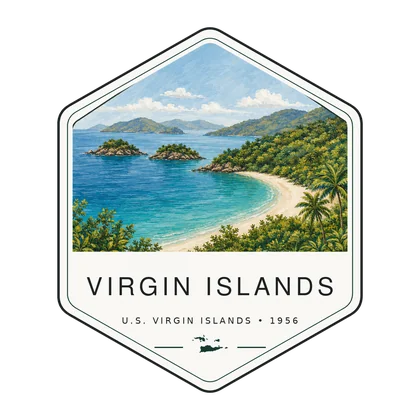
Log the visit, keep your story, and watch the map of all sixty-four fill in behind you. Every visit has a keepsake worth holding.
See the full map and track every park you have visited.
View the map → PlanTurn Virgin Islands into a trip with a custom, day-by-day itinerary.
Start planning → Go deeperTwo hurricanes in two weeks wiped out up to 100 percent of the marine life in some of St. John's mangrove reefs.
Read it → Explore moreFind your next park anywhere in the country.
Browse parks →
Offline maps, your passport, and every park in your pocket on the trail.
Join the waitlist →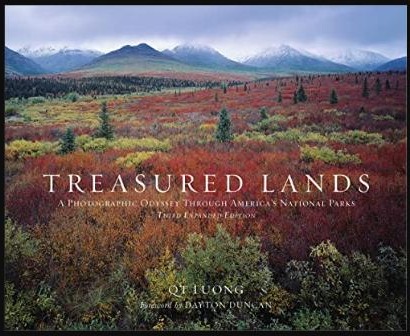
The printed edition, part atlas, part journal, one story per park.
Notify me →Park-guide posters, enamel stamps, and the passport book to fill in.
Visit the shop →Field Notes
The parks do not perform for anyone. They stood here before the road, and they will stand here after it.