Somewhere in the full version of this guide is a rental-car recommendation for every one of the sixty-three national parks, three brands deep, park by park. Acadia gets Enterprise, Hertz, Avis. Yellowstone gets Avis, Enterprise, Hertz. Zion gets Budget, Enterprise, Hertz. Every park has its own list, in that order, like someone sat down and worked out which counter is least likely to be empty when you land. It's a strange amount of detail to have on hand for a rental car. It's also exactly the kind of detail nobody thinks they need until they're standing at a regional airport at 9 p.m. watching every counter but one turn away the next customer.
That's the whole guide, really, compressed into one habit: figure out the boring part before you need it. A national park doesn't ask much of you once you're standing in it. Getting to that point (a place to sleep, a way to get there, the right things in your pack) is the part that takes planning.
Find a Park
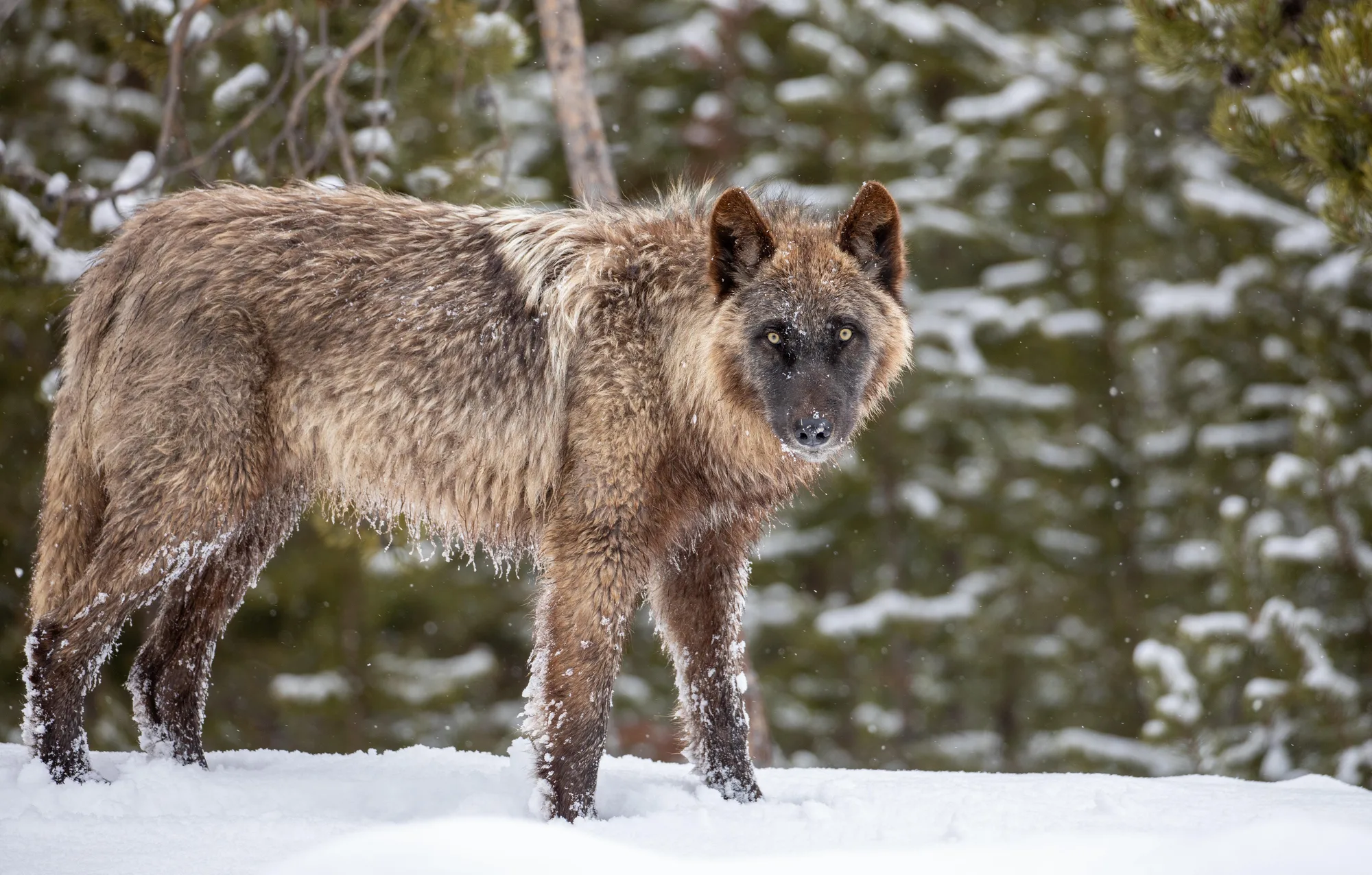
- Yellowstone GEYSERS, HOT SPRINGS, THE WILDLIFE THAT COMES WITH BOTH
- Yosemite GRANITE CLIFFS A FEW THOUSAND FEET TALL, PLUS THE WATERFALLS
- Grand Canyon HIKING TRAILS THAT DROP STRAIGHT INTO THE VIEW
- Acadia MAINE'S COAST, ROCKY SHORELINE, FALL FOLIAGE
- Zion SANDSTONE CLIFFS AND CANYONS NARROW ENOUGH TO WALK BETWEEN
Start here, because everything else in this guide depends on it. Pick the landscape first. Where you sleep, how you get there, and what you pack all follow from that one decision.
Where to Stay
- Campspot.com BOOKING PLATFORM, REAL CAMPGROUND DETAIL
- Campgroundviews.com VIDEO + VIRTUAL TOURS OF A SITE
- Hipcamp.com PRIVATE LAND, GLAMPING, UNLISTED RV PARKS
- Harvesthosts.com FREE STAY IN EXCHANGE FOR SUPPORTING A FARM OR WINERY
- TheDyrt.com / Campendium.com REVIEWS + PHOTOS, CAMPENDIUM LEANS PRACTICAL
- KOA.com THE KAMPGROUNDS OF AMERICA NETWORK
- Campnab.com WATCHES FOR CANCELLATIONS, ALERTS YOU
- TripAdvisor / Booking.com HOTELS
- RVshare RV RENTAL MARKETPLACE, INSURANCE + ROADSIDE INCLUDED
- VRBO A PRIVATE ROOM TO A WHOLE HOUSE, SHORT-TERM
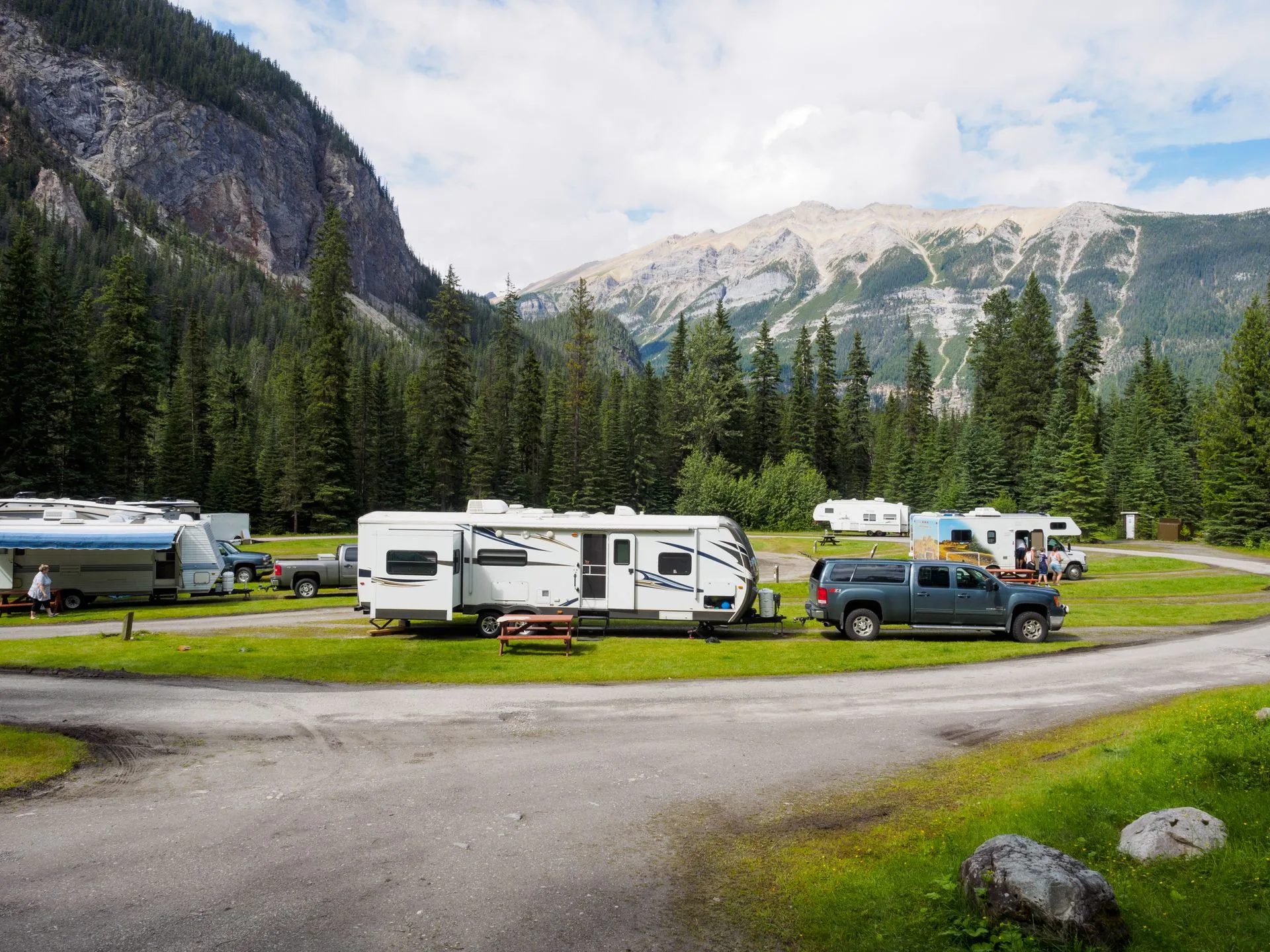
For camping, the resources differ in what they actually show you. Campspot is a booking platform with real campground detail. Campgroundviews goes further, with video and virtual tours, so you know what a site looks like before you've driven six hours to find out.
Hipcamp deals in the unusual: private land, glamping, RV parks that aren't in the standard directories. Harvesthosts trades a free overnight stay for supporting a farm or a winery. You're a guest, not a customer.
TheDyrt and Campendium both run on reviews and photos, though Campendium leans harder into the practical stuff: amenities, cell coverage, the things that matter at 11 p.m. when you can't get a signal. KOA is the Kampgrounds of America network, familiar and consistent. Campnab does one job: it watches for cancellations and alerts you when a spot opens up.
If a bed matters more than a view of the stars, TripAdvisor and Booking.com cover hotels. RVshare works like a rental-car marketplace but for RVs, connecting owners with renters and including insurance and roadside assistance in the deal. VRBO covers everything from a private room to a whole house, short-term.
Turn This Into a Real Plan
Pick your park and your dates: the AI trip planner builds the day-by-day, lodging and drive times included.
Open the Trip PlannerGetting There
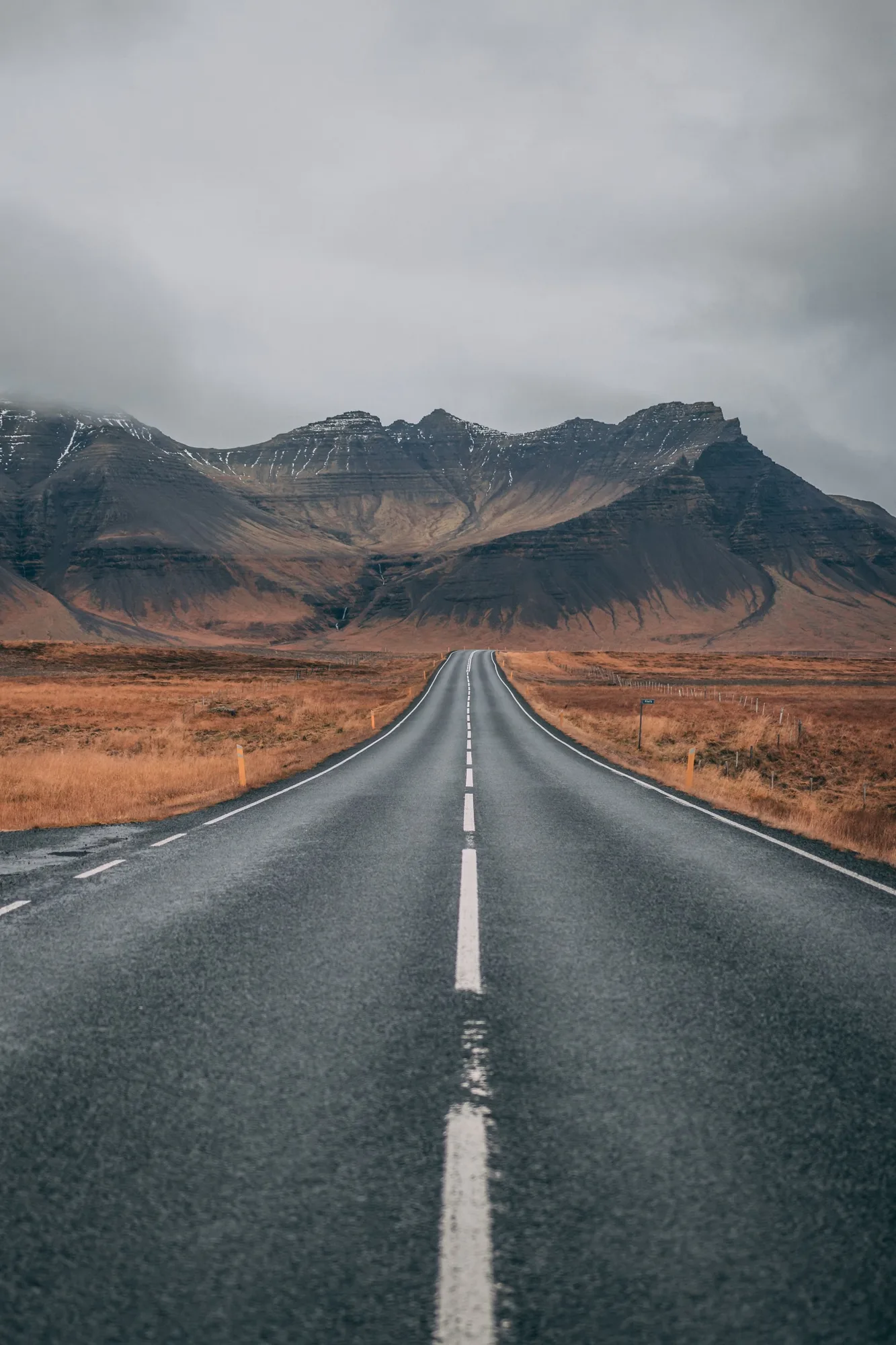
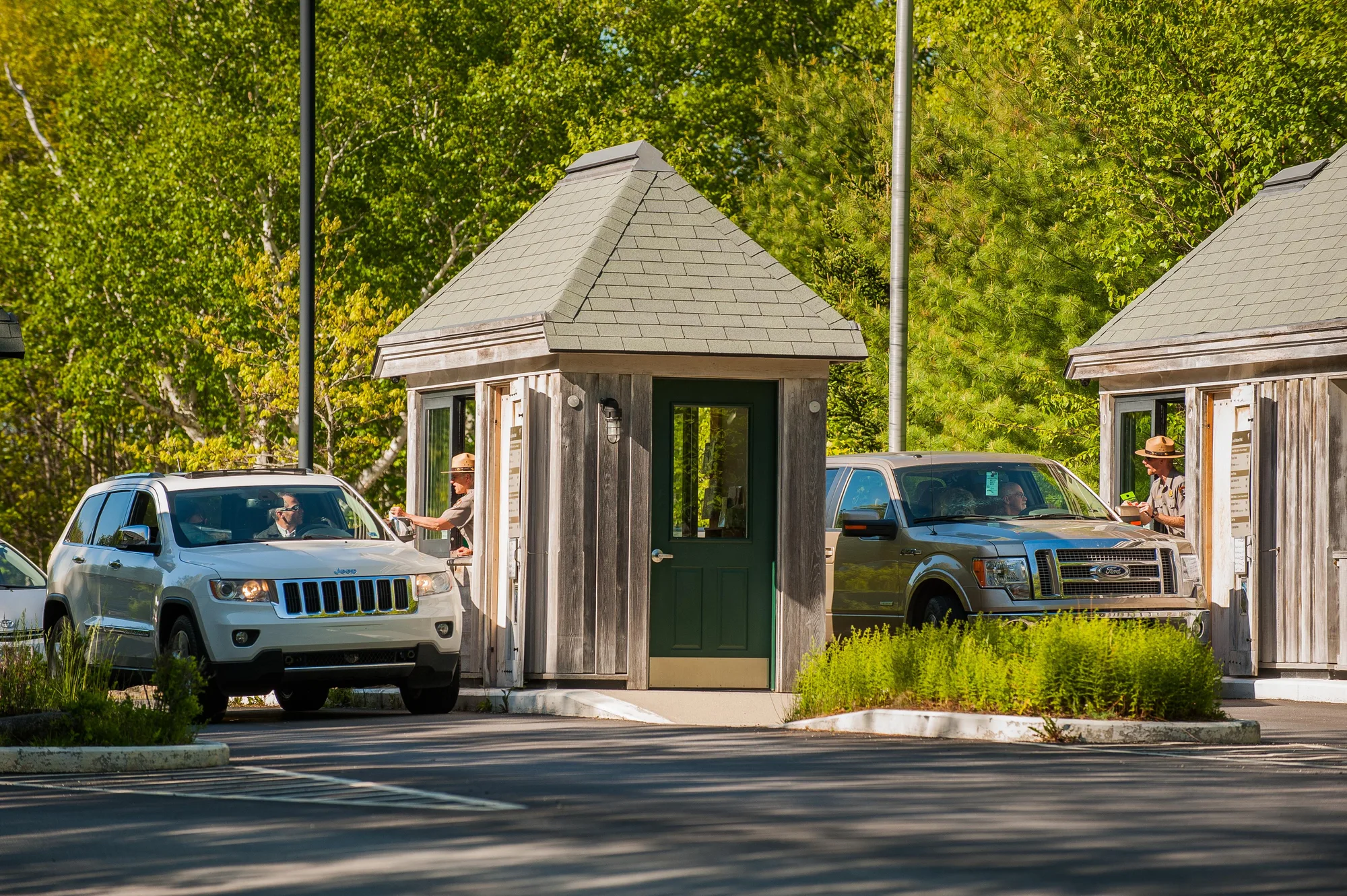
Rent a car, or rent a van through Outdoorsy. This is where the sixty-three-park rental brand list lives, matching each park to three suggested agencies, because the availability at a small gateway town isn't the same as the availability at a major airport, and finding that out on arrival is the wrong time to learn it.
For anyone thinking past a single trip (a travel van, a truck, a Ford Bronco, a Jeep, something meant to keep the adventure going for years instead of one vacation), the longer-term options run through CarMax, Amazon Associates, and various dealership programs. Worth a mention for anyone building toward that: DV8 Offroad (dv8offroad.com), for the parts and upgrades that turn a vehicle into something built for this specifically.
Maps
Phone apps will handle the hiking routes, the packing lists, the weather. None of that helps when the battery dies or the signal disappears, which in a national park is not a hypothetical. A paper map is the backup that doesn't need power. Carry one even if you never unfold it. Some people carry one just to go old school, and that's reason enough too.
Gear
- Yellowstone FLY FISHING KIT, CAMERA KIT, LIGHTWEIGHT BACKPACK
- Grand Canyon WATER BOTTLE, WALKING STICK, A HAT THAT ACTUALLY BLOCKS SUN
- Acadia LIGHT RAIN JACKET, LIGHTWEIGHT HIKING SHOES, LIGHTWEIGHT TENT
The general rule underneath all of it: don't over-pack, don't under-pack, and let the trip decide which mistake is worse. A day hike needs almost nothing. A week of backcountry backpacking needs almost everything. Getting that balance wrong is the kind of mistake that turns a good trip into a hard one.
Memorabilia
Bring something home besides photos. A national park kids' book or a one-of-a-kind park poster does the job: small, real, and still on the wall long after the trip's over.
None of this is complicated on its own, it's just easy to skip until you're standing at a counter with no rental car. That's the whole reason the sixty-three-park rental list exists in the first place, same three brands, same order, park after park, worked out ahead of the trip instead of at the counter. Campnab keeps checking for a cancelled campsite long after you've stopped refreshing the page yourself. Lodging, transport, a paper map, the right gear for the right park: each is a small decision made early instead of a scramble made late, and the park gets to do the only job it was ever built for.
Park descriptions and landscape details checked against NPS.gov. Booking and gear platforms are named for what they offer, not endorsed or paid placements.