
People built Cliff Palace, Spruce Tree House, and every other dwelling on this mesa across centuries. By the end of the 1200s, they were gone. The National Park Service's own account of why is more honest than most explanations you'll hear on a tour.
Drought, Depleted Land, and Pressure
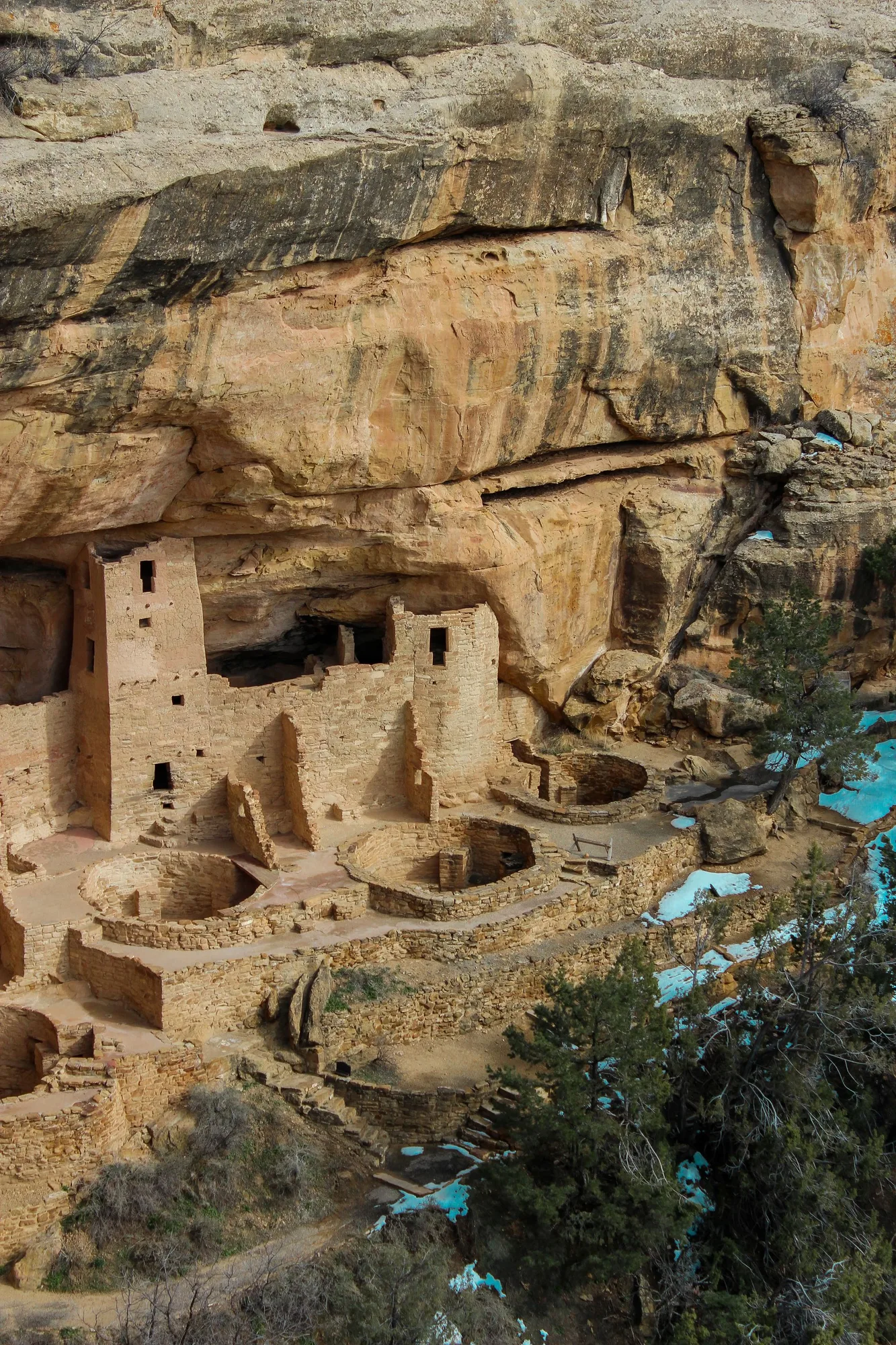
Construction on the mesa continued well into the 1200s, then people began moving out. The National Park Service's own account points to the last quarter of that century, when drought and crop failures hit the region, though NPS is careful to note these same communities had survived earlier droughts without leaving. Something about this one was different, or it landed on top of other pressures already building.
Those other pressures, per NPS, included resource depletion after centuries of intensive use: the soils, forests, and animal populations that had supported a growing population were worn down. The agency also cites social and political problems as a contributing factor, without pinning down exactly what that friction looked like day to day. The people who left moved south, into what is now New Mexico and Arizona, joining communities that in some cases still trace their ancestry back to Mesa Verde today.
Plan Your Mesa Verde Visit
Cliff Palace and Balcony House both require ranger-guided tickets. Build the logistics into your trip.
Open the Trip Planner"We Will Never Know the Whole Story"
The Ancestral Puebloans left no written records, and the National Park Service says so plainly in its own materials: scientific knowledge of the departure "remains sketchy," and "we will never know the whole story." That's an unusual thing for an interpretive agency to state outright, especially about the single most-asked question at a park built entirely around what these people constructed.
It's also the more accurate answer. Tree-ring records establish the drought's timing with real precision. What they can't establish is which combination of drought, worn-out land, and internal conflict actually made a community decide, house by house, that it was time to go. That decision happened inside people's lives, not in a data set, and it's the part no amount of archaeology fully recovers.
- Construction continued WELL INTO THE 1200s
- Major drought and crop failures LAST QUARTER OF THE 1200s
- Migration destination NEW MEXICO AND ARIZONA
- NPS's own conclusion "WE WILL NEVER KNOW THE WHOLE STORY"
Construction timeline, drought dating, resource depletion, social pressures, migration destination, and the direct quotes about the limits of current knowledge all checked against the National Park Service's own Ancestral Pueblo People materials for Mesa Verde.
Stand at Cliff Palace and it's tempting to want a clean answer: a single crisis, a single year, a single reason everyone left at once. The honest version is messier and, in its way, more human: people weighing a worsening situation against everything they'd built, and eventually deciding to walk south. The dwellings are still here. The reasoning, mostly, isn't.