Pola Island Trail
Easy
0.1 miflat~15 min
A very short trail ending at a rocky beach with views of Pola Island. No permit. Tutuila.
 National
American Samoa · Park 63 / 64
The only national park south of the equator, and the only one the federal government leases rather than owns, on ancestral Samoan land.
The National Park of American Samoa is unlike any other unit in the entire system: rather than purchasing or claiming the land, the National Park Service negotiated a 50-year lease directly with local Samoan village councils in 1993, and the land remains, in every legal and cultural sense, Samoan. Villages continue to live inside the park's boundaries, and visitors are expected to follow customary courtesies, like asking permission before photographing people or property, that don't apply anywhere else in the park system.
Spread across three islands, Tutuila, Ofu, and Ta'u, the park protects paleotropical rainforest found nowhere else under direct U.S. control, along with coral reefs sheltering hundreds of fish species. Ofu Beach, reachable only by a small inter-island flight from Tutuila followed by a short boat ride, regularly appears on lists of the world's most beautiful beaches, and visitors often find they have the entire stretch of white sand to themselves.
Come for the reefs and the rainforest. Stay long enough to understand why this park works so differently from the other 62, woven into daily Samoan village life rather than walled off from it. Read the story, book your Hawaiian Airlines flight around its limited weekly schedule, and when you leave, mark it visited, the last one in the full 63-park collection.

This is an opportunity to explore Indigenous-owned land and the Samoan people's forever home, woven into daily life rather than walled off from it.Adapted from National Geographic's account of the National Park of American Samoa's unique lease arrangement
Six ways to spend your time, spread across three islands most visitors will never manage to see in a single trip.
Consistently ranked among the world's most beautiful beaches, with a 350-acre offshore reef and outstanding snorkeling.
The signature beach · inter-island flight required56 ladders and 783 steps to a summit with panoramic views, descending into the village of Vatia.
Full day · genuinely strenuousAn easy, 0.1-mile trail ending at views of Pola Island, the easiest hike in the park.
Everyone · 20 minIn Pago Pago, with information on local nature, history, and Samoan culture essential before heading into the park.
Everyone · essential first stopA prehistoric village site believed inhabited from roughly 1300 to 1750, part of the park's deep cultural history.
Half day · TutuilaThe Samoan flying fox, a large native fruit bat, is commonly seen foraging in the rainforest canopy in the early evening.
Everyone · dusk, any forested areaAnswer a few questions right here. We'll map your day, stop by stop, with a route, timings, weather, and a packing checklist grounded in real park data. No account, no leaving this page.
⚡ In a hurry? Adventure Light 5 questions →Every trail rated honestly, with a clear note on which island each one belongs to and how to reach it.
A very short trail ending at a rocky beach with views of Pola Island. No permit. Tutuila.
A demanding climb with ladders and stairs to a panoramic summit, descending into the village of Vatia. No permit. Tutuila.
Some of the best snorkeling in the park along a 350-acre reef, reachable only by flight from Tutuila and a short boat crossing.
A remote climb to the highest point in American Samoa, on the island of Ta'u, near some of the tallest sea cliffs in the world.
A walk to a prehistoric archaeological site believed inhabited from roughly 1300 to 1750. No permit. Tutuila.
A quieter ridge trail on Tutuila away from the busier Mount Alava route, passing through rainforest. No permit.
No permit or entrance fee anywhere in the park · always ask village permission before photographing people, property, or entering certain beach areas · inter-island flights to Ofu and Ta'u should be booked well ahead given limited weekly schedules
Tap any animal to learn its story. Soon, the app will let you log what you spot and keep a life list for every park.
A large fruit bat with a wingspan up to 3.3 feet, commonly seen foraging in the rainforest canopy at dusk.
Seen seasonally in the waters around American Samoa, part of the broader South Pacific humpback population.
Inhabits the nearshore waters around the islands year-round, a common sight for boaters and snorkelers.
Forages on the park's coral reefs, generally harmless to snorkelers who give it appropriate space.
Spotted on the rocky beaches near Vatia and other Tutuila coastlines, an important nesting species for the region.
The smallest of all booby species, found nesting along the park's coastal cliffs and forests.
A large, edible land crab weighing up to seven pounds, found in the park's coastal forest areas.
The park protects one of the largest remaining Old World tropical rainforests under direct United States control, draped over more than 40 mountains.
The national flower of Samoa, commonly found throughout the park's rainforest and village areas.
Central to Samoan culture and subsistence for centuries, found throughout the park's coastal and village areas.
Found on the park's coral reefs, one of several species of giant clam supporting the reef's biodiversity.
Found throughout the park's rainforest, some specimens reaching massive size with distinctive aerial root systems.
Numerous native orchid species grow in the park's rainforest understory, part of its rich Old World tropical flora.
The National Park of American Samoa is the only National Park Service site south of the equator.
Rather than owning the land, the NPS negotiated a 50-year lease directly with Samoan village councils in 1993; the land remains Samoan.
The park spans three islands, Tutuila, Ofu, and Ta'u, and includes roughly 4,000 acres of ocean and coral reef.
The Mount Alava Adventure Trail includes 56 ladders and 783 steps, one of the most physically demanding trails in the entire park system.
The questions people actually ask, answered from the park’s own current guidance. Fees and permit rules change every year, so each answer links back to the National Park Service page it came from.
No, there is no entrance fee to visit the National Park of American Samoa. This applies to both the Tutuila unit and the more remote Ofu unit. No entrance pass is required at all. Source: NPS.gov
No. NPS states plainly that no fees or reservations are required to visit the park, whether you're heading to Tutuila or Ofu. There's no lottery or timed-entry system here like some mainland parks use. Source: NPS.gov
The park runs warm and humid year-round, with a wetter season from October through May bringing frequent rain showers. The dry season, June through September, is the better window for hiking and outdoor activities. NPS doesn't publish any seasonal facility closures for this park. Source: NPS.gov
Yes, flying foxes are a signature animal here, and the park's own visitor messaging is built around the line "Fruit Bats Are Our Friends" to get people to leave them undisturbed. They roost in the rainforest canopy and play a real role in the island ecosystem. The park's fringing coral reefs are another highlight, popular for snorkeling. Source: NPS.gov
Stories, guides, and hard-won tips from the trail. The full American Samoa deep dive lives on the blog.
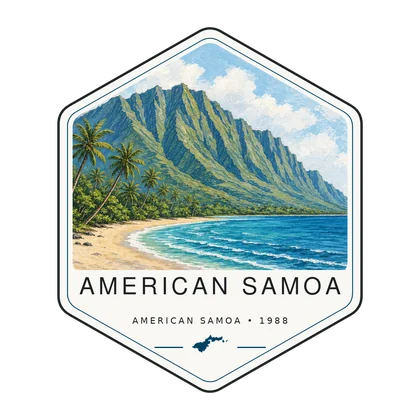
Log the visit, keep your story, and watch the map of all sixty-four fill in behind you. Every visit has a keepsake worth holding.
The full collection, complete. See the map and every park you've visited.
View the map → PlanTurn American Samoa into a trip with a custom, day-by-day itinerary.
Start planning → Go deeperThe National Park Service doesn't own this park's land. It leases it, fifty years at a time, from the Samoan villages who've held it for generations.
Read it → Explore moreThe full collection is open. Revisit any park anytime.
Browse parks →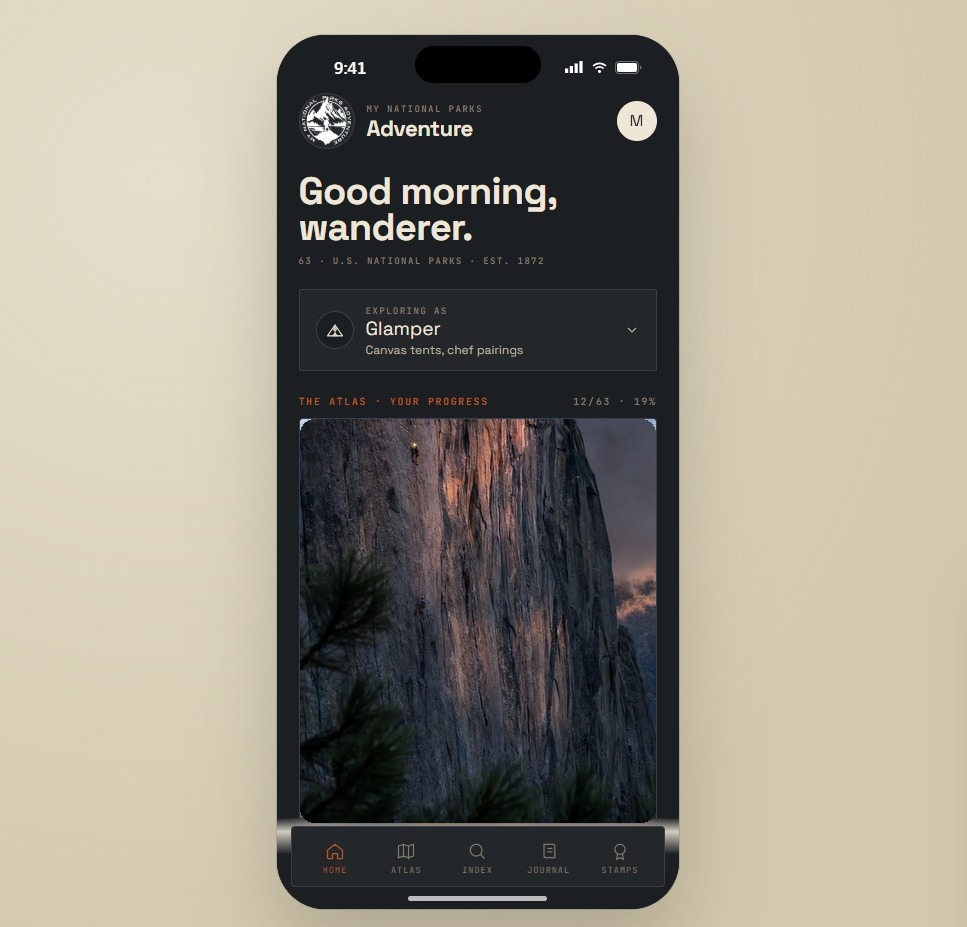
Offline maps, your passport, and every park in your pocket on the trail.
Join the waitlist →
The printed edition, part atlas, part journal, one story per park.
Notify me →Park-guide posters, enamel stamps, and the passport book to fill in.
Visit the shop →Field Notes
The parks do not perform for anyone. They stood here before the road, and they will stand here after it.